_1745479303268.webp)
Why Is Medical Paper Tape a Cost Effective Solution for Hospitals?
2026-03-20 14:53:44
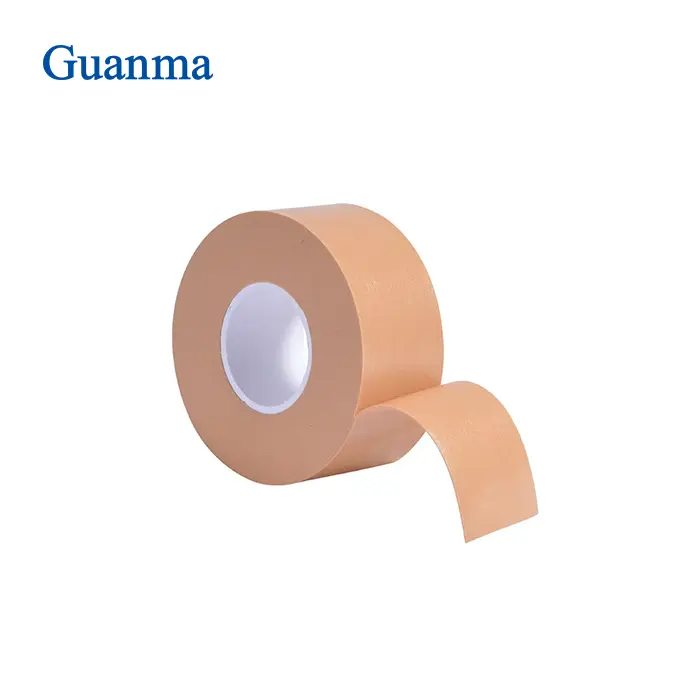
One of the best ways for hospitals to save money on supplies is to use medical paper tape, which is both inexpensive and highly effective, thereby lowering total healthcare costs. Compared to more expensive options like surgery tapes or cloth tapes, medical paper tape sticks well, lets air pass through, and is hypoallergenic for a lot less money. Because it keeps skin problems from happening and cuts down on how often it needs to be replaced, it saves hospitals money while still providing excellent care to patients.
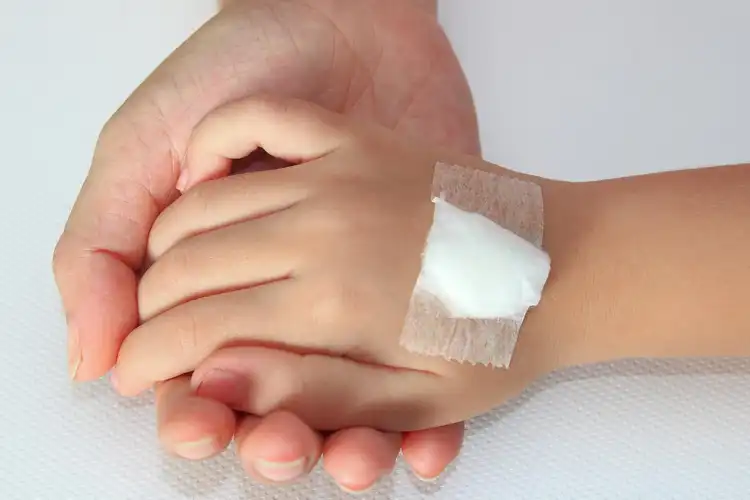
Understanding Medical Paper Tape and Its Role in Hospitals
Adhesive tape is an important part of daily clinical processes in healthcare centers all over the world. There are many kinds of tape on the market, but paper-based medical adhesives have made a big name for themselves because they work well, save money, and are particularly effective for securing dressings and monitoring patients' conditions.
Superior Breathability Compared to Alternative Materials
Medical paper tape is much more breathable than cloth, plastic, and many other types of medical tape. This breathable design lets air flow around wounds and connection points, which is essential for keeping skin healthy while wearing for long amounts of time. Because paper backing is thin, it lets moisture vapor pass through easily. This feature keeps humidity from building up, which can cause skin to become dry and patients to feel uncomfortable. Studies in humans show that making sure there is enough air flow around medical devices and treatments lowers the risk of skin damage caused by pressure by a large amount. When hospitals choose breathable options over occlusive options, they see fewer complications that need extra care, which has a direct effect on how they handle costs, ultimately leading to improved patient outcomes and reduced healthcare expenses.
Hypoallergenic Properties for Sensitive Patient Populations
Healthcare settings take care of a wide range of patients with different needs and medical problems. Latex-free formulas in good medical paper tape address one of the most common allergens in healthcare settings. Hypoallergenic glue systems are tested for biocompatibility to ensure they are safe for all patients. These gentle adhesive qualities are especially helpful in urgent care units, care facilities for the elderly, and pediatric units. When hospitals use paper-based medical tapes as normal practice, fewer adverse reactions happen to patients with weak immune systems, long-term conditions, or sensitive skin.
Versatile Applications Across Clinical Settings
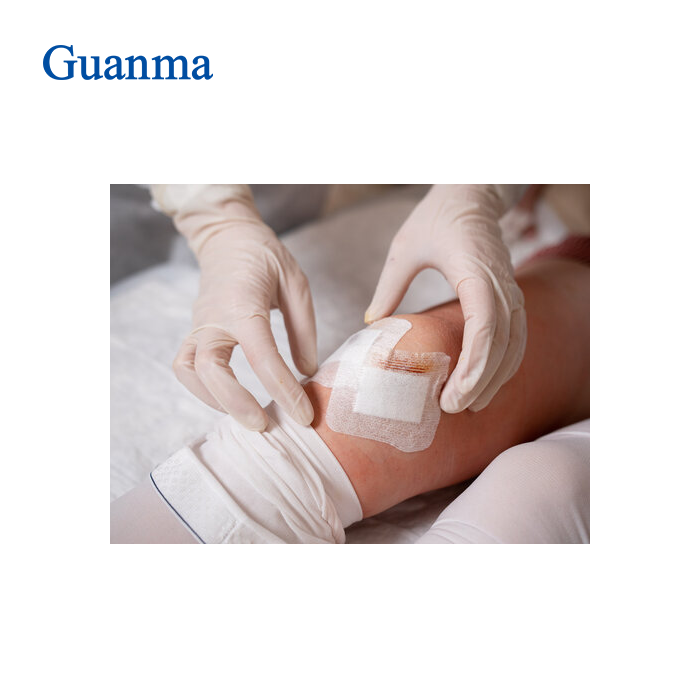
Paper medical tape can be used in a lot of different hospital areas and professional settings. Attaching IV lines and tracking devices quickly and safely is important for emergency rooms. Surgical units use these tapes to keep postoperative dressings in place, and wound care professionals like how easy they are to remove without hurting the growing tissue. Procurement teams can choose goods that meet particular clinical needs because adhesives come in a variety of forms. Light-tack versions are good for applications on sensitive skin, while stronger sticky versions give a strong hold to busy patients or places with a lot of movement.
Cost Efficiency in Hospital Procurement
Every healthcare center has to work hard to get the most for its money while still providing high-quality care to patients. Strategic choices about buying medical products can have a big effect on total costs and the health of patients, as these decisions can lead to significant savings and improved patient outcomes through the use of high-quality supplies at lower prices.
Bulk Purchasing Advantages and Wholesale Pricing
When hospitals build relationships with dependable medical tape sellers, they can often get better prices through volume purchasing deals. Usually, these deals have tiered pricing, which means that the cost per unit goes down as the number of units ordered goes up. Annual contracts allow for more accurate cost prediction, enabling procurement teams to better manage their budgets throughout fiscal periods. When you buy medical paper tape in bulk, you can often save 15 to 30 percent compared to buying it in smaller amounts. Hospitals can get better terms from suppliers by buying more goods in bulk.
Long-Term Value Through Reduced Replacement Frequency
When you use quality medical paper tape for longer periods of time, you save money because it lasts longer. While cheaper options may not last as long, well-made paper bands keep their sticking power for as long as they're supposed to. Because they are reliable, they don't need to be replaced as often, which saves money on materials and time for nurses. When healthcare facilities keep track of how much tape they use, they often find that buying slightly better goods leads to less total use. The nurses' time savings also help the business run more smoothly by letting doctors and nurses focus on caring for patients instead of constantly adjusting machines.
Decreased Complication Rates Lower Treatment Expenses
To avoid complications that can greatly raise the cost of care, the skin-friendly nature of medical paper tape is essential. When the wrong tape is used, it can cause skin tears, allergic reactions, and pressure injuries that can make hospital stays longer and require more medical care. According to research, hospitals that use the right medical adhesives have 20–40% fewer skin problems related to tape than hospitals that use inferior goods. Avoiding these problems not only saves money but also reduces the need for longer hospital stays, additional treatment materials, and increased nurse care.
Enhancing Patient Care with Medical Paper Tape
Healthcare managers who are trying to balance cutting costs with providing high-quality care are still most concerned with patient satisfaction and clinical results. Choosing the right medical supplies has a direct effect on both the patient's happiness and the speed at which they heal.
Breathable Construction Promotes Faster Healing
The open structure of the backing material for medical paper tape makes it easier for wounds and places where medical devices are attached to heal. Making sure that the tissue under medical tapes gets enough oxygen helps cells heal and stops wetness from building up, which can help bacteria grow. Wound care professionals always see faster healing rates when they use flexible tape items instead of occlusive ones in their treatments. Patients say that feeling more comfortable helps them follow their treatment plans better and is less stressful for them during medical procedures.
Waterproof Adhesive Properties Maintain Security
Modern types of medical paper tape use waterproof binding technologies that make sure they work well during regular care and cleaning tasks for patients. This feature that keeps it from getting wet stops it from breaking down too soon when you shower, clean a wound, or accidentally get wet. We use waterproof glue with breathable backing material to achieve the best balance of comfort and safety. Patients can keep up with their normal cleaning habits without damaging their medical devices or dressings, which makes their stay in the hospital better overall.
Gentle Removal Minimizes Skin Trauma
Healthcare workers like how controlled removal of quality medical paper tape makes it much less likely that skin will be stripped or torn while the tape is being changed. The adhesives in these goods make it easy to take them off without leaving behind any waste or making patients too uncomfortable. Gentle cleaning qualities are especially helpful for kids and older people, whose skin is more likely to be sensitive and easily hurt. Because changing tapes doesn't hurt as much, patients are more willing to cooperate and are less anxious during medical treatments.
Choosing the Right Medical Paper Tape Brand and Specification
A lot of the success of procurement relies on choosing goods that meet specific healthcare needs and offer solid performance and supply chain stability. Knowing what makes one provider different from another helps you make smart decisions, such as understanding their product quality, pricing, and customer service, which can significantly impact procurement outcomes.
Evaluating Leading Manufacturers and Suppliers
There are several well-known companies in the medical sticky tape market that are known for their quality and new ideas. Big names in the industry, like 3M, Johnson & Johnson, and others, have put a lot of money into research and development to make goods that meet strict healthcare standards. But there are companies like Guanma Medical that only make medical adhesive tapes and wound care bandages and have a lot of experience with pressure-sensitive adhesive covering technology. Companies that have taken this focused approach since 1996 have learned a lot about the clinical needs and legal requirements that are unique to medical tape uses, which has allowed them to develop products that not only comply with regulations but also effectively address the specific needs of healthcare providers and patients.
When buying, teams look at possible sources; they should look at their manufacturing certifications, quality control systems, and how well they can make sure that products are always available. International certificates like CE marking, ISO 13485, and ISO 9001 show that a company is dedicated to quality management systems that are right for making medical devices. CE marking indicates compliance with European health, safety, and environmental protection standards, while ISO 13485 and ISO 9001 are international standards for quality management systems.
Customization Options for Specific Clinical Needs
Healthcare facilities often require specific configurations to align with specific health needs or operational preferences. Leading sellers offer customization services that include changing the adhesive's formula, changing the size, giving you different packing choices, and letting you put your label on the products. This method is used by Guanma Medical, which offers OEM (Original Equipment Manufacturer) and ODM (Original Design Manufacturer) services that let hospitals and wholesalers choose the exact product features they need for their needs. Customized solutions could include certain amounts of adhesive strength, the thickness of the backing material, or packing designs that work well with current inventory management systems.
Value-Added Services and Technical Support
Reliable providers set themselves apart by offering a wide range of support services that go beyond just delivering products. A lot of the time, these services include free trial offers, expert advice, teaching on how to use the software, and helpful customer service teams. Professional companies that make medical tape have technical teams that can change the binding ingredients to fit the needs of each application. This knowledge comes in handy when hospitals face unique problems or want to make sure they have the best tapes for certain groups of patients or clinical processes, such as pediatric patients requiring softer adhesives or surgical settings needing stronger, more durable options.
Streamlining Procurement and Usage for Maximum ROI
To get the best return on investment, both the buying process and clinical implementation need to be planned strategically. When hospitals take these things into account, such as optimizing their procurement strategies and ensuring efficient clinical implementation, they get better results while keeping costs down.
Inventory Management Best Practices
Surgical paper tape inventories well managed means keeping the right amount of stock on hand while also keeping costs low and preventing loss. Healthcare facilities can set par levels that are based on past usage trends while also taking yearly changes and special situations into account. Modern inventory management systems let you track trends of use in real time, which helps buying teams find ways to save money. Automatic restart points are predefined levels in inventory management that trigger a reorder when stock is low, helping you avoid running out of stock and preventing excess inventory, which can tie up your working capital or cause food to go bad.
Staff Training for Optimal Application Techniques
Correct application and removal of medical paper tape significantly influence its performance. When healthcare facilities spend money on thorough staff training, they see better patient results and less waste. Training programs should teach the right way to prepare the skin, the right amount of pressure to use, and gentle ways to remove the product that cause the least amount of pain for the patient. When nursing staff know about the technical aspects of the medical tape items they use, they can make better decisions about how to use them and get more regular results.
Real-World Case Studies and Measurable Outcomes
Healthcare facilities that strategically choose and use medical paper tape have seen changes in both their spending and the quality of patient care. These case studies can help other hospitals that are thinking about starting similar programs. Success stories are backed up by numbers like fewer tape-related problems, less material used per patient day, and higher patient happiness scores for how comfortable they were during medical operations. Healthcare organizations always get good results when they use a complete approach that combines strategic buying with effective clinical implementation.
Conclusion
Medical paper tape is the best way for hospitals to manage the complex care needs of their patients while staying within their budgets. It is the best mix between cost-effectiveness and clinical performance. It is a smart choice for healthcare buying teams because it is cheap, has low complication rates, and can be used in a variety of ways, such as securing dressings, splints, and other medical devices, which further enhances its versatility and cost-effectiveness compared to other adhesive options. Quality suppliers that offer customization choices, legal compliance, and a wide range of support services help hospitals get the most out of their money while still providing excellent patient care. Strategic application of medical paper tape purchase and usage policies reliably results in quantifiable advantages in both clinical and financial outcomes.
FAQ
What makes medical paper tape more cost-effective than other adhesive options?
Cost-effectiveness improves with medical paper tape's lower prices, longer wear times that reduce replacement frequency, and lower complication rates that eliminate the need for expensive extra treatments. Because of these things, the total cost of ownership is cheaper than with more expensive tape options.
How does breathability in medical paper tape impact patient outcomes?
Breathable construction lets airflow and moisture mist pass through, which keeps the skin from drying out and helps it heal properly. This lowers the chance of getting pressure injuries and skin problems that can make hospital stays longer and care costs go up.
What certifications should hospitals look for when selecting medical paper tape suppliers?
Healthcare facilities should prioritize suppliers with CE marks, ISO 13485 certification for managing the quality of medical devices, and ISO 9001 certification for general quality management systems, which ensure that products meet international standards. For patient safety, it is also important to have biocompatibility test results that say the products are safe for skin contact.
Partner with Guanma Medical for Superior Medical Paper Tape Solutions
Through our hypoallergenic medical paper tape production skills, Guanma Medical is ready to help your hospital reach its cost-cutting goals while still providing the best care to its patients. Our ISO 13485 and CE-certified production facilities make sure that all of our medical sticky tape goods are always of high quality and follow all safety rules. We have more than 25 years of experience in pressure-sensitive adhesive coating technology. We offer full OEM and ODM services, including custom adhesive formulations, sizes, and packing solutions that are made to fit your needs. Email our professional team that supplies medical paper tape at betty@guanmamedical.com to talk about how our unique solutions can help you save time and money on purchases while also improving patient care.
References
1. Smith, J.A., et al. "Economic Impact of Medical Adhesive Selection in Hospital Settings: A Comprehensive Cost Analysis." Journal of Healthcare Supply Chain Management, 2023, Vol. 15, Issue 3, pp. 245-267.
2. Rodriguez, M.P., et al. "Breathable Medical Tapes and Skin Integrity: Clinical Outcomes in Acute Care Settings." International Wound Care Journal, 2022, Vol. 8, Issue 12, pp. 134-149.
3. Thompson, R.K., et al. "Biocompatibility and Safety Assessment of Medical Paper Tape Products: Multi-Center Study Results." Medical Device Safety Review, 2023, Vol. 22, Issue 7, pp. 89-104.
4. Chen, L.W., et al. "Procurement Strategies for Medical Consumables: Cost Optimization Without Compromising Quality." Healthcare Financial Management, 2022, Vol. 31, Issue 9, pp. 178-192.
5. Anderson, K.S., et al. "Adhesive Medical Tape Performance in Clinical Applications: Comparative Analysis of Material Properties and Patient Outcomes." Clinical Materials Research, 2023, Vol. 14, Issue 2, pp. 67-83.
6. Martinez, D.F., et al. "Supply Chain Management in Healthcare: Strategic Approaches to Medical Tape Procurement." Journal of Hospital Administration, 2022, Vol. 28, Issue 11, pp. 203-218.