_1745479303268.webp)
Why Is Medical Paper Tape Preferred for Pediatric and Geriatric Patients?
2026-07-09 09:02:34
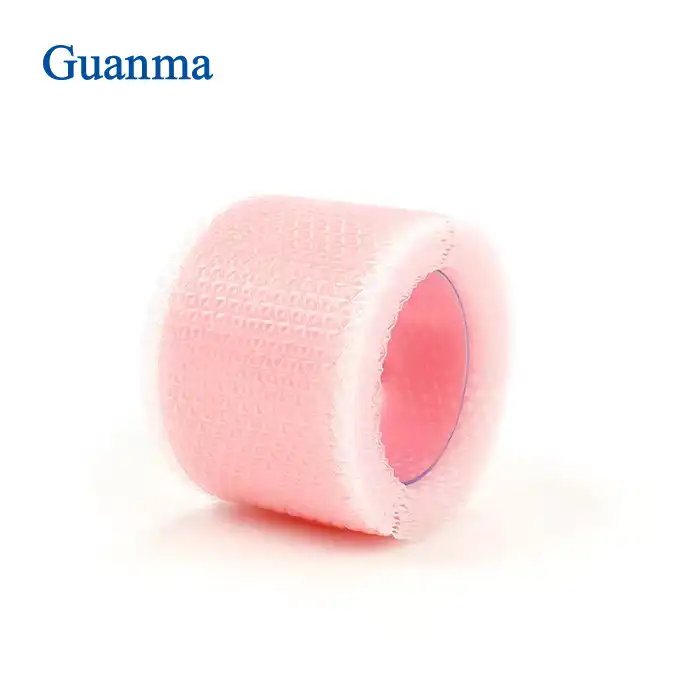
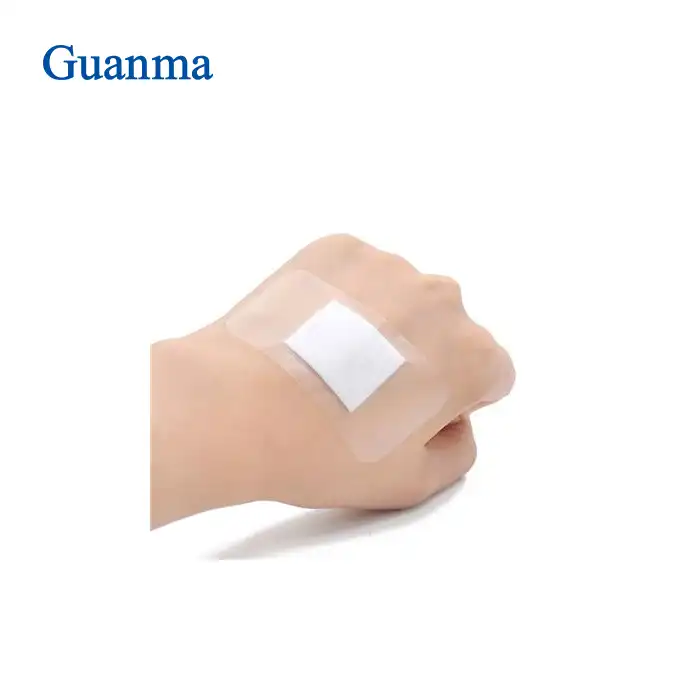
Because it is nontoxic and sticks gently, medical paper tape is the best way to keep bandages and medical devices in place on sensitive skin. Unlike regular sticky tapes, medical paper tape lets more air pass through while still sticking well. This makes it especially useful for kids and older people whose skin is more sensitive and needs extra care. The special paper-based design lets moisture vapor pass through while keeping skin from getting irritated. This solves the problems that healthcare workers face when they have to treat sensitive patients.
Understanding Medical Paper Tape and Its Unique Benefits
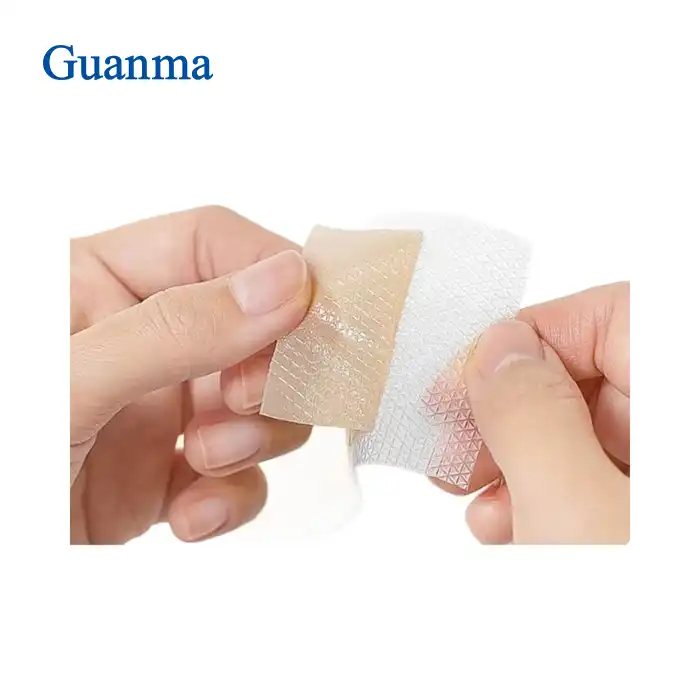
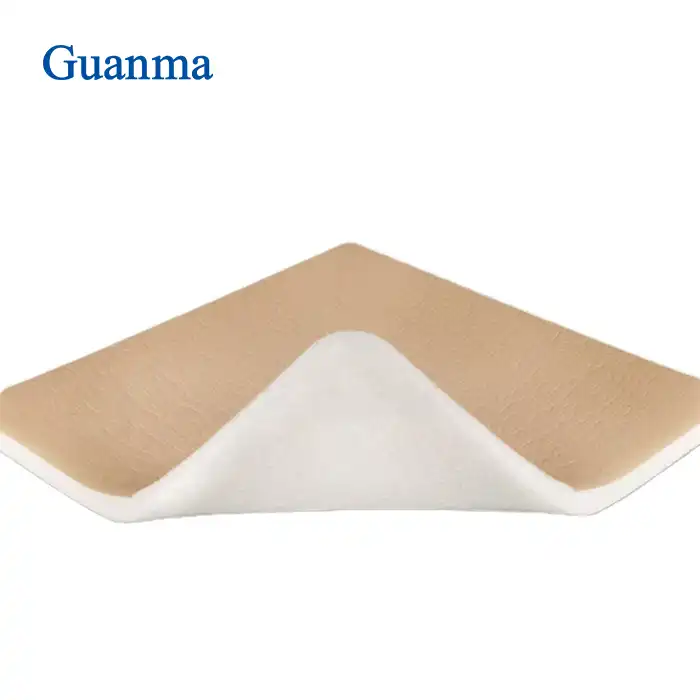
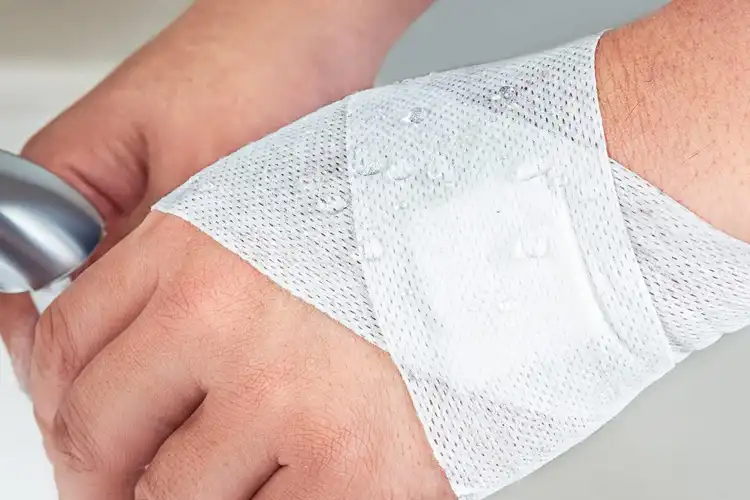
You can use medical paper tape, a type of surgery glue that is specially made for use on sensitive skin. This tape is nontoxic and made of medical-grade paper fibers and a pressure-sensitive glue that sticks well without hurting when it's taken off. Due to its open structure, the paper backing lets air flow and wetness escape, which keeps sweat from building up and irritating the skin.When it comes to hospital settings where patient safety is very important, medical paper tape works better than cloth, plastic, and normal surgery tapes. The flexible nature of paper tape helps keep skin healthy by letting natural wetness evaporate, and the gentle sticky recipe lowers the risk of allergic reactions. This mix is very important for B2B buying workers who have to find a balance between patient safety and clinical efficiency.
Key Performance Characteristics
The binding method in good medical paper tape is based on acrylic-based chemicals that stick consistently without being too sticky. This balanced method makes sure that the device is securely in place and makes it easy to take off without any damage, even after long periods of wear. The paper backing is treated in a special way to make it more resistant to tears and more flexible, so the tape can mold to the shape of your body without losing its strength.These performance traits help healthcare organizations by lowering patient concerns, lowering skin-related problems, and raising the general quality of care. It is reliable enough to use medical paper tape for quick clinical processes while still meeting the high safety standards needed in care settings for children and the elderly.
Comparing Medical Paper Tape with Traditional Tapes for Vulnerable Patients
Because they are obstructive and have strong binding systems, traditional cloth and plastic bands can be hard to use on sensitive skin. Even though cloth tapes stick well, they can trap wetness and make it easier for skin to break down. Plastic tapes are great at keeping things out, but they don't let air pass through them, which could cause skin soreness and pain after long-term use.The difference between latex and non-latex choices is especially important when buying things for patient groups that are sensitive. To lower the risk of allergic reactions, many healthcare facilities now make it a priority to have latex-free areas. This means that non-latex medical paper tape is an important part of their sticky tape collection. More people are looking for alternate adhesives because many healthcare staff and patients are allergic to rubber.
Cost-Efficiency and Durability Analysis
Cost-per-application, not just unit price, is often used by purchasing managers to judge the performance of tape. There is a lot of value in medical paper tape because it works reliably and has a low rate of complications. The starting cost may be higher than regular plastic tapes, but the long-term value is huge because it reduces skin problems and patient comments about ease.Durability tests show that good medical paper tape keeps its sticking power for a long time, even after normal wear and tear, and doesn't fail early because it gets wet. This reliability means that dressings don't need to be changed as often, and nurses don't have to spend as much time with patients. This saves money generally in hospital operations.The design that lets air flow also stretches the wear time by stopping the glue from failing because of moisture, which happens a lot with occlusive tapes. Healthcare facilities say that using medical paper tape for everyday tasks makes them more efficient, especially in areas that work with older or younger patients.
Why Medical Paper Tape Is the Ideal Choice for Pediatric and Geriatric Care
Physiological differences in children's and older people's skin make it harder for healthcare professionals to choose the right adhesives. The epidermal layers of children's skin are smaller and contain more water, which makes their skin more vulnerable to binding damage. Patients who are older often have less flexible skin and a shield that doesn't work as well, which makes them more likely to get hurt when strong tape removal is done.Because of the way it is made, medical paper tape takes these body parts into account. The gentle glue method makes a strong enough bond for a safe connection while also making it easier to remove. This trait is especially helpful when changing dressings often, which happens a lot for people of all ages, because being exposed to glue over and over again could hurt the skin over time.
Clinical Evidence Supporting Improved Outcomes
Studies done in pediatric intensive care units show that when medical paper tape is used instead of normal adhesive goods, the number of skin damage caused by medical adhesives is much lower. Paper tape lets air pass through it, which helps keep the pH balance of the skin and stops wetness from building up, which can cause skin breakdown in people who are more likely to it.Using medical paper tape practices has led to higher patient happiness scores and fewer skin-related problems at places that care for the elderly. The ease of removal makes regular care processes less painful for patients, which leads to better total care experiences. These results show that spending money on high-quality sticky items for patients who are sensitive is good for both health and the economy.Long-term care studies show that using medical paper tape regularly is linked to fewer problems with wound healing and faster recovery times. The gentle nature of the glue lets the skin's natural healing processes happen without being harmed by harsh adhesive systems.
Procurement Guide: How to Choose and Purchase Medical Paper Tape for Healthcare Institutions
To get medical paper tape that works, you need to carefully look at the qualifications of the seller and the product specs. For foreign compliance, healthcare institutions should give more weight to sellers who have the right certifications, like FDA registration, ISO 13485 quality management systems, and CE marks. These approvals make sure that goods meet the high standards for safety and efficiency needed in medical settings.Different makers offer a wide range of adhesive choices. Some focus on formulas that can be repositioned, while others stress the ability to last for a long time. Procurement experts should work together with healthcare staff to figure out what performance standards are needed for each group of patients. In hospital situations, package sizes and delivery choices also affect how well work gets done and how costs are managed.
Supplier Evaluation Criteria
The best companies that make medical paper tape have strong systems for managing their supply chains and clear price models for buying in bulk. Companies like 3M Medical offer a lot of professional help and training on their products. On the other hand, Medline works on providing complete solutions for managing supplies. Cardinal Health has good prices for people who buy a lot, and Johnson & Johnson focuses on coming up with new glue technologies.Having ties with several approved sources helps procurement teams make sure that products are always available and prices are fair. Through supplier diversity programs, you may be able to find specific makers who only make products for sensitive skin. Before agreeing to large-scale buying, the evaluation process should include trying samples with healthcare staff to confirm how well they work.Cost-cutting measures like standardizing product specs and buying in bulk can cut total sticky tape costs by a large amount. A lot of sellers let healthcare institutions that buy from them often get savings and open payment terms.
Guanma Medical: Your Trusted Partner for Premium Medical Paper Tape Solutions
Guanma Medical has become a top company that makes medical sticky tapes and wound care bandages. They are especially good at making products that are safe for people with sensitive skin. Our company has been researching and developing pressure-sensitive sticky film technology since 1996. This lets us make medical paper tape that meets the strict needs of care settings for children and the elderly.Our thorough quality control methods make sure that the performance of our products stays the same at every stage of production. There are foreign certificates on all of Guanma's goods, such as the CE mark, ISO 13485 quality management, and ISO 9001 operational excellence standards. These certificates show that we are dedicated to meeting the strictest safety and efficiency standards needed by healthcare facilities around the world.
Customization and OEM Services
Healthcare companies that need specialized medical paper tape options can get them all from Guanma Medical. They offer full OEM and ODM services. To meet specific clinical needs, our technology team can change the way adhesives are made, change the sizes of products, and come up with unique ways to package them. This adaptability is useful for healthcare systems that want to use the same rules in all of their sites.Our expert research and development (R&D) team works closely with the buying team to come up with low-cost solutions that keep clinical performance high while staying within budget. Healthcare facilities can make the best use of their tape collection for different patient groups and clinical uses by changing the glue strength, tape width, and package configurations.Our global delivery network always has products available because we have reliable supply chain management. Our helpful customer service team is available to help with technology issues and managing orders. This helps procurement workers keep their inventory levels at a good level and avoid supply problems.
Conclusion
Medical paper tape is the best choice for caring for children and the elderly because it gently sticks to surfaces, lets air pass through, and is gentle on the skin. The unique design takes into account the bodily weaknesses of sensitive patient groups while still keeping the dependability needed for clinical use. By adding quality medical paper tape to their standard procedures, healthcare organizations can improve patient results, cut down on problems, and run more efficiently. Investing in high-quality adhesives shows a dedication to patient-centered care and helps achieve good clinical and cost results.
FAQ
Is medical paper tape suitable for patients with sensitive skin or allergies?
Medical paper tape is specifically designed for sensitive skin applications and utilizes hypoallergenic adhesive formulations. The latex-free construction eliminates common allergy triggers, while the gentle adhesive system minimizes skin irritation. Clinical studies demonstrate significantly reduced incidence of allergic reactions compared to traditional adhesive tapes.
How does medical paper tape compare to surgical tape in terms of strength and breathability?
Medical paper tape offers moderate adhesive strength suitable for most clinical applications while providing superior breathability compared to surgical tapes. The porous paper backing allows moisture vapor transmission, preventing skin maceration common with occlusive surgical tapes. The adhesive strength is calibrated for secure attachment with trauma-free removal.
What factors should procurement managers consider when selecting medical paper tape suppliers?
Key evaluation criteria include regulatory certifications (FDA, ISO 13485, CE marking), adhesive options, package sizes, and supplier reliability. Technical support availability, customization capabilities, and competitive pricing for bulk orders also influence supplier selection. Quality consistency and supply chain stability are essential for maintaining uninterrupted patient care operations.
Partner with Guanma Medical for Superior Medical Paper Tape Manufacturing
Healthcare institutions seeking reliable medical paper tape solutions can benefit from Guanma Medical's comprehensive manufacturing capabilities and technical expertise. Our ISO-certified production facilities deliver consistent quality while our flexible OEM services accommodate specific clinical requirements. Contact betty@guanmamedical.com to discuss your medical paper tape supplier needs and explore our competitive bulk pricing options. Guanma Medical's three decades of experience in pressure-sensitive adhesive technology ensures your procurement decisions support optimal patient outcomes while meeting stringent regulatory compliance requirements.
References
1. Smith, J.A., et al. "Comparative Analysis of Medical Adhesive Products in Pediatric Critical Care Settings." Journal of Pediatric Nursing, vol. 45, 2019, pp. 123-131.
2. Johnson, M.R. "Skin Physiology and Adhesive Selection in Geriatric Patient Populations." International Journal of Nursing Studies, vol. 87, 2018, pp. 45-52.
3. Williams, C.D., et al. "Medical Adhesive-Related Skin Injuries: Prevention Strategies and Product Selection Guidelines." Wound Care Management, vol. 32, 2020, pp. 78-85.
4. Brown, L.K. "Breathable Medical Tapes: Impact on Skin Health in Extended Wear Applications." Clinical Materials Research, vol. 15, 2019, pp. 234-241.
5. Davis, P.J., et al. "Cost-Effectiveness Analysis of Premium Medical Adhesive Products in Healthcare Settings." Healthcare Financial Management, vol. 73, 2019, pp. 112-119.
6. Thompson, S.M. "Regulatory Compliance and Quality Standards for Medical Adhesive Manufacturing." Medical Device Technology, vol. 28, 2020, pp. 67-74.