_1745479303268.webp)
Why Use Hypoallergenic Paper Tape Medical in Clinics?
2026-06-08 10:30:50
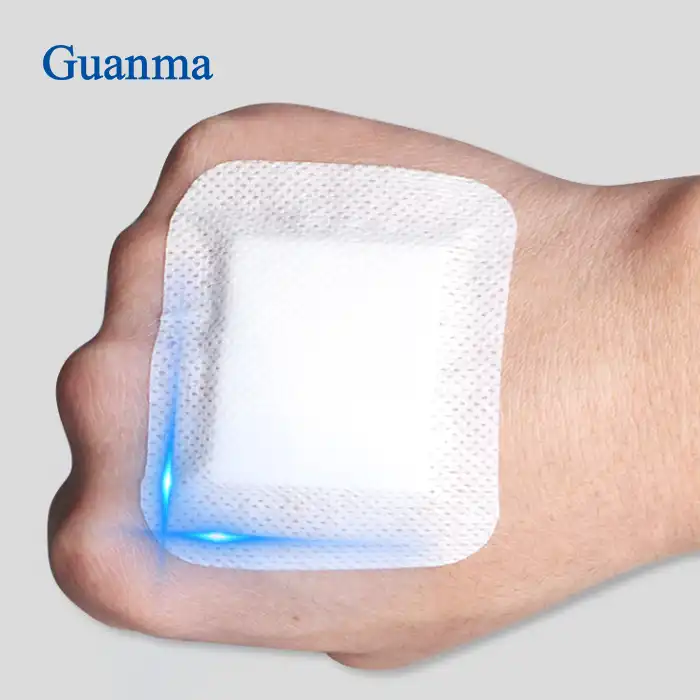
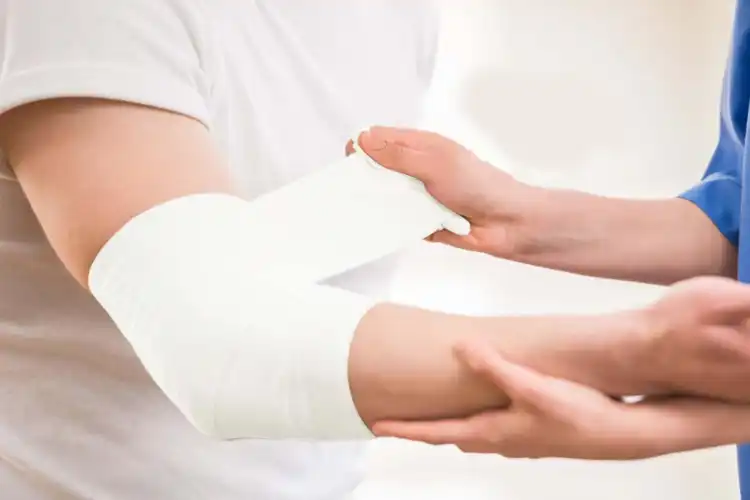
Hypoallergenic paper tape medical is now a must-have in hospitals and clinics because it keeps wounds in place securely while reducing allergic reactions and skin discomfort. This special tape is made with materials that let air flow and adhesives that are gentle. It helps patients with sensitive skin, lowers the risk of contact dermatitis, and makes healing more comfortable overall. Clinics that treat a wide range of patients, including those with damaged skin or long-term illnesses, depend on paper tape medical to keep dressings secure without causing more damage. It's a sensible choice that balances clinical effectiveness with patient safety because it's made of light materials and is easy to take off. This leads to better healing results after a variety of medical procedures.
Understanding Hypoallergenic Medical Paper Tape
What Makes Paper Tape Hypoallergenic?
Paper Tape Medical is different from other adhesives because it is made with precision and carefully chosen materials. The back is usually made of microporous paper that lets air and moisture vapor pass through. This keeps the skin underneath the tape from drying out and keeps it healthy. The sticky layer is made of latex-free, acrylic-based compounds that keep skin from becoming too sensitive while still holding bandages and medical devices securely. This mix makes sure that even people who are known to be allergic to rubber-based adhesives can wear them for long amounts of time without getting rashes or discomfort.
Manufacturing Standards That Matter
Medical-grade paper bands go through strict quality checks to make sure they meet biocompatibility standards set by government agencies. According to ISO 10993 guidelines, manufacturers must show that their goods pass tests for cytotoxicity, sensitivity, and discomfort. To keep the weight distribution and sticking power of pressure-sensitive glue consistent, the coating process needs to be done in a controlled setting. These methods of production make sure that every roll of tape works the same way in clinical settings. This gives procurement teams faith that the goods they choose will work the same way in all batches and production runs.
Material Composition and Clinical Benefits
The paper base that hypoallergenic tapes are made of has structural benefits that go beyond just sticking things together. Because it is made of fibers, it can mold to the shape of the body and stay in touch with the patient even when they move. The structure is open, which lets water evaporate. This keeps heat and sweat from building up, which can hurt the adhesive's performance or make conditions good for bacterial growth. When purchasing medical adhesive tapes for sensitive uses, knowing these properties of the materials helps buyers find goods that work with the patients they work with and the clinical routines in their hospitals.
Comparison of Medical Paper Tape Types and Their Clinical Applications
Paper Tape Versus Synthetic Alternatives
Different types of tape are used for different medical reasons, and knowing these differences helps patients do better. Paper tape is great for situations where you need to temporarily fix something gently on a patient whose skin is sensitive or easily damaged. Plastic-based tapes stick better and don't get wet as easily, so they can be used in wet areas or places that need to last longer in tough circumstances. Cloth surgery tapes can be shaped to fit and are easy to tear by hand, but their binding systems may be more likely to make people sensitive. Silicone sticky tapes are the best choice for people with very sensitive skin, but they are more expensive and may not fit everyone's budget.
Selecting the Right Adhesive Strength
Medical facilities have to make sure that the adhesive properties fit their unique wound care practices. Light-tack paper tapes work well to keep lightweight patches in place on babies or older people whose skin is fragile and needs little force to be removed. Medium-tack formulations strike a mix between strength and softness for general-use tasks like supporting an IV site or covering a wound after surgery. By knowing these levels, clinical staff can set up standard procedures that keep dressings in good shape during treatment times and lower the number of cases of skin damage.
Sizing and Packaging Configurations
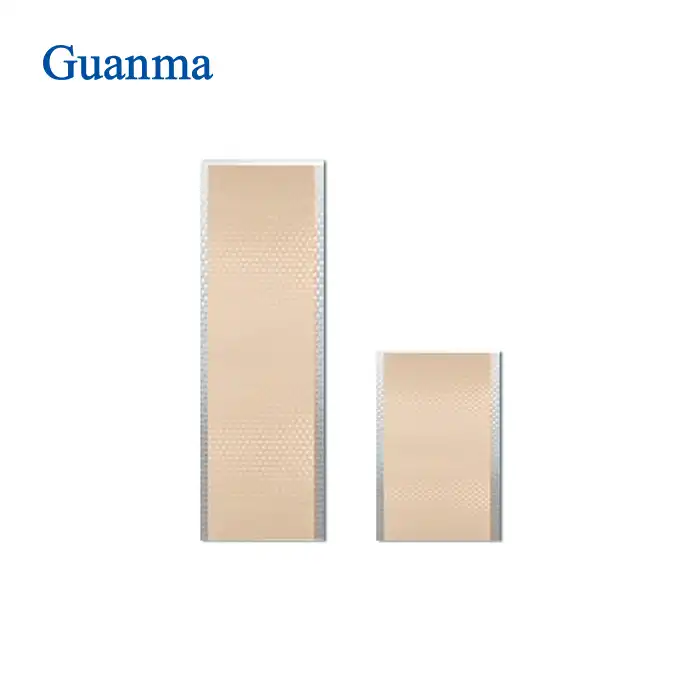
Paper Tape Medical comes in lengths ranging from 0.5 inches to 4 inches, so it can be used for anything from dressings on fingers to covering big abdominal wounds. Individual rolls of tape usually have 10 yards of it, but large dispenser boxes can save money for places that use a lot of tape. For specific uses, some providers also make strips that are already cut, which cuts down on the time needed to get things ready in emergency rooms or operating rooms. When deciding what to buy, procurement managers who are looking at these choices should think about how much storage space they have, how the items will be used across departments, and efforts to reduce waste.
How to Effectively Use Hypoallergenic Medical Paper Tape in Clinical Settings
Proper Skin Preparation Techniques
Preparing the face properly is the first step to successfully applying tape. Cleaning the application site gets rid of oils, sweat, and leftover glue that make bonding harder. Health care workers should use cleaners that are soft and won't irritate the skin, and let them dry completely before putting on tape. People who have a lot of hair may need to be clipped instead of shaved because razor cuts make it easier for discomfort and illness to get in. When dealing with skin that is already damaged, like after radiation treatment or in areas with dermatitis, talking to wound care professionals about other ways to secure the area prevents more damage.
Step-by-Step Application Protocol
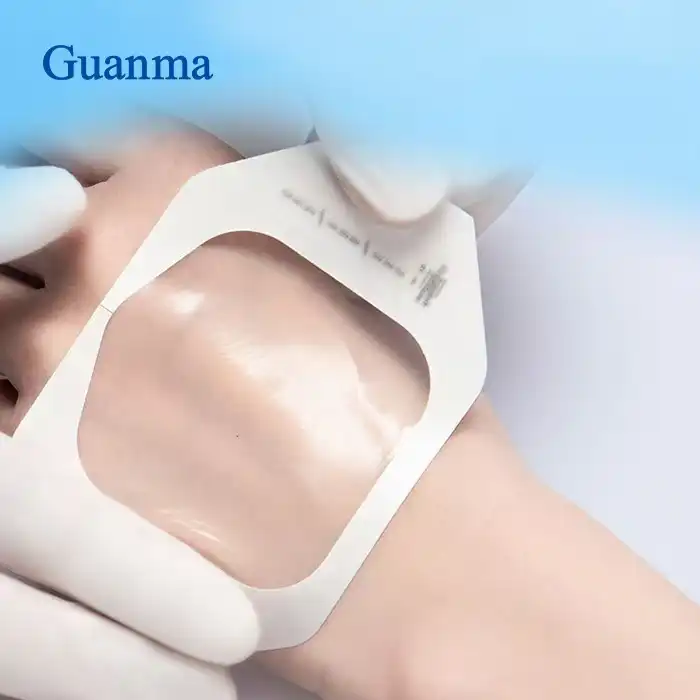
For the best adhesive, you need to do more than just press the tape onto the skin. Cutting the tape to the right length before going near the patient keeps you from getting dirty and speeds up the process. Putting the tape in place without pulling it keeps the tension at a good level and lowers the risk of burning from too much pressure. Smoothing the tape from the middle to the ends gets rid of the air holes that make it less sticky and allow contaminants to get in. Putting tape around the edges of important dressings that need the utmost security in a picture-frame design spreads the force out evenly and stops the corners from moving.
Safe Removal Strategies
Taking off Paper Tape Medical needs the same level of care as putting it on in order to protect the skin. Pulling the tape slowly and parallel to the skin's surface instead of opposite to it makes the process less painful and less damaging to the epidermis. Supporting the skin behind the point of removal with light counter-pressure keeps it from moving too much. If the tape won't come off, wetting it with clean water or saline makes the glue less strong so it can be easily removed. Keeping track of any skin reactions that happen after the tape is taken off helps with patient records and helps with choosing tapes in the future for people who are becoming more sensitive.
Procurement Considerations for Hypoallergenic Medical Paper Tape
Essential Certifications and Compliance Standards
When buying healthcare goods around the world, strict legal requirements must be met. The CE mark shows that the product meets the European Medical Device Regulations, and the ISO 13485 mark shows that the company is dedicated to quality control methods that are specific to medical devices. Biocompatibility test results that prove cytotoxicity, sensitization, and irritation tests show that skin contact with goods for a long time is safe. Distributors who work with hospitals in the U.S. should make sure that their sources stay registered with the FDA and follow current Good Manufacturing Practices. These licenses keep facilities safe from lawsuits and make sure that the goods they buy meet safety standards for institutions.
Evaluating Manufacturer Capabilities
Working with skilled Paper Tape Medical makers has benefits that go beyond the quality of the products. Suppliers with strong research and development teams can make adhesives that are specifically designed to solve the health problems your facility has found. When making deals in the supply chain, production capacity is important. Manufacturers with different coating lines lower the risk of backorders when demand goes up. Clear lines of contact and quick-acting computer support teams help solve problems quickly, so clinical operations aren't interrupted too much. When choosing a provider, taking these operational factors into account helps build relationships that support stable long-term buying.
Cost Analysis and Minimum Order Quantities
Even experienced buying workers find it hard to balance the need for quality with limited budgets. Even though luxury hypoallergenic tapes cost more per unit, they may save money in the long run by avoiding skin problems that require more treatments or longer hospital stays. Minimum order quantities (MOQs) change a lot from one maker to the next. Higher MOQs often lead to better prices, but they need to be able to be stored properly and have predictable consumption patterns. To make a good choice, you should look at the total cost of ownership, which includes the costs of buying the product, storing it, getting rid of old products, and improving health outcomes.
Optimizing Clinical Outcomes with Hypoallergenic Medical Paper Tape
Evidence from Clinical Practice
Medical literature constantly shows that hypoallergenic adhesive choices are helpful for people who are more likely to be hurt. Studies with older people in long-term care facilities show that medical adhesive-related skin injuries go down a lot when facilities make gentle paper tape procedures the norm. When pediatric hospitals use paper tape to secure central line bandages, contact dermatitis happens less often than when plastic tape is used. Using breathable paper tapes in wound care procedures after surgery has led to higher patient happiness scores and fewer calls for pain control during dressing changes.
Integration with Comprehensive Wound Care
Hypoallergenic paper tape works best when used as part of a complete plan for wound care. When the right tape is used with moisture-wicking bandages, the best healing conditions are created, which balance security with vapor flow. Setting up standard assessment tools that look at each patient's risk factors, like age, skin condition, drug effects, and past glue reactions, helps clinical staff choose the right ways to secure things. When changing dressings on a regular basis, taking into account how long the tape has been worn, you can keep the wound safe and keep an eye on it clinically.
Innovations Shaping Future Products
To keep up with changing clinical needs, the medical tape business keeps improving hypoallergenic products. Manufacturers are making glue from plastics that come from plants that are both safe for the skin and good for the environment. Micropatterned adhesives that improve airflow lower the contact area while keeping the binding power. Color-changing signs that let you know when the tape has been on for longer than the recommended time help keep wear periods from going too long. Buying teams that keep an eye on these new ideas set up their facilities to use next-generation solutions that make things better for patients and run more smoothly.
Conclusion
Paper Tape Medical meets important needs in current hospital settings by keeping patients safe while keeping the dressing secure, which is necessary for effective treatment. Because it is made to breathe, has gentle adhesives, and has been shown to be biocompatible, it is an essential tool in many medical fields. To build reliable supply chains, procurement workers who choose these goods must look at certifications, the supplier's skills, and the total cost. Hypoallergenic paper tape greatly reduces skin problems and improves patient comfort when used properly and as part of complete wound care routines. As manufacturing improvements keep making this important medical product better in terms of performance and sustainability, it will stay a key part of providing high-quality patient care.
FAQ
Does Hypoallergenic Paper Tape Resist Water Exposure?
Paper Tape Medical is not made to be waterproof. The thin paper backing soaks up water, which breaks down the glue and could make the wound site dirty. Patients who need to shower or get wound care that involves getting wet need waterproof, clear film bandages or plastic-based tapes that are made to work in water. In some medical cases, paper tape needs to be covered with extra waterproof barriers while bathing. These barriers should be taken off right away to allow the tape to breathe again.
How Long Can Paper Tape Safely Remain on Skin?
The recommended wear time depends on the type of skin, the strength of the glue, and the professional use. As a general rule, paper tape should be changed when the wound treatment is changed, which is usually every 24 to 48 hours for fresh cuts. Patients with weak skin may need to be changed more often to keep glue from building up and irritating their skin. Even with flexible goods, wearing them for more than 72 hours raises the risk of adhesive residue buildup and skin maceration.
Can Allergic Reactions Occur Despite Hypoallergenic Claims?
Even though hypoallergenic versions greatly lower the chance of sensitization, some people may still have problems. Some people get contact dermatitis from certain chemicals in adhesives, even ones that are advertised as being gentle. Facilities should have other ways to keep patients safe who are showing behaviors, and these should be written down in medical records so that future decisions about care can be made across the healthcare system.
Partner with Guanma Medical: Your Trusted Paper Tape Medical Manufacturer
Healthcare leaders looking for soft Paper Tape Medical products they can trust will find a reliable partner in Guanma Medical. We have been making specialized products for more than 30 years and offer medical sticky tapes that are CE and ISO 13485 approved and have passed thorough biocompatibility testing. Our cutting-edge pressure-sensitive sticky covering technology lets you change the strength of the adhesive, the size of the tape, and the way the packages are put together to exactly meet your needs. We offer flexible OEM/ODM services to global brand owners, wholesalers, pharmacies, and hospitals. These services include private label choices that help you stand out in the market.
Our helpful expert team is available 24 hours a day, seven days a week, to answer questions about formulation, legal requirements, and application advice. We make it easy for you to talk to us throughout the relationship process, whether you need to look over an example, a catalog, or advice on how to add paper tape to your supply chain. Because Guanma Medical is dedicated to putting quality first and providing reliable products, we are the best choice for you when you need medical adhesive tapes that improve patient safety and clinical results. Get in touch with us right away at betty@guanmamedical.com to talk about how our paper tape medical making skills can help you with your buying needs.
References
1. McNichol L, Lund C, Rosen T, Gray M. Medical Adhesives and Patient Safety: State of the Science. Journal of Wound Ostomy and Continence Nursing, 2013.
2. Konya C, Sanada H. Management of Medical Adhesive-Related Skin Injury. Journal of Tissue Viability, 2016.
3. International Organization for Standardization. ISO 10993-1:2018 Biological Evaluation of Medical Devices. Geneva: ISO, 2018.
4. Rippon MG, Davies P, White R. Taking the Trauma Out of Wound Care: The Importance of Undisturbed Healing. Journal of Wound Care, 2012.
5. European Union. Medical Devices Regulation (MDR) 2017/745. Official Journal of the European Union, 2017.
6. Fumarola S, Allaway R, Callaghan R, Perks A, Denyer J. Medical Adhesive-Related Skin Injuries: Practical Guidance for Prevention. British Journal of Nursing, 2020.