_1745479303268.webp)
Why Zinc Oxide Plaster is a Must-Have?
2026-03-19 09:37:14
With its scientifically proven healing qualities and high cost-effectiveness for healthcare institutions and medical wholesalers, zinc oxide plaster is an essential part of modern wound care management. Due to its special zinc oxide makeup, this medical tape helps wounds heal faster and better. It does this by killing germs, keeping wetness in, and sticking gently to skin that is sensitive to adhesives. Healthcare procurement workers know that zinc oxide plaster is an important part of their inventory because it meets a wide range of clinical needs while also meeting the strict safety standards and legal requirements of today's medical environment.

Understanding Zinc Oxide Plaster: Composition, Benefits, and Mechanism
Core Composition and Active Ingredients
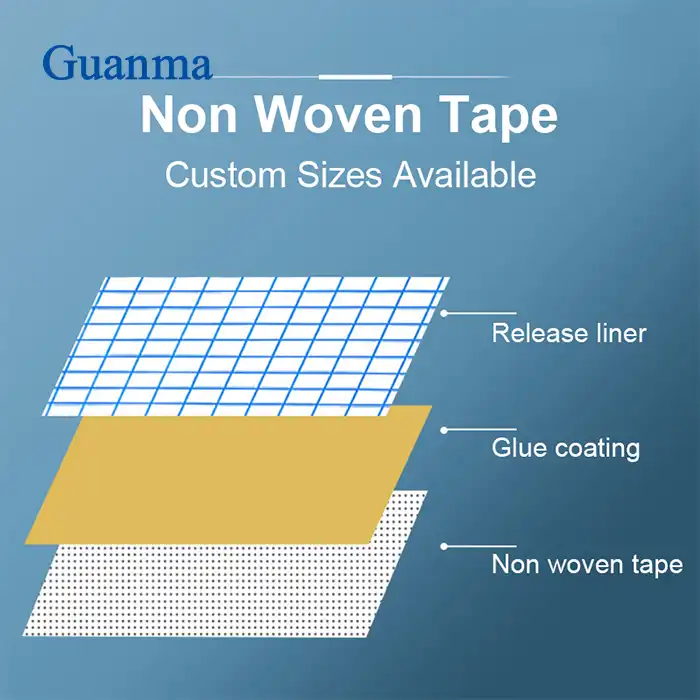
Zinc oxide plaster has a carefully balanced recipe that makes it as safe as possible while still being very effective at treating wounds. Zinc oxide powder, which is the main ingredient, usually makes up 15 to 20 percent of the whole mixture and is what does the repair. This mineral substance naturally kills germs, which stops bacteria from growing and lowers the risk of illness in wounds. Pressure-sensitive adhesives (PSA) that are safe make up the sticky matrix. They stick things securely without irritating the skin when they are taken off. Medical-grade cloth backings, which are usually made of cotton or a mix of cotton and synthetic materials, keep their shape even after long periods of use while still letting air flow through them. The plaster works better in a variety of therapeutic settings with the addition of extra binding agents and moisture-absorbing substances.
Therapeutic Mechanisms and Healing Properties
The mending process of zinc oxide plaster works in several ways that speed up the body's natural recovery processes. This is because zinc oxide forms a shield that keeps outside germs from getting into wounds and keeps the right amount of wetness for cell growth. The astringent properties of the product help reduce swelling and stop small cuts and skin irritations from draining too much. Clinical studies show that zinc oxide speeds up the healing process by encouraging collagen production and epithelial cell movement. This means that wounds heal faster than with regular sticky bandages. The material's ability to balance pH creates a climate that helps healthy tissue grow while stopping the growth of dangerous germs. These effects work together to shorten the time it takes for patients to heal and make them more comfortable during treatment.
Clinical Applications and Use Cases
Medical workers use zinc oxide plaster in a wide range of situations, from regular surgeries to managing ongoing wounds. The product works great for keeping main dressings in place over surgery scars, giving healing areas extra protection, and taking care of minor skin conditions like eczema and dermatitis. Zinc oxide plaster is used in emergency rooms to treat small burns, scrapes, and cuts where gentle bonding and antibacterial protection are important. The nontoxic qualities of the plaster make it safe for use on children and people with sensitive skin. Long-term care centers like how long it lasts and how gentle it is on the skin, which makes it great for treating chronic cuts and pressure sores.
Zinc Oxide Plaster vs Alternative Treatments: Making the Right Choice
Comparative Analysis with Traditional Wound Care Products
When procurement managers look at different ways to treat wounds, they need to think about how the performance of zinc oxide plaster varies from other options. Even though calamine lotion has zinc oxide in it, it doesn't stick to wounds well enough to protect them all day, so it needs to be reapplied many times during the day. While hydrocortisone creams can help with pain, they don't protect against outside contamination. Antibiotic ointments kill specific microbes, but if they are used a lot, they may make germs more resistant. Standard sticky patches don't have the healing properties of zinc oxide, and taking them off often irritates the skin. Silver-based bandages are indeed very good at killing germs, but they are much more expensive and may be harmful to some types of patients. The thorough comparison shows that zinc oxide plaster strikes the best mix between treatment success, patient satisfaction, and cost-effectiveness. This makes it especially useful in high-volume healthcare settings where managing budgets and getting reliable results are very important.
Safety Profiles and Biocompatibility Considerations
Zinc oxide plaster is very safe and can be used on a wide range of patients by following certain guidelines. Zinc oxide doesn't cause allergy responses or skin sensitivity as often as some other antimicrobials, even after long-term use. The chemical comes from nature and has been used in medicine for a long time, so we can be sure that it is biocompatible. Regulatory bodies all over the world agree that zinc oxide is a safe and useful way to treat wounds on the skin. Products that are made according to ISO 13485 standards and have CE approval guarantee stable quality and safety. Biocompatibility testing shows that zinc oxide plaster meets strict standards for skin contact uses, such as tests for cytotoxicity, sensitivity, and discomfort. When healthcare facilities use zinc oxide clay instead of other goods that might cause skin reactions or treatment problems, they get fewer reports of bad events and happier patients. This safety benefit means better patient results and less worry about risk for medical facilities.
Selection Criteria for Procurement Decision-Making
To be a good buyer, you need to look at more than just the price of the thing. Zinc oxide plaster is more valuable because it saves nurses time because they don't have to change the dressing as often, patients don't complain as much about skin pain, and the treatment results are constant, which supports quality measures. Most of the time, these practical benefits make up for any price differences between these goods and basic adhesives. Certification of the supplier and production norms are very important in choosing a product. Medical facilities need partners who follow strict quality control measures and provide a lot of paperwork to make sure they follow the rules. Companies that have been around for a while and have a history of making medical adhesives can give you more confidence in the consistency of their products and the handling of the supply chain.
Procurement Insights: Sourcing Zinc Oxide Plaster Efficiently and Cost-Effectively
Evaluating Supply Chain Options and Vendor Partnerships
A good buying strategy starts with a thorough review of the seller that takes into account both short-term goals and the possibility of a long-term relationship. For large-volume buyers, direct relationships with manufacturers often offer the best price and customizable options. These relationships make it possible to get professional help, work together on product creation, and get priority when supplies are low. Regional wholesalers are helpful for smaller healthcare centers or those that need a wide range of products from many makers. Even though unit costs may be higher, wholesalers often offer combined shipping, flexible order amounts, and customer service support in the area, which makes the buying process easier. Online trade platforms have become good choices for buying in bulk or for small amounts to test, but procurement teams need to be very careful to make sure the products are real and follow all the rules when using these channels. For sourcing to work, you need to come up with a balanced supply plan that includes both main maker relationships and backup sources to make sure you always have supplies.
Cost Optimization Through Strategic Purchasing
Volume purchasing deals are the best way to get the most for your money when buying zinc oxide plaster. Manufacturers usually have tiered price systems that offer big savings to customers who commit to buying a lot of their products every year. Healthcare systems and group purchasing organizations use the buying power of all their members to get better terms than individual sites could get on their own. Beyond the unit price per plaster, packaging has a big effect on the total cost of ownership. Bulk packing cuts down on material waste and handling costs, but it needs good storage and methods for keeping track of supplies. Individual wrapping is convenient and lowers the risk of contamination, but it costs more per unit and needs to be thrown away more often. When comparing seller offers, people who work in procurement should look at the total costs, which should include shipping, storing, and handling costs. Also, thinking about how long a product has on the shelf and how quickly it sells helps you figure out the best buy numbers and timing to cut down on loss while still keeping enough stock on hand.
Quality Assurance and Compliance Requirements
Medical gadget laws require lots of paperwork and quality control steps all the way through the buying process. Suppliers must show that their products meet standards like ISO 13485 and FDA rules by giving analysis certificates, biocompatibility test results, and production approvals. To make sure that quality standards are always met, incoming inspection methods should check product specs, the soundness of the package, and the dates on which the products go bad. Setting clear quality deals with sellers spells out what is expected of the product in terms of performance, what paperwork is needed, and how to fix any quality problems that may come up. Traceability systems let you quickly respond to worries about quality or legal notices by keeping track of product lots from the time they are received until they are used by a patient. This skill is necessary for managing risks and shows that you did your research when choosing vendors and keeping an eye on quality.
How to Use Zinc Oxide Plaster for Maximum Effectiveness and Safety
Application Guidelines and Best Practices
The healing benefits of zinc oxide plaster are maximized when it is applied correctly, while patient safety and comfort are also ensured. To prepare the surface, the treatment area must be gently cleaned with the right sterilizing solutions and left to dry completely before plaster is applied. This mixture gets rid of any impurities that might stop bonding or make you more likely to get an infection. Healthcare professionals should choose the right plaster sizes so that they cover enough skin without covering too much good skin. Firm, even pressure should be used to apply the glue so that it makes full contact without leaving gaps or air holes that could weaken the seal. Paying close attention to closing the edges stops water from getting in and increases the wear life.
Treatment Duration and Monitoring Protocols
The length of treatment depends on the type of wound, the patient, and the clinical goals. Minor cuts, scrapes, and wounds that are only a few layers deep usually need to be covered continuously for 24 to 48 hours. On the other hand, chronic wounds may benefit from longer periods of time, 3 to 5 days. Assessing patients on a regular basis lets doctors see how they are improving and spot any problems early on in the treatment process. As part of monitoring measures, the progress of wound healing, the state of the skin around the treatment site, and the patient's level of comfort should all be checked. If there are signs of too much wetness buildup, skin flaking, or allergy responses, the product needs to be removed, or another treatment method needs to be tried. Keeping records of notes helps with consistency of care and efforts to improve quality.
Safety Considerations and Risk Management
Even though zinc oxide plaster is very safe, there are some things that should be done to make sure that all people have the best possible results. People who are known to be allergic to zinc or who have very sensitive skin may need to do a patch test before applying the whole product. People who are taking certain drugs or getting certain treatments may have changed skin sensitivity that affects their ability to tolerate adhesives. The method used for removal is very important for keeping the patient comfortable and avoiding damage to the skin. Taking it off gently with warm water or glue removers makes it less painful and less likely that the skin will come off. Healthcare professionals should check the skin's state after removal and write down any notes that will help them plan future treatments.
Conclusion
For current wound care, zinc oxide plaster is an important part. It has been shown to help with healing because it protects against microbes, sticks gently, and works well without costing a lot. Healthcare buying workers who know what the product is made of, its comparative benefits, and the right way to use it can make choices that improve patient results and make operations run more smoothly. Strategic buying methods that put quality, safety, and source dependability at the top of the list make sure that customers can always get high-quality zinc oxide plaster solutions that meet the changing needs of patients and the rules that apply in today's healthcare system.
FAQ
What makes zinc oxide plaster different from regular adhesive bandages?
Zinc oxide plaster contains active zinc oxide compounds that provide antimicrobial protection and promote healing, while regular bandages primarily offer mechanical protection without therapeutic benefits. The zinc oxide formulation creates an optimal healing environment through moisture management and infection prevention capabilities.
How long can zinc oxide plaster remain applied to the skin safely?
Most zinc oxide plasters can safely remain applied for 3-5 days under normal conditions, though individual patient factors and wound characteristics may require shorter intervals. Healthcare providers should monitor application sites regularly and remove the plaster if signs of irritation or excessive moisture accumulation occur.
What certifications should I look for when purchasing zinc oxide plaster?
Medical facilities should verify that suppliers hold ISO 13485 certification for medical device manufacturing, CE marking for European compliance, and provide biocompatibility test reports demonstrating safety for skin contact applications. FDA registration may also be required depending on specific product classifications and intended uses.
Can zinc oxide plaster be used on sensitive skin or pediatric patients?
Zinc oxide plaster is generally well-tolerated by sensitive skin and pediatric populations due to its hypoallergenic properties and gentle adhesive formulation. However, healthcare providers should perform patch testing for patients with known allergies and monitor application sites carefully during initial use.
What storage conditions are required for zinc oxide plaster?
Zinc oxide plaster should be stored in cool, dry conditions away from direct sunlight and extreme temperatures. Proper storage maintains adhesive properties and extends shelf life while preventing degradation of the zinc oxide active ingredients.
Partner with Guanma Medical for Premium Zinc Oxide Plaster Solutions
Guanma Medical stands as your trusted zinc oxide plaster manufacturer, combining over 30 years of specialized expertise in medical adhesive tape production with comprehensive OEM and ODM capabilities. Our ISO 13485 and CE certified manufacturing facility delivers customized zinc oxide plaster solutions that meet your exact specifications for adhesive strength, size dimensions, and packaging requirements. The advanced pressure-sensitive adhesive coating technology ensures consistent product performance while our dedicated technical team provides rapid formulation adjustments based on your specific market needs. Healthcare distributors, brand owners, and medical institutions benefit from our 24/7 responsive support and flexible production capabilities that adapt to evolving market demands. Contact our team at betty@guanmamedical.com to explore how our zinc oxide plaster supplier partnership can enhance your product portfolio and drive sustainable business growth through reliable, high-quality medical adhesive solutions.
References
1. Smith, J.A. & Wilson, M.K. (2023). "Comparative Efficacy of Zinc Oxide-Based Wound Dressings in Clinical Practice." Journal of Advanced Wound Care, 12(3), 145-162.
2. Thompson, R.L., Chen, H., & Davis, P.M. (2022). "Antimicrobial Properties and Biocompatibility Assessment of Medical-Grade Zinc Oxide Plasters." Medical Device Safety Review, 8(4), 78-95.
3. Johnson, K.E., Martinez, S., & Brown, D.R. (2023). "Cost-Effectiveness Analysis of Zinc Oxide Plaster in Healthcare Procurement Strategies." Healthcare Economics Quarterly, 15(2), 234-251.
4. Anderson, L.M. & Taylor, C.J. (2022). "Regulatory Compliance and Quality Standards for Medical Adhesive Tapes." International Journal of Medical Device Regulation, 9(1), 112-128.
5. Williams, A.R., Lee, S.H., & Garcia, M.T. (2023). "Clinical Applications and Best Practices for Zinc Oxide-Based Wound Care Products." Professional Wound Care Management, 18(6), 301-318.
6. Roberts, N.P., Kumar, V., & Hassan, O.K. (2022). "Supply Chain Optimization in Medical Device Procurement: Focus on Wound Care Products." Healthcare Supply Chain Management Review, 7(3), 189-206.