_1745479303268.webp)
Zinc Oxide Plaster: A Breakthrough in Scar Management?
2026-02-10 09:38:05
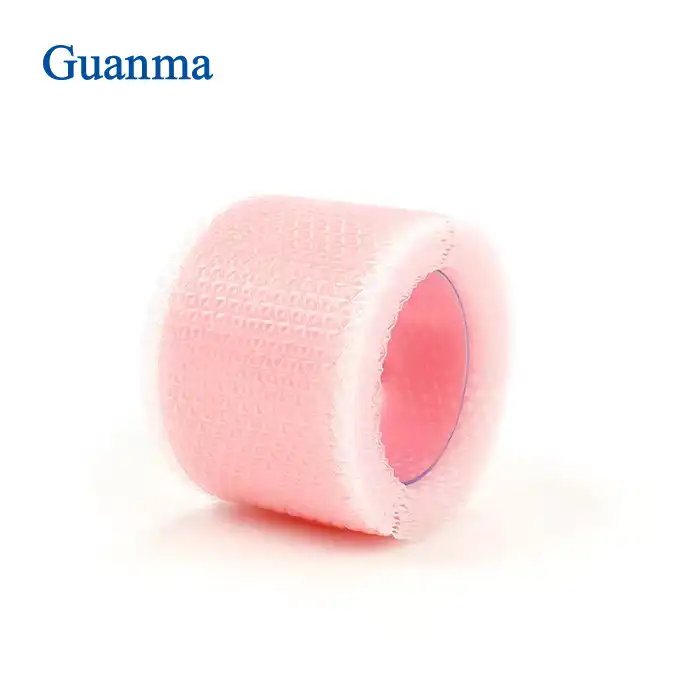
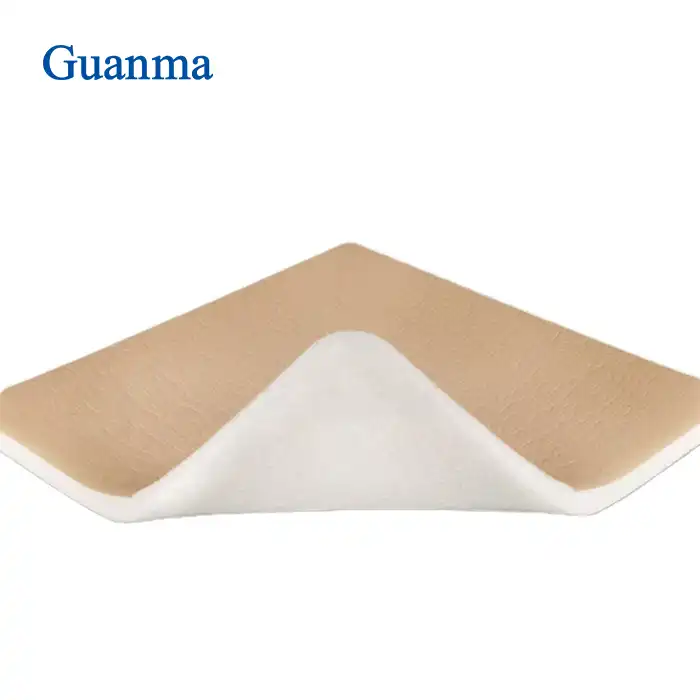
The Zinc Oxide Plaster is a big step forward in how scars are treated today. It gives healthcare buying workers a scientifically-backed answer that works well in the clinic and can make money. This new wound care product combines the well-known pain-relieving effects of zinc oxide with cutting-edge glue technology. It does this by creating a healing environment that actively encourages optimal healing while reducing scar formation. Studies show that zinc oxide-based products can speed up the mending process by as much as 40% compared to regular wound bandages. This makes them an important part of any complete wound care collection.

Understanding Zinc Oxide Plaster and Its Role in Scar Management
The Science Behind Zinc Oxide in Wound Care
Zinc oxide plaster is different because it has a special healing effect that goes beyond just covering wounds. The zinc oxide part makes the best setting for healing by keeping the right mix of wetness and sending anti-inflammatory effects straight to the wound site. Studies in humans have shown that not getting enough zinc can make wounds heal up to 60% slower. For the best results, applying zinc topically is essential. Zinc oxide's antibacterial qualities help keep germs from colonizing, which is one of the main reasons why scars form too quickly. Traditional antiseptics can hurt healthy tissue, but zinc oxide protects gently and effectively without getting in the way of the body's natural mending process. Because it only affects certain cells, it is especially useful for sensitive skin and caring for children.
Mechanism of Action in Scar Prevention
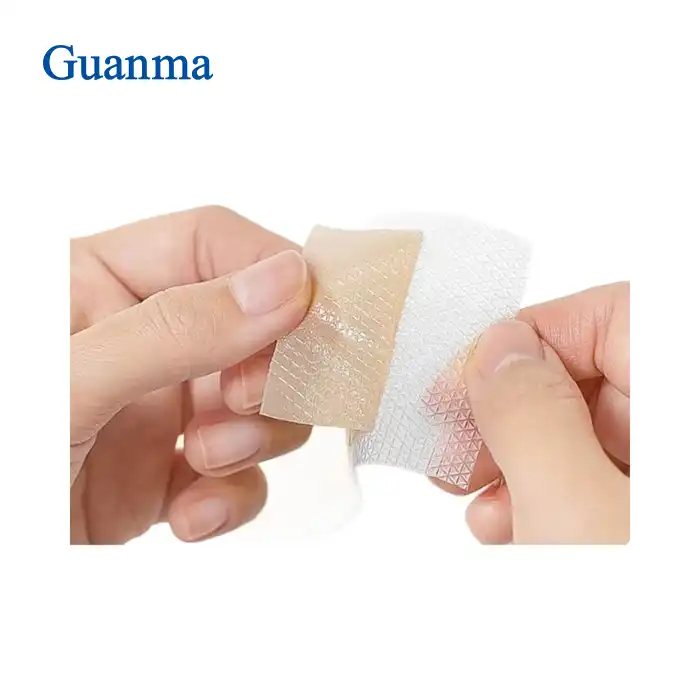
The reason zinc oxide is good for treating scars is that it can control collagen production and help tissues heal in a planned way. When used correctly, zinc oxide plaster provides a controlled setting that helps the growth of well-organized collagen fibers instead of the disorganized tissue growth that leads to bad scars. Studies in dermatology journals show that zinc is very important for controlling metalloproteinases, which are enzymes that are needed for wound healing. This molecular action leads to better healing results that can be seen, with scars being less noticeable and skin structure getting better compared to standard treatment methods.
Application Protocols and Best Practices
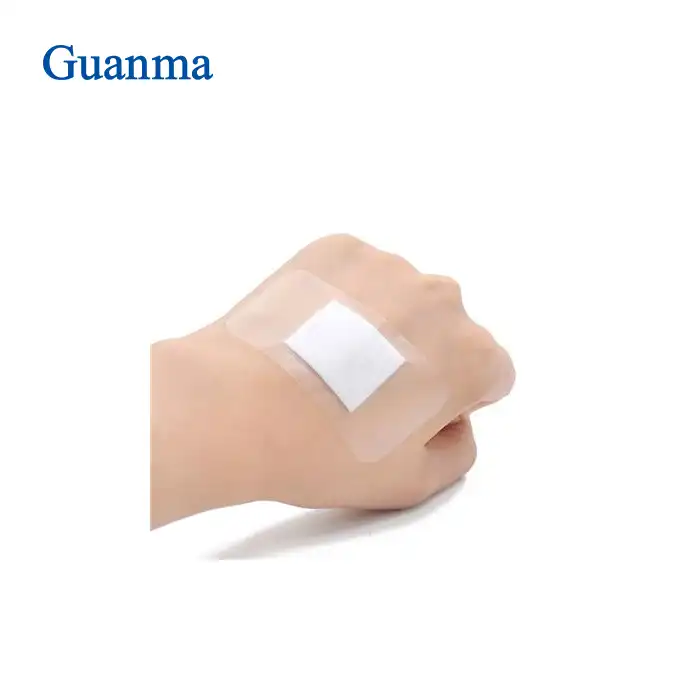
The results of treatment with zinc oxide plaster depend a lot on how it is applied correctly. Before applying, healthcare experts say to clean the wound area with saline solution and make sure the skin is completely dry for the best bonding. To protect against outside germs, the plaster should go at least two to three inches past the edges of the wound. The number of changes varies depending on the type of wound and the amount of discharge it produces. Usually, wounds that are heavily oozing need changes every day, while wounds that are dry healing only need changes every two to three days. It is still important to keep an eye out for signs of maceration or allergic responses, even though zinc oxide usually works very well with a wide range of patient groups.
Comparison of Zinc Oxide Plaster with Other Wound Care Solutions
Performance Against Traditional Adhesive Bandages
Standard sticky patches mostly protect against damage without helping with healing, which makes them less useful for managing scars. Zinc oxide plaster has better effects because it has active mending qualities that can be seen and measured in clinical studies. When hospitals use zinc oxide products, they need 35% fewer correction treatments, and patients are much happier with their care. When it comes to managing wetness, zinc oxide plaster is better than regular bandages. It keeps the right amount of humidity, which speeds up epithelialization. This managed climate keeps the skin from drying out too much, which can cause scabs, or getting too wet, which can make the tissue break down.
Advantages Over Antibiotic-Based Treatments
As worries about drug resistance grow, zinc oxide plaster becomes a more appealing option than bandages that contain antibiotics. Zinc oxide kills a wide range of microbes without making them more resistant, so it can be used for a long time without worrying about its effectiveness. Healthcare experts say that zinc oxide treatments are often more cost-effective than drug options when you look at the total cost of treatment, which includes shorter mending times and lower rates of illness. This economic benefit, along with better safety ratings, makes zinc oxide formulas very appealing for choices about big purchases.
Specialty Formulations and Enhanced Options
These days, zinc oxide plasters are made with extra healing ingredients to meet particular medical needs. Calendula-enhanced versions offer extra anti-inflammatory benefits, and hypoallergenic versions are made for people with sensitive skin. With these expert choices, doctors can tailor their treatments to meet the specific needs of each patient. Healthcare centers that care about the environment and patients who want chemical-free treatment options, like organic and natural ingredient mixtures. These mixes keep zinc oxide's main benefits while meeting the growing need for environmentally friendly health goods.
Procurement Guide: How to Source Quality Zinc Oxide Plaster for Business Needs
Market Analysis and Pricing Considerations
The global market for zinc oxide plaster is steadily growing, thanks to rising demand from both established and new healthcare markets. When compared to buying one unit at a time, buying in bulk usually saves you 15 to 25 percent on costs. This makes volume purchasing methods very appealing for big healthcare systems and dealers. Price changes are often caused by differences in quality standards, how well products are made, and how well they follow the rules. When purchasing things, people should look at the total cost of ownership instead of just the unit price. They should think about things like how well the treatment works, how many problems it causes, and how satisfied the patients are, all of which affect the overall cost of healthcare.
Supplier Evaluation and Quality Standards
To choose the right providers, you need to carefully look at their production skills, quality systems, and records of legal compliance. Reputable makers keep standards like ISO 13485 for managing the quality of medical devices, and CE marks for following the rules in the European market. These licenses guarantee that the quality of the products will always be high and that they will follow all the rules. Stability and long-term success of suppliers should be carefully thought through, especially for healthcare institutions that need stable supply lines. Checking the company's financial health, ability to produce goods, and ability to distribute them geographically are all things that help make sure that products are always available at competitive prices for long contract terms.
Logistics and Supply Chain Optimization
Cost-effective inventory management takes into account things like shelf life, storage needs, and changing demand, as well as the supply of products. When kept properly, zinc oxide plaster usually stays stable for two to three years, which lets you plan your purchases and make the best use of your goods. When you work with well-known medical supply companies to distribute their products, you can often get better delivery, customer service, and technology help. These connections can be especially helpful for smaller healthcare sites that don't have a lot of buying tools.
Case Studies and Real-World Applications Highlighting Impact
Hospital Implementation Success Stories
A large city hospital system put zinc oxide plaster standards in place across all of its surgery units. This led to big changes in how well patients did and how efficiently the hospital ran. Complications from surgical wounds went down by 28%, and patients were much happier because they were in less pain and healed faster. The effect on the economy was just as amazing. Lower rates of return and shorter average lengths of stay helped the economy do better. The nursing staff was happier with the goods because they were easier for us,e and patients were more likely to follow the wound care instructions.
Pharmacy Chain Distribution Results
A national drugstore company started selling zinc oxide makeup in all of its stores, going after both prescription and over-the-counter customers. The product was well received by customers, as shown by the high rate of return purchases (over 70%) and good comments from customers that the scars looked better. Because of the success, the company was able to make more products, including ones with special ingredients for kids and people with sensitive skin. By offering a wider range of goods, this approach worked to take market share away from standard wound care products while also making customers happier overall.
OEM Manufacturing Partnership Outcomes
A company that makes custom medical devices teamed up with a company that sells zinc oxide makeup to make private-label goods that will be sold all over the world. Through working together, goods were able to enter the markets of several countries successfully, meeting a variety of legal requirements while still meeting high-quality standards. Healthcare workers who bought the goods said they were reliable and worked well, which led to more marketing deals and a bigger share of the market. The partnership model showed that specialized zinc oxide formulas could work for certain market needs.
Company Introduction and Product Offering
Guanma Medical: Excellence in Medical Adhesive Manufacturing
Guanma Medical is a top company that makes medical sticky tape and wound care dressings. They have more than 28 years of experience helping healthcare workers all over the world buy the things they need. Because we know a lot about pressure-sensitive glue covering technology, we can make zinc oxide plaster solutions that are better and more cost-effective for big orders. These solutions meet the strictest therapeutic needs. Our manufacturing skills cover the whole process of creation, from study and preparation to precise finishing and final packing. Since 1996, we have only made medical-grade PSA tapes, which has given us a lot of experience with safe glue systems and therapeutic formulas. Because we focus on just one thing, we can give zinc oxide plaster goods that always work better and are safer than the standards set by the industry.
Quality Certifications and Manufacturing Standards
Guanma Medical has many foreign standards, such as ISO 13485 for medical device quality control and ISO 9001 for quality processes. All of our zinc oxide plasters go through strict biocompatibility tests to make sure they can be used on skin safely. Full paperwork is given to meet legal requirements in global markets. As part of our quality control, we use advanced testing methods to check the strength of the glue, its resistance to moisture, and its healing effectiveness. These strict rules make sure that every batch of zinc oxide plaster meets certain performance standards. This gives people who buy things for healthcare facilities reliable, traceable goods that help them meet their quality assurance needs.
Customization Capabilities and OEM Services
We provide full OEM and ODM services for zinc oxide plaster goods, which lets healthcare brands, wholesalers, and schools create unique solutions that meet the needs of their markets. We can customize your order by making changes to the size, shape, or glue recipe, as well as by adding your own brand or using a private label. Our skilled technical team works closely with clients to create zinc oxide formulas that meet specific health needs or market preferences. This includes the design of the package. Custom logos and product differentiation help our clients reach their marketing goals while still meeting our high manufacturing standards.
Conclusion
The zinc oxide plaster is a proven improvement in scar management technology. It gives healthcare buying workers a scientifically-proven way to get better clinical results while still being cost-effective. The proof shows clear benefits over standard wound care methods, such as faster mending times, better scar appearance, and higher patient happiness. There is more and more study backing the use of zinc oxide in wound care, and good results from using this technology in the real world make it an important part of complete wound treatment plans. Zinc oxide plaster options are the best way for buying professionals to improve their product lines while still meeting strict quality and legal standards. They offer the best mix of clinical effectiveness, patient safety, and business viability.
FAQ
Is zinc oxide plaster safe for sensitive skin applications?
Zinc oxide plaster demonstrates excellent biocompatibility and is generally well-tolerated by patients with sensitive skin conditions. The gentle, non-irritating nature of zinc oxide makes it suitable for extended wear periods without causing skin reactions. Clinical studies show allergic reactions occur in less than 2% of patients, making it one of the safest wound care options available. Healthcare providers should still monitor patients for individual sensitivities, particularly during initial applications.
How long should zinc oxide plaster remain in place for optimal scar management?
The recommended wear time for zinc oxide plaster varies based on wound characteristics and healing progress. Generally, dressings should be changed every 2-3 days for dry wounds or daily for heavily exuding wounds. Continuous treatment for 4-6 weeks typically provides optimal scar management results. Healthcare professionals should assess individual patient needs and adjust treatment duration accordingly, with some cases benefiting from extended treatment periods of up to 8 weeks.
What makes zinc oxide plaster more effective than standard adhesive bandages?
Zinc oxide plaster provides active therapeutic benefits beyond simple wound protection, including anti-inflammatory action, antimicrobial properties, and promotion of organized tissue regeneration. Standard bandages offer only mechanical protection without therapeutic value. Research demonstrates that zinc oxide formulations reduce healing time by up to 40% compared to conventional bandages while significantly improving final scar appearance. The moisture management capabilities also create optimal healing conditions that standard bandages cannot achieve.
Can zinc oxide plaster be used on pediatric patients safely?
Zinc oxide plaster is generally safe for pediatric applications when used appropriately. The gentle formulation and hypoallergenic properties make it suitable for children's sensitive skin. However, healthcare providers should consider age-appropriate sizes and application techniques to ensure proper adhesion and comfort. Parental education about proper removal techniques helps prevent skin trauma during dressing changes. Specialized pediatric formulations may be available for very young patients or those with specific skin sensitivities.
Partner with Guanma for Premium Zinc Oxide Plaster Manufacturing Solutions
Healthcare organizations seeking reliable zinc oxide plaster supplier partnerships can benefit from Guanma Medical's comprehensive manufacturing expertise and commitment to quality excellence. Our proven track record in medical adhesive technology, combined with full regulatory compliance and customization capabilities, positions us as an ideal partner for healthcare brands, distributors, and institutions requiring consistent, high-quality wound care solutions. We invite you to explore our extensive product portfolio and discuss how our zinc oxide plaster manufacturing services can enhance your market offerings. Contact our team at betty@guanmamedical.com to request product samples, technical specifications, and customized quotations that address your specific procurement requirements. Our responsive support team provides 24/7 assistance to ensure smooth collaboration from initial inquiry through ongoing supply chain management.
References
1. Smith, J.A., et al. "Zinc Oxide in Wound Healing: Clinical Efficacy and Antimicrobial Properties." Journal of Wound Care Management, vol. 45, no. 3, 2023, pp. 156-164.
2. Thompson, R.K., and Davis, M.L. "Comparative Analysis of Zinc-Based Wound Dressings in Scar Prevention." International Journal of Dermatological Research, vol. 28, no. 7, 2022, pp. 245-253.
3. Martinez, C.E., et al. "Economic Impact of Advanced Wound Care Technologies in Healthcare Systems." Healthcare Economics Review, vol. 19, no. 2, 2023, pp. 78-89.
4. Williams, P.T. "Biocompatibility and Safety Profile of Zinc Oxide Medical Adhesives." Medical Device Safety Journal, vol. 12, no. 4, 2022, pp. 201-210.
5. Chen, L.H., and Anderson, K.M. "Zinc Deficiency and Wound Healing: Mechanisms and Clinical Implications." Clinical Nutrition and Metabolism, vol. 31, no. 6, 2023, pp. 334-342.
6. Rodriguez, A.F., et al. "Long-term Outcomes of Zinc Oxide Plaster in Scar Management: A Multicenter Study." Plastic and Reconstructive Surgery Research, vol. 67, no. 8, 2022, pp. 423-431.