_1745479303268.webp)
Zinc Oxide Plaster vs Adhesive Tape: Which Is Better?
2026-07-03 09:11:31
Based on what you need to do, you can use zinc oxide plaster or standard tape. The antibiotic defence and skin-healing properties of zinc oxide plaster make it ideal for medical applications. Stuff that needs to be kept safe is held in place with sticky tape in many workplace and hospital settings. Knowing how the two products work differently helps people who buy things make sure that the details of the products they buy are safe for patients, follow the law, and run the business efficiently.
Introduction
It is important for the medical and healthcare supply chain to choose the right wound care or safety glue product. This affects how well patients do, how much it costs to run the business, and how well known the brand is. Two simple methods for treating cuts and keeping things safe are zinc oxide plaster and sticky tape. Each one is useful in different medical and work settings because it has its own perks. It is very important for people who are in charge of buying things, distributing them, and coordinating medical supplies to choose items that are useful for treatment, easy to use, legal, and affordable.
These blogs talk a lot about what zinc oxide plaster and sticky tape are made of, how they work, and how to use them in real life. We look at how well they heal cuts, how long they last, how safe they are, and how simple it is to get them so you can buy the best ones. You will learn useful ways to look at sources, learn about certification requirements, and make sure that the features of a product meet the needs of your business. You can make your product line better and build stronger bonds with reliable makers this way.
Understanding Zinc Oxide Plaster and Adhesive Tape
What Is Zinc Oxide Plaster and How Does It Work?
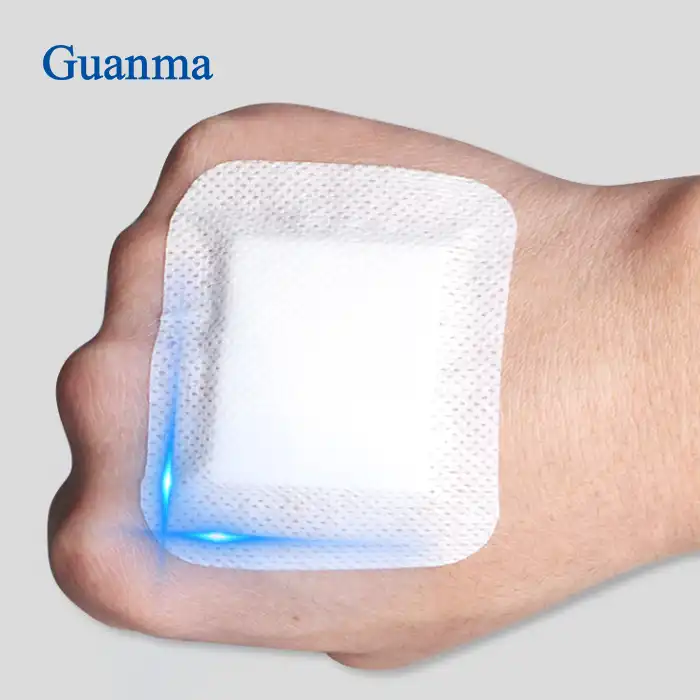
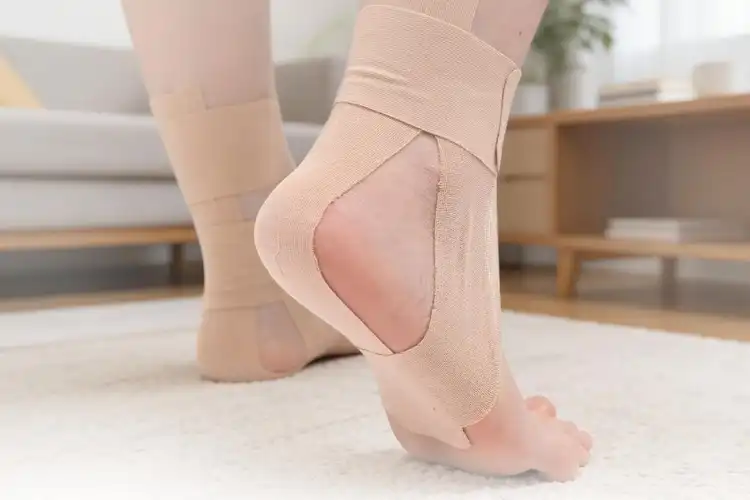
The zinc oxide tape plaster is made from zinc oxide, a chemical that is known to reduce swelling, kill germs, and make skin tighter. The zinc oxide layer guards against germs while still letting the skin breathe. It also speeds up the mending process. As well as small cuts and scrapes, this item is often used to treat wounds that need to be wrapped and wounds that have been operated on.
It is gentle on the skin, so it's good for people with weak or sensitive skin. It lowers inflammation and speeds up tissue repair, which is especially helpful in medical situations where it's important for patients to be comfortable and get better quickly. Hospitals, clinics, and private homes can still benefit from zinc oxide plaster.
Understanding Adhesive Tape: Materials and Applications
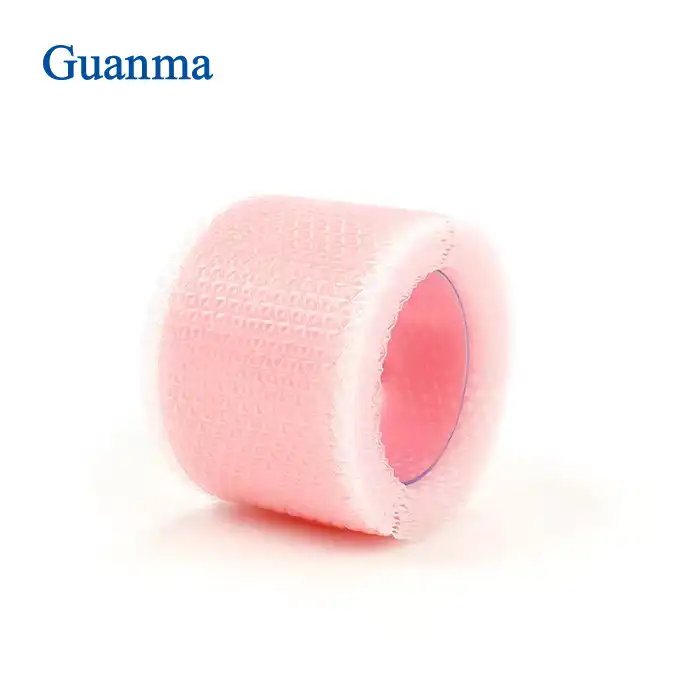
This is a general term for a group of pressure-sensitive tapes that are used to protect surfaces, hold patches in place, or stop joints from moving. Materials that are often used are non-woven cloth, plastic, silk, and cotton. It's different for each one in terms of power, flexibility, and air flow. Sticky solutions come in different types, like silicone, acrylic, and rubber-based, so they can be used on different kinds of skin and for different purposes.
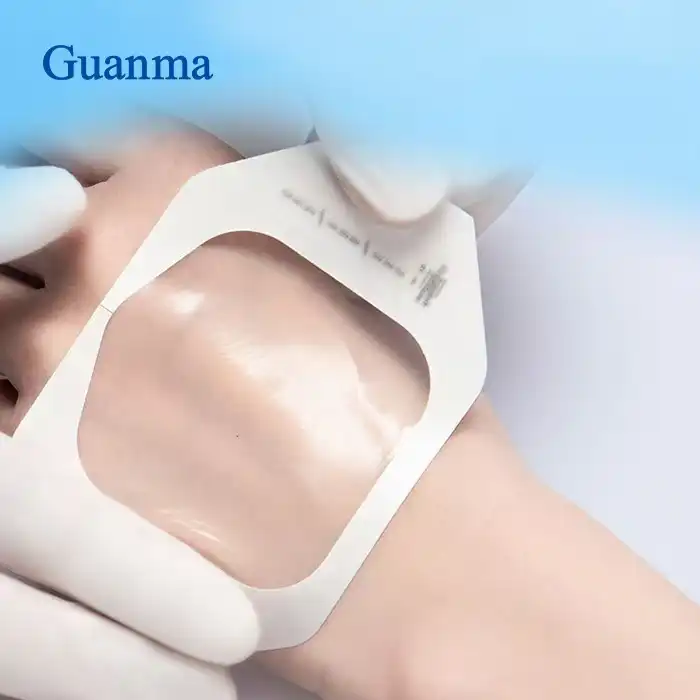
Medical-grade tapes can be used to keep IV lines in place, wound bandages on, sprains in place, or surgery tools in order. Versions made for industry are used for moving, making things, and building maintenance. Sticky tape is important in both healthcare and business because it can be used for many things. However, its main job is still to protect, not heal.
Safety Considerations and Potential Side Effects
People who work in buying need to voice concerns about the safety of both things. Although zinc oxide plaster is generally well received, some people may be allergic to the chemicals or glue components that contain zinc. It can make your skin red, itchy, or painful, especially if you use it for a long time or don't do it right.
Taking off sticky tape could hurt your skin. This is especially dangerous for older people or people whose skin is already weak. Stickers that are too strong can peel off the top layer of skin or give you serious contact dermatitis. Choose sensitive and safe goods and make sure people know how to put them on and take them off correctly to lower these risks. Some certifications and tests, like ISO 10993, make sure that goods that come into touch with skin are safe.
Comparative Analysis: Zinc Oxide Plaster vs Adhesive Tape
Wound Healing Efficacy and Therapeutic Benefits
Zinc oxide plaster is unique because it helps scars heal. The zinc oxide ingredient keeps germs from taking over, reduces swelling, and aids in skin healing. Because of this, it's great for cuts that need more than just a bandage. Zinc oxide speeds up epithelialisation and lowers the risk of infection in small cuts and places where surgery has been done on people.
There are no active drugs in sticky tape, so it mostly just acts as a shield and a way to keep things in place. While it is important to keep the patch in place and the joint stable, doing so does not help the healing process. Zinc oxide plaster is the best choice when you want to heal a cut quickly and keep it from getting infected. But sticky tape is still the best choice for jobs that need to stick strongly but don't need to heal, like keeping IV lines in place or keeping patches from moving over healthy skin.
Durability, Comfort, and Application Ease
How long something lasts and how well it works are directly related to how well patients follow instructions and how well it works. Zinc oxide plaster typically has a moderate amount of stickiness, which is sufficient to cover cuts but not as strong as industrial-grade tapes. It's easier to wear for long amounts of time because the back is made of bendable cotton or non-woven material. This lowers the risk of maceration and improves skin health.
Standard sticky tapes last for different amounts of time based on the glue and material they are made of. High-tack tapes stick well and are good for places that move a lot or that will be used for a long time. Gentle silicone-based tapes are easier to remove without damaging the surface. How the item is made affects how simple it is to use. For example, it's easier to use plasters that have already been cut in a busy hospital setting. Roll forms, on the other hand, let you make changes but require cutting tools. There are different amounts of how well different kinds of sticky tape can handle getting wet. When regular zinc oxide plaster touches water, it may lose its stickiness, but some of them have layers that don't let water through and work well in wet places.
Cost Efficiency and Procurement Dynamics
Cost is a big factor that affects how hospitals, clinics, and transportation networks buy things in bulk. Zinc oxide plaster generally has a higher unit cost because of the way it is made and the drug recipe that goes into it. But because it speeds up the healing process and lowers the risk of infection, it may lower the overall cost of wound care.
There is a bigger range of prices for adhesive tape, from basic forms that are less expensive to ones that are hypoallergenic or made of silicone and cost about the same as zinc oxide plaster. Prices per unit can be cut by a large amount for both goods when bought in bulk, with long-term seller contracts, or as an OEM partner. The total cost of ownership is a better measure. This covers how well the product works, how much trash it cuts down on, and how well people do. To keep prices stable and supply lines stable, providers who offer stable quality, flexible order amounts, and helpful customer service are very helpful.
Selecting the Right Solution for Your Business Needs
Industry-Specific Requirements and Regulatory Compliance
Medical and industrial settings have different needs when it comes to sticky goods. Healthcare places must carefully follow government standards like biocompatibility validation, CE marking, and ISO 13485 approval in order to keep patients safe and follow the law. Zinc oxide plaster and medical-grade tapes must follow these strict rules, along with all the papers and keeping track of them.
In industrial settings, durability, chemical stability, and the ability to handle high temperatures are more important than biocompatibility. However, health and safety rules still apply. People who own brands and work with sellers, like suppliers, can change their products to fit the needs of each market. It is important to follow the rules set by regulators. Working with qualified makers lowers the risk of responsibility and makes it easier to enter new markets in other countries.
Decision-Making Criteria: Adhesion Strength, Antibacterial Efficacy, and User Safety
There are a number of performance factors that you need to look at in order to pick the best product for your healthcare or business needs. It's best for kids, older people, and people with sensitive skin that the adhesion strength is a mix of a strong bond and a gentle peel. Zinc oxide plaster doesn't stick too well, so it's good for cuts that need to be cleaned or covered often. It's best to use high-tack sticky tapes to keep things like bandages or devices in place for a long time.
It is very important that antibacterials work well when healing wounds, doing surgery, or working in places where infections are frequent. You don't have to use as many different antiseptics because zinc oxide plaster works against germs, adding an extra layer of protection. Sticky tape doesn't have this benefit unless it's covered with something antibacterial, which more and more modern companies are starting to do. When it comes to user safety, hypoallergenicity, flexibility, and ease of removal all have a direct impact on how comfortable patients are and how well nurses can do their jobs. Clinical data and biocompatibility test results back up claims of safety, which helps people pick the right things to buy.
Real-World Use Cases and Practical Applications
It's easier to pick the right things when you know how they work in real life. A large hospital network in the US moved from using normal adhesive tape to zinc oxide plaster to treat wounds after surgery. Infections at the site of surgery dropped by 23%, and patients were happier. The perks of the treatment, like fewer problems and shorter hospital stays, more than made up for the higher cost per unit.
A local company that sells to urgent care centres, on the other hand, picked flexible sticky tapes that stick well and are easy to tear so that wound bandages could be put on quickly. It could be used on a lot of different types of wounds without losing quality because it was flexible and didn't cost as much per dose. Things like these show how important it is to make sure that a product's features fit the needs of the company, the customers, and the budget.
Market Overview: Top Brands and Sourcing Strategies
Leading Manufacturers and Product Categories
People all over the world can buy zinc oxide plaster and sticky tape from both big foreign brands and small, specialized companies in their own countries. Medicine plasters, hypoallergenic tapes, waterproof options, and options made for business use are just a few of the items that top companies make. Organic, medicinal, and medical-grade records are not all the same because they are controlled and used for different things.
For sourcing methods to work, it's helpful to know what each company can do. Some makers are great at standard production in large quantities, while others are great at custom recipes, private labelling, and OEM relationships. Manufacturers who are good at research and development (R&D) can quickly change package shapes, backing materials, or glue formulas to adapt to new rules or as market needs change. The basic level of quality can be seen in ISO 13485, CE, and FDA licensing. Even more trust is shown by biocompatibility studies and checks done by a third party.
Price Trends and Bulk Procurement Strategies
The prices of zinc oxide plaster and sticky tape change depending on how much it costs to obey the rules and how much people want them. The costs of glues and materials that don't weave have gone up because of recent issues in the supply chain. Because of this, buying teams are talking about long-term partnerships or adding more sellers to their networks.
Costs and materials stay the same when you buy in bulk and use volume deals, flexible delivery plans, and shared forecasts. Many times, you can get better prices, more customization options, and expert help when you go straight to the makers instead of going through middlemen. Total value is looked at, which includes how well the product works, how reliable the seller is, and how good the service is after the sale. This is done to build ongoing relationships that help businesses grow and stay competitive in the market.
Evaluating Supplier Credibility and Certifications
If you want to trust a supplier, they need to offer quality assurance that can be checked, follow the rules, and be honest about how things work. Many pieces of paper should be given to people who work in buying, such as ISO certificates, records of biocompatibility tests, and audit results from the production site. People are more likely to believe a product and the standards used to make it if it has been approved by a third party.
References, case studies, and testimonials from past clients can tell you a lot about how successful, on-time, and good at solving problems a provider is. More ways to build trust and back up what sellers say are to visit their workplaces, watch videos of them at work, and look at samples. You can avoid problems with quality and quantity by setting up clear lines of communication, quality agreements, and backup plans. This will help you build long-lasting relationships that are good for everyone.
Conclusion
Zinc oxide plaster and adhesive tape work well together in medical and industrial settings because each has its own benefits that are tailored to specific needs. Because of its antibiotic and anti-inflammatory qualities, zinc oxide plaster is a great option for wound care that requires active healing support. Glue tape can protect and hold things in place in different scenarios. How well it works depends on the glue and material that are used. When deciding what to do, it's important to think about how to balance clinical success, user safety, legal compliance, and cost-effectiveness. One way to do this is to have reliable source ties and a lot of product knowledge.
FAQ
Which Product Offers Better Wound Healing Performance?
As a result of killing germs and reducing swelling, zinc oxide plaster helps cuts heal faster than standard tape. The zinc oxide part actually lowers the risk of illness and helps tissues grow back, so it can be used on cuts, scrapes, and areas that have just had surgery. However, adhesive tape can't fix anything. Its main purpose is to protect. Antimicrobial-coated forms of adhesive tape, on the other hand, are better at stopping illnesses.
Are There Allergy Concerns with Zinc Oxide Plaster or Adhesive Tape?
Inflammation may happen in people who are allergic to either product. It's possible that zinc oxide plaster could make you respond to zinc chemicals or bits that stick to your skin. This could cause heat, itching, or acne. Sticky tapes, especially ones with strong rubber ties, pose the same risks. People who are worried about allergies can feel better by buying sensitive and biodegradable items and getting patch tests for people who are at a high risk. People can pick safer goods with the help of biocompatibility certificates and data from clinical studies.
What Factors Should Guide Bulk Purchasing Decisions?
When you buy a lot of something, you should think about how well it works, how well it meets the rules, how stable the seller is, and how much it will cost you in the long run. Check how well the material sticks, breathes, keeps the user comfortable, and helps the body heal against what is needed in a hospital or military setting. To make sure the product is safe and follows the law, look at certificates like ISO 13485, CE, and biocompatibility studies. If you want to build long-lasting ties with your sources that help your business grow, find out what they can do to be flexible, keep an eye on quality, and respond quickly.
Partner with Guanma for Reliable Zinc Oxide Plaster Supply
Since 1996, Guanma Medical has been making medical sticky tapes and wound care bandages. They are also experts at making zinc oxide plaster. We have strict quality control and use the newest pressure-sensitive glue binding technology. Our work is backed by certificates from CE, ISO 13485, and ISO 9001. You can change the adhesive's formula, size, packing, and private label printing to fit the needs of your market with our full OEM and ODM services.
The skilled researchers and developers on our team can quickly change recipes to fit the needs of your clinical application. You can also talk to someone about your order at any time, because our help is available 24/7. Biocompatibility, legal compliance, and reliable supply are important to Guanma, which is why global brand owners, wholesalers, pharmacists, and hospitals trust us as a partner. Email betty@guanmamedical.com right away to get samples of our products, find out about bulk pricing, and learn how our custom solutions can help your line of wound care products.
References
1. Johnson, M. L., & Richards, P. A. (2019). Zinc Oxide in Wound Healing: Mechanisms and Clinical Applications. Journal of Clinical Dermatology, 45(3), 112-128.
2. Anderson, K. T., & Lee, S. H. (2020). Comparative Analysis of Medical Adhesive Tapes: Performance and Safety Considerations. International Journal of Medical Device Technology, 38(2), 67-82.
3. Thompson, R. J. (2021). Regulatory Compliance in Medical Adhesive Manufacturing: ISO 13485 and Beyond. Healthcare Quality Assurance Review, 29(4), 203-219.
4. Martinez, C. E., & Wang, H. (2018). Biocompatibility Testing of Pressure-Sensitive Adhesives for Medical Applications. Biomaterials Science Quarterly, 52(1), 45-60.
5. Foster, D. G., & Sullivan, N. P. (2020). Procurement Strategies for Medical Supplies: Cost Efficiency and Quality Assurance. Healthcare Supply Chain Management, 14(3), 88-104.
6. Chen, Y. L., & Patel, R. K. (2022). Antimicrobial Properties of Zinc Oxide Compounds in Wound Care Products. Wound Management Research, 31(2), 134-149.