_1745479303268.webp)
Partial Coated Non Woven Adhesive Roll: 7 Powerful Benefits That Boost Industrial Performance
What Is a Partial Coated Non Woven Adhesive Roll?
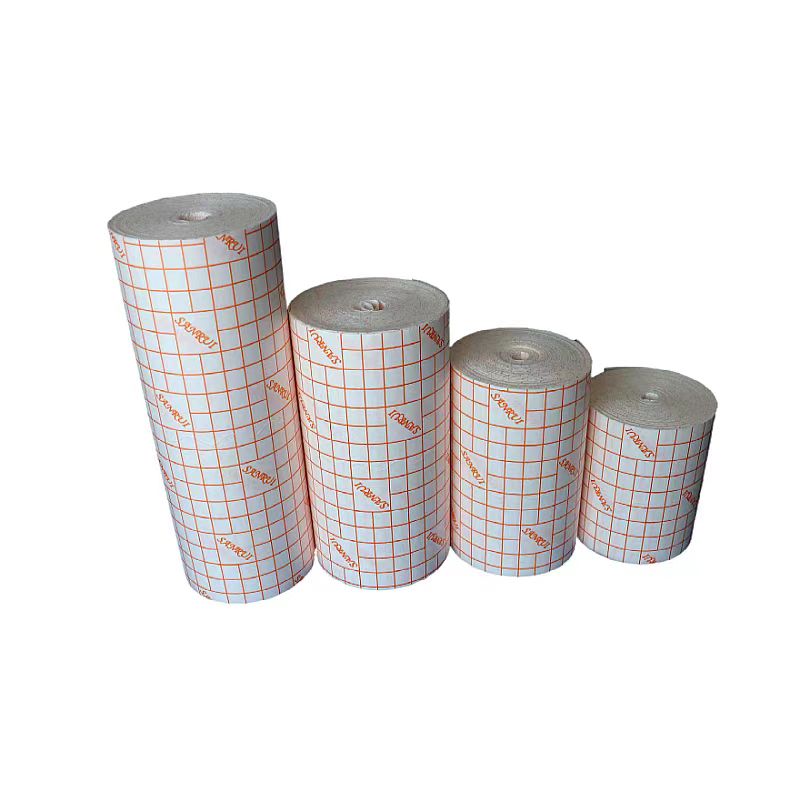
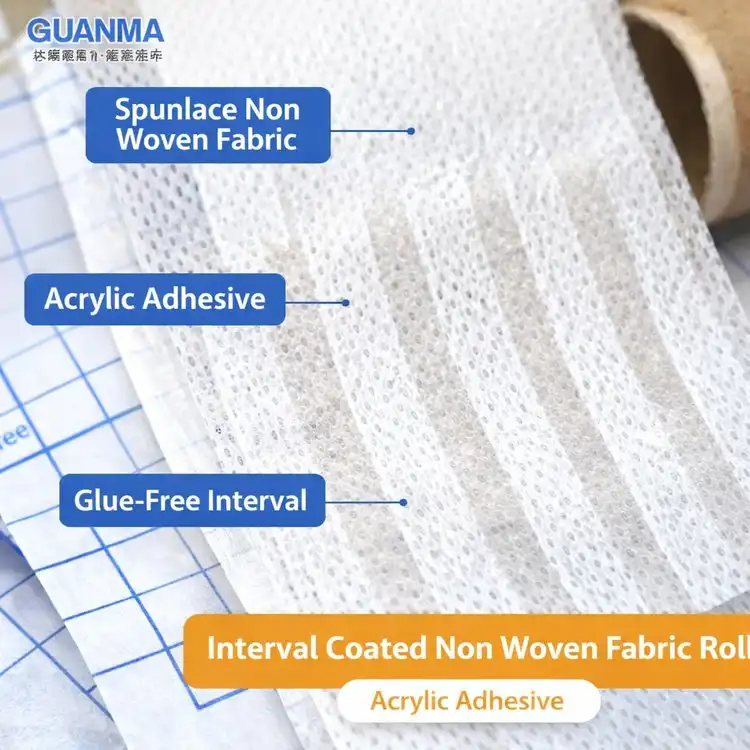
Partially Coated Non-Woven Adhesive Roll is a high-performance adhesive material that utilizes selective coating technology. Unlike traditional fully coated products, it applies adhesive only to specific areas of the non-woven fabric surface, thus maintaining bond strength while preserving the material's breathability and flexibility.
In modern industrial production, Partially Coated Non-Woven Adhesive Roll has become an important material in the medical, hygiene, automotive, construction, and textile industries. It achieves a more efficient, economical, and environmentally friendly production model through "precise adhesive application."
Structure and Material Composition
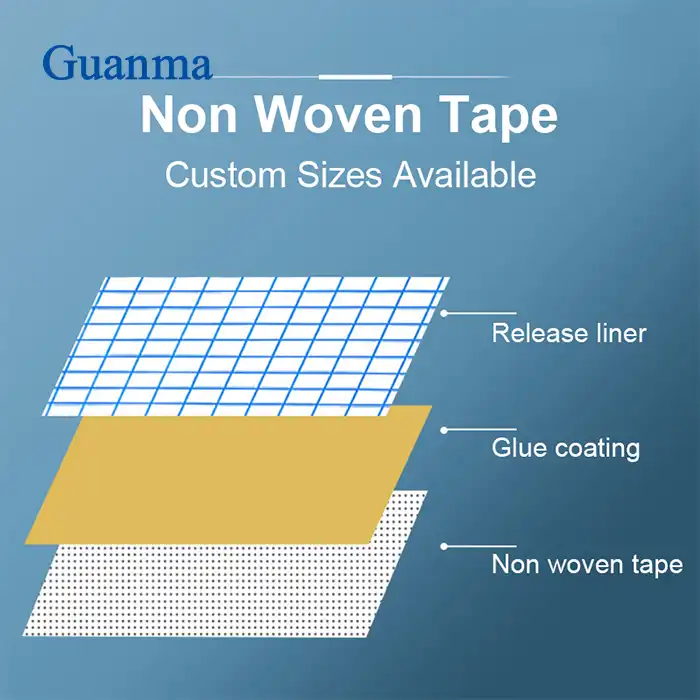
At its core, the product consists of:
A nonwoven fabric base (often polyester, polypropylene, or blended fibers)
A pressure-sensitive or hot melt adhesive layer
A release liner (optional) for easy application
Nonwoven fabrics are created by bonding fibers mechanically, chemically, or thermally rather than weaving them. This makes them lightweight, breathable, and versatile.
How Partial Coating Technology Works
Instead of covering 100% of the surface, adhesive is applied in patterns—dots, stripes, grids, or custom shapes. This pattern-based approach allows manufacturers to:
- Control bonding strength
- Reduce adhesive consumption
- Improve flexibility
- Enhance airflow
The result is smarter material engineering with better overall performance.
Key Features That Make It Stand Out
Advantages of Breathability and Flexibility
Because the adhesive layer does not cover the entire surface, the material still maintains good airflow. This is especially important for products that need to adhere to the skin or be used in insulation structures.
Precise and Controllable Adhesion
Local coating allows for adjustment of adhesive strength according to actual needs, achieving "adhesive only where needed."
Cost Optimization and Material Savings
Reduced adhesive usage directly lowers raw material costs. It also reduces equipment cleaning and waste disposal costs, significantly improving overall production efficiency.
7 Key Advantages of Partial Coated Non-Woven Adhesive Roll
1. Increased Production Efficiency
Local coating design facilitates smoother lamination and bonding processes, reducing the risk of adhesive clogging and improving production line stability.
2. Improved Product Comfort
Breathability and softness are key in hygiene products and medical dressings. Partial Coated Non-Woven Adhesive Roll ensures a comfortable fit and prevents stuffiness.
3. Reduced Material Waste
Precise coating reduces excess adhesive use, enabling refined management.
4. Optimized Airflow and Moisture Management
The breathable structure facilitates moisture removal, enhancing the user experience.
5. Strong yet Flexible Bonding
Through a well-designed pattern, both strong adhesion and material elasticity are ensured.
6. Supports Customized Coating Solutions
Customization is available to meet industry needs:
- Coating Ratio (20%-70%)
- Dispensing Density
- Stripe Spacing
- Adhesive Layer Thickness
7. Contributes to Sustainable Production
Reducing adhesive usage means reducing chemical consumption, aligning with the environmental principles advocated by international standards organizations such as ISO (Reference: https://www.iso.org).
Key Application Industries
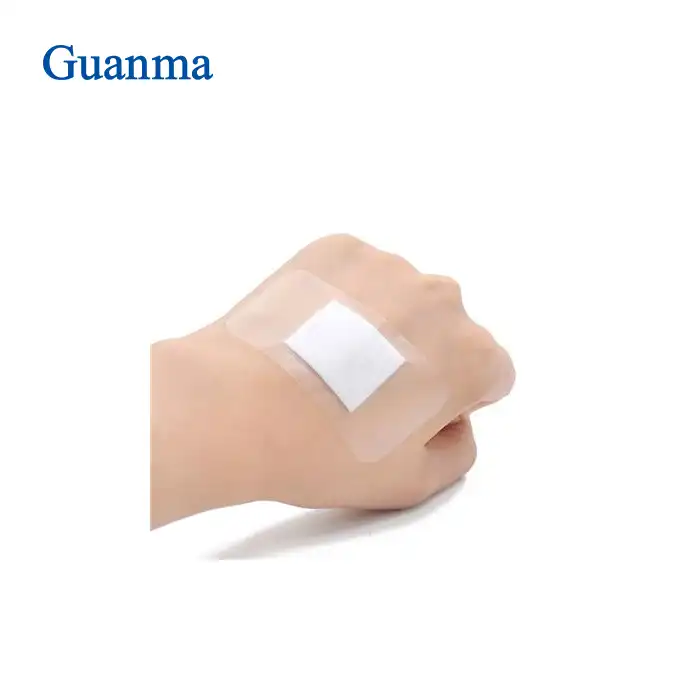
Medical and Hygiene Products: Baby Diapers, Medical Dressings, Surgical Protective Gowns. Breathability and softness are particularly crucial.
Automotive Interior Manufacturing: Headliner Materials, Sound Insulation, Door Panel Structures. Strong adhesion while maintaining lightweight design.
Building and Insulation Materials: In insulation layer lamination, localized adhesive application can improve installation efficiency.
Textiles and Apparel: Used for linings and functional fabric lamination, maintaining the natural feel of the fabric.
Full Coated vs. Partial Coated: What’s the Difference?
| Feature | Full Coated | Partial Coated |
| Adhesive Coverage | 100% surface | Pattern-based |
| Breathability | Limited | High |
| Flexibility | Moderate | Excellent |
| Adhesive Usage | Higher | Lower |
| Cost Efficiency | Moderate | High |
For companies seeking a balance between performance and cost, Partial Coated Non-Woven Adhesive Roll offers a greater advantage.
How to Choose the Right Specification
Selecting the right product specification ensures optimal performance.
Adhesive Type
Common adhesive options include:
- Hot melt adhesive
- Acrylic adhesive
- Rubber-based adhesive
- Silicone adhesive
Each offers different heat resistance and bonding strength.
Coating Percentage
Typical coating ratios range from 20% to 70%. Higher percentages mean stronger bonding but reduced airflow.
Roll Width and Thickness
Custom roll dimensions ensure compatibility with your machinery. Always confirm:
- GSM (grams per square meter)
- Roll length
- Core diameter
Quality Control and Performance Testing
Reliable manufacturers conduct strict testing, including:
- Peel strength testing
- Shear resistance testing
- Temperature stability evaluation
- Aging performance analysis
These tests ensure consistent bonding and long-term durability.
Storage and Handling Best Practices
To maintain adhesive performance: Store in a cool, dry place, Avoid direct sunlight, Keep rolls sealed until use, Maintain recommended temperature (usually 15–25°C). Proper storage extends shelf life and ensures stable performance.
Frequently Asked Questions
1. What industries use partial coated non woven adhesive roll most commonly?
It is widely used in hygiene, medical, automotive, construction, and textile industries.
2. Can coating patterns be customized?
Yes. Manufacturers can tailor adhesive distribution to meet specific bonding requirements.
3. Is it more cost-effective than fully coated adhesive rolls?
In many cases, yes. Reduced adhesive usage lowers material costs while maintaining performance.
4. Does partial coating reduce bonding strength?
Not necessarily. Strategic adhesive placement can deliver equal or even superior structural support.
5. What is the typical shelf life?
Most products have a shelf life of 6–12 months under proper storage conditions.
6. Is it environmentally friendly?
Reduced adhesive use can decrease chemical consumption and waste, supporting sustainable production goals.
Send Inquiry