_1745479303268.webp)
When Does Medical Polyurethane Tape Make Sense?
If you are sourcing medical tape raw materials, chances are you have already worked with non-woven, PE, or even cotton-based tapes. So when manufacturers start looking at medical polyurethane (PU) tape, it is usually not because it sounds more “premium”, but because something is not working well in real use. In many conversations with customers, we often hear similar concerns:
• The tape lifts at the edges after sweating or showering
• Waterproof dressings turn white or wrinkle after several hours
• Fixation tapes feel stiff and uncomfortable on moving body parts
• The product looks medical, but the wearing experience is poor
In most cases, these issues are not caused by adhesive strength alone. They are signs that the base material is no longer suitable for the actual application.
When PU Medical Tape Becomes Hard to Replace
That said, there are situations where PU tape clearly shows its value.
1. When Waterproof Protection Is Needed — Without Blocking the Skin
Many people assume waterproof materials must be completely non-breathable. In medical applications, this often creates new problems. PU medical tape offers water resistance while still allowing moisture vapor transmission, making it suitable for: Dressings used during showering, Patients with heavy perspiration, Long-term wear in humid or warm environments, Instead of sealing the skin, PU helps maintain a more balanced wearing condition.
2. Fixation on High-Movement Areas of the Body
Areas such as the neck, clavicle, elbow, or catheter exit sites require more than just adhesion. The tape must move with the body. PU film is thin, flexible, and conformable, allowing it to follow skin contours more naturally. This reduces pulling sensations and discomfort, especially during prolonged wear. In practice, many end users notice comfort differences more easily than adhesive data on a specification sheet.
3. Products Where Appearance and Professional Feel Matter
For branded medical disposables and device-related accessories, material appearance is part of the product value. PU medical tape provides a clean, smooth, and professional look that is often preferred for: Catheter fixation dressings, Medical device accessories, Private-label OEM medical tapes. This is one reason why PU tape is increasingly used in higher-end medical applications.
From a Manufacturing Perspective: What Really Matters in PU Jumbo Rolls
In real production, customers rarely ask whether PU tape is “good” in theory. Instead, they focus on very practical concerns:
• Will the roll curl or deform during slitting?
• Is adhesive coating stable from batch to batch?
• Will die-cutting and lamination cause excessive waste?
• Are jumbo roll widths and lengths flexible enough for existing equipment?
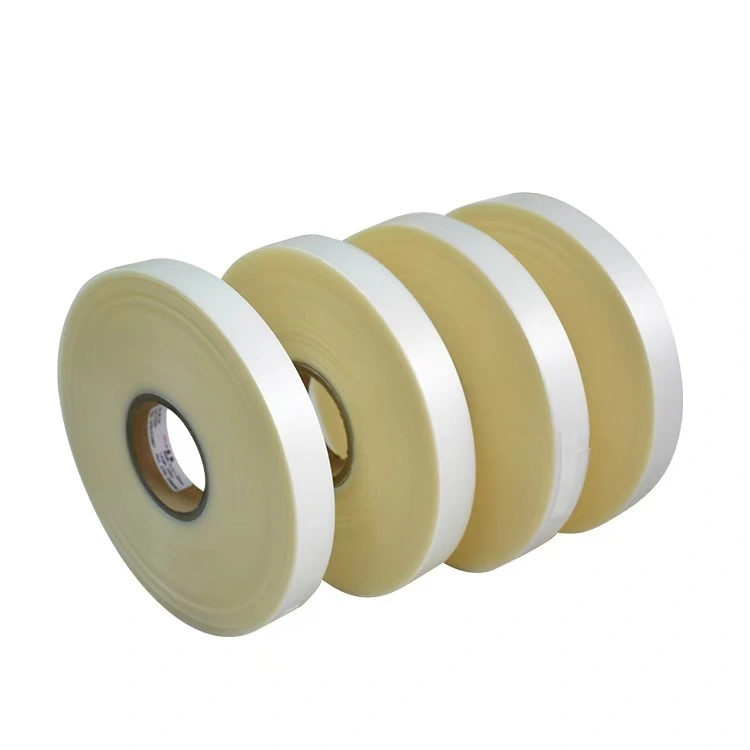
For converters and OEM manufacturers, process stability is often more important than a single performance parameter. A well-designed PU medical tape jumbo roll should integrate smoothly into downstream converting processes, helping reduce trial runs, material loss, and production delays.
Three Questions to Ask Before Choosing PU Medical Tape
If you are considering PU medical tape jumbo rolls for your products, these three questions can help clarify the decision:
1. Does the product require medium- to long-term wear?
2. Is it necessary to achieve both waterproofing and breathability?
3. Do your customers care about wearing comfort and product appearance?
If at least two of the answers are “yes”, PU medical tape is likely worth serious consideration.
Final Thoughts: Material Value Shows Up in Real Use
PU medical tape is not suitable for every application. However, when used in the right context, it often helps reduce complaints, rework, and repeated sampling. For many medical products, the real cost is not the material price itself, but: Stability during use, End-user comfort, Long-term trust in the product and brand. When material selection aligns with real-world usage, the product is already halfway to success.
Send Inquiry
You may like