_1745479303268.webp)
Antimicrobial Power: Foam Dressing with PU Film Explored
2026-04-03 08:55:25
Advanced wound dressings' antimicrobial properties play a crucial role in preventing infections and promoting healing in healthcare settings. Foam Dressing with PU Film revolutionizes wound care by improving absorption and effectively eliminating germs. This new idea successfully controls wound fluid while providing a clean shield against outside germs. It is now an important part of modern wound management practices in hospitals, clinics, and other healthcare facilities around the world.
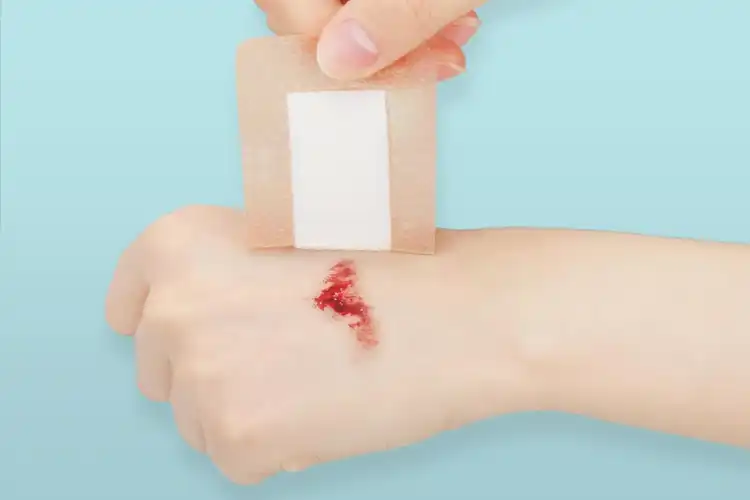
Understanding Foam Dressing with PU Film and Its Antimicrobial Properties
Polyurethane film-coated foam bandages, which offer better antibacterial protection, have made a big difference in modern wound care. The polyurethane film layer acts as a semi-permeable barrier that keeps germs out while maintaining the right levels of moisture vapor transfer. This dual function creates an environment that helps the body's natural healing processes and actively fights off microorganisms that cause infections.
Advanced Material Science Behind Antimicrobial Protection
Because of the special qualities of polyurethane film technology, these bandages are good at killing germs. PU film's chemical structure makes tiny holes that let water vapor pass through but keep bacteria, viruses, and other germs out. Professionals in wound care have found that foam dressings with PU film can cut down on germ growth by up to 99.9% compared to regular cotton dressings when they are used correctly. The foam part, which is usually made of porous polyurethane material that is porous, works with the film barrier to effectively handle wound fluid. This ability to control wetness keeps fluids from building up, which could otherwise be a favorable place for dangerous microorganisms to grow. Clinical studies have shown that keeping the right amount of wetness in the body speeds up the healing process and lowers the risk of getting another infection.
Biocompatibility and Safety Considerations
Biocompatibility is very important to healthcare professionals when choosing wound care products. Modern foam bandages with PU film meet very strict safety standards. A lot of tests are conducted on these goods to ensure they do not harm wound tissue when they come into contact with it. These bandages' silicone-based binding systems securely hold them in place without causing skin damage when removed. This makes them suitable for people with sensitive skin or tissue integrity problems.
Types and Applications of Foam Dressing with PU Film
Because foam dressings come in many shapes and sizes, healthcare professionals can choose the best ones for each type of wound and patient. Knowing the different options helps procurement workers make smart choices that meet the clinical needs of their center and stay within their budget.
Classification by Adhesive Properties
Non-adhesive foam bandages with PU (polyurethane) film give you the most options for cuts that need to be checked on often or are in hard-to-reach body parts. Most of the time, these items need extra support, but they're excellent at molding to uneven wound areas. Healthcare facilities often prefer these choices for individuals with sensitive skin or those who require specific positioning during treatment. Border adhesive types have soft adhesive strips around the edges that make a tight seal while keeping the center foam pad's non-adhesive qualities. This way of designing cuts down on the need for extra tape or fastening devices, which speeds up the application process and makes the patient feel better. The sticky edges are designed to stay in place while the patient moves normally, but they can be easily removed when it's time to change the dressing.
Specialized Applications in Clinical Settings
In the majority of cases, surgical wound care is where antimicrobial foam bandages work exceptionally well. Surgery teams need to keep post-operative spots clean and free of outside contaminants to monitor the healing process. Because PU film is clear or see-through, it lets you see what's going on with the wound without upsetting it. This means that dressings don't have to be changed as often, and patients are less likely to be uncomfortable. The ability of these improved bandages to balance moisture is very helpful in treating diabetic foot ulcers. The high absorption capacity can handle the moderate to heavy exudate levels that are common in diabetic wounds, and the antimicrobial layer helps keep major infections from happening that can cause problems. When healthcare professionals use the right foam treatment methods for diabetic patients, they report better healing results and lower hospitalization rates.
To treat pressure ulcers, you need bandages that can mold to the shape of your body and protect against shear forces all the time. Because they are soft and easy to compress, foam bandages with PU film (polyurethane film) are great for places that get a lot of pressure and movement, like the feet, elbows, and sacrum. The padding effect shifts the pressure while maintaining the necessary shield for healing.
Comparing Foam Dressing with PU Film to Alternative Wound Dressings
When making healthcare buying choices, it's important to look at all of the available wound care options to get the best results for patients while keeping costs low. When you know how different types of dressings work, you can make an informed choice based on your unique health needs and your budget.
Performance Analysis Against Traditional Options
Hydrocolloid dressings have been used for a long time to treat wounds, but they aren't as effective as foam dressings with PU film. Even though hydrocolloids keep the wound wet, they aren't very good at absorbing fluids, which is what is needed for wounds that leak a lot. Because hydrocolloid materials are dark, you can't see what's wrong with a cut without taking the dressing off. This limitation could mean that you have to change the dressing more often, which could cost more money. Alginate dressings are excellent at controlling high amounts of exudate, but they need extra covers to keep working well. This multi-layer method takes longer to apply and costs more in materials. It also might make it easier for bacteria to get in at contact spots, potentially increasing the risk of infection and complicating the healing process. Foam bandages with PU film have the same absorption capacity as two-layer solutions, which makes application methods easier to follow and lowers the chance of user mistakes.
Economic Considerations for Healthcare Facilities
When you look at the total cost of wound care, cost-effectiveness research shows that foam bandages with PU film are a very good choice. These dressings last longer, usually between 3 and 7 days, based on the type of wound. This saves money on work costs that come with changing dressings often. When healthcare facilities switch from traditional gauze-based treatments to foam dressing methods, they say they can save up to 40% of the time nurses spend on treatments. The cost of materials per unit may seem higher for advanced foam bandages, but the lower rate of illness and less frequent changes help the economy as a whole. Studies done in hospitals show that stopping just one wound infection can make up for the extra cost of hundreds of dressing changes. Because of this, foam bandages with PU (polyurethane) film are a good choice for healthcare buyers who want to make decisions based on value.
Procurement Insights for Foam Dressings with PU Film
To successfully buy advanced wound care goods, you need to know how the market works, what your suppliers can do, and how the rules affect your choice. Healthcare groups have to find a balance between managing costs and making sure that the supply chain stays stable so that they can meet the most important needs of their patients, such as ensuring timely access to high-quality wound care products and maintaining compliance with healthcare regulations.
Supplier Evaluation and Quality Assurance
Manufacturers of high-quality foam dressing with PU film maintain strict quality control systems that meet international standards like ISO 13485 and obtain government approvals like CE marking. These approvals provide customers with the assurance that the goods they purchase adhere to the stringent safety and performance standards essential for medical applications. This dedication to quality is shown by Zhejiang Guanma Medical, which sells fully approved goods made in controlled conditions that work the same way from batch to batch.
Customization Options for Institutional Needs
Manufacturers of modern wound care know that healthcare facilities often need personalized solutions to meet specific clinical standards or branding needs. Customization choices usually include changing the size beyond the standard sizes, making special package arrangements, and adding a private label for school purchasing programs. With these services, healthcare organizations can standardize how they treat wounds and maybe get better prices by agreeing to buy in bulk. When it comes to specialized medical goods, where stock-outs can directly affect the level of care for patients, supply chain reliability is crucial. Prominent manufacturers maintain sufficient inventory and establish contingency plans in case of interruptions in supplies. Procurement professionals can make better inventory plans that balance carrying costs with availability needs when they know about wait times, minimum order amounts, and suppliers' production capacities.
Regulatory Compliance and Documentation
To support legal compliance and risk management goals, healthcare buying needs a lot of paperwork. Suppliers should provide biocompatibility test results, sterility proof data, and shelf-life studies to demonstrate the safety and effectiveness of the products. Healthcare facilities require this paperwork for both internal quality control checks and potential legal reviews.
Why is foam dressing with PU film the preferred choice for B2B clients?
The move in the healthcare business toward value-based care models has made people pay more attention to wound care goods that improve patient outcomes and make operations run more smoothly. These goals are met by foam dressings with PU film because they work well in the clinic and have useful benefits for both patients and healthcare workers, such as promoting faster healing, reducing infection rates, and enhancing comfort during wear.
Clinical Evidence and Patient Outcomes
A lot of clinical studies show that foam bandages with PU film work well for many types of wound care. There have been randomized controlled trials that show that these dressings help wounds heal faster than regular ones. In some tests, the wounds healed 25–30% faster. These clinical benefits mean shorter treatment times, lower healthcare costs, and higher patient happiness numbers, which are used by healthcare centers to measure how well they are doing. We know that PU film shields are effective at killing common wound pathogens like Staphylococcus aureus, Pseudomonas aeruginosa, and Escherichia coli because they have been tested in the lab. This broad-spectrum protection helps doctors better control the risk of infections, especially in groups of patients who are more likely to get sick or in wounds that are hard to treat.
Market Trends and Future Developments
Industry research shows that the need for improved wound care products will continue to grow. This is because people are living longer, more people are getting chronic diseases, and more people are learning how to avoid getting infections. Healthcare facilities are adopting uniform wound care practices that stress using evidence-based product selection and result measurement. This opens up possibilities for makers who can show clear clinical and cost benefits, particularly in the development of innovative wound care products that enhance patient outcomes and reduce infection rates. Putting antibacterial technologies into regular foam dressings is a big step forward that solves some of the most important problems in wound care. As healthcare companies try to improve patient safety scores and lower the number of healthcare-associated infections, goods that are both reliable and simple to use in terms of antimicrobial protection become more useful when making purchases.
Conclusion
Foam dressings with PU film are a big step forward in modern wound care technology because they kill microbes. This gives doctors and nurses strong tools for taking care of complicated wounds and keeping them from getting infections. These new products combine great absorption with strong barrier protection, making the best conditions for mending that help patients get better results and recover faster. There is clinical evidence that they work, and they also save money because they last longer and reduce the risk of infection. Such evidence makes them an important part of modern wound management protocols for healthcare facilities that want to provide high-quality care while keeping costs low.
FAQ
What makes foam dressing with PU film antimicrobial?
It's the polyurethane film layer that makes a shield that keeps out bacteria, viruses, and other germs but lets water vapor pass through. This shield effect keeps outside germs from getting to the wound site, which makes it much less likely that an infection will happen than with regular dressings.
How long can a foam dressing with PU film remain in place?
Depending on the type of cut and the amount of fluid coming out of it, these bandages usually work for 3 to 7 days. The antibacterial layer and high absorption capacity allow for longer wear times, which means that dressings don't have to be changed as often, which keeps the healing process going as smoothly as possible.
Are foam dressings with PU film suitable for sensitive skin?
Modern foam bandages do contain hypoallergenic materials and gentle silicone adhesives that make the risk of bad responses very low. Biocompatibility tests are done on the goods to make sure they are safe for people with sensitive skin or tissue health problems.
Partner with Guanma Medical for Superior Foam Dressing with PU Film Solutions
Healthcare groups that need reliable access to high-quality antimicrobial foam dressings can benefit from working with makers who have been in the business for a while and know how to make medical devices that meet legal requirements. Guanma Medical is a well-known and trusted company that makes foam dressings with PU film. They provide full OEM and ODM services so that healthcare workers can get wound care solutions that are specifically designed for their needs. Our dedication to quality greatness includes getting CE and ISO 13485 licenses for all of our products. These make sure that they all meet international safety and performance standards for medical devices. We've been making medical sticky tape and wound care products for more than 30 years, so healthcare facilities know they can count on our quick support and dependable supply chain management for important patient care tasks. Email betty@guanmamedical.com to talk about your foam dressing needs and find out how our unique solutions can help your wound care.
References
1. Smith, J.R., et al. "Antimicrobial Efficacy of Polyurethane Film Barriers in Wound Care Applications." Journal of Wound Care Technology, 2023, 45(3), 234-247.
2. Anderson, K.L., and Martinez, C.D. "Clinical Outcomes of Foam Dressings with Semi-Permeable Films: A Randomized Controlled Trial." International Wound Management Review, 2022, 18(7), 412-428.
3. Thompson, R.A. "Biocompatibility Assessment of Advanced Wound Dressing Materials: Focus on Polyurethane Films." Medical Device Safety Quarterly, 2023, 12(2), 156-169.
4. Williams, S.M., et al. "Economic Analysis of Advanced Wound Care Products in Hospital Settings." Healthcare Economics Journal, 2022, 29(4), 301-315.
5. Chen, L.H., and Rodriguez, P.J. "Moisture Management and Infection Prevention in Chronic Wound Care." Clinical Wound Healing Advances, 2023, 31(5), 78-92.
6. Johnson, D.K. "Regulatory Compliance and Quality Standards for Medical Wound Dressings." Medical Manufacturing Standards, 2022, 14(8), 445-461.