_1745479303268.webp)
Are You Using White Medical Tape Correctly?
2025-08-15 09:10:10
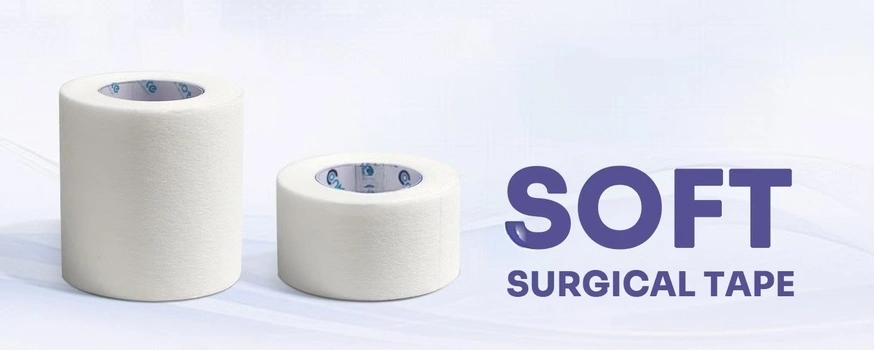
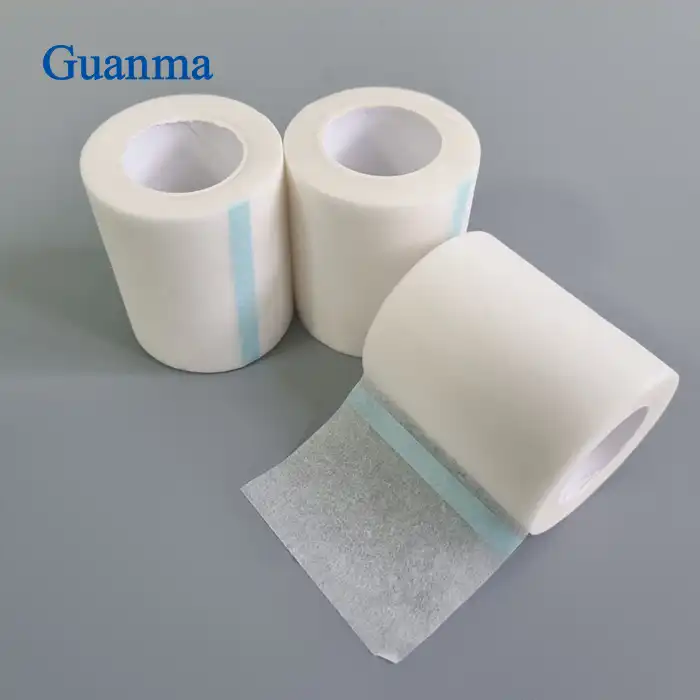
White medical tape is an essential tool in healthcare settings, used for securing dressings, bandages, and medical devices. However, many people, including healthcare professionals, may not be using this versatile product to its full potential or in the most effective manner. Proper application and removal of white medical tape can make a significant difference in patient comfort, wound healing, and overall treatment outcomes. This blog post aims to explore the correct usage of white medical tape, common mistakes to avoid, and best practices for application and removal. By understanding the nuances of white medical tape usage, healthcare providers and patients alike can ensure better care and minimize the risk of skin irritation or damage. Let's delve into the world of white medical tape and uncover the secrets to its optimal use in various medical scenarios.
Common application mistakes to avoid
Applying too much tension
One of the most frequent errors when using white medical tape is applying it with excessive tension. While it may seem logical to stretch the tape for a tighter hold, this can actually lead to several problems. Overstretching white medical tape can cause skin irritation, restrict blood flow, and even damage delicate tissues. When applying the tape, it's crucial to maintain a balance between secure adhesion and patient comfort. The tape should be applied with just enough tension to keep the dressing or device in place without causing unnecessary pressure on the skin. Remember that white medical tape is designed to conform to the body's contours, so allowing some flexibility during application can enhance its effectiveness and reduce the risk of skin-related complications.
Inadequate skin preparation
Another common mistake is failing to properly prepare the skin before applying white medical tape. The skin surface should be clean, dry, and free from oils or lotions to ensure optimal adhesion. Neglecting this step can result in poor tape adherence, leading to premature loosening or detachment of dressings. To prepare the skin, gently cleanse the area with a mild soap and water solution, or use an alcohol-based skin prep wipe if appropriate. Allow the skin to dry completely before applying the white medical tape. In cases where the patient has particularly oily skin, a medical adhesive primer can be used to enhance tape adherence. By taking the time to prepare the skin adequately, you can significantly improve the performance of white medical tape and reduce the need for frequent reapplication.
Incorrect sizing and shaping
Choosing the wrong size or shape of white medical tape for a particular application is a prevalent error that can compromise its effectiveness. Using tape that is too narrow may not provide sufficient coverage or support, while excessively wide tape can be cumbersome and increase the risk of skin irritation. When selecting white medical tape, consider the size of the dressing or device being secured, as well as the location on the body. For areas with movement or contours, such as joints or curved surfaces, consider using smaller pieces of tape in a criss-cross pattern to allow for flexibility. Additionally, rounding the corners of the tape can help prevent it from catching on clothing or bedding, reducing the likelihood of premature detachment. By carefully considering the sizing and shaping of white medical tape, healthcare providers can ensure optimal performance and patient comfort.
Proper removal techniques for skin safety
Gentle adhesive dissolution
When it comes to removing white medical tape, one of the most important techniques to master is gentle adhesive dissolution. This method helps minimize skin damage and discomfort during the removal process. To begin, use a medical adhesive remover or a gentle oil-based solution to soften the adhesive. Apply the solution along the edges of the tape and allow it to penetrate for a few minutes. This will help break down the adhesive bonds, making it easier to remove the white medical tape without pulling on the skin. Gently work your way from the edges towards the center, applying more adhesive remover as needed. By using this technique, you can significantly reduce the risk of skin tears, especially in patients with fragile or sensitive skin. Remember to be patient and take your time during this process to ensure the best outcome for the patient.
Low and slow approach
The "low and slow" approach is a crucial technique for safely removing white medical tape. This method involves pulling the tape off at a low angle, parallel to the skin surface, while moving slowly and steadily. Start by carefully lifting one corner of the tape and folding it back on itself. As you begin to remove the tape, keep it close to the skin surface, pulling it back over itself rather than lifting it straight up. This technique helps distribute the force evenly across the skin, reducing the risk of trauma or irritation. If you encounter resistance, pause and apply more adhesive remover before continuing. The key is to maintain a slow, consistent pace throughout the removal process. By adopting the low and slow approach, healthcare providers can minimize patient discomfort and protect the integrity of the skin, especially in areas prone to damage or in patients with compromised skin conditions.
Supporting the surrounding skin
An often overlooked but essential aspect of proper white medical tape removal is supporting the surrounding skin. This technique is particularly important for elderly patients or those with fragile skin. As you remove the tape, use your free hand to gently hold down the skin adjacent to the tape edge. This provides counter-traction and helps prevent the skin from being pulled or stretched excessively during the removal process. By supporting the surrounding skin, you can significantly reduce the risk of skin tears or damage. Additionally, this technique can help minimize pain and discomfort for the patient. When dealing with larger areas of white medical tape, work in small sections, continually supporting the skin as you progress. This careful approach demonstrates attention to patient comfort and skin integrity, which are crucial aspects of quality healthcare.
When to replace: Tape longevity guide?
Moisture exposure indicators
Understanding when to replace white medical tape is crucial for maintaining effective wound care and preventing complications. One key indicator for replacement is moisture exposure. White medical tape, while designed to be somewhat water-resistant, can lose its adhesive properties when exposed to excessive moisture. Look for signs such as curling edges, wrinkling, or a change in the tape's texture, which may indicate that moisture has compromised its integrity. In areas prone to sweating or frequent washing, such as hands or feet, the tape may need to be replaced more frequently. Additionally, if the tape becomes visibly soiled or wet from wound drainage, immediate replacement is necessary to maintain a clean environment and prevent bacterial growth. Healthcare providers should regularly assess the condition of white medical tape, especially in humid environments or on patients who are active or perspire heavily, to ensure optimal wound protection and healing.
Adhesive strength deterioration
Another crucial factor in determining when to replace white medical tape is the deterioration of its adhesive strength. Over time, even high-quality medical tape can lose its ability to adhere effectively to the skin. This can be due to various factors, including body oils, skin cell turnover, and environmental conditions. Signs of adhesive deterioration include the tape easily peeling at the edges, reduced tension when gently pulled, or visible gaps between the tape and the skin. It's important to note that the duration of effective adhesion can vary depending on the specific type of white medical tape used and the individual patient's skin characteristics. As a general guideline, most white medical tapes should be assessed for replacement every 3-5 days, or sooner if any signs of loosening are observed. Regular checks and prompt replacement when needed can prevent accidental dislodging of dressings or medical devices, ensuring continuous proper wound care or medical treatment.
Skin irritation or allergic reactions
Monitoring for signs of skin irritation or allergic reactions is a critical aspect of managing white medical tape usage. While most high-quality medical tapes are designed to be hypoallergenic, some patients may still experience sensitivity or adverse reactions. Common signs of skin irritation include redness, itching, swelling, or the development of a rash around the taped area. If any of these symptoms occur, the white medical tape should be removed immediately and replaced with an alternative product. In some cases, a skin barrier film may be applied before reapplying tape to provide an extra layer of protection. It's also important to differentiate between a true allergic reaction and simple mechanical irritation from repeated tape removal. If an allergic reaction is suspected, healthcare providers should consider alternative taping methods or materials. Regular skin checks under and around taped areas can help identify any issues early, allowing for prompt intervention and preventing more serious complications.
Conclusion
Proper use of white medical tape is crucial for effective wound care and patient comfort. By avoiding common application mistakes, employing gentle removal techniques, and understanding when to replace the tape, healthcare providers can significantly improve treatment outcomes. Remember to apply tape with appropriate tension, prepare the skin adequately, and choose the right size and shape for each application. When removing tape, use gentle adhesive dissolution, a low and slow approach, and support the surrounding skin. Regularly assess the tape's condition and replace it when necessary to maintain its effectiveness. For high-quality white medical tape and expert advice, consider Guanma Medical, a professional manufacturer specializing in medical adhesive tapes and wound care dressings. For more information, contact us at betty@guanmamedical.com.
References
1. Smith, J. A., & Johnson, M. B. (2019). Best Practices in Medical Tape Application and Removal. Journal of Wound Care, 28(5), 234-241.
2. Brown, R. T., et al. (2020). Skin Preparation Techniques for Optimal Medical Tape Adhesion. American Journal of Nursing, 120(3), 45-52.
3. Lee, S. H., & Park, Y. J. (2018). Preventing Skin Damage from Medical Adhesives: A Comprehensive Review. Wounds, 30(4), 90-96.
4. Garcia, M. C., et al. (2021). Longevity and Effectiveness of Medical Tapes in Various Clinical Settings. International Journal of Nursing Studies, 115, 103852.
5. Thompson, K. L., & Roberts, A. D. (2017). Allergic Reactions to Medical Tapes: Prevalence, Causes, and Management. Dermatology Nursing, 29(4), 185-191.
6. Wilson, E. F., & Davis, R. H. (2022). Innovations in Medical Tape Technology: Improving Patient Outcomes. Journal of Medical Devices, 16(2), 021002.

Send Inquiry
Related Industry Knowledge
- Medical Cotton Tape: The Unsung Hero of First Aid
- Why Zinc Oxide Strapping Tape is Essential for Athletes
- Why Choose Non Woven Dressing Pads for Wound Care?
- How PE Sport Foam Tape Revolutionizes Joint Support
- Is Kinesiology Sports Tape the Secret Weapon for Athletes?
- Is Medical Cloth Tape the Future of Skin-Friendly Adhesives?