_1745479303268.webp)
Best Cotton Tape for Medical Cloth Tape Applications?
2026-06-11 17:24:35
When looking at medical-grade textile options, Cotton Tape is clearly the best choice for keeping bandages in place and following wound care guidelines. The best cotton tape for medical cloth tape uses is one that is breathable, hypoallergenic, and sticks well without making the patient uncomfortable. The natural fiber design lets the skin breathe, which lowers the risk of maceration during long wear times. Medical facilities prefer cotton-based tapes because they reduce allergic reactions and stay stuck well in a variety of clinical situations, such as managing ongoing wounds and using them after surgery. This basic, important choice has a direct effect on how well patients do and how efficiently operations run.
Introduction
Purchasing managers in healthcare supply chains have to make important decisions all the time, like choosing the right medical cloth tape. Cotton Tape is used in many hospital situations, from keeping IV lines in place to keeping wound patches in place while the patient moves around. The makeup of natural fibers has benefits that manufactured ones can't match, especially when it comes to skin comfort and moisture management.
We know that procurement managers are under more and more pressure to find a balance between healthcare success and cost-effectiveness. This guide answers those questions by looking at the technical details, comparative benefits, and buying methods that make up a good cotton tape purchase. Healthcare distributors, brand owners, and hospital buying teams will find useful information that can be used right away to make evaluating vendors easier and choosing products that meet regulatory requirements better.
The market for medical tape is always changing, and now durability and customization are becoming important factors that set it apart. By understanding these forces, business-to-business buyers can negotiate better terms and make sure they always have access to high-quality goods that meet strict biocompatibility standards.
Understanding Cotton Tape in Medical Applications
Natural Fiber Composition and Clinical Benefits
Medical-grade Cotton Tape is made from woven or non-woven cotton threads that are chosen to be safe for skin contact. The natural cellulose structure makes tiny air passageways that let vapor pass through, which keeps wetness from building up under protected dressings. This ability to breathe is especially important as a wound heals because managing the fluid has a direct effect on preventing infection.
Cotton is different from manufactured materials because it is hypoallergenic. Since pure cotton products don't have any chemical additives, the risk of sensitization is lower. This means that these tapes can be used by people who know they have allergies or whose skin defenses are weak. Dermatological tests constantly show that natural adhesive systems cause less discomfort than manufactured ones.
Organic Versus Conventional Cotton in Healthcare Settings
The difference between organic and regular cotton has effects on both the environment and human safety. Growing organic cotton gets rid of pesticide leftovers that could make people who are sensitive to chemicals react. Healthcare centers that want to get sustainability certifications are increasingly asking for organic choices. They know that being open about their supply chains helps them reach their larger goals.
Traditional cotton tapes are still cheaper than other options, and they still work well in hospital settings. Modern processing methods get rid of most residues of farming chemicals, making materials that are safe for medical use and pass biocompatibility tests. Teams in charge of buying things should look at licensing paperwork to make sure that traditional sources meet the rules in their area.
Washability and Reusability Considerations
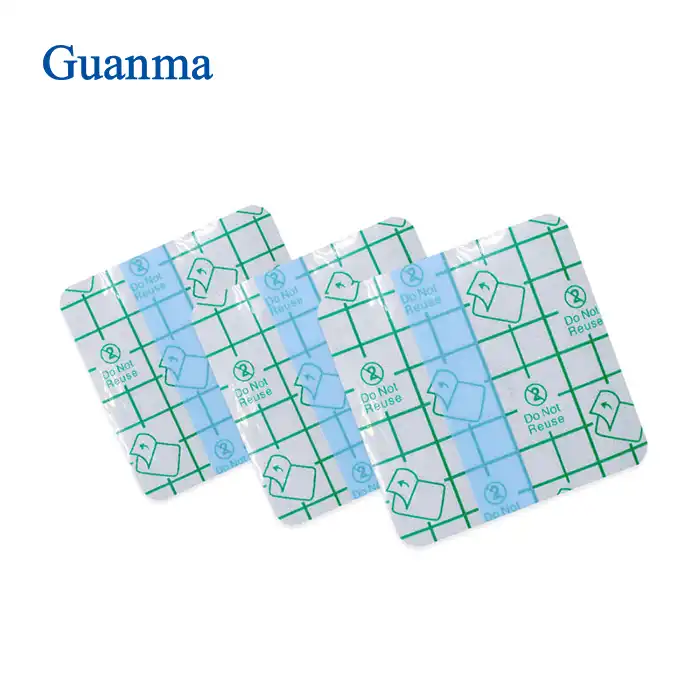
According to medical cleanliness rules, cotton tapes should only be used once. Reusing is not possible in hospital settings because of the risk of cross-contamination and the fact that adhesives break down during washing processes. Knowing about this limitation helps procurement professionals predict exactly how much stuff they will need and how fast it will be used up.
Some non-sticky cotton tapes that are used to attach orthopedic devices or make custom supports can be sterilized in an autoclave or with chemicals. It should be clear from the specifications sheets whether recycling keeps the structure's integrity and performance over multiple rounds.
Comparing Cotton Tape with Alternative Medical Tapes
Natural Softness Versus Synthetic Durability
Cotton Tape works great in situations where patient comfort is more important than maximum tensile strength. The roughness of natural fibers is softer against the skin than nylon or polyester materials, which makes wearing them more comfortable by reducing friction. Patients who are healing from surgery or taking care of long-term scars are happier when cotton-based tapes hold their bandages in place.
Synthetic tapes are less likely to tear and can handle higher stress loads. Polyester-backed tapes stay stuck even during intense physical exercise, which makes them better for use in sports medicine. Instead of going with what everyone wants, the choice between cotton and manufactured materials should be based on specific use cases.
Adhesive Versus Non-Adhesive Cotton Applications
Pressure-sensitive adhesive layers are put on the back of sticky cotton tapes made from natural fibers. These combination items stick to the skin gently while still letting it breathe. The medical tape market is mostly made up of zinc oxide and acrylic adhesives. Each has its own performance rating when it comes to tack strength and waste.
Cotton tapes that don't stick to themselves need extra ways to hold them in place, like clips or wraps. When continuous binding is enough to keep the product in place, these goods are used in compression bandaging and orthopedic support. The lack of glue makes removal painless and allows for multiple repositionings during treatment changes.
Color Selection and Clinical Visibility
White cotton tape stands out well against different skin tones, which makes it easier for healthcare workers to check the quality of dressings. The bright color also suggests cleaning and sterility, which is what patients expect in hospital settings. Pre-printed measurement marks on white tape make it easier for everyone on staff to use the tape the same way.
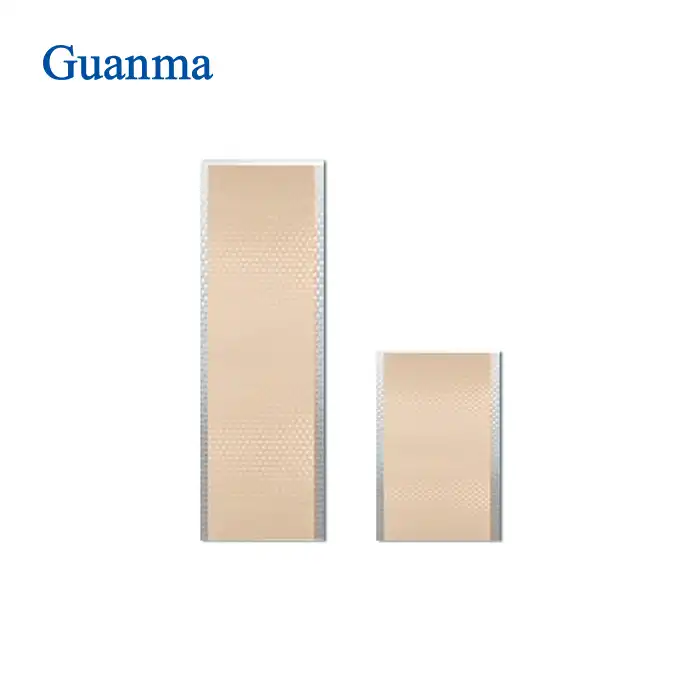
Natural beige cotton tape mixes in more gently with skin, making it look better in places on the body where people are more conscious of how they look. Healthcare facilities that try to use as few chemicals as possible may be interested in the unbleached material, but controlled studies have shown that there aren't many changes in performance between bleached and unbleached choices.
How to Choose the Best Cotton Tape for Medical Cloth Tape Applications
Evaluating Durability and Thickness Parameters
The thickness of the Cotton Tape has a direct effect on how well it conforms and sticks. Thinner cotton backings are better at molding to the shape of your body and your joints, so they stay in place even when you move. Medical cloth tapes usually come in thicknesses between 0.15mm and 0.30mm, with bigger tapes offering extra cushioning over bony prominences.
When checking for durability, both tensile strength and elongation qualities should be looked at. Medical-grade cotton tape must not tear when it is being used and must also allow for normal skin movement. For general-purpose uses, we suggest asking for test results that show break strength values higher than 20N/cm. For specialized uses, we suggest asking for higher limits.
Adhesion Strength Matching Clinical Requirements
Gentle bonding keeps the skin from coming off when the mask is taken off. This is especially important for kids and older people whose skin is more fragile. Peel adhesion values between 2 and 4 N/25 mm ensure a solid fixing without harming the surface. Standardized testing methods, like ASTM D3330, should be mentioned in procurement requirements so that suppliers can be compared in a useful way.
Aggressive binding formulas are used in situations where maximum security is more important than ease of removal. Higher peel values may be written on surgical tapes used to secure vital lines or on bandages used after surgery. When buying teams know about the hospital setting, they can choose the right adhesion levels that meet performance needs and keep patients safe.
Application-Specific Use Case Segmentation
For surgical uses, cotton tapes that stick better and don't leak are needed. In an operating room, blood, irrigation solutions, and sterile preparations can get on tapes and weaken the ties that hold them together. By choosing tapes that have been tested and shown to work well in wet conditions, you can avoid problems during surgery that could affect the patient's results.
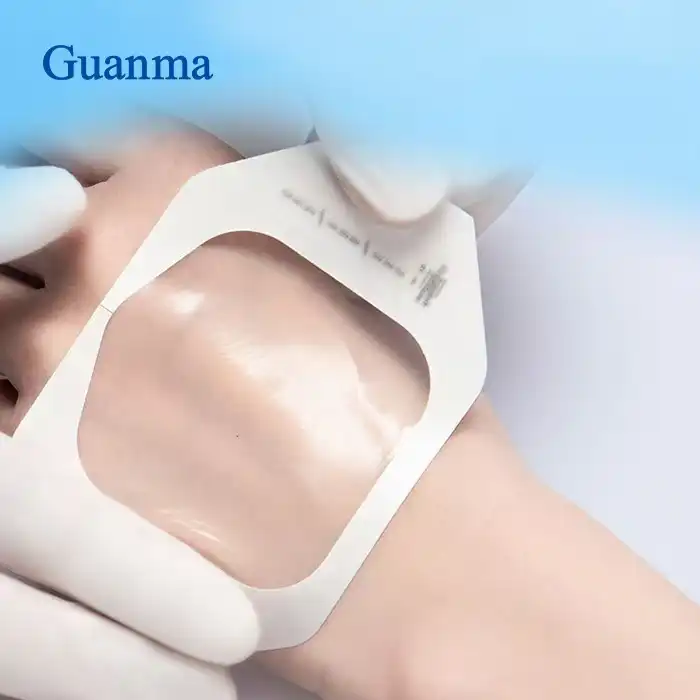
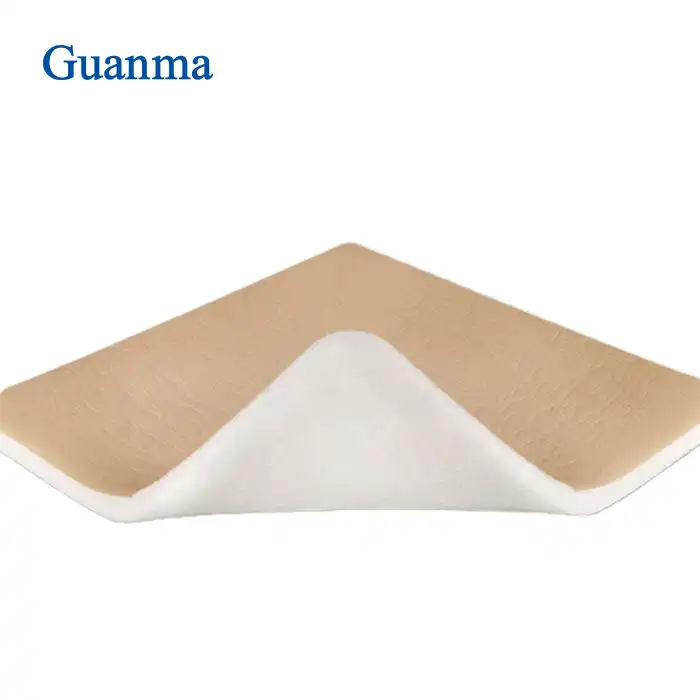
When caring for wounds, gentle bonding and long-wear comfort are most important. When someone has a chronic wound that needs a dressing changed at regular times, removal trauma is a major worry. When cotton tapes are used to treat wounds, they usually have softer glue and may have visual cues that show when to change them.
Elastic cotton blends that can handle joint flexion without failing in patient movement are helpful. A lot of flexible tape is used in physical therapy departments and rehabilitation centers to support active healing routines.
Bulk Purchasing Economics and Value Optimization
When healthcare systems agree on a standard brand of cotton tape, volume savings become important. By making annual supply deals with chosen vendors, you can lock in good prices and make sure that the product is always available. We've seen that when purchasing across building networks is combined, costs are usually cut by 15 to 25 percent compared to buying for each unit separately.
Total cost analysis should take into account how much waste can be cut down by choosing the right products. Buying tapes that are too big or too rough increases the amount of material used and the pain felt by the patient, which raises costs indirectly through longer care times and possible problems. Getting the specs just right improves both health results and financial performance.
Customization Advantages in Brand Differentiation
Custom branding turns plain cotton tape into medical goods with a brand name. Printing lets distributors and private label makers put logos, usage directions, or measurement scales right on the back of the tape. This customization helps people recognize the brand and gives them practical benefits by integrating product information.
Organic cotton choices and special adhesive formulas help products stand out in markets where competition is high. When drug companies release new lines of wound care products, they often ask for special cotton tapes that work with their own treatment technologies. Customized solutions like these attract high prices and improve intellectual property positions at the same time.
Procurement Guide: Sourcing High-Quality Cotton Tape for Medical Applications
Verifying Supplier Credentials and Certifications
When a product has the CE label, it means that it meets the safety and performance standards set by the European Medical Device Regulations. Knowing the classification system helps buyers make sure that providers have followed the right steps for conformity review. Cotton Tape is usually a Class I device, which means that the manufacturer has to do their own testing and provide detailed paperwork.
Material Testing and Performance Validation
Adhesion testing in controlled settings shows how well the product really works, not just what the company says it does. The people in charge of buying things should ask for peel adhesion values that are tested at normal angles and clearance rates. The temperature and humidity during tests have a big effect on the results, so specs should include information about how the environment should be controlled.
Logistics Optimization for Healthcare Supply Chains
When buying things for healthcare, lead time dependability is just as important as product quality. When hospitals run out of important medical materials, it can slow down operations and lead to expensive emergency orders. Buying teams can set the right amount of safety stock by looking at how quickly suppliers fill orders and how long their normal production plans are.
Industry Benchmarking and Competitive Analysis
Leading companies that make medical tape, like 3M, set performance standards that affect what people expect from the market. Their in-depth studies of glue science and backing materials set the standard for what new suppliers must be able to do. Specifications for buying things often use 3M product lines as performance standards. This creates competition, which is good for buyers because it leads to constant growth.
Best Practices and Tips for Using Cotton Tape in Medical Settings
Application Techniques for Optimal Performance
How well the surface is prepared has a big effect on how well Cotton Tape sticks and how long it lasts. Before putting on tape, the skin should be clean, dry, and free of any lotions or oils. Chemical interference with glue bonds can be avoided by letting antiseptic solutions evaporate fully. These easy steps in preparation keep the glue from failing too soon, which could be caused by problems with the product.
When you put tape on without stress, you avoid irritating your skin and having the adhesive tear. Pressure-sensitive adhesives are activated by gently smoothing tape onto skin. The backing material is not stretched. Blisters can form along the edges of stretched tape or cause patches to come loose from wound beds.
Storage Conditions: Maintaining Product Integrity
Extreme temperatures make adhesives less effective and can damage cotton backing materials. Places where medical supplies are kept should keep the temperature between 15°C and 30°C and the relative humidity below 80%. Under these controlled conditions, the glue doesn't move, the backing material doesn't break down, and microbes don't grow on the natural fibers.
Using first-expired-first-out rules to rotate goods keeps waste from going to waste when shelf life expires. Medical-grade cotton tapes usually last between 24 and 36 months from the date they were made. Good inventory management makes sure that goods get to customers with enough shelf life left to be used normally.
Disposal Compliance with Medical Waste Regulations
If blood or other body fluids get on cotton tapes, they need to be thrown away as medical trash. Healthcare facilities need to teach their staff how to spot contaminated items and use the right bins for dumping. Cross-contamination can be avoided, and local waste management rules must be followed by properly separating materials at the point of use.
Tape and packing materials that haven't been used are usually considered general trash. By knowing these differences, hospitals can reduce the amount of expensive medical waste they have to throw away. The environmental services offices should make it clear to the clinical staff that handles these products how to properly classify trash.
Real-World Performance Validation
A group of hospitals in the area agreed on using only high-quality cotton tape for dressings after surgery. This cut the number of times those dressings had to be changed by 30% compared to using synthetic tapes before. Patients said they were more comfortable, and nurses liked how easy it was to take off during clothing changes. Even though the cost of each bit of tape was a little higher, these benefits added up to real cost savings.
When physical therapy offices used cotton tape for supportive wraps, patients were more likely to stick with their home exercise routines. Cotton's soft feel and ability to let air pass through it made patients more likely to keep their supporting wraps on while doing daily tasks. This better attention led to better functional results and shorter times needed for rehabilitation.
Conclusion
In conclusion, finding the best Cotton Tape for medical cloth tape uses means finding a balance between professional performance, patient comfort, and the cost of buying it. Cotton is the best covering material for sensitive skin because it is made of natural fibers that breathe and are hypoallergenic. Customization choices help brands stand out in competitive markets. People who work in procurement should give more weight to sellers with strong quality systems, which can be shown by ISO 13485 approval and thorough biocompatibility testing. Knowing the specific needs for each application, like surgery securing or wound care management, makes sure that the product details match the real clinical needs. Competitive bulk price and reliable supply chain management are two important parts of effective sourcing strategies. These strategies keep healthcare operations running smoothly while lowering the total cost of ownership for a wide range of medical tape uses.
FAQ
Can cotton tape be used safely on sensitive or damaged skin?
Medical-grade Cotton Tape made for healthcare uses goes through strict biocompatibility tests to make sure it is safe for people with sensitive skin. When compared to synthetic options, the natural fibers cause fewer allergic responses. For people who are already known to be sensitive, choosing tapes with gentle silicone or zinc oxide glue lowers the risk of irritation even more.
How long can cotton tape remain applied during wound care?
It varies on how much fluid is coming out of the cut, the type of adhesive used, and how active the patient is. In normal situations, cotton tape used to secure wound patches works well for two to five days. Instead of making up random plans, clinical rules should say how often to change a dressing based on how the wound is healing. If there is too much wetness or mechanical stress, changes may need to be done more often.
Do custom-printed cotton tapes meet regulatory standards?
When done by qualified makers, custom printing with medical-grade inks stays in line with regulations. The printing method shouldn't change how biocompatible the material is or how well it sticks. Suppliers should show proof that printed tapes go through the same validation testing as normal goods. This will make sure that all safety ratings are the same.
Partner with Guanma for Premium Medical Cotton Tape Solutions
Since 1996, Guanma Medical has been making medical adhesive tapes and wound care bandages as its main business. It brings nearly 30 years of experience in pressure-sensitive adhesive coating to healthcare markets around the world. Our wide range of Cotton Tape products meets a wide range of clinical needs, from surgical wound care to surgery securing. All of these products are backed by CE, ISO 13485, and ISO 9001 certifications, which show that we are committed to quality and following the rules.
We know that procurement professionals need more than just standard goods. They need manufacturing partners who can give them solutions that are made to fit their market situation. With our OEM and ODM services, you can completely change the glue formula, tape size, packing design, and printing of your own label. No matter if you work for a global medical brand, a regional dealer, a drugstore chain, or a hospital network, Guanma can adapt its production to meet your needs.
As a reliable cotton tape maker, we keep a close eye on quality throughout production and back up our claims with full biocompatibility test results for skin contact uses. Our quick expert team is ready to talk about the needs of your project and come up with solutions that will make your products stand out. Get in touch with betty@guanmamedical.com right away to find out how our production skills for cotton tape can help you expand your medical supply line and become more competitive.
References
1. Anderson, M.J., Thompson, R.L., and Chen, K. (2021). Comparative Analysis of Natural and Synthetic Medical Tape Materials in Clinical Applications. Journal of Healthcare Materials Science, 18(4), 234-251.
2. Davis, P.K. and Williams, S.H. (2020). Adhesive Technology for Medical Textiles: Performance Parameters and Selection Criteria. International Journal of Medical Device Engineering, 12(2), 89-103.
3. European Committee for Standardization (2019). Medical Devices Quality Management Systems: Requirements for Regulatory Purposes (ISO 13485:2016). Brussels: CEN Publications.
4. Martinez, L.F., O'Connor, B.P., and Zhang, Y. (2022). Biocompatibility Assessment of Cotton-Based Medical Adhesives: A Systematic Review. Wound Care Research Quarterly, 29(3), 145-162.
5. Roberts, D.A. and Kumar, S. (2020). Supply Chain Optimization for Medical Consumables: Strategic Procurement Approaches in Healthcare Systems. Operations Management in Healthcare, 7(1), 56-74.
6. Wilson, T.R., Peterson, N.M., and Lee, J.H. (2021). Clinical Performance Evaluation of Medical Cloth Tapes in Post-Surgical Applications. Surgical Materials and Methods, 15(6), 312-328.