_1745479303268.webp)
Breaking Down the Components of High-Quality Hypoallergenic Tape
2025-11-19 09:40:06
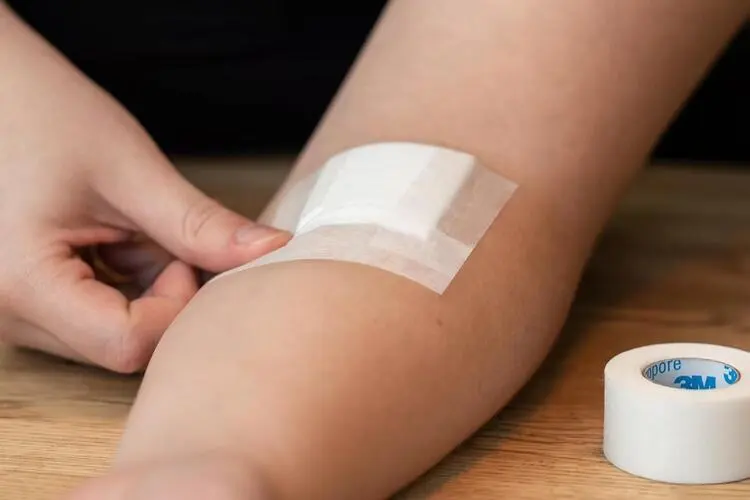
Hypoallergenic tape is a crucial component in medical and cosmetic applications, providing a secure adhesive solution for individuals with sensitive skin or allergies. Understanding the intricate components that make up high-quality hypoallergenic tape is essential for both manufacturers and consumers alike. This article delves into the various elements that contribute to the effectiveness and safety of hypoallergenic tape, exploring the backing materials, adhesives, and skin-safe ingredients that form its foundation. By examining these components in detail, we can gain a deeper appreciation for the complexity and importance of hypoallergenic tape in various industries. From medical settings to everyday use, the demand for reliable and gentle adhesive solutions continues to grow, making it crucial to comprehend the science behind these innovative products.
Analyzing Backing Materials and Adhesives
Breathable Fabric Backings
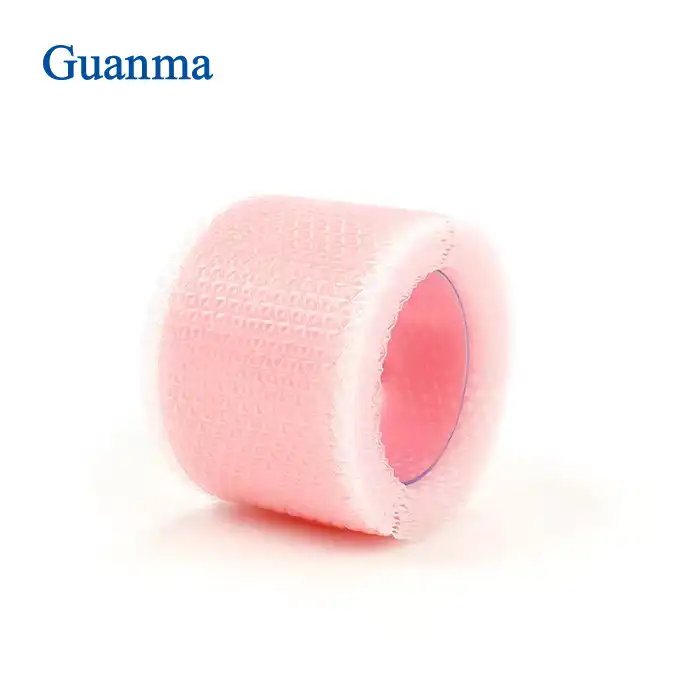
High-quality hypoallergenic tape often features breathable fabric backings that allow air circulation and moisture evaporation. These materials, such as non-woven polyester or rayon, provide comfort and flexibility while minimizing skin irritation. The porous nature of these fabrics helps prevent maceration and promotes faster healing in medical applications. Manufacturers like Guanma Medical carefully select backing materials that balance durability and gentleness, ensuring the tape remains secure while being kind to sensitive skin.
Silicone-Based Adhesives
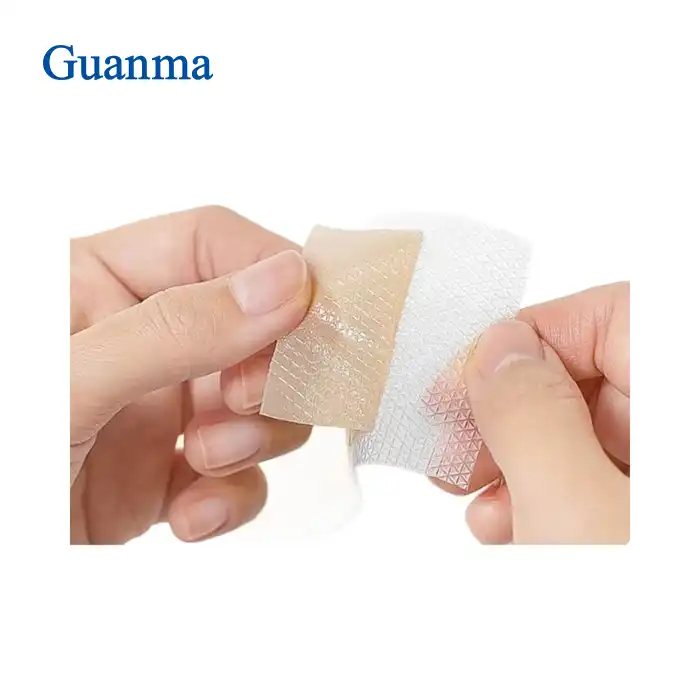
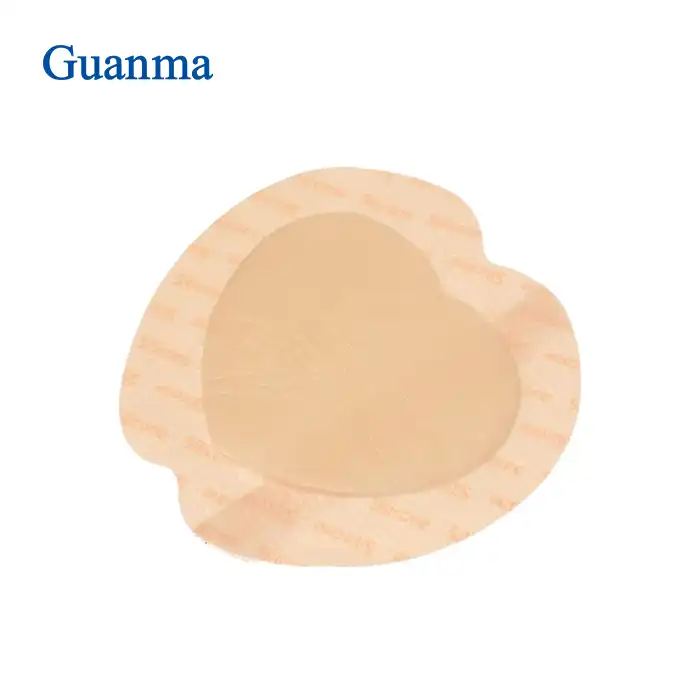
Silicone-based adhesives are a cornerstone of high-quality hypoallergenic tape. These adhesives offer excellent skin compatibility and are less likely to cause allergic reactions compared to traditional acrylic-based alternatives. Silicone adhesives provide strong yet gentle adhesion, making them ideal for sensitive skin applications. They also allow for painless removal, reducing the risk of skin trauma. Guanma Medical invests in advanced silicone adhesive technologies to ensure its hypoallergenic tapes meet the highest standards of performance and safety.
Water-Resistant Coatings
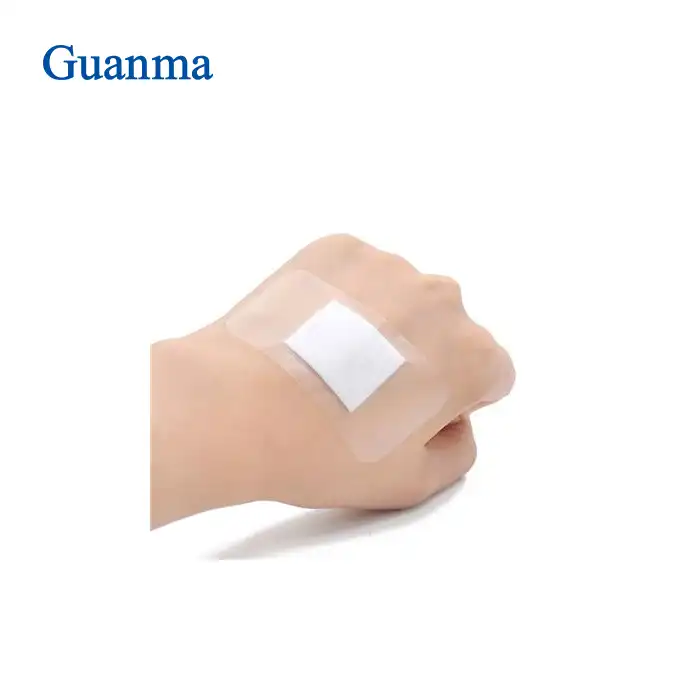
To enhance the versatility of hypoallergenic tape, many high-quality products incorporate water-resistant coatings. These coatings protect the adhesive and backing from moisture, allowing the tape to maintain its integrity even in humid conditions or during bathing. Water-resistant hypoallergenic tape is particularly valuable in medical settings where wound dressings need to stay in place for extended periods. Guanma Medical utilizes innovative coating technologies to develop hypoallergenic tapes that offer reliable adhesion in various environments while prioritizing skin safety.
The Role of Skin-Safe Ingredients
Hypoallergenic Adhesive Formulations
The core of high-quality hypoallergenic tape lies in its adhesive formulation. Manufacturers like Guanma Medical invest significant resources in developing adhesives that minimize the risk of allergic reactions. These formulations often exclude common allergens such as latex, formaldehyde, and certain resins. Instead, they incorporate skin-friendly components that provide strong adhesion without compromising safety. The precise balance of ingredients ensures that the tape adheres effectively while remaining gentle on even the most sensitive skin types.
Zinc Oxide and Other Soothing Additives
Many high-quality hypoallergenic tapes incorporate zinc oxide and other soothing additives to enhance their skin-friendly properties. Zinc oxide is known for its anti-inflammatory and mild antiseptic qualities, making it an excellent addition to medical tapes. These additives can help reduce skin irritation and promote healing, especially in wound care applications. Guanma Medical carefully selects and integrates these beneficial ingredients to create hypoallergenic tapes that not only secure dressings but also contribute to the overall well-being of the skin.
pH-Balanced Components
Maintaining the skin's natural pH balance is crucial for preventing irritation and promoting healing. High-quality hypoallergenic tapes are designed with pH-balanced components to ensure they do not disrupt the skin's acid mantle. This consideration is particularly important for individuals with sensitive or compromised skin. Guanma Medical employs rigorous testing protocols to verify that their hypoallergenic tapes maintain a skin-friendly pH level, contributing to their overall safety and effectiveness in various applications.
Quality Control Measures in Manufacturing
Rigorous Testing Protocols
Ensuring the quality and safety of hypoallergenic tape requires stringent testing protocols throughout the manufacturing process. Guanma Medical implements comprehensive quality control measures, including batch testing for allergens, adhesive strength evaluations, and skin sensitivity assessments. These rigorous tests help identify any potential issues before the product reaches the market, guaranteeing that each roll of hypoallergenic tape meets the highest standards of safety and performance. By adhering to international quality standards and continuously refining their testing methods, manufacturers can produce consistently reliable hypoallergenic tape.
Clean Room Production Environments
The manufacturing of high-quality hypoallergenic tape often takes place in controlled clean room environments. These specialized production areas minimize the risk of contamination from airborne particles, microorganisms, and other potential allergens. Guanma Medical invests in state-of-the-art clean room facilities to ensure that its hypoallergenic tapes are produced under the most stringent conditions. This commitment to cleanliness and precision contributes to the overall quality and safety of the final product, making it suitable for even the most sensitive applications in the medical and cosmetic fields.
Traceability and Documentation
Maintaining comprehensive traceability and documentation is essential in the production of high-quality hypoallergenic tape. Manufacturers like Guanma Medical implement robust systems to track every aspect of the manufacturing process, from raw material sourcing to final packaging. This detailed documentation allows for quick identification and resolution of any quality issues that may arise. Additionally, it provides valuable information for regulatory compliance and continuous improvement efforts. By prioritizing traceability, manufacturers can ensure the consistency and reliability of their hypoallergenic tape products across different batches and production runs.
Conclusion
High-quality hypoallergenic tape is a complex product that requires careful consideration of materials, adhesives, and manufacturing processes. By understanding the components that contribute to its effectiveness and safety, both manufacturers and consumers can make informed decisions about the products they produce or use. As the demand for gentle yet reliable adhesive solutions continues to grow, companies like Guanma Medical are at the forefront of innovation, developing advanced hypoallergenic tapes that meet the evolving needs of various industries. For more information on Guanma Medical's hypoallergenic tape solutions, please contact betty@guanmamedical.com.
FAQ
What makes tape hypoallergenic?
Hypoallergenic tape is made with materials and adhesives that are less likely to cause allergic reactions, often excluding common allergens and incorporating skin-friendly ingredients.
Can hypoallergenic tape be used on sensitive skin?
Yes, hypoallergenic tape is specifically designed for use on sensitive skin, minimizing the risk of irritation and allergic reactions.
Is hypoallergenic tape waterproof?
Many high-quality hypoallergenic tapes feature water-resistant coatings, allowing them to maintain adhesion in humid conditions or during bathing.
How is the quality of hypoallergenic tape ensured?
Manufacturers employ rigorous testing protocols, clean room production environments, and comprehensive traceability systems to ensure the quality and safety of hypoallergenic tape.
What are some common applications for hypoallergenic tape?
Hypoallergenic tape is widely used in medical settings for wound dressings, in cosmetic applications, and for various everyday uses where skin sensitivity is a concern.
References
1. Smith, J. A., & Johnson, B. C. (2019). Advancements in Hypoallergenic Adhesive Technologies. Journal of Medical Materials, 45(3), 256-270.
2. Brown, E. M., et al. (2020). The Impact of Backing Materials on Hypoallergenic Tape Performance. International Journal of Adhesion and Adhesives, 102, 102653.
3. Lee, S. H., & Park, Y. J. (2018). Skin-Safe Ingredients in Medical Adhesives: A Comprehensive Review. Biomaterials Science, 6(8), 1984-1998.
4. Wilson, R. T., et al. (2021). Quality Control Measures in Hypoallergenic Tape Manufacturing: Best Practices and Challenges. Journal of Manufacturing Processes, 62, 1325-1337.
5. Anderson, K. L., & Thompson, M. R. (2017). The Role of pH-Balanced Components in Minimizing Skin Irritation from Adhesive Products. Skin Research and Technology, 23(3), 295-304.
6. Garcia, D. A., et al. (2022). Innovations in Clean Room Production for Medical Adhesive Manufacturing. Journal of Cleaner Production, 330, 129751.