_1745479303268.webp)
Bulk Cloth Surgical Tape: Best Options for Distributors?
2026-06-16 09:49:54
When you need to make sure your supply chain has reliable medical adhesives, cloth surgical tape stands out as a flexible, in-demand product that strikes a good mix between performance and patient comfort. Medical and healthcare distributors know that buying cloth surgical tape in bulk means carefully checking the quality, making sure it meets standards, customizing it, and making sure the seller can be trusted. Making the right choice can mean the difference between happy customers and high-cost stocking problems. This guide talks about how wholesalers can find the best bulk cloth surgical tape choices, make the most of their buying strategies, and work with makers who always give them good value.
Understanding Bulk Cloth Surgical Tape: Key Features and Benefits
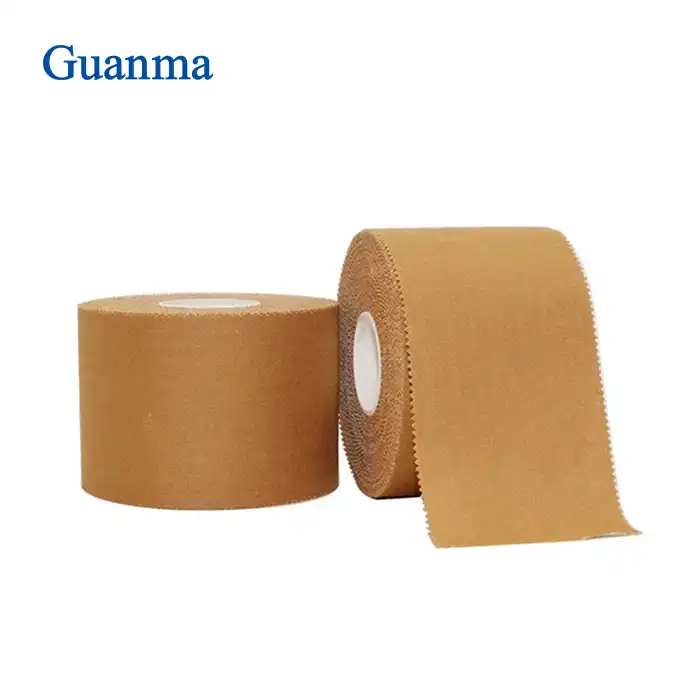
There is a lot of cloth surgical tape used in hospitals, clinics, and emergency rooms around the world. This fabric tape is flexible and sticks strongly, unlike hard plastic options. This makes it good for keeping dressings in place, keeping catheters stable, and supporting wound care routines for a wide range of patients.
Material Composition and Breathability
The framework of the fabric is what makes good cloth surgical tape work. Most items are made from knitted cotton or rayon fibers, which make the surface porous so air can flow while keeping skin in touch. This lets air flow through the tape, which keeps wetness from building up under it. This lowers the risk of skin soreness and maceration after long wear. Distributors who work with warm or wet markets should focus on options that are easy to breathe because these conditions make skin problems caused by moisture worse.
Adhesive Strength and Skin Compatibility
Different companies and product lines make adhesives that are very different from one another. When it comes to surgery settings where dressings need to stay in place while the patient moves, zinc oxide-based adhesives are highly valued for their strong initial stickiness and steady holding power. When you want to remove acrylic glue, they are easier to do without hurting sensitive or older skin. Figuring out which glue chemistry will work best for your marketing portfolio depends on what your target market wants.
Types of Cloth Surgical Tape for Bulk Distribution
When medical wholesalers go to buy tape, they usually come across a few different types:
Standard Cotton Tape: Standard cotton cloth surgical tape is the workhorse of medical adhesives. It works reliably for both ordinary wound care and surgery tasks. Its modest price and wide range of uses make it perfect for sending in large quantities to hospitals and clinics that deal with a wide range of patient needs.
Waterproof and Water-Resistant Options: These special tapes have barrier coats or treatments that keep the cloth flexible while keeping water away. These versions are preferred by healthcare facilities that use hydrotherapy or surgical units that do a lot of fluid-heavy treatments because they can stick to difficult surfaces.
Latex-Free Formulations: About 4–6% of the general population is sensitive to latex, and that number is even higher among healthcare workers. Because of this, latex-free cloth surgical tape has gone from being a specialty item to a standard requirement. Distributors who don't have a wide range of latex-free options run the risk of losing contracts with medical schools that care about safety.
There are more benefits to buying in bulk than just lower unit costs. When you get all of your products from the same maker, they will be the same across your entire delivery network. This makes it easier to train end users and less stressful when it's time to restock. When you make a volume promise, you can often get custom packing, private labeling, and priority production scheduling, all of which help you compete with companies whose supply chains aren't as well-connected.
Bulk Cloth Surgical Tape vs. Other Surgical Tape Types: A Distribution Perspective
Distributors who want to offer competitive products need to know how cloth surgical tape stacks up against other types of glue. There are different kinds of tapes for different medical uses, and good marketing methods find a balance between the types of tapes and their uses.
Performance Comparison Across Tape Categories
Medical tape made of cloth is in the middle of cheap and expensive goods. Paper surgical tape sticks to surfaces more gently and comes off more cleanly, but it doesn't have the tensile strength to hold heavy bandages in place or provide compression support. Plastic and polypropylene tapes are better at keeping wetness out and letting you see what's going on with a cut, but they are less breathable and can't be shaped to fit around joints and other body parts.
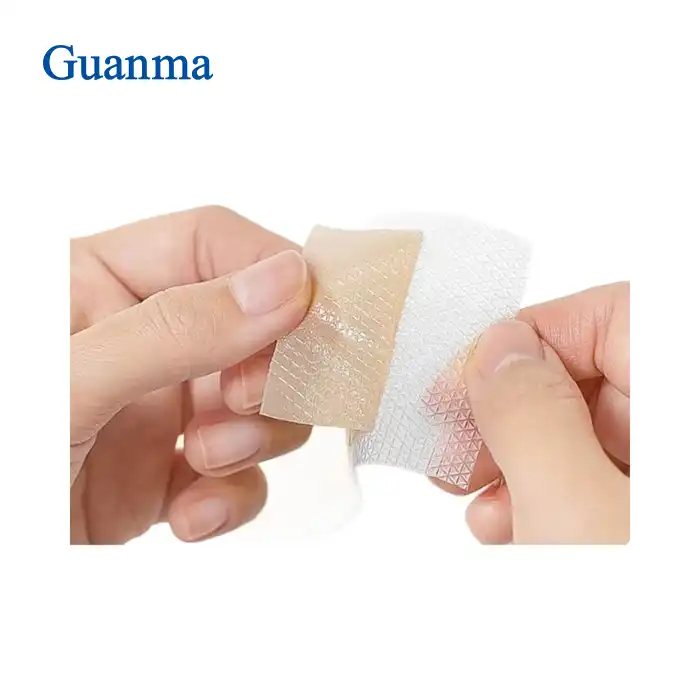
Silicone-based medical tapes are high-end options that work very well with most skin types and are easy to remove. Because these goods are more expensive, they can only be sold in certain wound care situations and to people who are known to be sensitive to adhesives. Cloth surgical tape is the perfect middle ground between basic paper options and high-end silicone options. It has better longevity and adhesion power at a price that healthcare facilities on a budget can afford to buy in bulk.
Durability and Shelf Life Considerations
Adhesive decay makes it harder to keep track of goods and makes customers less happy. When kept properly, good-quality cloth surgical tape keeps its adhesion properties for 24 to 36 months, giving dealers enough time to turn over their stock without going out of style too quickly. Hydrocolloid and silicone custom tapes, on the other hand, may not last as long or may need to be stored in a way that makes warehouse operations more difficult.
The weather has a big effect on how well tapes work when they are being shipped and stored. Too much heat can soften adhesives, which could lead to blocking, where layers of tape stick together on the roll. When it's cold, the initial stickiness can go down, which can make it harder to use in offices that aren't warm or in the field. Distributors who work with a lot of different areas should make sure that the testing done by the maker includes temperature cycling methods that are similar to how things are stored and shipped in real life.
Market Segmentation by Application
Knowing how the cloth surgical tape will be used in the end helps wholesalers send the right types of tape to the right customers. In general surgery areas, adhesion strength and ease of tearing are given the most weight so that materials can be used quickly during treatments. For supportive compression bands and protected padding, orthopedic and sports medicine settings look for materials that are flexible and strong when pulled apart. Home healthcare distributors need goods that are easy for workers who aren't trained to use and that are easy for patients who aren't very dexterous to take off.
As more allergen-reduction measures are put in place by healthcare facilities, the hypoallergenic market continues to grow. When distributors get ahead of this trend, they can get a bigger share of the market while rivals fight to change their products and train their sales teams to use more sensitive language.
Procurement Insights: How to Buy Bulk Cloth Surgical Tape Successfully
To buy in bulk effectively, you need to evaluate sources, goods, and business terms in a structured way. When distributors buy cloth surgical tape with the same care they use when buying expensive capital tools, they avoid problems in the supply chain and make more money.
Supplier Evaluation and Certification Requirements
Medical gadget laws require that everyone in the supply chain follow them. Distributors have to make sure that manufacturers are currently certified with ISO 13485, which is a widely known standard for quality control in medical equipment. This certification shows that the company keeps written records of its design control, risk management, and methods for corrective action that prevent quality breakdowns from happening.
Conformity with the European Medical Device Regulations is shown by a CE mark. This is important for wholesalers that sell to international markets or for global healthcare organizations that have standard buying policies across regions. Even though it's not always necessary for products to be sold in the U.S., CE certification shows that a company is serious about meeting strict legal standards that often go beyond the basic requirements in the U.S.
Brand Reputation and Manufacturing Stability
Well-known brands like 3M, Johnson & Johnson, and Medline got their good names by always meeting quality standards and government rules. These companies make it easier to buy things because they offer stable supplies and consistent products. However, their higher minimum order amounts and higher prices can make it hard for smaller wholesalers or companies that are just starting to sell their products.
Mid-level makers, such as Guanma Medical, offer quality approvals, easy customization, and lower order minimums. Since we started our medical tape business, we have kept up with ISO 13485 and CE standards. This shows that we are committed to international quality standards and gives growing distributors the flexibility they need to quickly respond to market possibilities.
Pricing Structures and Volume Incentives
When two businesses deal with each other, a clear price builds trust. Reliable makers make it clear at what point bulk discounts start to apply. These discounts are usually based on production batch sizes or the best way to use shipping containers. Knowing these limits helps wholesalers place orders that get the best value for money without putting too much strain on their working capital through extra inventory.
Sample access shows that the maker trusts you and lowers the risk of buying something. Instead of custom-made demonstration units, distributors should ask for samples that are representative and match the production standards. Before committing to full container sales, sending samples through your distribution network to real end users for testing gives you useful feedback.
Logistics and Supply Chain Management
Lead times depend on how complicated the product is and how the maker plans to make it. For stock items, standard cloth surgical tape usually ships within two to four weeks. For special recipes or private marking, shipping times can be up to eight weeks. Distributors who run just-in-time inventory systems need providers whose production cycles can be predicted and who tell them ahead of time when their schedules change.
When you move things across international borders, things like customs paperwork, tax classification, and import rules can get complicated. When manufacturers have experience with export markets, they know how to provide the right business invoices, certificates of analysis, and regulatory paperwork to keep customs processing from taking too long and costing too much. We have detailed export processes for the US, the EU, and ASEAN countries, among other big markets. This makes sure that our distribution partners can do business easily across borders.
Best Practices for Using and Handling Cloth Surgical Tape in Bulk
Product quality means little if improper handling degrades performance before reaching end-users. Distributors who use strict rules for storage, handling, and quality checks protect their image and get the most use out of their product investments through reliable cloth surgical tape management.
Storage Conditions and Environmental Control
The science of adhesives stays steady in certain temperature and humidity ranges. When kept between 50°F (10°C) and 80°F (27°C), with a relative humidity below 70%, most cloth surgical tape works best. Going beyond these limits speeds up the aging process of the glue, which could lead to stiffening that loses its stickiness or softening that makes application messy.
Direct sunlight should not be allowed in warehouses because UV radiation breaks down both glue and fabric backing. Even short-term exposure during shipping or getting can damage the structure of a product in ways that aren't obvious until weeks later, when end users have problems with adhesion.
Quality Control and Batch Verification
By following the receiving inspection guidelines, you can find problems with the way goods were made before they get into your inventory system. A visual check should prove that the roll is wound correctly, with no wrinkles, even edges, and clean backing paper release. If the adhesive bleeds onto the backing or leaves edges that are exposed, it means there were problems with the production control. The seller should be notified, and the batch could be rejected.
Testing for binding on a regular basis is an objective way to confirm function. Simple peel tests with measured force gauges show that goods stay true to their specifications for the whole time they're in the store. Distributors can do these tests on arriving shipments and regularly while the goods are being stored. This creates proof of due care in case a customer complains.
Application Guidance for End-Users
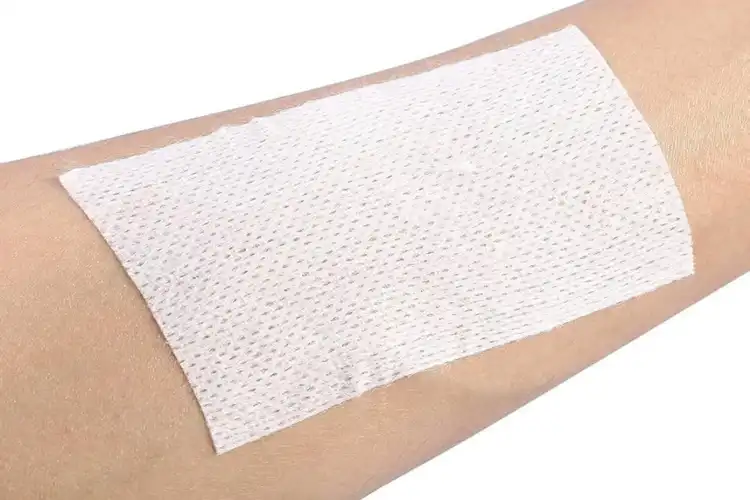
Even though wholesalers don't usually put on wholesale surgical cloth tape themselves, knowing how to do it right makes your value offering stronger by teaching customers. Skin that is clean and dry is the best area for bonding. Even the strongest glue can't stick to things that are still wet, oily, or lotiony.
The right amount of strain during application keeps blood flow from being slowed down and makes sure the patch stays in place securely. Cloth surgical tape should gently mold to curved surfaces without stretching, because too much strain builds up mechanical energy that finally breaks through the adhesive bonding and lifts the edges.
Why Choose Guanma for Your Bulk Cloth Surgical Tape Needs?
When it comes to our marketing agreements, Guanma Medical has more than 28 years of specialized knowledge in making cloth surgical tape and pressure-sensitive adhesive technology. Since 1996, we have only worked on making coatings and production methods that work best for medical uses. This has given us a lot of experience that guides all of our product development and quality systems.
Comprehensive Certification and Quality Assurance
Our manufacturing processes are still certified with ISO 13485, which shows that we are dedicated to medical device quality control systems that meet global standards. The CE stamp on our products shows that they meet the requirements of the European Medical Device Regulations. This gives your customers the proof they need to meet their own legal responsibilities. The fact that we have ISO 9001 certification shows that we are committed to consistent processes and constant growth across all of our business activities.
Biocompatibility tests are done on all types of cloth surgical tape according to ISO 10993 guidelines. We give full test results that include cytotoxicity, sensitization, and itching endpoints. This way, your customers can be sure that the product is safe for long-term skin contact. These aren't general claims of capabilities; they're unique documentation for each type of product we make.
Customization Capabilities That Support Your Market Strategy
Our research and development team works directly with wholesalers to create adhesives that are best for certain medical uses or market groups. We can quickly change our chemistry without affecting quality or following the rules, whether you need better bonding in damp places, kinder formulas for kids, or special coatings for specific wound care routines.
Customizing packaging is more than just putting a brand on it. We can make them in a variety of sizes, print them with clinical directions or material in multiple languages, and package them in unique ways that help your brand stand out. With private labeling choices, dealers can build their own brands while using our manufacturing know-how and quality control systems.
Responsive Service and Technical Support
Our skilled service team is available 24 hours a day, seven days a week, to answer technology questions, rush orders, and fix problems with applications. We know that delivering medical supplies takes place in different time zones and that problems in the supply chain don't care about work hours. Our team gives you answers instead of excuses when you need a quick reaction.
Support for technical paperwork makes meeting your regulatory responsibilities easier. We offer safety data sheets, certificates of analysis, and product specs that are formatted to meet the needs of healthcare buyers. This documentation system makes it easier for you to manage documents and makes sure you can quickly reply to customer calls for compliance verification.
Proven Track Record in Global Markets
Along with wholesalers, hospital networks, and pharmacy chains in several countries, Guanma Medical has formed long-term relationships. Our goods are used by people in a wide range of healthcare settings, from high-tech surgical centers to rural clinics. This shows that they are flexible and reliable in a variety of legal and clinical situations. Our product development is based on this worldview, which makes sure that our cloth surgical tape works the same way everywhere in your marketing network.
We see the success of our distributors as our own. We don't just do business with our suppliers; instead, we build partnerships with them by offering professional help, sharing market information, and working together to solve problems. Your growth makes our production size bigger, which is good for both of us and makes both of our businesses stronger over time.
Conclusion
Finding the best bulk cloth surgical tape provider means finding a balance between product quality, legal compliance, customizable options, and business terms that work with your marketing strategy. As the medical glue market continues to change, hypoallergenic formulas, full paperwork, and openness in the supply chain are becoming more important. When distributors work with makers that offer technical know-how, quality approvals, and quick customer service, they can take advantage of rising demand while keeping their product lines risk-free. Carefully looking at what your supplier can do, being clear about what your market needs, and having structured quality control methods set the stage for long-lasting, successful distribution relationships that help both healthcare workers and customers.
FAQ
Is cloth surgical tape water-resistant?
Standard cloth surgical tape isn't completely waterproof, but it's moderately resistant to water, so it stays stuck even when it gets wet for a short time, like when you wash your hands or sweat a little. Specialized waterproof versions have protective layers that offer better protection for uses that need to be in water for a long time, but they usually cost more and may make it harder for the product to breathe. Distributors should make sure that customers understand what water protection they need so they can suggest the right product grades.
Can cloth surgical tape be used on patients with latex allergies?
Many new types of cloth surgical tape don't contain latex, which helps the large group of people who are allergic to latex. Instead of thinking that all cloth tapes meet this standard, distributors need to check the manufacturer's paperwork to make sure the tape is latex-free. Products that are labeled as hypoallergenic go through extra testing to make sure they are safe for people who are prone to allergies. This gives sensitive groups an extra safety cushion.
How does cloth surgical tape differ from other medical adhesive tapes?
Cloth surgical tape is better than paper tape because it can be shaped better and has higher tensile strength. This makes it better for holding heavy bandages in place or giving compression support. Unlike plastic tapes, cloth choices let your skin breathe, which lowers the risk of skin problems caused by moisture after long wear. Silicone tapes are easier to remove, but they are also much more expensive. For most general medical uses, cloth tape is the best mix of performance and value.
Partner with Guanma Medical for Quality Cloth Surgical Tape Solutions
Guanma Medical makes medical adhesive tapes and wound care bandages that are specially made to meet the needs of wholesalers around the world. We are a qualified producer of cloth surgical tape with ISO 13485, CE, and ISO 9001 certifications. Our consistent quality is backed by full biocompatibility tests and legal documentation. Our OEM and ODM services let you completely customize everything about your products, from the adhesive to the size and style of the package to the private labeling that lets you set your products apart. Email betty@guanmamedical.com to get samples, talk about bulk prices, or find out how our 28 years of experience with PSA coating can help you add reliable, compliant cloth surgical tape solutions to your medical supply business.
References
1. American Society for Testing and Materials. (2021). Standard Specification for Pressure-Sensitive Tape for Medical Use. ASTM International Standards.
2. European Medical Device Regulation Guidance Group. (2020). Regulatory Framework for Medical Adhesive Products: Compliance and Safety Standards. EU MDR Publications.
3. Healthcare Supply Chain Association. (2022). Best Practices in Medical Consumables Procurement: A Guide for Distributors. HSCA Industry Report Series.
4. International Organization for Standardization. (2019). ISO 10993: Biological Evaluation of Medical Devices - Part 10: Tests for Irritation and Skin Sensitization. ISO Standards Catalog.
5. Journal of Wound Care Management. (2023). Comparative Performance Analysis of Surgical Tape Technologies in Clinical Applications. Volume 32, Issue 4, pp. 156-168.
6. Smith, R. & Johnson, M. (2022). Medical Adhesive Technology: Materials Science and Clinical Applications. Healthcare Materials Publishing, Boston.