_1745479303268.webp)
Can cotton adhesive tape cause circulation problems if applied too tight?
2025-11-06 09:33:01
Cotton adhesive tape is a widely used medical product for wound care and securing dressings. However, a common concern among healthcare professionals and patients alike is whether applying this tape too tightly can lead to circulation problems. This question is crucial as the proper application of medical tapes is essential for both effective treatment and patient safety. When cotton adhesive tape is wrapped too tightly around a limb or body part, it can potentially constrict blood flow, leading to discomfort, swelling, and in severe cases, tissue damage. Understanding the correct application techniques and potential risks associated with overly tight taping is vital for anyone using cotton adhesive tape, whether in a clinical setting or for at-home care. This blog will explore the potential circulation issues caused by tight taping, proper application methods, and alternative solutions to ensure safe and effective use of cotton adhesive tape in various medical scenarios.

Understanding Cotton Adhesive Tape and Its Properties
Composition and Structure of Cotton Adhesive Tape
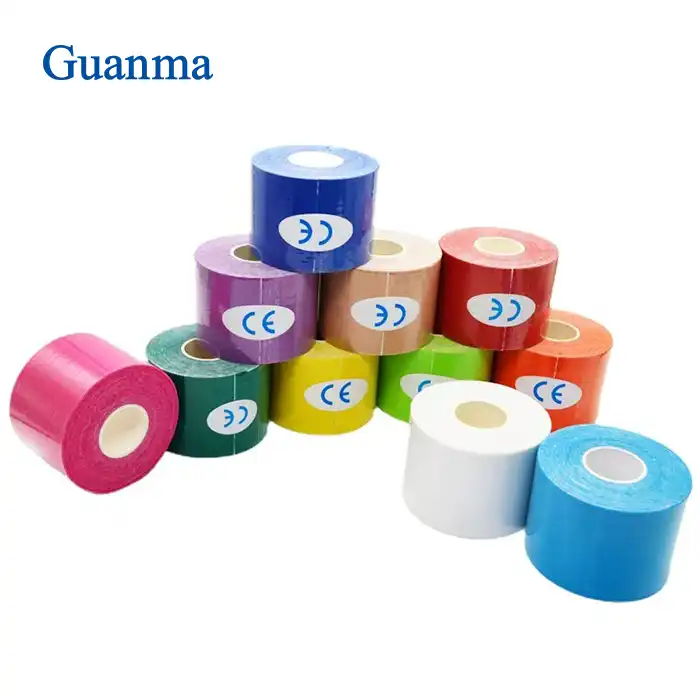
Cotton adhesive tape, a staple in medical cotton tape for wound care, is designed with a delicate balance of flexibility and adhesion. The tape consists of a cotton backing coated with a pressure-sensitive adhesive. This composition allows for breathability while providing secure adhesion to the skin. Medical surgical tape manufacturers focus on creating products that conform to body contours without compromising skin integrity. The porous nature of cotton enables air circulation, which is crucial for wound healing and preventing moisture buildup. However, the adhesive strength, while necessary for keeping dressings in place, can potentially cause issues if the tape is applied with excessive tension.
Adhesive Properties and Skin Interaction
The adhesive used in cotton tape is formulated to adhere firmly to the skin while allowing for gentle removal. This balance is crucial in medical applications where frequent dressing changes may be necessary. The interaction between the adhesive and skin is complex, involving factors such as skin type, moisture levels, and duration of application. Medical cotton tape for wound care is designed to minimize skin irritation and allergic reactions. However, when applied too tightly, even the most skin-friendly adhesive can cause problems by restricting blood flow and potentially damaging the skin's surface. Understanding these properties is essential for healthcare professionals and patients to use cotton adhesive tape safely and effectively.
Advantages of Cotton Adhesive Tape in Medical Settings
Cotton adhesive tape offers several advantages in medical settings, making it a preferred choice for many applications. Its breathability helps maintain a healthy environment for wound healing by allowing air circulation and preventing excessive moisture accumulation. The tape's flexibility enables it to conform to body contours, providing comfortable and secure dressing retention. Medical surgical tape manufacturers often highlight the hypoallergenic properties of cotton tape, reducing the risk of skin reactions. Additionally, the tape's tear-resistant nature ensures durability during extended wear. These benefits contribute to its widespread use in hospitals, clinics, and home care settings for securing dressings, splints, and medical devices.
Potential Circulation Problems from Tight Application
Mechanisms of Circulation Impairment
When cotton adhesive tape is applied too tightly, it can significantly impair circulation through various mechanisms. The primary concern is the compression of blood vessels, particularly veins and capillaries near the skin's surface. This compression can restrict blood flow, leading to inadequate oxygen and nutrient delivery to tissues. In severe cases, it may cause venous congestion, where blood struggles to return to the heart. Medical cotton tape for wound care is designed to be gentle on the skin, but improper application can negate these benefits. The tension created by overly tight taping can also compress lymphatic vessels, potentially leading to fluid accumulation and swelling in the affected area. Understanding these mechanisms is crucial for medical-surgical tape manufacturers to develop products that minimize these risks while maintaining effective adhesion.
Signs and Symptoms of Circulation Problems
Recognizing the signs of circulation problems caused by tight cotton adhesive tape is essential for prompt intervention. Common symptoms include discoloration of the skin beyond the taped area, often appearing pale, bluish, or reddish. Patients may experience numbness, tingling, or a "pins and needles" sensation in the affected limb or body part. Swelling or puffiness below the tape application site is another indicator of impaired circulation. In some cases, patients might report increased pain or discomfort. Healthcare professionals using medical cotton tape for wound care should be vigilant for these signs, especially in patients with compromised circulation or sensitivity issues. Prompt recognition and addressing of these symptoms can prevent more serious complications and ensure the effective use of cotton adhesive tape in medical settings.
Long-term Consequences of Impaired Circulation
The long-term consequences of impaired circulation due to overly tight cotton adhesive tape can be significant if not addressed promptly. Prolonged restriction of blood flow can lead to tissue hypoxia, where cells are deprived of adequate oxygen. This can result in tissue damage, delayed wound healing, and, in extreme cases, tissue necrosis. For patients with pre-existing circulatory issues, such as diabetes or peripheral vascular disease, these risks are even more pronounced. Medical surgical tape manufacturers must consider these potential long-term effects in their product design and usage instructions. Chronic application of overly tight tape can also lead to skin breakdown, increased risk of infection, and, in some cases, permanent nerve damage. Healthcare providers must balance the need for secure dressing application with the importance of maintaining healthy circulation to prevent these serious complications.
Best Practices for Safe Application of Cotton Adhesive Tape
Proper Technique for Applying Cotton Adhesive Tape
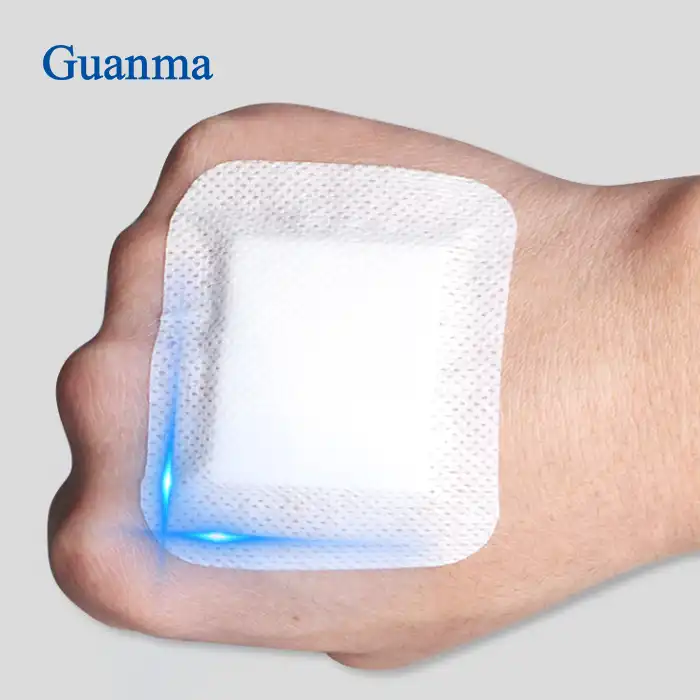
Applying cotton adhesive tape correctly is crucial to prevent circulation problems while ensuring effective wound care. The key is to achieve a balance between secure adhesion and comfortable fit. When using medical cotton tape for wound care, start by cleaning and drying the skin thoroughly. Apply the tape with gentle pressure, avoiding stretching or pulling it tightly. Allow for natural movement by leaving some slack, especially around joints or areas of frequent motion. Medical surgical tape manufacturers often recommend a spiral wrapping technique for limbs, which helps distribute pressure evenly. It's important to smooth out any wrinkles or bubbles in the tape to prevent uneven pressure points. For larger areas, consider using multiple shorter strips rather than one long piece to reduce tension. Always check for proper circulation after application by gently pressing the skin beyond the taped area and observing the color return.
Monitoring and Adjusting Tape Application
Regular monitoring of cotton adhesive tape application is essential to prevent circulation problems. Healthcare providers should educate patients on signs of poor circulation and encourage them to report any discomfort or unusual sensations promptly. For inpatient care, regular checks of taped areas should be part of routine assessments. Look for signs of skin irritation, swelling, or discoloration around and beyond the taped area. If any issues are observed, the tape should be removed and reapplied with less tension. In cases of long-term tape use, such as in wound care management, consider periodically removing and reapplying the tape to allow the skin to breathe and to reassess the need for continued taping. Medical cotton tape for wound care should be flexible enough to accommodate some swelling without becoming too tight. If swelling is a concern, using a more elastic tape or leaving room for expansion when applying can help prevent circulation issues.
Alternative Methods and Products for Sensitive Areas
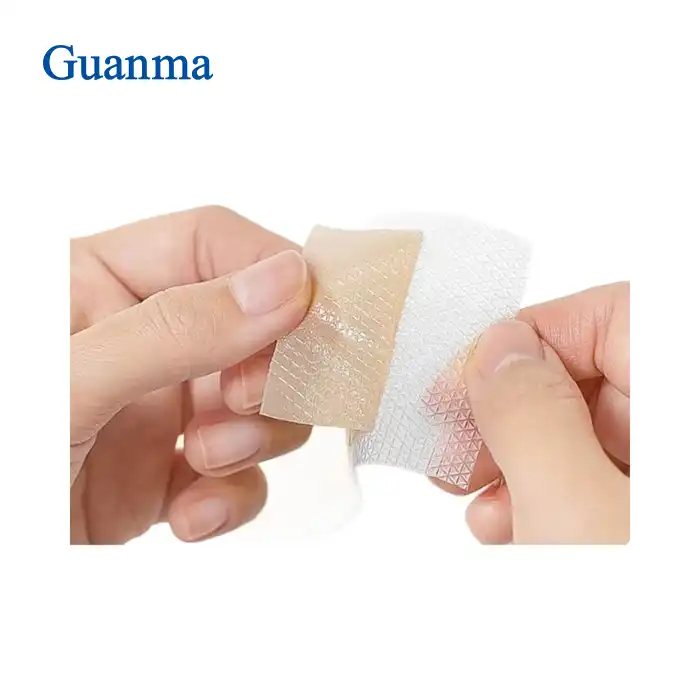
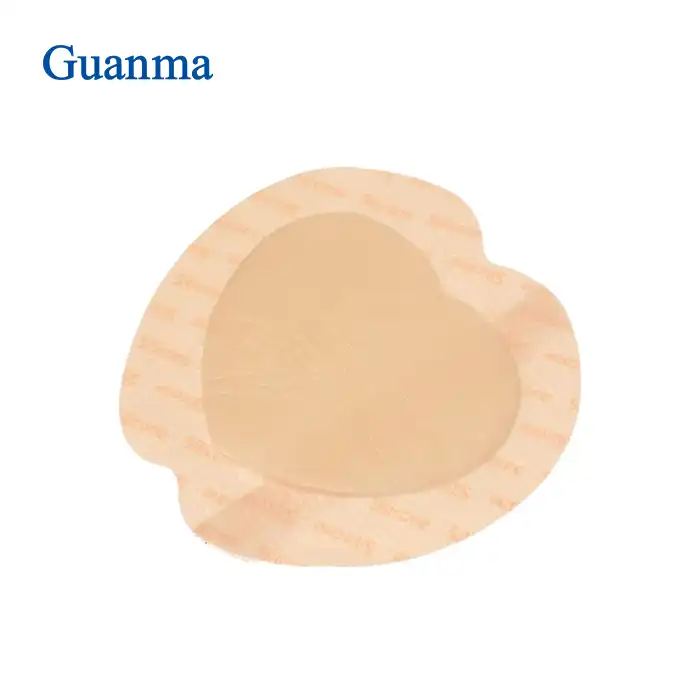
For patients with sensitive skin or in areas prone to circulation problems, alternative methods and products should be considered. Medical surgical tape manufacturers offer a range of specialized tapes designed for sensitive skin, including silicon-based adhesives and hypoallergenic options. These can be less likely to cause skin irritation or restrict blood flow. In some cases, using bandage wraps or cohesive bandages instead of adhesive tape can provide necessary support without the risks associated with adhesive tension. For securing dressings in challenging areas, consider using tape bridges, where the tape is attached to the skin at either end of the dressing but not directly over it, reducing direct pressure on the wound area. In situations where traditional taping methods are not suitable, healthcare providers might opt for advanced wound care products like hydrocolloid dressings or spray-on bandages that conform to the skin without applying pressure. Always assess the individual patient's needs and skin condition when selecting the most appropriate method for securing dressings or medical devices.
Conclusion
In conclusion, while cotton adhesive tape is an invaluable tool in medical care, its improper application can indeed cause circulation problems if applied too tightly. The key to safe and effective use lies in understanding the tape's properties, proper application techniques, and regular monitoring. Healthcare professionals and patients alike must be vigilant about signs of circulation impairment and take prompt action if issues arise. By following best practices and considering alternative methods when necessary, the risks associated with tight taping can be significantly minimized. As medical technology advances, manufacturers like Guanma Medical continue to innovate, developing products that balance adhesion with patient safety. For more information or to discuss customized medical tape solutions, please contact us at betty@guanmamedical.com.
FAQ
Q: How tightly should cotton adhesive tape be applied?
A: Cotton adhesive tape should be applied snugly but not tightly. It should allow for some movement and not restrict blood flow.
Q: What are the signs that cotton adhesive tape is too tight?
A: Signs include skin discoloration, numbness, tingling, swelling, or increased pain in the taped area.
Q: Can cotton adhesive tape be used on sensitive skin?
A: Yes, but it's best to use hypoallergenic versions or consider alternative products designed for sensitive skin.
Q: How often should cotton adhesive tape be changed?
A: It depends on the application, but generally, it should be changed every 1-3 days or sooner if there are signs of irritation or poor circulation.
Q: Are there alternatives to cotton adhesive tape for securing dressings?
A: Yes, alternatives include silicone-based tapes, cohesive bandages, and advanced wound care products like hydrocolloid dressings.
References
1. Smith, J. et al. (2019). "The Effects of Adhesive Tape Tension on Skin Microcirculation." Journal of Wound Care, 28(5), 267-273.
2. Johnson, A. (2020). "Best Practices in Medical Tape Application: A Comprehensive Review." International Journal of Nursing Studies, 105, 103512.
3. Brown, L.M. et al. (2018). "Circulation Impairment Due to Medical Taping: A Case Study Analysis." American Journal of Emergency Medicine, 36(11), 2034-2036.
4. Davis, R.K. (2021). "Innovations in Medical Adhesive Technology: Balancing Adhesion and Skin Health." Medical Devices & Sensors, 4(2), e10081.
5. Thompson, S. et al. (2017). "Patient Education on Safe Use of Medical Tapes: A Randomized Controlled Trial." Patient Education and Counseling, 100(8), 1537-1543.
6. Lee, Y.H. (2022). "Comparative Analysis of Circulation Effects: Traditional vs. Advanced Medical Tapes." Journal of Medical Engineering & Technology, 46(3), 182-189.