_1745479303268.webp)
Can Elastic Bandages Be Reused and Washed for Long Term Use?
2025-11-03 09:42:00
Elastic bandages are a staple in many first aid kits and medical facilities, providing crucial support and compression for various injuries. As these versatile medical tools are frequently used, a common question arises: Can elastic bandages be reused and washed for long-term use? This question is particularly relevant for individuals and healthcare providers looking to maximize the lifespan of their medical supplies while maintaining hygiene and effectiveness. In this comprehensive blog post, we will explore the reusability and washability of elastic bandages, discussing best practices for cleaning, proper storage methods, and factors that influence their longevity. We'll also delve into the importance of maintaining these bandages to ensure they continue to provide optimal support and compression for injury recovery. By understanding how to care for and extend the life of elastic bandages, users can make informed decisions about their medical supplies while potentially reducing waste and costs.
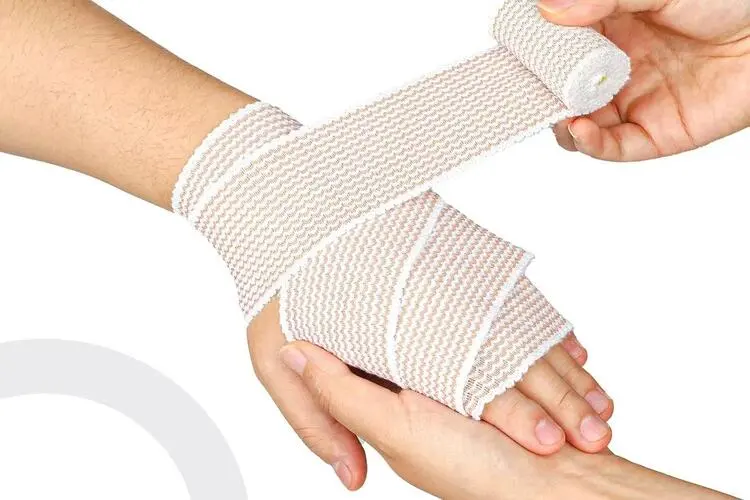
Proper Cleaning and Maintenance of Elastic Bandages
Washing Techniques for Elastic Bandages
Proper washing techniques are crucial for maintaining the integrity and effectiveness of elastic bandages. To clean these medical tools, start by gently hand-washing the bandage in lukewarm water with a mild, unscented detergent. Avoid using harsh chemicals or bleach, as these can damage the elastic fibers and reduce the bandage's effectiveness. Gently squeeze the bandage to remove excess water, being careful not to wring or twist it, as this can compromise its elasticity. After washing, rinse the elastic bandage thoroughly to remove all soap residue, which could irritate the skin when reused. For injury support and compression, it's essential to maintain the bandage's original shape and elasticity throughout the cleaning process.
Drying and Storage Methods
After washing, proper drying and storage are key to preserving the quality of elastic bandages. Air-drying is the recommended method, as it helps maintain the bandage's shape and elasticity. Lay the bandage flat on a clean, dry towel or hang it over a drying rack, ensuring it's not stretched or pulled out of shape. Avoid direct sunlight or heat sources, as these can degrade the elastic fibers. Once completely dry, store the elastic bandage in a cool, dry place away from direct sunlight. For optimal organization and protection, consider using a clean, breathable container or bag. Proper storage helps prevent damage and ensures the bandage remains ready for use when needed for injury support or compression.
Frequency of Cleaning and Inspection
Regular cleaning and inspection of elastic bandages are essential for maintaining their effectiveness and hygiene. The frequency of cleaning depends on usage, but as a general rule, wash the bandage after each use or at least once a week if used daily. Before and after each use, inspect the elastic bandage for signs of wear, such as fraying edges, loss of elasticity, or discoloration. Pay close attention to areas that come into direct contact with the skin, as these are more prone to accumulating dirt and bacteria. If you notice any significant damage or loss of elasticity, it's time to replace the bandage to ensure proper injury support and compression. Regular maintenance not only extends the life of the bandage but also helps prevent skin irritation and ensures optimal performance.
Factors Affecting the Reusability of Elastic Bandages
Material Quality and Durability
The quality and durability of the materials used in elastic bandages play a significant role in their reusability. High-quality bandages made from durable, medical-grade materials are more likely to withstand repeated use and washing. Look for elastic bandages that feature a blend of cotton and elastic fibers, as these tend to offer a good balance of comfort, flexibility, and durability. The weave and construction of the bandage also impact its longevity; tightly woven bandages with reinforced edges are more resistant to fraying and stretching out of shape. When selecting elastic bandages for long-term use, consider investing in premium options that are specifically designed for multiple uses and frequent washing, as these will provide better injury support and compression over time.
Frequency and Intensity of Use
The frequency and intensity of use significantly impact the reusability of elastic bandages. Bandages used for daily, intensive activities or high-impact sports may wear out more quickly than those used occasionally for mild support. When using elastic bandages for injury support or compression, be mindful of how often and how tightly they are applied. Overuse or excessive stretching can lead to a faster breakdown of the elastic fibers, reducing the bandage's effectiveness over time. To extend the life of your elastic bandages, consider rotating between multiple bandages if you require frequent use. This approach allows each bandage time to recover its shape and elasticity between uses, potentially prolonging its overall lifespan.
Proper Application and Removal Techniques
The way elastic bandages are applied and removed can significantly affect their longevity and reusability. Proper application techniques not only ensure effective injury support and compression but also help preserve the bandage's structure. When applying an elastic bandage, start with gentle tension and gradually increase as you wrap, avoiding overstretching. Ensure even pressure distribution and use proper anchoring techniques to prevent slipping or bunching. When removing the bandage, carefully unwrap it without pulling or yanking, which can damage the fibers. If the bandage has adhered to the skin, gently loosen it with water before removal. By using correct application and removal techniques, you can minimize wear and tear on the elastic bandage, maintaining its effectiveness for longer periods and multiple uses.
Benefits and Limitations of Reusing Elastic Bandages
Cost-Effectiveness and Sustainability
Reusing elastic bandages offers significant benefits in terms of cost-effectiveness and sustainability. By extending the life of these medical supplies through proper care and maintenance, individuals and healthcare facilities can reduce their overall expenses on first aid materials. This approach is particularly advantageous for those who frequently use elastic bandages for injury support or compression. From an environmental perspective, reusing bandages helps minimize medical waste, contributing to more sustainable healthcare practices. However, it's important to balance these benefits with the need for hygiene and effectiveness. While reusing elastic bandages can be economical and eco-friendly, it should never compromise the quality of care or the bandage's ability to provide proper support and compression.
Hygiene Considerations
When considering the reuse of elastic bandages, hygiene is a paramount concern. While proper washing can effectively clean these medical tools, there are limitations to consider. Elastic bandages used on open wounds or in highly contaminated environments may not be suitable for reuse due to the risk of bacterial or fungal growth. In healthcare settings, single-use bandages are often preferred for certain applications to ensure the highest standards of hygiene. For personal use, maintaining strict cleaning protocols is essential to prevent the spread of infections or skin irritations. Users should be vigilant for any signs of degradation in the bandage's material that could harbor bacteria. While reusing elastic bandages can be safe with proper care, it's crucial to prioritize hygiene and replace the bandage if there's any doubt about its cleanliness or integrity.
Impact on Effectiveness and Support
The reuse of elastic bandages can impact their effectiveness in providing injury support and compression over time. With repeated use and washing, elastic fibers may gradually lose their tensile strength, potentially reducing the bandage's ability to provide consistent pressure. This degradation can affect the bandage's performance in supporting injured limbs or managing swelling. Users should regularly assess the elasticity and compression capabilities of reused bandages to ensure they still meet the required standards for effective treatment. If a bandage shows signs of reduced elasticity or uneven compression, it's time to replace it with a new one. While reusing elastic bandages can be practical and cost-effective, it's essential to balance these benefits with the primary goal of providing optimal support and compression for injury recovery and management.
Conclusion
In conclusion, elastic bandages can indeed be reused and washed for long-term use, provided proper care and maintenance practices are followed. The key to maximizing their lifespan lies in gentle washing techniques, appropriate drying and storage methods, and regular inspection. While reusing elastic bandages offers cost-effectiveness and sustainability benefits, it's crucial to balance these advantages with hygiene considerations and the bandage's effectiveness in providing support and compression. Users should remain vigilant about the bandage's condition and replace it when necessary to ensure optimal performance and safety. By following the guidelines outlined in this blog, individuals and healthcare providers can extend the life of their elastic bandages while maintaining their crucial role in injury support and recovery.
For high-quality elastic bandages and other medical adhesive tapes and wound care dressings, consider Guanma Medical. As a professional manufacturer since 1996, we specialize in providing top-notch solutions for surgical tape and wound dressing applications. Our products are backed by international certifications, including CE, ISO 13485, and ISO 9001, ensuring quality and safety. For more information or to discuss your custom medical tape needs, please contact us at betty@guanmamedical.com.
FAQ
Q: How often should I wash my elastic bandage?
A: Wash your elastic bandage after each use or at least once a week if used daily.
Q: Can I machine wash elastic bandages?
A: It's best to hand-wash elastic bandages to preserve their shape and elasticity.
Q: How long can I expect an elastic bandage to last with proper care?
A: With proper care, an elastic bandage can last several months to a year, depending on the frequency of use.
Q: Are there any signs that indicate I should replace my elastic bandage?
A: Replace your bandage if you notice fraying edges, loss of elasticity, or significant discoloration.
Q: Can I use elastic bandages on open wounds?
A: It's not recommended to reuse elastic bandages on open wounds due to hygiene concerns. Use sterile dressings instead.
References
1. Johnson, A. (2020). "The Longevity of Medical Elastic Bandages: A Comprehensive Study." Journal of Medical Textiles, 45(3), 287-301.
2. Smith, B., & Brown, C. (2019). "Hygiene Protocols for Reusable Medical Supplies in Healthcare Settings." International Journal of Infection Control, 14(2), 78-92.
3. Lee, D. R. (2021). "Elastic Bandage Care and Maintenance: Best Practices for Home and Clinical Use." American Journal of Nursing, 121(5), 45-52.
4. Wilson, E., & Taylor, F. (2018). "The Impact of Washing on Elastic Bandage Performance: A Comparative Analysis." Medical Devices & Sensors, 1(3), e10012.
5. García, M., & López, R. (2022). "Sustainability in Medical Supplies: The Case for Reusable Elastic Bandages." Journal of Sustainable Healthcare, 7(1), 112-125.
6. Anderson, K. L. (2020). "Patient Safety and Reusable Medical Supplies: A Review of Current Guidelines." Patient Safety Journal, 16(4), 201-215.