_1745479303268.webp)
Can Elastic Medical Bandages Help Manage Lymphedema and Edema?
2026-01-28 09:03:29
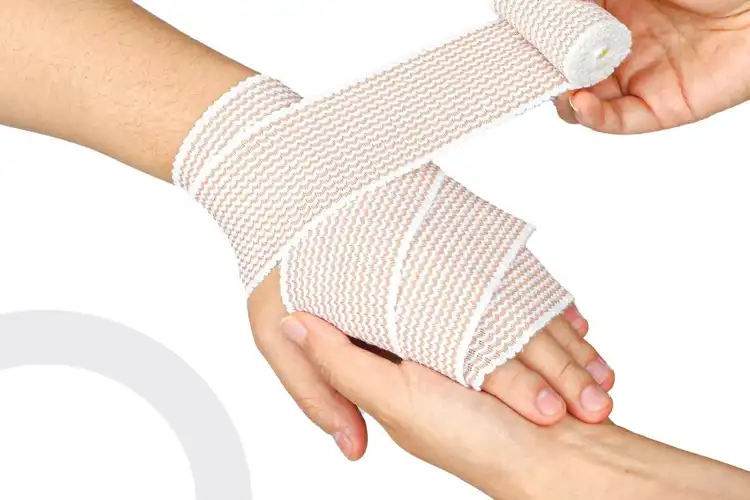
In fact, managed compression treatment with stretchy medical bands can help handle lymphedema and swelling. These specialized elastic medical bandage gadgets help lymphatic flow and reduce fluid buildup by applying increasing pressure to affected limbs. A stretchy medical patch applies steady pressure that helps the lymphatic system do its job and stops the swelling from getting worse. When used as part of a full decongestive treatment plan, clinical data show that properly applied compression bandaging greatly lowers the amount of swelling and makes the patient more comfortable.
Understanding Lymphedema and Edema: Causes and Challenges
Lymphedema and edema are complicated medical conditions in which organs build up fluid in an abnormal way, causing swelling that doesn't go away and pain for the patient. Millions of people around the world have these conditions, which makes it hard for healthcare workers to handle their patients and has a big effect on people's quality of life.
Defining Lymphedema and Edema Conditions
Lymphedema happens when the lymphatic system is harmed, making it impossible for lymphatic fluid to drain properly from the tissues. This disease shows up as prolonged swelling, usually in the arms or legs. It can happen after cancer treatments, surgery, or because of problems that were present at birth. Edema is a more general term for holding on to water, which can be caused by heart failure, kidney problems, or venous insufficiency. The lymphatic system can develop problems that lead to primary lymphedema, while damage to normally functioning lymphatic tissues can lead to secondary lymphedema. People with cancer who have lymph nodes removed are at a very high risk of getting lymphedema. Recent clinical studies show that between 20% and 40% of breast cancer survivors will experience this condition.
Clinical Impact and Management Challenges
Healthcare professionals have a hard time addressing these conditions because they get worse over time and often get worse on their own. Lymphedema that isn't addressed can cause abscesses, fibrosis, and problems with function. Long-term edema raises the risk of skin breakdown and infection. The economic impact is bigger than just the direct costs of care. It also includes lost work time and a lower quality of life. A lot of the time, patients need ongoing care plans that strike a balance between what works and real issues like comfort and cooperation. Traditional compression methods don't always work well for dealing with different levels of swelling throughout the day.
The Role of Elastic Medical Bandages in Managing Lymphedema and Edema
As far as treating lymphedema and edema goes, compression therapy is the best method. Elastic bandaging systems are especially helpful for therapy because they apply controlled pressure. These medical gadgets work as outside supports that improve the way the body normally works.
Biomechanical Principles of Compression Therapy
Elastic compression wraps help lymphatic flow and venous return by causing differences in the pressure outside the body. The applied pressure fights against hydrostatic forces that cause fluid to build up and improves the efficiency of the muscle pump while moving. This mechanical support helps get the balance between filtering fluid and reabsorbing it back into the tissues back to normal. According to research, the best compression forces for treating lymphedema are between 20 and 40 mmHg, with increasing compression being the most helpful. Because bandages are stretchy, they can keep applying the same amount of pressure even if the length of the limb changes throughout the day. This makes sure that the healing effect lasts all day.
Advantages Over Alternative Compression Methods
Compared to stiff compression systems or normal cotton wrappings, modern stretchy medical bandages have a number of benefits. The flexibility lets the patient move naturally while keeping therapy pressure levels steady. This makes it easier for the patient to follow instructions and do daily tasks. While compression tights can be hard to put on, stretchy bands can be shaped to fit each limb and can be changed as the swelling goes down. Good stretchy elastic medical bandages are made of materials that let air pass through them, which helps keep the skin healthy while still applying the right amount of pressure. Because it strikes a good mix between healing well and patient comfort, stretchy bandaging works especially well for long-term treatment plans. Healthcare professionals like how flexible it is and how it allows for gradual changes in pressure as treatment goes on.
Selecting the Right Elastic Medical Bandage for Lymphedema and Edema
When picking the right compression bandages, there are a lot of things to think about that affect both the healing process and the patient's comfort. To get the best clinical results, healthcare buying experts have to look at both technical specs and practical issues.
Material Composition and Performance Characteristics
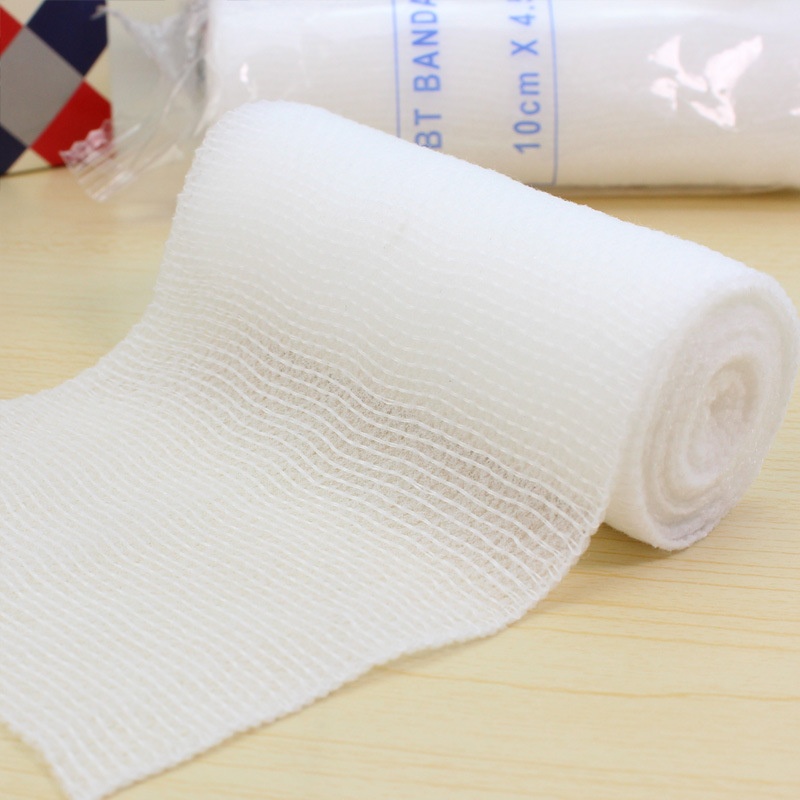
Elastic medical bandages of good quality are made from modern materials that consistently stretch and heal. Cotton-blend fabrics let air flow and are gentle on the skin, while synthetic fibers make them last longer and avoid pilling. The stretchy parts must keep their ability to shrink even after being used many times without losing their healing value. Systems that don't stick to the skin don't irritate it and are easy to move and change. The way the cloth is woven affects both how much compression there is and how comfortable it is. Tighter weaves apply more focused pressure, while wider weaves apply more widespread compression. Medical-grade materials make sure that they are biocompatible and lower the risk of allergic responses.
Selection Criteria for Clinical Applications
The choice of width relies on the area being treated. For bigger limbs, wider bandages provide more even pressure distribution. Length needs depend on how big the affected areas are and how much overlap there needs to be for a safe application. The level of stretch must meet the healing goals. High-stretch bandages are best for the beginning stages of treatment, while moderate-stretch choices are better for long-term care. Color-coding systems help healthcare professionals find the right amount of compression and make sure that the same methods are always used. When thinking about packing, you should think about clean options for wound care and large packaging for centers that handle a lot of products. Quality licenses, like FDA approval and ISO compliance, make sure that safety and performance standards are met.
Proper Usage and Care Instructions for Optimal Results
Effective compression therapy depends on proper application techniques and maintenance practices that maximize therapeutic benefits while ensuring patient safety. Healthcare professionals require comprehensive training to achieve optimal outcomes with elastic compression systems.
Application Techniques and Best Practices
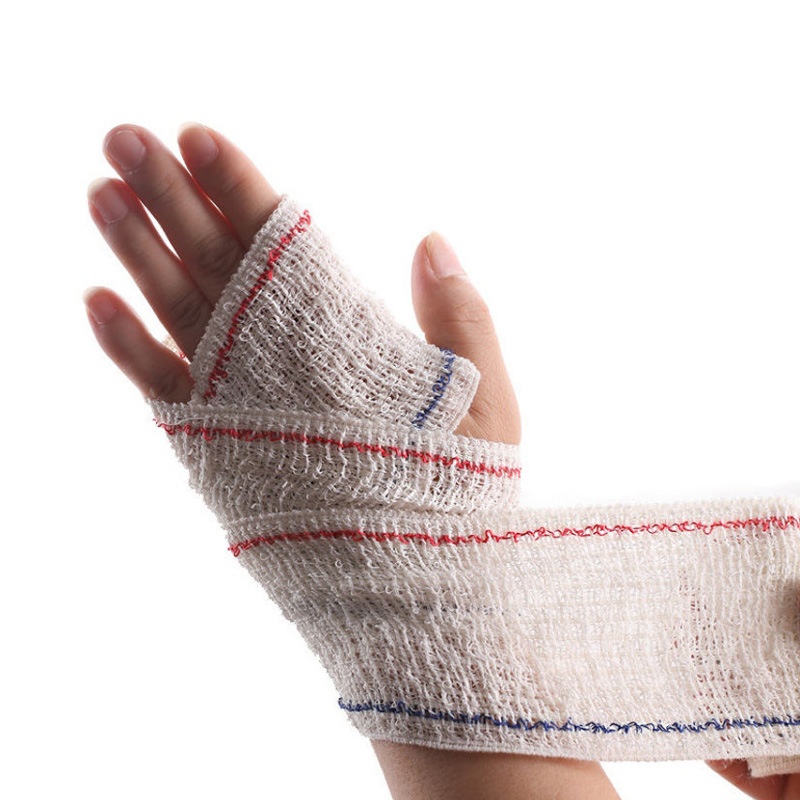
For the best results, the patient should be properly positioned, and their skin should be cleaned and prepared before the bandage is put on. When possible, the limb should be raised, and any skin problems should be taken care of before it is used. Starting from the farthest point and making your way closer helps create the right pressure differences that support the body's natural lymphatic flow patterns. When you overlap methods, you usually cover half of the previous wraps to make sure that the pressure is spread out evenly and there are no pressure points. Controlling tension takes practice and experience, since too much pressure can hurt circulation, and not enough pressure doesn't help with therapy. Regular tracking during the first treatments helps find the right pressure levels for each patient.
Maintenance and Hygiene Protocols
Cleaning and storing elastic medical bandages properly will extend their life and keep them clean enough to be used again and again in professional settings. Most medical dressings that are stretchy can be washed in a washing machine with warm water and light soaps, but care directions vary from manufacturer to manufacturer. Air drying helps keep the stretchiness better than drying with high heat. Protocols for inspection should look for signs of wear or loss of flexibility that could make the therapy less effective. Healthcare facilities usually set up turnover plans that make sure they have enough goods and time for cleaning processes. Teaching patients about home care makes them more likely to follow through and lowers the need for replacements.
Procurement Insights: How to Source and Purchase Elastic Medical Bandages
To buy compression bandaging systems strategically, you need to know how the market works, what your suppliers can do, and the quality standards that make sure your supply lines are reliable. Comprehensive review methods that balance cost concerns with clinical needs are good for healthcare groups.
Supplier Evaluation and Quality Assurance
Reputable makers keep standards like ISO 13485 for managing the quality of medical devices, and CE marks for following the rules in the European market. FDA approval gives goods used in American hospitals and clinics extra security. Supplier surveys should check the paperwork for legal compliance, quality control systems, and production methods. Reliability in the supply chain is very important for centers that treat long-term illnesses that need ongoing care. Makers that have been around longer tend to offer better technical support and help with managing supplies than makers that are new to the market. Shipping prices and arrival times are affected by where the order is coming from, especially for large orders.
Cost Management and Purchasing Strategies
A lot of the time, deals to buy in bulk save a lot of money and make sure that products are always available. Healthcare group buying organizations often get good deals from big sellers, but some facilities may need special items that aren't covered by standard contracts. The initial buy price, shipping costs, and storage needs are all part of the total cost of ownership. Standardization across all of a building's areas makes accounting simpler and could also make purchases cheaper. But practical needs might call for more than one type of product to deal with different patient groups and treatment plans. To find the best balance between lowering costs and improving patient outcomes, buying experts and healthcare staff must work together.
Guanma Medical: Your Trusted Elastic Medical Bandage Manufacturer
Guanma Medical is a top company that makes a wide range of medical glue solutions, such as modern elastic compression bandaging systems made for use in professional healthcare settings. Since 1996, we've been in business for over 30 years and have a lot of knowledge with pressure-sensitive glue technology and making medical devices.
Manufacturing Excellence and Quality Certifications
Our industrial services cover the whole process, from getting the raw materials to packing the finished product. Modern covering technologies allow for the exact application of adhesives and uniform springy qualities across all product lines. Quality control methods make sure that every elastic medical bandage meets strict standards for how well it works for compression treatment. Our dedication to quality management and following the rules is shown by our international certificates, such as the CE mark, ISO 13485, and ISO 9001. Biocompatibility testing makes sure that products are safe to use on the skin for long periods of time, and longevity testing makes sure that products keep working well even after being used many times. These approvals give people who buy things for healthcare a sense of trust in the safety and performance of the products they buy.
Customization and OEM Services
Our full OEM and ODM services meet the needs of a wide range of markets by offering custom glue formulas, size choices, and package layouts. Private label options include printing logos and custom packages made to help with strategies for setting brands apart. Technical support teams work closely with clients to make sure that goods are made that meet their needs for clinical use and market positioning. Orders of all sizes, from small specialty batches to large production runs, can be filled by flexible manufacturing methods. Product creation and sample production can be done quickly, which helps new goods get to market faster. Our helpful customer service team is available 24 hours a day, seven days a week, to answer technology questions and make sure the supply chain runs smoothly.
Conclusion
Elastic medical bandages are very important for treating lymphedema and edema because they allow controlled compression treatment, which helps lymphatic flow and lowers fluid buildup. It is helpful for healthcare professionals to know the right selection criteria, application methods, and management procedures that will help patients get the most out of their treatments while also keeping them safe and comfortable. Healthcare organizations can give their patients effective compression therapy options by focusing on strategic buying methods that stress quality standards, source dependability, and the ability to customize products.
FAQ
Can elastic medical bandages be reused safely?
Quality elastic medical bandages designed for clinical use can typically be reused multiple times when properly maintained and cleaned according to manufacturer instructions. Healthcare facilities should establish protocols for inspection, cleaning, and rotation to ensure hygiene standards and therapeutic effectiveness. Patient-specific use helps prevent cross-contamination while extending product life through appropriate care practices.
How do elastic bandages differ from compression stockings?
Elastic medical bandages offer greater adjustability and customization compared to pre-sized compression stockings, making them suitable for varying degrees of swelling and irregular limb shapes. Bandages allow healthcare providers to modify compression levels and coverage areas based on individual patient needs, while stockings provide consistent pressure but limited adjustment options. Both serve important roles in comprehensive compression therapy programs.
What factors should guide bulk purchasing decisions?
Procurement specialists should evaluate supplier certifications, product consistency, delivery reliability, and technical support capabilities when making bulk purchasing decisions. Volume discounts must be balanced against storage requirements and product shelf life considerations. Standardization across departments can reduce complexity while maintaining clinical effectiveness through appropriate product selection.
Contact Guanma Medical for Your Elastic Medical Bandage Supply Needs
Healthcare procurement professionals seeking reliable elastic medical bandage suppliers can benefit from Guanma Medical's comprehensive manufacturing capabilities and customization services. Our extensive experience in medical adhesive technology enables us to provide tailored solutions that meet specific clinical requirements while ensuring regulatory compliance and quality standards. Whether you need standard compression bandaging or custom-formulated products for specialized applications, our technical team stands ready to support your procurement objectives. Reach out to betty@guanmamedical.com to discuss bulk purchasing opportunities, product customization options, and technical specifications that align with your facility's compression therapy protocols. Our commitment to quality, innovation, and customer service makes Guanma Medical your ideal partner for long-term medical supply relationships.
References
1. Lymphoedema Framework. Best Practice for the Management of Lymphoedema - International Consensus. London: MEP Ltd, 2020.
2. Partsch, H., & Mortimer, P. S. Compression for leg wounds. British Journal of Dermatology, 2019, 165(2), 359-368.
3. International Lymphoedema Framework. Compression Therapy: A Position Document on Compression Bandaging. London: Wounds International, 2021.
4. American Cancer Society. Lymphedema: What Cancer Patients Need to Know. Clinical Practice Guidelines, 2022.
5. European Wound Management Association. Position Document: Understanding Compression Therapy in Venous Leg Ulcers. London: MEP Ltd, 2020.
6. World Health Organization. Technical Guidelines for Medical Device Procurement and Management. Geneva: WHO Press, 2021.