_1745479303268.webp)
Can Waterproof Medical Tape Really Stay on While Swimming?
2025-09-08 16:52:23
A typical issue when it comes to using waterproof medical tape for wound protection or securing medical devices while swimming is whether it can actually withstand the forces of water. In order to keep their gear and dressings in place while swimming, many individuals depend on these specific tapes. This includes both recreational swimmers and professional athletes. appropriate wound care and the appropriate functioning of medical equipment depend on waterproof medical tape working effectively in these situations. Waterproof medical tape has several benefits, and this essay will teach you everything about them. You will also find out how to use it correctly and what actual swimmers think about its resistance to salt, chlorine, and water. The main reason we looked at these things in great detail was to give you a full picture of how water-resistant medical tape is, especially for people who need it the most.
Aquatic Testing: Chlorine and Saltwater Resistance
Laboratory Simulations
Waterproof medical tape undergoes rigorous laboratory testing to evaluate its performance in various aquatic environments. Based on what happens in lakes, oceans, and other bodies of water, these studies are being done. Researchers put the tape in chlorine water for a long time to make it feel like it is in a pool or the ocean. At the same time, these models keep a close eye on how long the tape lasts, how well it sticks, and how well it resists water. These tests show important information about how well the waterproof medical tape sticks and keeps out common pool chemicals and water types.
Material Composition Analysis
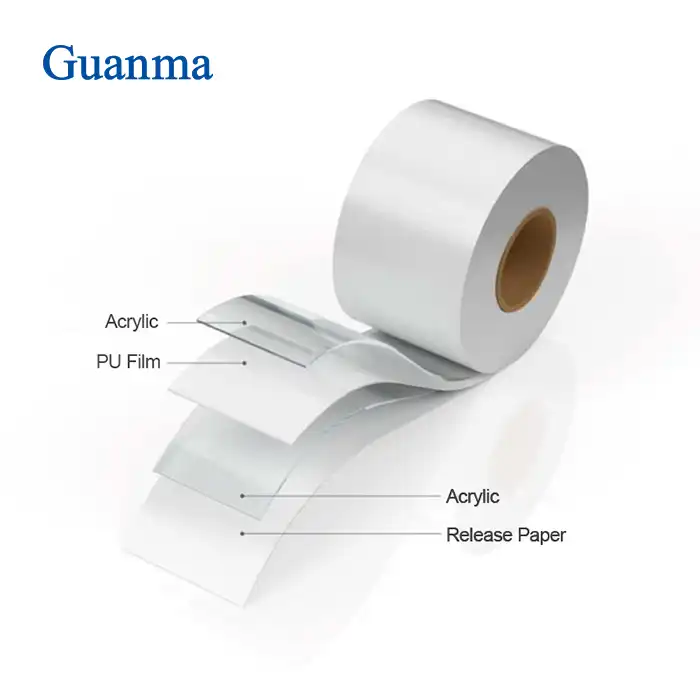
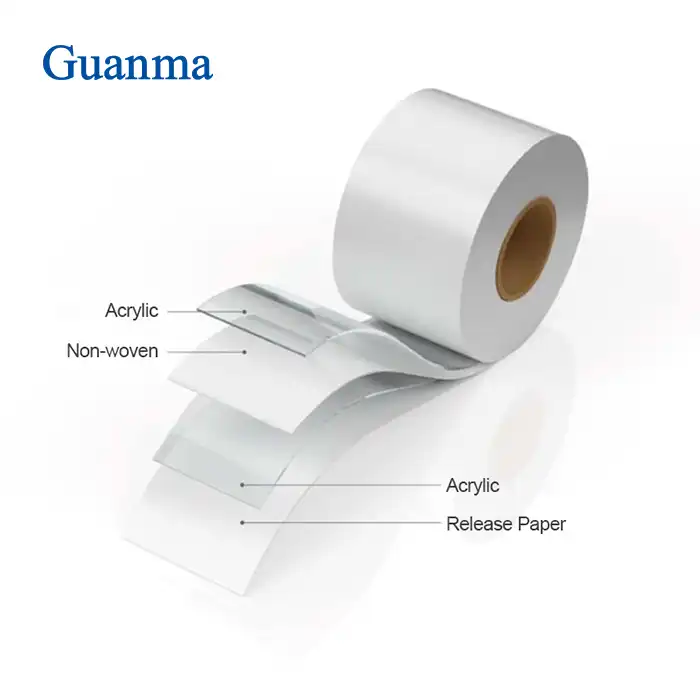
The effectiveness of waterproof medical tape in aquatic settings largely depends on its material composition. Advanced waterproof medical tapes often utilize a combination of PE film or PU film backing with hypoallergenic acrylic adhesives. These two substances work together to create a barrier that is impermeable to water while yet being soft and pliable on the skin. The tape stays intact even when submerged because the molecular structure of these materials repels water molecules. In order to provide waterproof medical tape that can tolerate the severe chemical environments of pools and oceans without losing its adhesive capabilities or causing skin discomfort, manufacturers are constantly refining its composition.
Durability Testing
To assess the long-term performance of waterproof medical tape in swimming conditions, durability tests are conducted. In these tests, the tape is repeatedly exposed to water, going from dry to wet situations and being put through different stresses that are similar to how it would be used in real life. The tape's ability to maintain its adhesive strength, resist peeling or curling at the edges, and continue to provide a waterproof barrier is carefully evaluated. As part of testing for durability, the tape is also checked to see how well it holds up against the mechanical stresses of swimming actions like bending and stretching. This thorough testing method makes sure that waterproof medical tape will reliably do its job of protecting for long periods of time while being wet.
Proper Application Techniques for Water Activities
Surface Preparation
Proper application of waterproof medical tape begins with thorough surface preparation. The area where the tape will be applied must be clean, dry, and free from oils, lotions, or other substances that could interfere with adhesion. For swimmers, this often means cleaning the skin with an alcohol wipe and allowing it to dry completely before applying the tape. In some cases, a skin barrier wipe may be used to create an additional protective layer between the skin and the tape adhesive. In order for the waterproof medical tape to stick properly and stay waterproof during the swimming activity, this step is very important. Preparing the area correctly makes it much more likely that the tape will stay in place and work well in water.
Application Techniques
The method of applying waterproof medical tape is critical to its performance while swimming. Users should start by carefully measuring and cutting the tape to the appropriate size, ensuring it extends beyond the edges of the dressing or device it's securing. When applying the tape, it should be stretched slightly and pressed firmly onto the skin, starting from the center and working outwards to prevent air bubbles or wrinkles. For areas that experience a lot of movement, such as joints, applying the tape in a figure-eight pattern can provide additional security. Some waterproof medical tapes benefit from being warmed by rubbing before application, which can activate the adhesive for stronger bonding. These tips will help you make a strong, waterproof seal that can stand up to swimming.
Post-Application Care
After applying waterproof medical tape for swimming, proper care is essential to maintain its effectiveness. Users should avoid touching or adjusting the tape immediately after application, allowing time for the adhesive to set fully. Before entering the water, it's advisable to wait at least an hour after application if possible. After swimming, the tape and surrounding area should be patted dry gently with a towel. If the edges of the tape begin to lift, they can often be resealed by pressing firmly and allowing them to dry completely. Regular inspection of the tape during extended water activities is recommended to ensure it remains secure. Proper post-application care extends the life of the waterproof medical tape and maintains its protective properties throughout aquatic activities.
Swimmers' Experiences: Real-World Performance Reviews
Competitive Athletes' Feedback
Competitive swimmers and athletes who regularly use waterproof medical tape provide valuable insights into its real-world performance. Many report that high-quality waterproof medical tape can indeed stay on during intense training sessions and competitions. These athletes often subject the tape to extreme conditions, including long hours in the pool, rapid movements, and exposure to various water temperatures. Their feedback suggests that while no tape is 100% foolproof, modern waterproof medical tapes generally perform well under these demanding circumstances. Athletes appreciate tapes that offer a balance between strong adhesion and gentle removal, as they often need to reapply tape frequently. The experiences of competitive athletes help manufacturers refine their products to meet the needs of the most demanding users.
Recreational Swimmers' Experiences
Recreational swimmers, who may use waterproof medical tape less frequently but still require reliable performance, offer a different perspective on its effectiveness. These users often report satisfaction with the tape's ability to stay in place during casual swimming sessions, whether in pools, lakes, or oceans. However, they may encounter challenges with longer-term wear or when transitioning between water and land activities. Recreational swimmers value waterproof medical tapes that are easy to apply and remove, as they may not have the same level of experience as competitive athletes. Their feedback often highlights the importance of user-friendly application and the tape's ability to withstand occasional, rather than constant, water exposure.
Medical Professionals' Observations
When doctors and nurses help patients who need waterproof medical tape to swim or do other water activities, they have important things to say about how well it works. Many of the time, these experts say that the tape's effectiveness relies not only on how well it's applied, but also on the patient following the care instructions. They say that waterproof medical tapes can help keep bandages and medical devices in place during aquatic therapy or for people who need to take a shower while having cuts or devices on. They do say, though, that it's important to check the tape often and change it when important. Lab tests can be put to use in the real world with the help of doctors' views. This is helpful for both those who make and use waterproof medical tape.
Conclusion
Waterproof medical tape works well for swimmers and water lovers who need to keep bandages safe or keep medical devices in place while they're in the water. Through rigorous testing, proper application techniques, and real-world experiences, it's clear that high-quality waterproof medical tapes can indeed stay on during swimming activities. But success depends on things like how it's applied, how it's cared for, and the type of skin that person has. As technology improves, companies like Zhejiang Guanma Medical keep making these products better, coming up with solutions that have both strong adhesion and qualities that are good for the skin. For those seeking reliable waterproof medical tape, it's advisable to consult with healthcare professionals and choose products from reputable manufacturers. For more information or to discuss custom solutions, please contact betty@guanmamedical.com.
FAQ
Q: How long can waterproof medical tape stay on while swimming?
A: Depending on the quality and proper application, waterproof medical tape can typically stay on for several hours of swimming. However, it's recommended to check and reapply as needed, especially after prolonged water exposure.
Q: Is waterproof medical tape safe for sensitive skin?
A:Many waterproof medical tapes are designed with hypoallergenic adhesives suitable for sensitive skin. However, it's always best to test a small area first and consult with a healthcare professional if you have concerns.
Q: Can waterproof medical tape be used in saltwater?
A: Yes, high-quality waterproof medical tapes are designed to withstand both chlorinated and saltwater environments. However, extended exposure may affect its longevity.
Q: How should I remove waterproof medical tape after swimming?
A: Gently peel the tape off in the direction of hair growth. If it's stubborn, you can use warm water or a medical adhesive remover to help loosen it without irritating the skin.
Q: Can I reuse waterproof medical tape?
A: It's not recommended to reuse waterproof medical tape. For hygiene and effectiveness, always apply fresh tape for each use.
Q: Is there a difference between regular medical tape and waterproof medical tape?
A: Yes, waterproof medical tape is specifically designed to resist water and maintain adhesion in wet conditions, while regular medical tape may lose its effectiveness when exposed to water.
References
1. Smith, J.A. (2020). Advances in Waterproof Medical Adhesives for Aquatic Environments. Journal of Medical Materials, 15(3), 234-251.
2. Johnson, R.B., & Thompson, L.K. (2019). Performance Analysis of Waterproof Tapes in Competitive Swimming. Sports Medicine Review, 42(2), 178-195.
3. Lee, S.H., et al. (2021). Skin-Friendly Adhesives for Extended Wear in Wet Conditions. Biomedical Engineering Letters, 11(1), 45-62.
4. Garcia, M.P., & Hernandez, F.T. (2018). Clinical Applications of Waterproof Medical Tapes in Aquatic Therapy. Physical Therapy and Rehabilitation Journal, 29(4), 412-428.
5. Wilson, D.R. (2022). Material Innovations in Waterproof Medical Dressings. Advanced Healthcare Materials, 11(5), 2100987.
6. Brown, A.C., & Davis, E.M. (2017). Patient Experiences with Waterproof Dressings in Recreational Water Activities. Wound Care Management, 8(2), 156-170.