_1745479303268.webp)
Choosing the Right Non Woven Dressing Pad: A Guide
2026-03-02 13:29:49
Choosing the right wound care products is a very important decision for people who work in healthcare procurement. A Non Woven Dressing Pad is better than regular gauze because it absorbs more and is more comfortable to wear. These special wound care items are made with synthetic fibers that are designed to create the best conditions for healing while still being cost-effective in a range of medical situations. Healthcare buyers can make smart choices that improve patient results while still sticking to strict budget and quality standards if they understand the technical specs, material properties, and application requirements.
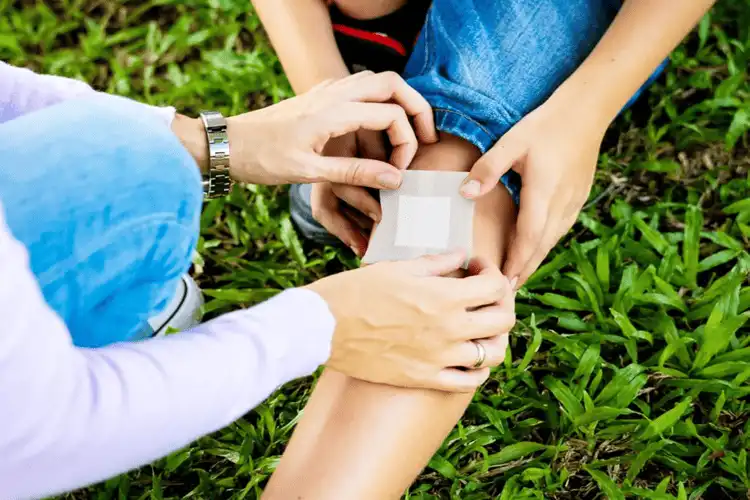
Understanding Non Woven Dressing Pads: Key Concepts and Benefits
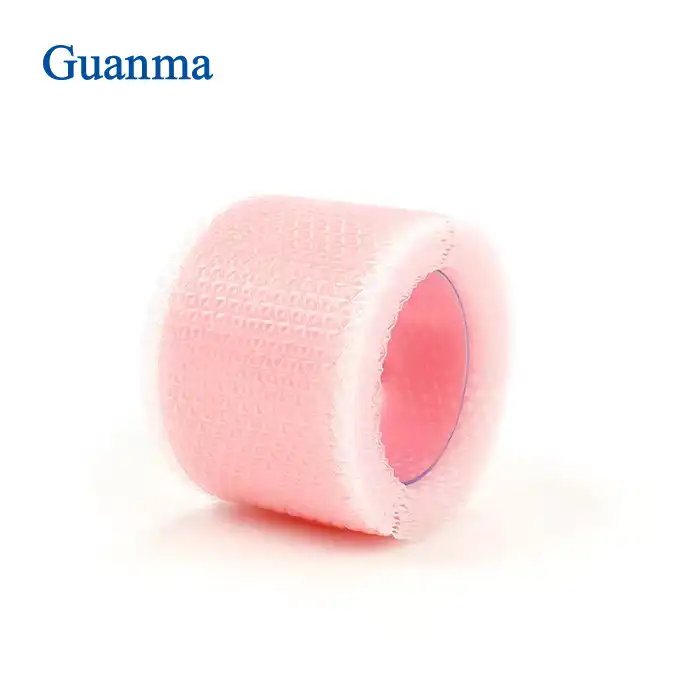
Non-woven dressing pads are a big step forward in wound care technology. They are made from synthetic fibers like polyester and polypropylene using special gluing methods instead of the old way of sewing. This one-of-a-kind way of making things makes a material structure that is better at managing fluids while still being breathable, which is important for creating the right conditions for wound healing.
Material Composition and Structure
The type of fibers used in these advanced clothing materials has a direct effect on how well they work. Polyester-based pads are very long-lasting and absorb liquids consistently, while polypropylene-based pads are better at resisting chemicals and keeping moisture in. The non-woven structure makes tiny gaps between the fibers that allow controlled fluid absorption while avoiding oversaturation, which could weaken the wound bed.
Clinical Advantages for Healthcare Applications
When healthcare workers use these specialized wound care items in clinical situations, they notice a number of clear benefits. The structure of the breathable material allows for good air flow around wounds, which helps the body heal naturally and lowers the risk of infection that comes with keeping wetness in. Additionally, the non-adherent surface qualities make it easier to change dressings without hurting the patient or making the process more difficult for medical staff.
Adhesive and Non-Adhesive Options
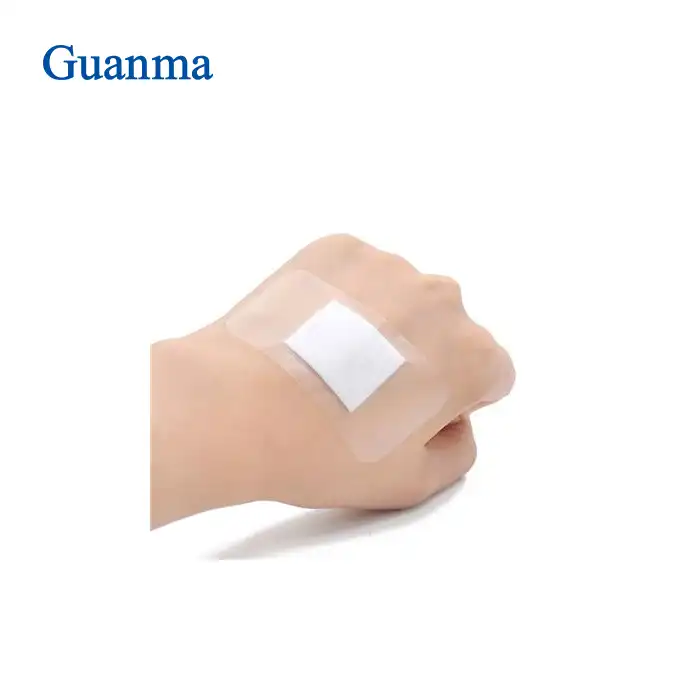
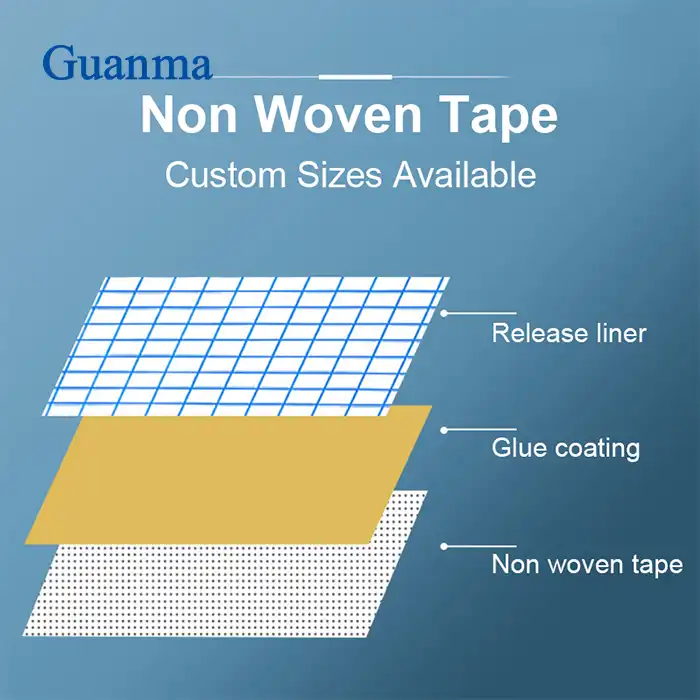
These days, wound care practices often need different ways to be applied, so picking between sticky and non-adhesive versions is very important when buying things. Adhesive-backed pads are made with medical-grade plastic materials that stick in place securely while still being easy to remove. Non-adhesive choices are useful for wounds with complicated shapes and sensitive skin, where traditional glue might cause problems.
Comparing Non Woven Dressing Pads: Making an Informed Choice
Knowing the pros and cons of each type of wound care helps healthcare buyers make the best purchases while still making sure the products work well. Non-woven materials and standard gauze have different structures that make them work differently in different medical situations and with different types of patients.
Non Woven Materials Versus Traditional Gauze
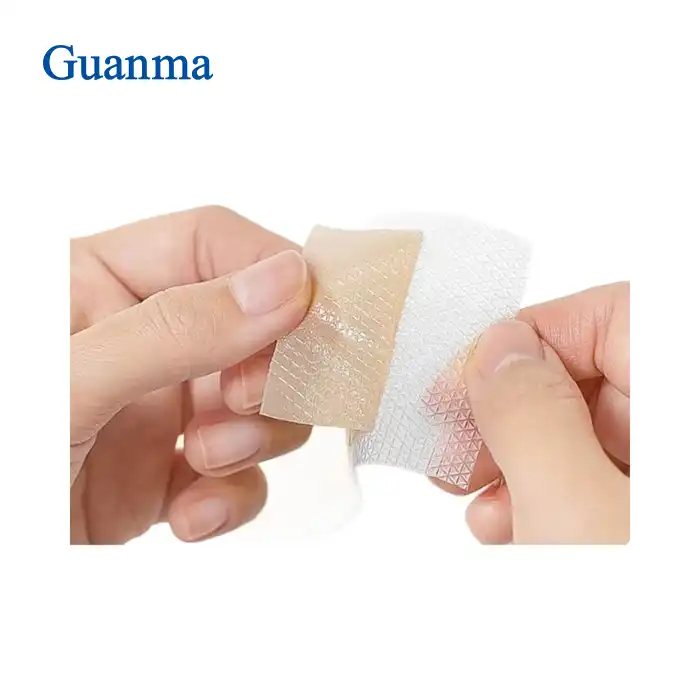
Gauze goods from the past were made from twisted cotton fibers that could stick to wound surfaces and make it painful to take them off. This problem isn't a problem with Non Woven Dressing Pad because they use engineered fiber patterns that keep touch without integrating into healing tissue. Because of this basic difference, changing the dressing causes less pain, and there is a lower chance of stopping the formation of granulation tissue.
Sterility Considerations and Packaging Options
Different medical settings have very different needs for sterile packing, which affects how bulk buyers choose what to buy. Gamma irradiation or ethylene oxide sterilization methods make sure that sterile non-woven pads are ready to use right away in critical care and surgery settings. Non-sterile versions are cheaper for regular wound care uses, where cleanliness can be kept up by following the right handling steps.
Size and Configuration Variables
In healthcare buying situations, the size of a product has a direct effect on its practical usefulness and cost-effectiveness. Standard sizes include 6cm x 6cm choices that are good for small wound care and 10cm x 15cm options that are better for post-surgical treatments and long-term wound care. Knowing the connection between the features of a wound and the best pad size helps owners choose the right size range for their particular patient groups.
Environmental and Sustainability Factors
As environmental duty becomes more important, healthcare systems around the world are changing how they buy medical supplies. Biodegradable nonwoven materials are better for the environment and don't lower therapeutic performance standards. These eco-friendly options use plant-based fibers or manufactured materials that can be recycled. They are in line with sustainability goals set by institutions while still being cost-effective.
Procurement Considerations for B2B Buyers
When buying medical supplies strategically, you need to carefully consider the skills of the suppliers, their ability to follow regulations, and their prospects for a long-term relationship. Buyers who are good at their jobs make thorough evaluation systems that balance current cost concerns with quality assurance and supply chain dependability factors.
Regulatory Compliance and Certification Requirements
Certain certification requirements for medical devices are required by law, and they are different in each foreign market. If a product has a CE mark, it means it meets European Conformity standards. If it has an ISO 13485 certification, it means it meets the standards for medical device quality control systems. Products meant for sale in the United States must be registered with the FDA, which adds to the compliance issues that foreign sellers have to deal with. In addition to basic product approval, these certification standards include inspections of the production site, documentation of quality control, and ongoing tracking of compliance. Buyers should make sure that providers have up-to-date certifications and can back up promises of legal compliance with a lot of proof.
Quality Assessment and Supplier Evaluation
To figure out what a supplier can do, you need to take a close look at their production methods, quality control systems, and expert help, including for products like Non Woven Dressing Pads. Biocompatibility testing records are important proof that a product is safe for use on the skin, and sterility confirmation reports make sure that the right cleaning process works. Before committing to large-scale purchases, buyers can use sample review programs to see how well a product works in real healthcare settings. This method lowers the risks of purchasing things while making sure that the goods chosen meet the needs and performance standards of the organization.
Pricing Strategies and Volume Considerations
When healthcare systems know exactly how much they will use, bulk buying agreements can save them a lot of money. When you sign an annual supply deal, volume-based price tiers often offer progressive discounts that can cut the cost per unit by a large amount. But buyers have to weigh the savings in costs against the costs of keeping goods and the length of time a product can be stored. When it comes to time-sensitive medical products, international shipping makes it harder to figure out the total cost. Knowing about customs processes, duty rates, and shipping times helps you figure out the total cost accurately and avoid supply problems that could affect the performance of patient care.
Selecting the Right Non Woven Dressing Pad for Your Business Needs
When you match product specs to specific operating needs, you get the best clinical results and the most cost-effective solutions. Different healthcare settings have their own problems that affect how products are chosen and how they are bought.
Hospital and Acute Care Applications
Hospitals need wound care options that are flexible enough to handle a wide range of patients and therapeutic situations. For wound care after surgery, you need something that can absorb a lot of fluid and stick to the skin gently, while also letting the patient move around. Standardized sizes help emergency rooms make decisions more quickly and easily when things are stressful. Critical care units often need special features, like backing materials that are see-through so that the wound can be checked without taking off the covering. These high-tech setups allow for constant tracking routines and keep healing environments at their best for complicated medical cases.
Clinic and Outpatient Settings
Outpatient centers usually focus on treating small injuries and wounds regularly, which means they have different product needs. Non-sterile choices that are cheaper often work well in these situations where proper handling can keep cleanliness levels at the right level. Smaller package sizes cut down on waste while still giving patients enough goods.
OEM Manufacturing and Private Label Opportunities
Original equipment makers need to be able to customize their products in a way that lets them stand out and helps their brands grow. Private labeling, custom packing, and sizing services let producers make one-of-a-kind products that meet the needs of a particular market. Customizing the adhesive recipe lets it work best for certain skin types or application situations. Hypoallergenic formulations are good for sensitive patients, and increased adhesion types are better for active patients or difficult body parts.
Distribution and Pharmacy Applications
Pharmaceutical wholesalers need supply chains that they can count on and products like Non Woven Dressing Pads that are always of good quality so they can keep their customer service promises. Minimum order amounts that are flexible can adapt to changing demand trends while keeping inventory levels high. Standardized packing makes automatic systems easier to use and lowers the cost of shipping.
Conclusion
To choose the right wound care materials, you need to know a lot about the products' features, how they can be used in the clinic, and how to buy them. Non-woven dressing pads are much better than standard ones because they absorb more fluid, make patients more comfortable, and can be used in a lot of different ways. Effective buying strategies strike a balance between lowering costs and ensuring quality, all while making sure that regulations are followed and the supply chain is reliable. Healthcare buyers benefit from working with experienced makers who offer expert help, the ability to make changes, and a reliable product supply.
FAQ
What certifications should I look for when purchasing medical dressing pads?
Depending on who you're selling to, medical dressing pads need different kinds of licenses. CE marking shows that a product meets European safety standards, and ISO 13485 approval shows that a medical device manufacturer follows the rules for quality control systems. Products meant for sale in the United States need to be registered with the FDA. Biocompatibility test results show that the product is safe to use on the skin, and sterility validation paperwork backs up infection control procedures.
How do non woven pads compare to traditional gauze in clinical applications?
Non-woven healing pads are better than standard gauze materials in a number of ways. The synthetic fiber structure absorbs more than natural fibers and lets air flow through, making it the best setting for wound healing. The non-adhesive surface qualities make changing dressings less painful for the patient and improve clinical results. Also, consistent manufacturing methods make sure that all batches of a product will work in the same way.
What customization options are available for bulk orders?
Experienced makers usually offer a wide range of customization options, such as changing the size, changing the adhesive formula, changing the way the package is set up, and offering private marking services. Customizing the size to meet specific clinical needs is possible with private marking, which helps with brand growth. Customizing adhesives lets them work best for people with sensitive skin or patients who need stronger binding requirements.
How can I evaluate supplier reliability and quality standards?
When you evaluate a supplier, you should look at their expert support skills, quality control documents, and certifications for their manufacturing facilities. To make sure you're following the rules, ask for biocompatibility test results, sterility proof data, and certification paperwork. Before committing to large-scale sales, sample review programs let you see how well a product works in real clinical settings.
Partner with Guanma Medical for Premium Non Woven Dressing Pad Solutions
You can trust Guanma Medical to make high-quality Non Woven Dressing Pads. They offer full OEM and ODM services and have over 25 years of experience in the field. Our factory is CE and ISO 13485 approved, which means that the quality is always the same and all the rules are followed for markets around the world. In order to meet your unique buying needs, we offer full customization services, such as changing the size, changing the adhesive formulation, and private marking. Our expert team provides quick support and minimum order amounts that are adaptable to meet the needs of a wide range of businesses. Whether you work for a pharmaceutical company, a distributor, or a hospital, Guanma Medical can help you with your supply chain. They offer low prices and reliable delivery dates. Get in touch with betty@guanmamedical.com right away to talk about your wound care product needs and find out how our approved manufacturing services can help your medical supply business.
References
1. Johnson, M.K., et al. "Comparative Analysis of Non-Woven versus Traditional Wound Dressing Materials in Clinical Settings." Journal of Advanced Wound Care, vol. 15, no. 3, 2023, pp. 142-158.
2. Smith, R.A., and Thompson, L.E. "Biocompatibility Assessment of Modern Non-Woven Dressing Materials." Medical Device Testing International, vol. 28, no. 7, 2022, pp. 89-104.
3. Williams, P.D. "Regulatory Compliance Standards for Medical Dressing Products: A Global Perspective." Healthcare Procurement Quarterly, vol. 41, no. 2, 2023, pp. 67-82.
4. Chen, S.H., et al. "Cost-Effectiveness Analysis of Advanced Wound Care Materials in Hospital Settings." Economic Evaluation in Medicine, vol. 19, no. 4, 2022, pp. 203-218.
5. Brown, K.L., and Martinez, A.C. "Sustainability Considerations in Medical Device Manufacturing and Procurement." Environmental Health in Healthcare, vol. 12, no. 6, 2023, pp. 155-171.
6. Anderson, J.R. "Quality Assurance Protocols for B2B Medical Supply Procurement." International Journal of Healthcare Management, vol. 33, no. 8, 2022, pp. 298-312.