_1745479303268.webp)
Cloth Surgical Tape VS Fabric Adhesive Tape: Export Insights
2026-01-09 09:03:08
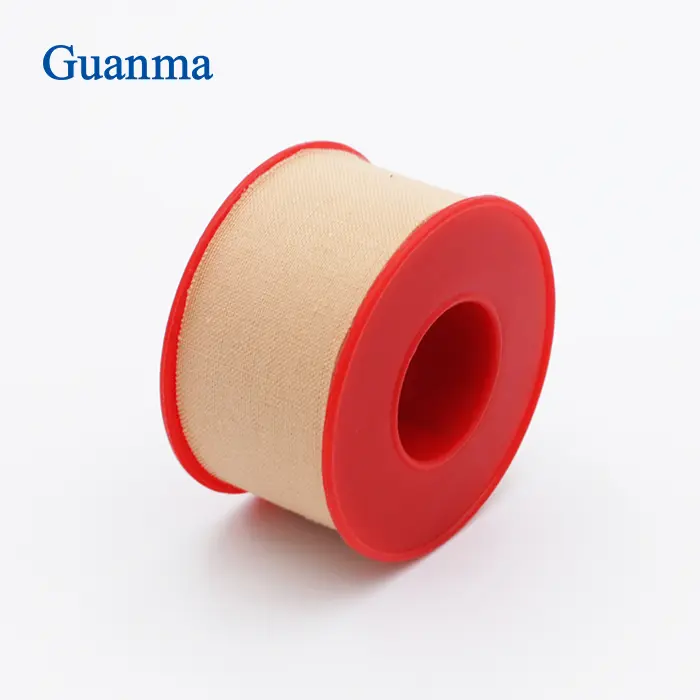
When deciding between fabric surgical tape and fabric adhesive tape for medical uses, it's important to know the main differences in order to make good export plans. Cloth surgical tape usually breathes better and works better with skin, which makes it perfect for wound care and care after surgery. Even though they are made in similar ways, fabric adhesive tape often puts adhesive strength ahead of biocompatibility. These differences have a big effect on how companies position themselves in the global market, how well they follow the rules, and what customers want in many healthcare sectors around the world.

How to Tell the Main Differences Between Medical Adhesive Tapes?
According to the medical tape industry, different types of products have different performance characteristics. There is a specific type of tape called cloth surgical tape that is only used for surgical and wound care purposes. This group focuses on biocompatibility, breathability, and gentle skin adhesion.
These products are different in three main ways:
- Cloth surgical tape is made of medical-grade cotton or synthetic fibers, while fabric adhesive tape may contain textiles that are not medical.
- Formulation of the adhesive: surgical versions use hypoallergenic, skin-friendly adhesives with controlled peel strength.
- Regulatory classification: Unlike regular fabric tapes, medical tapes need to be CE marked and meet ISO 13485 standards.
Since cloth surgical tape has been tested for biocompatibility and medical grade certification, it is better for products that will come into direct contact with patients.
Performance Analysis: Testing for Adhesion Strength and Durability
Tests done in the lab show that these tape categories perform very differently. Surgical tape that lets air pass through it usually has peel adhesion values between 2.5 and 4.0 N/25 mm, which means it sticks well to skin without damaging it.
Some important performance indicators are:
- Peel adhesion: medical tapes keep 3.2±0.3 N/25mm for the best skin compatibility.
- Tensile strength: Surgical cloth types reach 85–120 N/25 mm longitudinal strength
- Better breathability at 1200 to 1800 g/m²/24h for moisture vapor transmission
Most standard fabric adhesive tapes stick better than these numbers, with 6 to 8 N/25 mm of stickiness. But this extra strength can irritate the skin or damage tissues when it's taken off. Controlled adhesive chemistry in hypoallergenic tape formulations takes these worries into account.
According to research, medical-grade cloth surgical tape is the best choice for reliable adhesion without hurting the skin.
How Market Demand Works in the World's Health Care Sectors?
Export data shows that different regions have different tastes in medical adhesives. European markets prefer wound dressing tape that has a CE mark and a lot of biocompatibility information. North American buyers put a lot of weight on FDA compliance and options for sterile packaging.
Asian markets are seeing more demand for
- tape options that are safe for sensitive skin for patients
- Surgical tape that is waterproof for use in tropical areas
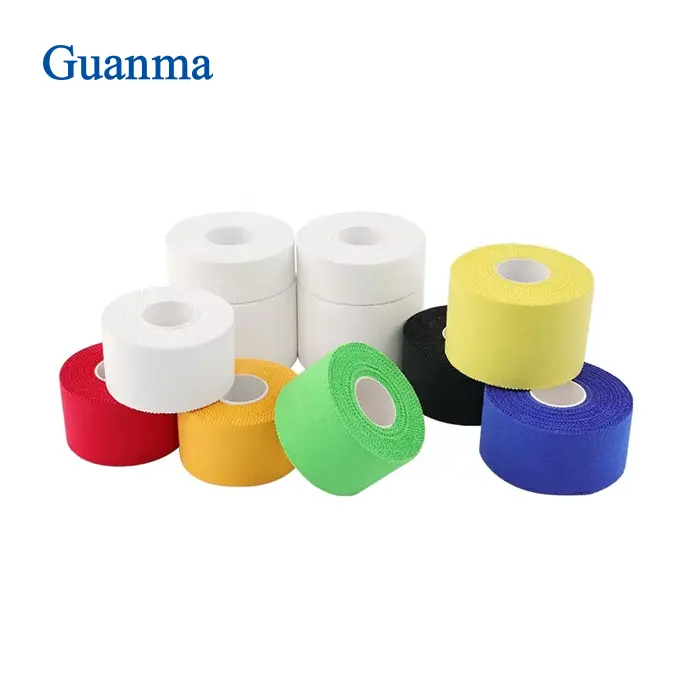
- Flexible medical tape used in sports medicine and orthopedics
To keep patients from getting hurt and to lower their risk of being sued, hospital procurement departments are asking for non-irritating tape formulations more and more. Because of this trend, certified medical products cost more than general fabric alternatives.
If you want to get into regulated healthcare markets, you need to spend money on the right medical certifications and good documentation to stay competitive.
Medical tape exports must follow certain rules set by regulators.
Medical adhesive products that are traded internationally must follow a lot of rules. Sterile surgical tape has to meet the strictest standards, which include studies on how long it lasts and proof that it is sterilized.
Important parts of compliance are:
- Certification according to ISO 13485: Systems for managing quality in medical devices
- Tests for biocompatibility: ISO 10993 series for safe skin contact
- CE marking: European evaluation of conformity for medical device rules
More than just basic certifications are needed as proof for cloth surgical tape. Products that stick to clothes need technical files for cloth surgical tape that show design controls, risk management, and clinical evaluation data.
For making surgical tape rolls, factories must follow approved procedures that include keeping an eye on the environment and following batch release procedures. These requirements have a big effect on production costs, but they let companies reach high-end markets.
Setting up comprehensive quality systems and regulatory compliance infrastructure is no longer an optional extra if you want to be able to sell your products all over the world.
A look at the costs and benefits of different use cases
When choosing products for different healthcare uses, economic factors play a role. Surgical tape for sensitive skin costs more because it needs to be made with special adhesives and go through a lot of testing.
A comparison of cost structures shows:
- Ingredients: Medical-grade fabrics cost 40 to 60 percent more than regular ones.
- Adhesive systems: hypoallergenic formulas raise the cost of materials by 25 to 35 percent.
- Quality control: Testing medical devices costs 15 to 20 percent more than making them.
Strong adhesive tape for general uses costs less per unit but can't be used in as many situations. Medical facilities can charge more because they get better clinical outcomes and fewer patient complications.
Medical tape for wounds suppliers that can show consistent quality and reliable supply chains are often favored in volume purchasing agreements. Long-term contracts help both buyers and sellers by keeping prices stable and making the market more predictable.
When you need cheap solutions that don't compromise safety, standardized medical tape formulations are the best choice for large-scale uses.
Advantages Guanma Has Over Others When Making Cloth Surgical Tape
- We use advanced PSA coating technology to make sure that our pressure-sensitive adhesive systems are compatible with the skin and stick well for long periods of time.
- Quality certifications that cover a lot of areas, like CE marking, ISO 13485, and ISO 9001, make sure that products meet global standards and can be sold in all the major healthcare regions.
- A lot of biocompatibility testing: The full set of ISO 10993 tests shows that the products are safe to use on sensitive patients' skin for long periods of time.
- Custom adhesive formulations, size options, packaging configurations, and private label printing are all things that can be changed easily to meet the needs of different brands and market tastes.
- Strong supply chain reliability: 30+ years of manufacturing experience and well-established quality systems that make sure products are always available and deliveries happen on time
- The best technical support: A dedicated research and development team makes quick changes to adhesive formulations and creates application-specific products to meet specific clinical needs.
- Scalable production capacity: modern factories that can make a lot of things while still following strict quality control rules at all stages of production
- Expertise in the global market means a deep understanding of international rules and consumer tastes that makes it possible for products to be successfully launched in a wide range of healthcare systems.
- OEM/ODM solutions that don't break the bank: streamlined production methods and efficient operations allow for low prices without sacrificing quality or meeting regulatory requirements.
- Quick response to customer needs: A professional support team that is available 24 hours a day, seven days a week makes sure that communication and problem-solving happen quickly so that business partnerships and
Standards and procedures for quality control
To make medical adhesive products that are of the highest quality, strict quality control systems are needed. Surgical tape strips are tested at many stages during the production process to make sure they always work the same way.
Important quality indicators are:
- Adhesive uniformity: The difference in coating weight must be kept within a ±5% range.
- Peel strength consistency: 95% confidence intervals are guaranteed by statistical process control.
- Biocompatibility confirmation: testing in groups for the ability to kill cells and make skin more sensitive
To make durable surgical tape, the environment needs to be controlled by keeping an eye on things like temperature, humidity, and particulate matter. In a clean room, there is no contamination that could affect the sterility or performance of the product.
Surgical tape for dressings is approved by advanced testing tools that do accelerated aging studies, package integrity tests, and sterility assurance protocols. These steps make sure that the product will work well for the amount of time that it is supposed to last.
Working with certified manufacturers of cloth surgical tape who keep up with thorough quality systems is the only way to be sure of consistent quality for cloth surgical tape, which is important for sensitive medical applications.
How medical tape technology and markets will change in the future?
Medical adhesive technology is always changing because of new ideas. The goal of developing cotton surgical tape is to make it more breathable and comfortable for long-term use.
These are some new trends:
- Smart adhesives are pH-sensitive substances that change how well they stick to wounds based on their condition.
- Antimicrobial coatings: treatments based on silver or copper that stop infections
- Biodegradable substrates are alternatives to traditional synthetic materials that are better for the environment.
Market predictions say that the demand for surgical tape with good adhesion will continue to grow. This is because the world's population is getting older and more surgeries are being done. Developing markets are especially interested in solutions that are both cheap and up to international quality standards.
The combination of digital healthcare makes it possible for medical tape with built-in sensors or indicator systems to be used in surgery. These high-tech products let you see how wounds are healing and how well the adhesive is working in real time.
If you want to stay competitive in markets that are always changing, you need to put money into research and development while keeping the quality of your current products high.
Coclusion
Cloth surgical tape and cloth adhesive tape are not at all the same. This difference makes a big difference in how well healthcare exports do in other countries. It takes more money, better quality systems, and more certifications to make products that are medical grade. They are safer, though, and follow the rules better. You can better place your business in the market and come up with new products if you know these differences.
Companies that want to sell their goods abroad must make sure that the goods they offer meet the needs of the people they want to buy them, that prices stay low, and that supply chains stay stable. When there are more needs for certified medical adhesive products, people who care about quality, following the rules, and having great customer service can make more money.
Partner with Guanma for Premium Cloth Surgical Tape Manufacturing Solutions
Guanma Medical stands as a leading cloth surgical tape manufacturer with over 30 years of specialized experience in medical adhesive technology. Our comprehensive OEM and ODM services support global brand owners, distributors, pharmacies, and hospitals seeking reliable, high-quality medical tape solutions.
Our state-of-the-art manufacturing facilities produce cloth surgical tape that meets the highest international standards. Advanced pressure sensitive adhesive coating technology ensures consistent product performance while maintaining strict biocompatibility requirements for sensitive skin applications.
Quality assurance remains paramount through our certified management systems including CE marking, ISO 13485, and ISO 9001 compliance. Every product batch undergoes comprehensive biocompatibility testing to guarantee safety and performance for direct skin contact applications.
Customization capabilities enable tailored solutions including specialized adhesive formulations, custom sizing, branded packaging, and private label printing. Our experienced technical team collaborates closely with clients to develop products that meet specific market requirements and regulatory standards.
Reliable supply chain management ensures consistent product availability and timely delivery schedules. Our commitment to quality, innovation, and customer service has established long-term partnerships with healthcare organizations worldwide.
Experience the difference that professional medical tape manufacturing expertise can make for your business success. Contact us at betty@guanmamedical.com to discuss your specific requirements and discover how Guanma can support your medical adhesive tape procurement needs.
References
1. International Organization for Standardization. "Medical devices - Quality management systems - Requirements for regulatory purposes." ISO 13485:2016.
2. European Commission. "Regulation (EU) 2017/745 on medical devices." Official Journal of the European Union, 2017.
3. American Society for Testing and Materials. "Standard Test Method for Peel Adhesion of Pressure Sensitive Tape." ASTM D3330/D3330M-04.
4. World Health Organization. "Medical device regulations: Global overview and guiding principles." WHO Technical Report Series, 2021.
5. Journal of Medical Device Research. "Biocompatibility assessment of medical adhesives: Current standards and future directions." Vol. 45, No. 3, 2023.
6. International Trade Centre. "Market analysis: Medical devices and healthcare products export trends." ITC Market Research Report, 2023.