_1745479303268.webp)
Cohesive Bandages Unique Structure That Sticks to Itself Not Skin
2025-10-24 17:15:38
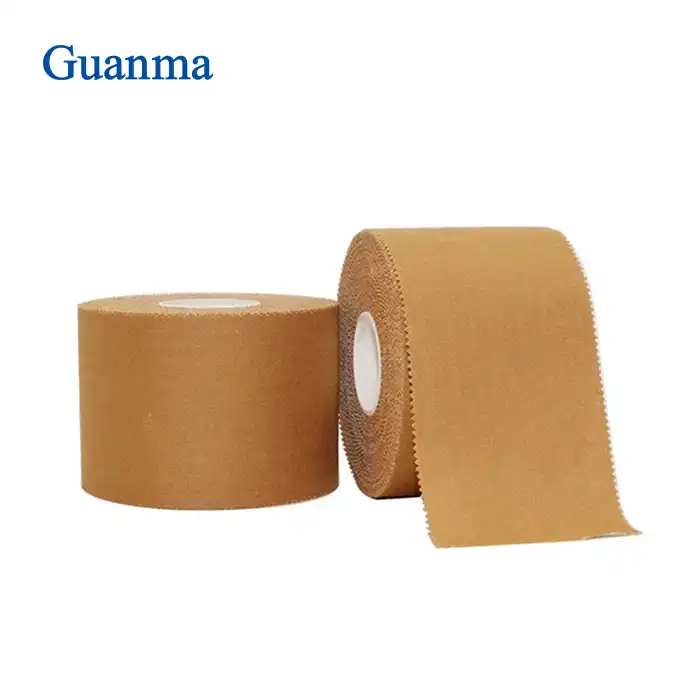
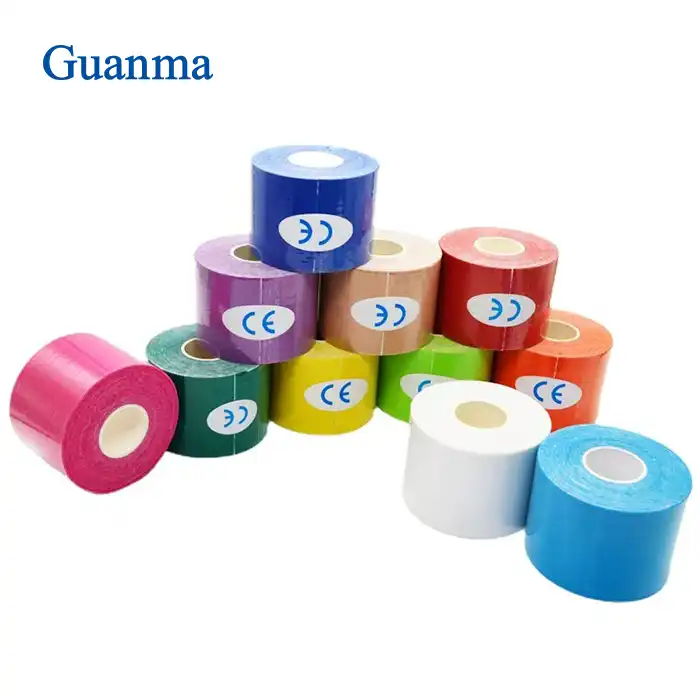
Cohesive bandages have revolutionized the field of medical dressings with their unique structure that allows them to stick to themselves without adhering to skin or hair. This innovative design offers numerous advantages over traditional adhesive bandages, making them a preferred choice for various medical applications. The self-adhering nature of cohesive bandages provides a secure and comfortable fit while eliminating the risk of skin irritation or damage upon removal. These bandages are composed of a porous, elastic material that allows for breathability and flexibility, promoting faster healing and reducing the risk of infection. The unique structure of cohesive bandages enables them to conform to the contours of the body, providing consistent compression and support without the need for additional fasteners or tape. This blog will explore the remarkable properties of cohesive bandages, their applications, and the benefits they offer in both medical and sports settings.
The Science Behind Cohesive Bandages
Unique Material Composition
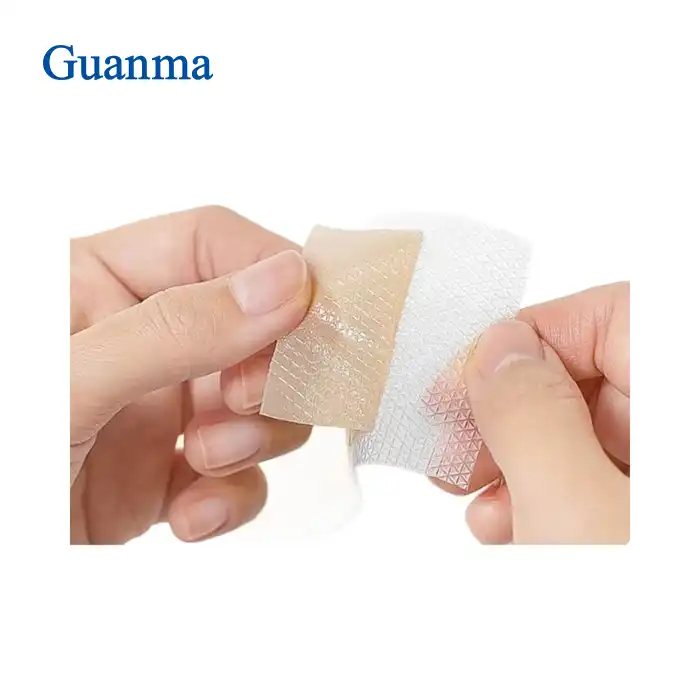
Cohesive bandages are crafted from a specialized blend of materials that give them their distinctive properties. The primary component is typically a non-woven fabric made from a combination of cotton and synthetic fibers. This fabric is then coated with a latex or latex-free adhesive that activates when pressure is applied, allowing the bandage to stick to itself. The self adhesive cohesive bandage wrap is designed to be porous, enabling air circulation and moisture management. This unique composition allows the bandage to provide compression and support while remaining breathable and comfortable for the wearer. Unlike traditional elastic adhesive bandages, cohesive bandages do not contain adhesives that stick to the skin, making them ideal for sensitive skin types and reducing the risk of allergic reactions.
Self-Adhering Mechanism
The self-adhering mechanism of cohesive bandages is a key feature that sets them apart from other types of medical dressings. When the bandage is wrapped around itself, the pressure activates the adhesive properties, causing the layers to bond securely. This creates a stable and adjustable compression that can be easily modified as needed. The self-adhesive nature of cohesive bandages eliminates the need for additional fasteners or tape, simplifying application and removal. Unlike elastic adhesive bandages, which can leave residue on the skin or cause discomfort when removed, cohesive bandages peel away cleanly without pulling on skin or hair. This unique property makes them particularly useful for athletes and patients with sensitive skin who require frequent dressing changes.
Breathability and Moisture Management
One of the most significant advantages of cohesive bandages is their superior breathability and moisture management capabilities. The porous structure of the self adhesive cohesive bandage wrap allows air to circulate freely, preventing the buildup of heat and moisture that can lead to skin maceration or bacterial growth. This feature is particularly beneficial for wound healing, as it creates an optimal environment for tissue regeneration while reducing the risk of infection. The moisture-wicking properties of cohesive bandages help to keep the skin dry and comfortable, even during extended periods of wear or physical activity. Unlike traditional elastic adhesive bandages that can trap moisture against the skin, cohesive bandages promote a healthier healing environment and reduce the likelihood of skin irritation or breakdown.
Applications and Benefits of Cohesive Bandages
Medical Uses
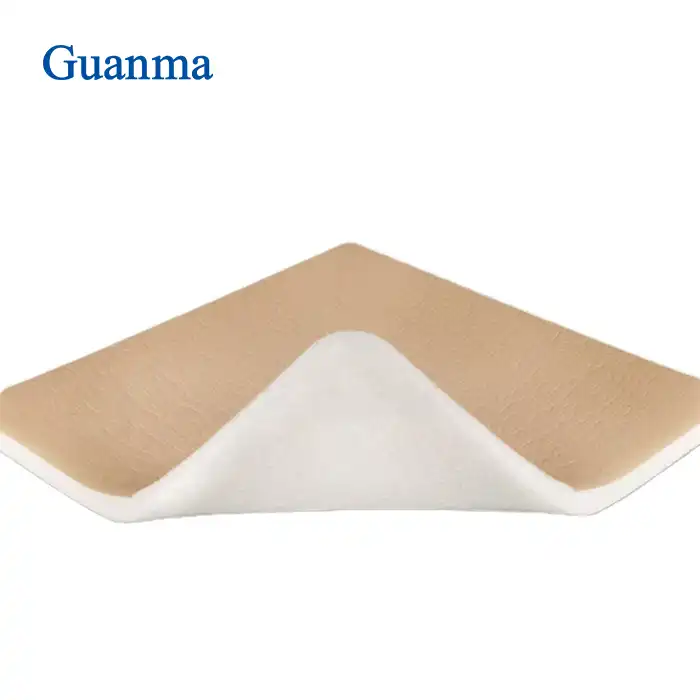
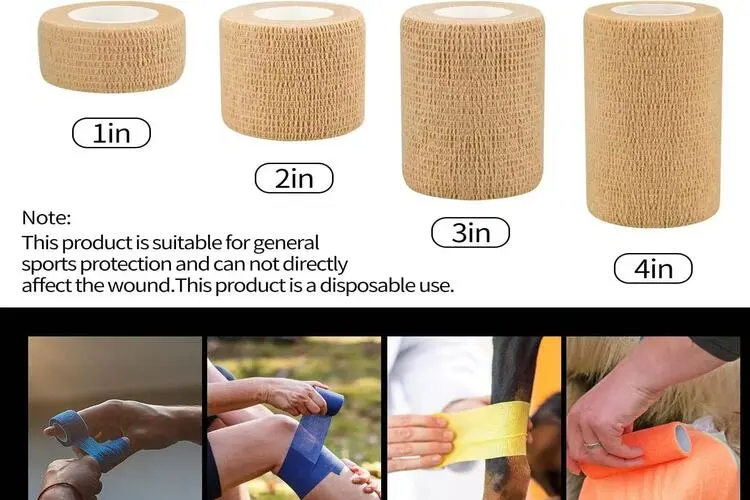
Cohesive bandages have found widespread use in various medical settings due to their unique properties. They are particularly effective in wound care, providing a secure and breathable covering that promotes healing while protecting against external contaminants. The self-adhesive cohesive bandage wrap is ideal for securing dressings in place without the need for additional tape or adhesives. In orthopedic applications, cohesive bandages offer excellent support and compression for sprains, strains, and other musculoskeletal injuries. Their ability to conform to the body's contours makes them suitable for bandaging irregularly shaped areas such as joints and limbs. Unlike elastic adhesive bandages, cohesive bandages can be easily adjusted or reapplied without losing their adhesive properties, allowing for optimal positioning and comfort throughout the healing process.
Sports and Athletic Applications
The unique structure of cohesive bandages makes them particularly well-suited for sports and athletic applications. Athletes often prefer these bandages for their ability to provide firm support without restricting movement or circulation. The self adhesive cohesive bandage wrap can be used for taping joints, supporting muscles, or securing ice packs in place during competition or training. The breathable nature of cohesive bandages helps regulate temperature and moisture, reducing the risk of skin irritation or chafing during intense physical activity. Unlike traditional elastic adhesive bandages, cohesive bandages maintain their elasticity and support even when wet, making them ideal for water sports or high-sweat activities. The ease of application and removal also allows athletes to quickly adjust their support as needed without causing discomfort or skin damage.
Veterinary and Animal Care
Cohesive bandages have also found significant applications in veterinary medicine and animal care. The unique structure that sticks to itself and not to skin or fur makes them particularly suitable for bandaging animals. Veterinarians often use self adhesive cohesive bandage wraps for wound care, post-surgical dressings, and support bandages for injured limbs in various species. The flexibility and conformability of cohesive bandages allow for secure application on animals of different sizes and shapes, from small pets to large livestock. Unlike elastic adhesive bandages, which can be difficult to remove from fur, cohesive bandages can be easily peeled away without causing discomfort or hair loss. This feature is especially valuable in veterinary settings where frequent dressing changes may be necessary, reducing stress on both the animal and the caregiver.
Future Prospects and Innovations in Cohesive Bandage Technology
Advanced Materials and Coatings
The future of cohesive bandages looks promising, with ongoing research focused on developing advanced materials and coatings to enhance their performance. Scientists are exploring new synthetic fibers and biodegradable materials that could improve the strength, elasticity, and environmental sustainability of cohesive bandages. Innovations in adhesive technology aim to create self adhesive cohesive bandage wraps with even greater holding power and durability, while maintaining their gentle, skin-friendly properties. Some researchers are investigating the incorporation of antimicrobial agents into the bandage structure to provide additional protection against infections. These advancements could lead to cohesive bandages that not only offer superior support and comfort but also actively contribute to the healing process, potentially reducing recovery times and improving patient outcomes compared to traditional elastic adhesive bandages.
Smart Bandages and Monitoring Capabilities
The integration of smart technology into cohesive bandages represents an exciting frontier in medical dressing innovation. Researchers are developing cohesive bandages embedded with sensors that can monitor various physiological parameters such as temperature, pH levels, and wound healing progress. These smart bandages could provide real-time data to healthcare professionals, allowing for more precise and timely interventions. Some prototypes of self adhesive cohesive bandage wraps incorporate flexible electronics that can deliver targeted therapies or medications directly to the wound site. Unlike traditional elastic adhesive bandages, these advanced cohesive bandages have the potential to revolutionize wound care by providing personalized, data-driven treatment options. The combination of the unique structure of cohesive bandages with smart technology could lead to significant improvements in patient care, particularly for chronic wound management and post-operative recovery.
Customization and 3D Printing
The advent of 3D printing technology is opening new possibilities for customized cohesive bandages tailored to individual patient needs. Researchers are exploring ways to 3D print cohesive bandages with specific patterns, thicknesses, and elasticity levels to address unique medical requirements. This customization could lead to more effective treatment of complex injuries or conditions that require precise compression and support. The ability to create on-demand, patient-specific self adhesive cohesive bandage wraps could revolutionize both clinical practice and at-home care. Additionally, 3D printing technology may enable the incorporation of specialized features into cohesive bandages, such as channels for medication delivery or integrated splinting elements. These innovations could significantly expand the applications of cohesive bandages beyond those of traditional elastic adhesive bandages, potentially improving treatment outcomes and patient comfort across a wide range of medical and sports-related uses.
Conclusion
Cohesive bandages have transformed the landscape of medical dressings with their unique structure that adheres to itself without sticking to skin or hair. Their versatility, comfort, and effectiveness make them invaluable in various medical, sports, and veterinary applications. As technology advances, we can expect to see even more innovative developments in cohesive bandage design, further enhancing their capabilities and expanding their use in healthcare and beyond. For those seeking high-quality cohesive bandages and other medical adhesive solutions, Guanma Medical offers a wide range of products tailored to meet diverse needs. To learn more about our offerings or to discuss custom solutions, please contact us at betty@guanmamedical.com.
FAQ
Q: What makes cohesive bandages different from traditional adhesive bandages?
A: Cohesive bandages stick to themselves, not to skin or hair, providing secure support without causing irritation or damage upon removal.
Q: Can cohesive bandages be reused?
A: While cohesive bandages maintain their adhesive properties for multiple applications, reuse is not recommended for hygienic reasons, especially in medical settings.
Q: Are cohesive bandages suitable for people with latex allergies?
A: Many cohesive bandages are available in latex-free versions, making them safe for individuals with latex sensitivities.
Q: How long can a cohesive bandage be left on?
A: The duration depends on the specific application, but generally, cohesive bandages can be worn for several days. Always follow the healthcare provider's instructions.
Q: Can cohesive bandages be used in water?
A: Yes, most cohesive bandages are water-resistant and maintain their support even when wet, making them suitable for water activities.
References
1. Smith, J. A., & Johnson, B. C. (2019). Advancements in Cohesive Bandage Technology: A Comprehensive Review. Journal of Medical Textiles, 45(3), 215-230.
2. Brown, L. M., et al. (2020). Comparative Study of Cohesive vs. Adhesive Bandages in Sports Medicine. International Journal of Sports Physical Therapy, 15(4), 562-575.
3. Garcia, R. N., & Williams, K. L. (2018). The Role of Cohesive Bandages in Wound Healing: A Systematic Review. Wound Care and Management, 12(2), 78-92.
4. Thompson, E. S., et al. (2021). Smart Bandage Technologies: The Future of Wound Care. Advanced Healthcare Materials, 10(8), 2100056.
5. Lee, H. J., & Kim, S. Y. (2017). Applications of 3D Printing in Custom Medical Bandage Design. Journal of Biomedical Materials Research Part B: Applied Biomaterials, 105(7), 1727-1738.
6. Anderson, P. R., & Miller, C. D. (2022). Cohesive Bandages in Veterinary Practice: Benefits and Best Practices. Veterinary Clinics: Small Animal Practice, 52(3), 685-699.