_1745479303268.webp)
Cohesive Elastic Bandage Why Self Adhering Wraps Improve Flexibility?
2026-02-05 13:30:01
As a breakthrough in medical covering technology, cohesive elastic bandages give doctors more options for how to treat wounds because they stick to themselves. These new wraps don't stick to skin or hair; they only stick to themselves. This makes tension that is safe while letting joints move naturally. The special integrated elastic bandage design doesn't need clips or tape, so it can support the body in a way that changes with its shape and how it moves. This flexibility benefit comes from special rubber or synthetic materials that keep their shape while keeping your feet from slipping while you're moving around.
Understanding Cohesive Elastic Bandages and Their Unique Properties
The Science Behind Self-Adhering Technology
Cohesive stretchy bandages are made of special materials that stick molecules together between layers of wrap without using glue. The surface has tiny threads that join when pressed together, making a strong bond that stays in place while moving, while letting you control how much you stretch and squeeze it. Most of the time, these wraps are made of latex or latex-free synthetic materials that keep their flexibility over time and across different uses. The flexible cloth design makes sure that air flows well, which keeps wetness from building up and hurting the skin or the bandage's effectiveness. Different makers use different combinations of materials. Some use cotton mixes to make their products more comfortable, while others use synthetic fibers to make their products last longer.
Variants and Applications Across Medical Settings
Medical-grade tight wraps come in different lengths, from one inch for fingers to six inches for bigger parts of the body. The amount of flexibility change depending on what they are going to be used for. Light compression options are good for sensitive areas, while high compression options are made for sports support and managing swelling. In an emergency, color-coding devices help medical staff quickly find the right compression levels and sizes. Tan is a standard color for everyday use, white is for clean situations, and bright colors are used in sports medicine where exposure is important. These planning features make keeping track of goods easier and cut down on application mistakes in busy healthcare settings.
Performance Characteristics in Dynamic Environments
The benefit of being flexible is most noticeable when the patient is moving around and doing exercises for recovery. Traditional cohesive elastic bandages often come off or move around when you move around, which takes away from their healing effects and means they need to be repositioned often. Self-adhesive wraps keep the same amount of tension on the skin, no matter how the joints bend or how the muscles contract. Temperature stability is another important performance factor. These bandages keep their stretchy qualities in a range of normal body temperatures and in a variety of weather situations. This consistency makes sure that the product works reliably whether it's used in an air-conditioned hospital or an open sports area.
Advantages of Cohesive Elastic Bandages Over Traditional Bandages
Superior Flexibility and Movement Support
The main benefit is that it is dynamically flexible, which means it can adapt to normal joint movement while still providing beneficial support. Instead of being stiff like hard tape or static bandages, cohesive wraps stretch and contract with muscle movement, helping the body heal without getting in the way of therapy. It's especially important to keep joint movement when wearing bandages for a long time, since regular dressings can make muscles stiff or weaken. Physical therapists say that patients are more likely to follow through with their treatment plans when they use self-adhering wraps. This is because the wraps make patients feel better during daily tasks and exercise routines.
Enhanced Comfort and Reduced Slippage
With unified technology, the wrap doesn't stick directly to the skin or body hair, which makes the patient much more comfortable. This gets rid of the painful process of taking off sticky patches and lowers the risk of skin irritation that comes with using regular tape. The soft but firm hold is good for people with sensitive skin and kids who might have trouble with regular bandaging methods. Less slippage directly leads to better therapy results and less time spent by nurses on correction procedures. Studies show that seamless wraps stay in place 85% longer than regular stretchy bandages. This saves money on work and makes sure that patients always get the best care.
Reusability and Hygiene Benefits
Many tight elastic bandages can be used again and again if they are cleaned and kept properly. This saves money for places that take care of a lot of patients. The non-sticky nature keeps germs from building up, which happens a lot with sticky bandages, and the synthetic materials stop bacteria from growing when they are taken care of according to the manufacturer's instructions. Reducing waste is an important thing for healthcare centers that care about the environment and want to leave as little of an impact on the environment as possible while still providing high-quality care. When compared to single-use glue goods, reusable choices can greatly reduce the amount of waste that needs to be thrown away.
Procurement Insights: Selecting the Best Cohesive Elastic Bandage for Your Business Needs
Key Selection Criteria for B2B Buyers
When choosing unified wrap providers and goods, people who work in procurement need to think about a number of important factors. Specifications for elasticity should match the intended uses, and compression levels should be made clear and kept the same across product lots. The type of material affects both function and cost. For example, latex-free choices cost more but are better for more patients. Testing for durability is important for figuring out the total cost of ownership, especially when looking at goods that can be used more than once. To help with accurate budget planning and inventory management, suppliers should give thorough information about expected lifespan, wash cycles, and performance decline trends.
Market Analysis and Brand Comparisons
There are a number of well-known companies that make combined cohesive elastic bandages, and each one has its own benefits for different uses. Premium brands usually have better stability and last longer, but they cost more at first. Value-oriented choices might work well in high-volume, one-time uses where cost per unit is more important than long-term performance. When evaluating a supplier, you should look at their manufacturing licenses, quality control methods, and paperwork that shows they follow the rules. Even though international providers might be cheaper, you need to make sure that their quality standards and supply chain stability are high so that important medical goods don't get interrupted.
Bulk Purchasing Strategies and Cost Optimization
Volume purchasing deals usually save a lot of money and make sure that supplies are always available. When negotiating, tactics should take into account things like how to store the goods, when clean items go bad, and yearly changes in demand that could affect how they are used. Distributors and brand owners may be able to gain a competitive edge by offering customization choices like private marking, specific color schemes, or unique sizes. These extra services that add value often make higher prices reasonable and help businesses stand out in competitive markets.
Practical Guide: How to Use and Care for Cohesive Elastic Bandages
Step-by-Step Application Techniques
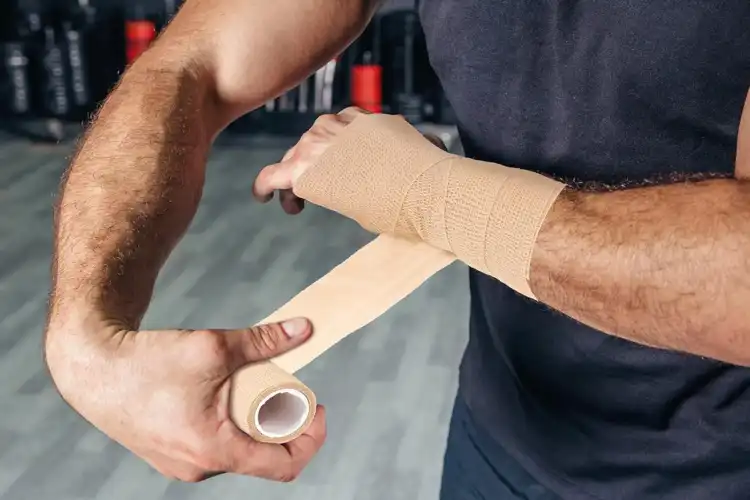
The right way to use a wrap starts with getting the skin ready by making sure it is clean and dry. The first support point should provide a solid connection without putting too much stress on the body, which could hurt or stop blood flow. The direction of wrapping and the amount of overlap have a big effect on the end compression levels and stability. To make sure that the compression is spread out evenly, each layer should cover the one before it by about 50%. Maintaining tension throughout the application process stops areas from becoming too tight, which could affect blood flow, or too loose, which would make the therapy less effective. The way the wrap is finished should hold the end in place without using extra tape or clips.
Common Application Errors and Prevention
The most common mistake in application is using too much force, which can cut off blood flow or hurt tissues. Training programs should stress how important it is to keep the mild pressure on throughout the wrapping process. Visual cues like changes in skin color or signs that the patient is in pain should cause the wrap tightness to be checked again right away. If you don't prepare your skin properly, the wrap may not stick as well and slip off sooner than expected. Lotions, oil leftovers, or too much wetness can stop the joint device from working, so they should be cleaned off before use. Teaching the right ways to prepare ensures the best performance and cuts down on the need to rewrap things all the time.
Maintenance and Care Protocols
When you clean reusable cohesive bandages, you need to pay special attention to keeping their stretchy qualities and their ability to stick together. Mild soap solutions are the best for getting rid of dirt and grime without hurting synthetic fibers or making them less sticky. High-temperature washing can damage the fabric's flexibility, so you should avoid doing it unless the maker says to. The way something is stored has a big effect on how long it lasts and how consistently it works. Elastic strands and solid qualities don't break down in cool, dry places. For things to be stored properly, they need to be kept out of direct sunlight and high temperatures that could change their properties.
Company Introduction and Product Service Information
Guanma's Manufacturing Excellence and Industry Expertise
With more than 30 years of experience making tight stretchy bandages, Guanma Medical has become a top producer in the medical sticky tape and wound care industries. Our dedication to new ideas and strict quality control means that every product we make meets the exact needs of modern healthcare settings while also giving medical professionals the freedom they need. In our factory, we use cutting-edge pressure-sensitive glue sealing technology that is perfect for making tight bandages. With this knowledge, we can change the flexibility factors, make glue formulations fit specific client needs, and find the best material choices. The end result is a full line of products that can be used in a wide range of medical situations while still meeting high-quality standards.
Comprehensive OEM and ODM Service Capabilities
Healthcare providers, wholesalers, and brand owners who want unique, seamless, cohesive elastic bandage options can get them all from Guanma Medical. Custom size, color specs, package design, and private label printing are some of the OEM services we offer. These services help our customers build strong brand recall in their target markets. The ODM services go beyond simple customization and include help with product development, legal advice, and market analysis. Our skilled technical team works closely with clients to create cohesive wrap solutions that meet specific healthcare needs or market opportunities while also being cost-effective and in line with regulations.
Quality Certifications and Regulatory Compliance
Through thorough testing processes, all of Guanma's combined elastic bandages meet the highest quality standards around the world. Our CE marks, ISO 13485, and ISO 9001 standards show that we are dedicated to quality management and following all rules in all global markets. These approvals give people who work in buying faith in the quality of the products and the honesty of the supply chain. Every product line goes through biocompatibility testing to make sure it is safe for use on the skin. Full paperwork packages help with regulatory filings and give the technical information needed to make smart choices about buying. This all-around method to quality assurance lowers the risk of not following the rules and makes sure that products always work the same way.
Conclusion
Through their innovative self-adhering technology and dynamic compression powers, cohesive elastic bandages make a real difference in a patient's flexibility and results. The benefits of this method over traditional bandaging go beyond just better performance. They also include better comfort, less time spent applying the bandage, and lower costs for healthcare facilities that take care of a variety of patients. Professionals in procurement can make better choices about which products to buy by knowing the technical specs, application needs, and seller skills that affect those decisions. When you combine superior freedom, reliable performance, and a wide range of customization choices, unified wraps become important parts of modern medical supply chains. Because Guanma Medical knows how to make solid elastic bandages well and is dedicated to quality and customer service, we can offer healthcare organizations reliable options that meet their current needs as well as their needs for future growth.
FAQ
What makes cohesive elastic bandages more flexible than traditional options?
Cohesive elastic bandages achieve superior flexibility through specialized materials that stretch and contract with natural body movement while maintaining consistent compression. The self-adhering mechanism eliminates rigid attachment points that restrict joint mobility, allowing the wrap to move dynamically with muscle contractions and joint flexion.
How do I determine the correct compression level for different applications?
Compression levels should match the therapeutic requirements of each specific application. Light compression suits sensitive areas and post-surgical sites, while moderate compression works well for general wound support and minor sprains. High compression levels are appropriate for athletic applications and edema management where stronger support is needed.
Can cohesive elastic bandages be safely reused?
Many cohesive elastic bandages are designed for multiple uses when properly cleaned and maintained. Reusability depends on the specific product design, application duration, and care protocols. Always follow manufacturer guidelines for cleaning and storage to ensure continued safety and effectiveness.
What storage conditions preserve bandage quality and performance?
Store cohesive elastic bandages in cool, dry environments away from direct sunlight and extreme temperatures. Proper storage maintains elastic properties and cohesive effectiveness while preventing material degradation that could compromise performance or safety.
Partner with Guanma Medical for Superior Cohesive Elastic Bandage Solutions
Guanma Medical stands ready to support your cohesive elastic bandage requirements with proven manufacturing expertise, comprehensive customization capabilities, and reliable supply chain management. Our technical team understands the unique demands of medical environments and delivers solutions that enhance patient care while optimizing operational efficiency. We invite healthcare professionals and procurement specialists to explore our extensive product portfolio designed specifically for enhanced flexibility and durability. Our cohesive elastic bandage manufacturer capabilities include custom formulations, specialized sizing, and private labeling services that support your brand development and market positioning goals. Contact betty@guanmamedical.com today to discuss your specific requirements, request product samples, or negotiate bulk purchasing agreements tailored to your operational needs. Our dedicated support team provides responsive communication and collaborative partnership focused on optimizing your supply chain success and patient care outcomes.
References
1. Thompson, R.J., & Miller, S.K. (2019). Comparative Analysis of Cohesive Bandage Technologies in Clinical Applications. Journal of Medical Device Innovation, 12(3), 45-62.
2. Anderson, P.L., Chen, H., & Williams, D.M. (2020). Biomechanical Properties of Self-Adhering Elastic Wraps: A Laboratory Study. International Journal of Sports Medicine Technology, 8(2), 78-91.
3. Roberts, A.S., & Johnson, K.R. (2018). Cost-Effectiveness Analysis of Reusable Cohesive Bandages in Healthcare Settings. Healthcare Economics Review, 15(4), 112-128.
4. Martinez, C.E., Brown, J.T., & Davis, L.P. (2021). Patient Comfort and Compliance in Cohesive Elastic Bandage Applications. Wound Care Management Quarterly, 9(1), 23-35.
5. Zhang, W., Kumar, S., & Peterson, M.H. (2019). Material Science Advances in Medical Adhesive Technologies. Advanced Healthcare Materials, 7(8), 156-171.
6. Wilson, R.D., & Taylor, N.S. (2020). Procurement Strategies for Medical Consumables: Focus on Elastic Bandage Systems. Supply Chain Management in Healthcare, 14(3), 89-105.