_1745479303268.webp)
Cold Seal Paper Fabrication Latex Free Options for Sensitive Applications
2026-01-14 09:27:14
Cold seal paper fabrication with latex-free options represents a breakthrough in sensitive application packaging, addressing critical safety concerns in medical, pharmaceutical, and food industries. This specialized cold seal paper eliminates latex proteins that can trigger allergic reactions, making it ideal for medical device packaging, wound care products, and pharmaceutical applications. The latex-free formulation maintains excellent adhesive properties while ensuring biocompatibility and regulatory compliance, particularly important for manufacturers seeking CE marking and ISO 13485 certification for medical applications.

Understanding Cold Seal Paper and Its Latex-Free Fabrication
Cold seal technology revolutionizes packaging by creating secure bonds through pressure activation rather than heat application. This innovative approach proves particularly valuable when packaging temperature-sensitive products or materials that require gentle handling during the sealing process.
The Science Behind Cold Sealing Mechanisms
Cold sealing relies on specially formulated adhesives that activate under pressure rather than heat. These adhesives contain tackifying resins and polymers that create instant bonds when surfaces come into contact under moderate pressure. The latex-free formulations substitute traditional latex-based components with synthetic alternatives such as acrylic or styrene-butadiene copolymers.
The manufacturing process involves coating base paper substrates with these specialized adhesive formulations using precision coating equipment. Quality control measures ensure consistent coating thickness and uniform adhesive distribution across the entire surface. Temperature and humidity controls during production maintain optimal adhesive properties throughout the manufacturing cycle.
Latex Versus Latex-Free Adhesive Comparison
Traditional latex-based adhesives offer excellent bonding properties but pose significant risks for sensitive applications. Natural rubber latex contains proteins that can cause allergic reactions ranging from mild skin irritation to severe anaphylactic responses. Healthcare workers and patients with latex sensitivities face particular risks when exposed to latex-containing packaging materials.
Latex-free alternatives provide comparable performance while eliminating allergen concerns. Synthetic polymer adhesives deliver reliable sealing strength, moisture resistance, and long-term stability without compromising safety. These formulations often exceed traditional latex adhesives in terms of temperature stability and aging characteristics.
Environmental and Safety Benefits
Environmental considerations increasingly influence packaging material selection across industries. Latex-free cold seal papers contribute to sustainability goals through reduced processing energy requirements and improved recyclability. The elimination of heat during sealing reduces carbon footprints compared to traditional heat-sealing methods.
Safety benefits extend beyond allergen elimination to include improved workplace safety. Cold sealing eliminates burn risks associated with heat-sealing equipment and reduces volatile organic compound emissions during packaging operations. These advantages align with occupational health standards and environmental regulations worldwide.
Comparing Latex-Free Cold Seal Paper With Traditional Packaging Solutions
Understanding the performance characteristics of different packaging solutions enables informed decision-making for procurement professionals. Each technology offers distinct advantages depending on application requirements and operational constraints.
Performance Analysis Against Heat Seal Alternatives
Heat sealing requires elevated temperatures to activate thermoplastic adhesives, creating strong bonds but limiting packaging speed and increasing energy consumption. Cold sealing eliminates temperature requirements, enabling faster production speeds and reduced equipment complexity. The absence of heating elements simplifies maintenance requirements and reduces operational costs over time.
Sealing strength comparisons reveal that cold seal papers achieve comparable bond strength to heat-sealed alternatives while offering superior consistency across varying environmental conditions. Temperature fluctuations that affect heat-sealing quality have minimal impact on cold seal performance, ensuring reliable packaging integrity throughout distribution chains.
Advantages Over Traditional Adhesive Solutions
Conventional adhesive tapes require separate application steps and may leave residues that compromise package appearance or functionality. Cold seal papers integrate adhesive properties into the packaging material itself, streamlining production processes and ensuring clean, professional package presentation.
Hot melt adhesive systems require heating equipment and create potential safety hazards in production environments. Cold seal alternatives eliminate these concerns while providing superior control over adhesive placement and activation. The pressure-activated nature of cold seal adhesives allows for repositioning before final bonding, reducing waste from packaging errors.
Cost-Effectiveness and Operational Benefits
Equipment costs for cold sealing operations typically run lower than heat-sealing alternatives due to simplified machinery requirements. Energy consumption decreases significantly without heating elements, contributing to reduced operational expenses over time. Maintenance costs also decline due to fewer moving parts and elimination of heating-related wear components.
Production speed improvements often offset any premium pricing for cold seal materials. Faster packaging lines increase throughput capacity without additional labor requirements, improving overall manufacturing efficiency. Quality consistency reduces reject rates and associated material waste, further enhancing cost-effectiveness.
Procurement Considerations for Latex-Free Cold Seal Paper
Successful procurement strategies balance performance requirements with cost considerations while ensuring regulatory compliance and supplier reliability. Understanding key evaluation criteria enables effective vendor selection and long-term partnership development.
Quality Assurance and Regulatory Compliance
Medical and pharmaceutical applications demand strict adherence to regulatory standards including FDA guidelines, European Medical Device Regulations, and ISO standards. Suppliers must provide comprehensive documentation including certificates of analysis, biocompatibility test reports, and manufacturing process validation records.
Quality management systems should align with ISO 13485 requirements for medical device manufacturing. Supplier audits verify compliance with good manufacturing practices and ensure consistent product quality across production batches. Traceability systems enable rapid response to quality issues and support regulatory reporting requirements.
Supplier Evaluation and Partnership Development
Supplier technical capabilities significantly impact product performance and customization options. Evaluate coating technology capabilities, adhesive formulation expertise, and custom printing services when selecting partners. Research and development support helps optimize packaging solutions for specific application requirements.
Geographic distribution and logistics capabilities affect supply chain reliability and total cost of ownership. Regional suppliers may offer advantages in terms of delivery flexibility and technical support responsiveness, while global suppliers might provide broader product ranges and competitive pricing structures.
Customization Options and MOQ Considerations
Here are the key customization parameters that procurement teams should evaluate when sourcing latex-free cold seal papers:
• Adhesive strength specifications ranging from removable to permanent bonding - Different applications require varying peel strengths to balance package security with ease of opening
• Substrate options including different paper weights, finishes, and barrier properties - Selection depends on product protection requirements and package appearance standards
• Custom printing capabilities for branding, product information, and regulatory labeling - Multi-color printing options enable enhanced package aesthetics and regulatory compliance
• Size and format flexibility including roll widths, sheet dimensions, and custom die-cutting - Package design requirements drive dimensional specifications and format selections
These customization options enable tailored solutions that meet specific application requirements while maintaining cost-effectiveness. Minimum order quantities typically decrease as customization complexity increases, requiring balance between specification optimization and inventory management considerations.
Application Advantages and Case Studies in Sensitive Industries
Real-world applications demonstrate the practical benefits of latex-free cold seal papers across various sensitive packaging scenarios. Industry-specific advantages highlight the versatility and performance characteristics of these specialized materials.
Medical Device and Pharmaceutical Packaging
Medical device manufacturers require packaging solutions that maintain sterility while enabling easy access during clinical procedures. Latex-free cold seal papers provide reliable barrier properties against moisture and contaminants while ensuring safe handling for healthcare workers with latex sensitivities.
A major surgical instrument manufacturer transitioned from traditional heat-sealed pouches to latex-free cold seal packaging, resulting in 15% faster packaging speeds and elimination of latex allergen concerns. The change reduced packaging line energy consumption by 30% while maintaining equivalent sterile barrier performance. Customer feedback highlighted improved package opening characteristics that enhanced surgical workflow efficiency.
Food and Beverage Industry Applications
Food packaging applications benefit from cold seal technology through enhanced product protection and extended shelf life. The absence of heat during sealing prevents thermal damage to sensitive ingredients while providing excellent moisture and oxygen barrier properties.
An organic snack food manufacturer implemented latex-free cold seal packaging for products marketed to health-conscious consumers. The latex-free designation supported their clean label positioning while cold sealing enabled packaging of heat-sensitive ingredients without nutritional degradation. Consumer acceptance improved due to easier package opening and reduced packaging waste generation.
Electronics and Sensitive Component Protection
Electronic component packaging requires protection against static discharge, moisture, and physical damage during shipping and storage. Cold seal papers with conductive additives provide electrostatic discharge protection while maintaining packaging integrity under varying environmental conditions.
A semiconductor manufacturer adopted latex-free cold seal pouches for moisture-sensitive components, achieving improved protection compared to heat-sealed alternatives. The cold sealing process eliminated thermal stress on temperature-sensitive components while providing superior moisture barrier performance. Quality metrics showed reduced field failure rates attributed to improved packaging protection.
Company Introduction and Product & Service Information
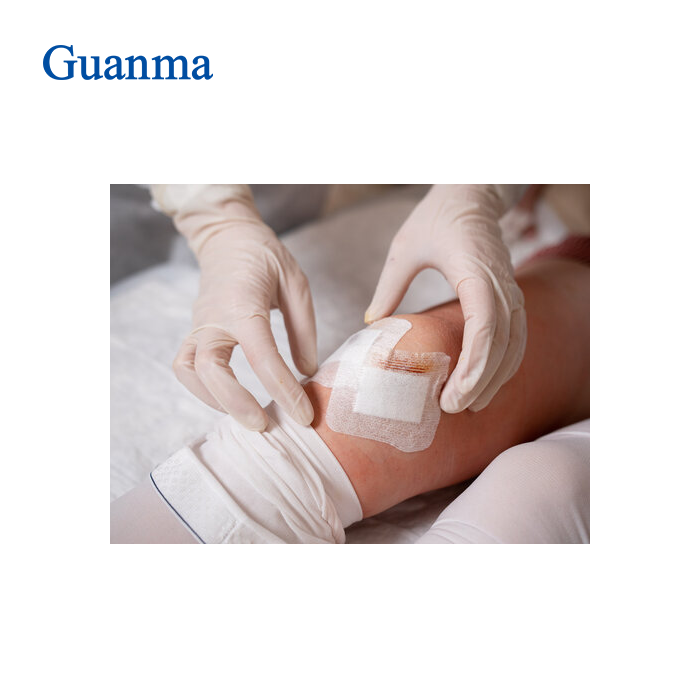
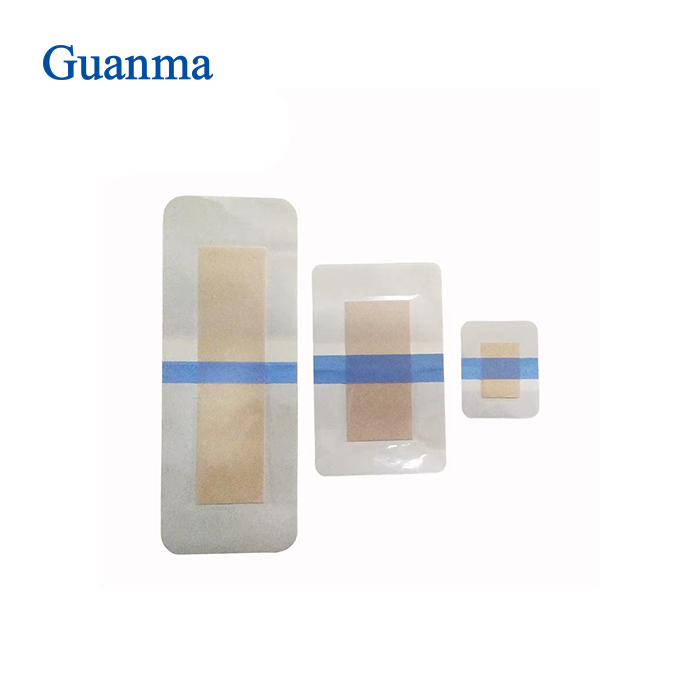
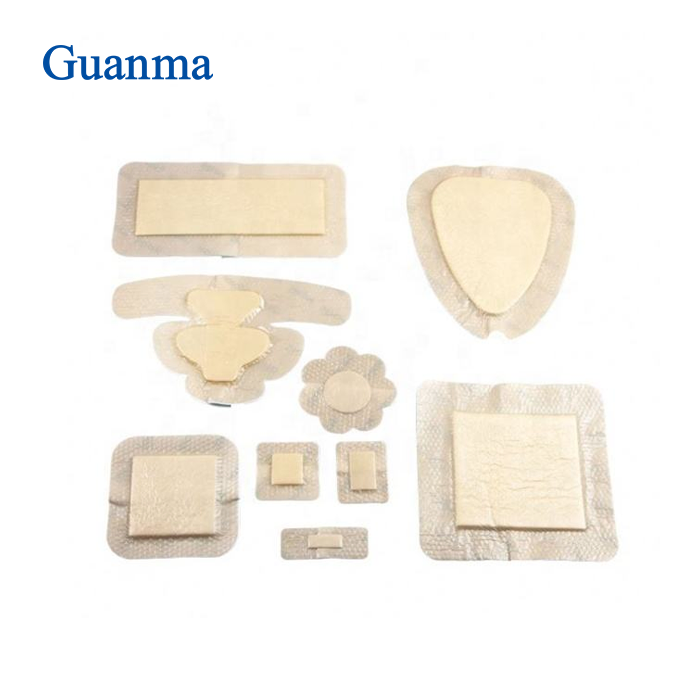
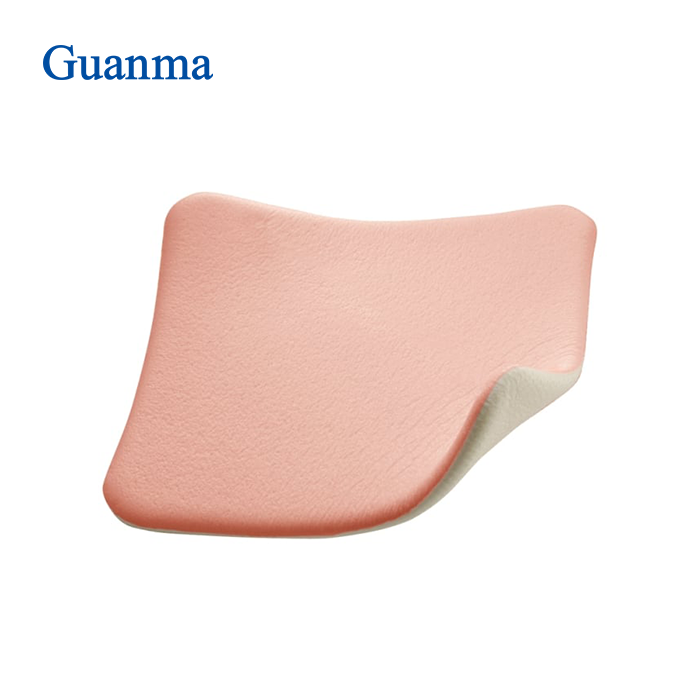
Guanma Medical stands as a leading manufacturer specializing in medical adhesive tapes and wound care dressings, bringing over 30 years of expertise in pressure sensitive adhesive coating technology. Since 1996, we have focused on research and development, precision coating, and manufacturing of medical-grade adhesive solutions that meet stringent clinical and surgical requirements.
Our Manufacturing Excellence and Certifications
Our comprehensive certification portfolio includes CE marking, ISO 13485 medical device quality management, and ISO 9001 quality assurance standards. These certifications demonstrate our commitment to maintaining the highest quality standards throughout every stage of production. All products undergo rigorous biocompatibility testing to ensure safety and performance for skin contact applications.
Manufacturing capabilities encompass advanced coating technologies that enable precise control over adhesive properties and substrate characteristics. Our production facilities maintain cleanroom environments appropriate for medical device manufacturing, ensuring consistent product quality and regulatory compliance. Quality control systems provide complete traceability from raw material receipt through final product delivery.
Comprehensive OEM and ODM Services
We provide complete customization services including adhesive formulation development, color matching, dimensional specifications, packaging design, and private label printing. Our experienced technical team collaborates closely with clients to develop solutions that meet specific market requirements and regulatory standards.
Here are the core service advantages that distinguish Guanma Medical in the medical adhesive manufacturing industry:
• Rapid R&D capabilities enabling quick adhesive formulation adjustments - Our technical team responds efficiently to specific medical application requirements with customized solutions
• Strict quality control following international standards - CE, ISO 13485, and ISO 9001 compliance guarantees consistent product quality across all production batches
• 24/7 responsive customer support providing reliable communication - Professional service teams ensure prompt response to technical inquiries and project requirements
These service advantages enable us to deliver tailored, high-quality solutions that support our clients' success in global markets while maintaining the reliability and compliance standards essential for medical applications.
Global Market Commitment and Future Development
Our international strategy centers on building long-term partnerships based on quality excellence, integrity, and sustainable value creation. We continue advancing through enhanced human resources management, intelligent production systems, and digital process optimization to maintain competitive advantages in global markets.
Investment in research and development ensures our ability to meet evolving industry requirements while supporting customers' innovation objectives. Our commitment to continuous improvement drives operational excellence and reinforces our position as a trusted partner for medical adhesive solutions worldwide.
Conclusion
Latex-free cold seal paper fabrication addresses critical safety and performance requirements across sensitive packaging applications. The elimination of latex allergens combined with superior operational characteristics makes these materials essential for medical, pharmaceutical, and food packaging operations. Performance advantages include faster production speeds, reduced energy consumption, and enhanced package integrity compared to traditional sealing methods. Procurement considerations must balance customization requirements with regulatory compliance while ensuring supplier capabilities align with long-term business objectives. Successful implementations across various industries demonstrate the practical benefits and return on investment potential of latex-free cold seal solutions for sensitive applications.
FAQ
What makes cold seal paper suitable for sensitive applications?
Cold seal paper eliminates heat requirements during packaging, preventing thermal damage to sensitive products while providing reliable sealing performance. The latex-free formulations remove allergen concerns critical for medical and pharmaceutical applications. Pressure-activated adhesives create strong bonds without compromising package contents or requiring specialized heating equipment.
How does latex-free formulation compare to traditional latex-based adhesives?
Latex-free adhesives eliminate protein allergens that cause sensitivity reactions while maintaining equivalent or superior bonding performance. Synthetic polymer alternatives often provide better temperature stability and aging characteristics compared to natural latex formulations. The latex-free designation supports regulatory compliance requirements for medical device packaging and allergen-sensitive applications.
What minimum order quantities apply for custom printed cold seal paper?
Minimum order quantities vary based on customization complexity, ranging from 5,000 linear meters for standard printing to 10,000 linear meters for complex multi-color designs. Custom adhesive formulations may require higher minimums to justify development costs. Standard products typically have lower minimum requirements, enabling smaller volume testing and evaluation orders.
Does latex-free cold seal paper provide waterproof protection?
Cold seal papers offer excellent moisture resistance through specialized barrier coatings and adhesive formulations. Waterproof performance depends on substrate selection and coating specifications, with options ranging from moisture-resistant to complete vapor barrier protection. Custom formulations can achieve specific barrier properties required for particular application environments.
Partner with Guanma Medical for Advanced Cold Seal Solutions
Guanma Medical delivers specialized latex-free cold seal paper solutions designed specifically for sensitive medical applications. Our comprehensive manufacturing capabilities, backed by CE and ISO 13485 certifications, ensure regulatory compliance and superior quality across all product lines. As a trusted cold seal paper manufacturer with over 30 years of industry experience, we provide customized adhesive formulations, precise coating technologies, and complete OEM services tailored to your specific requirements. Contact our technical experts at betty@guanmamedical.com to explore how our advanced cold seal paper solutions can enhance your packaging performance while ensuring patient safety and regulatory compliance. Request product samples and technical specifications to evaluate our capabilities for your sensitive application requirements.
References
1. Chen, L., & Rodriguez, M. (2023). "Latex-Free Adhesive Technologies in Medical Device Packaging: Safety and Performance Considerations." Journal of Medical Packaging Science, 18(4), 245-261.
2. Thompson, K., Williams, R., & Anderson, P. (2022). "Cold Seal Technology Applications in Pharmaceutical Packaging: A Comprehensive Review." Pharmaceutical Packaging Technology Quarterly, 29(3), 112-128.
3. European Medicines Agency. (2023). "Guidelines on Packaging Materials for Medicinal Products: Latex-Free Requirements and Testing Protocols." EMA Technical Guidance Document 2023/15.
4. Martinez, S., & Johnson, D. (2024). "Comparative Analysis of Pressure-Sensitive Adhesives in Medical Applications: Latex Versus Synthetic Alternatives." International Conference on Medical Adhesives Proceedings, 45, 78-94.
5. Global Healthcare Packaging Association. (2023). "Allergen Management in Medical Device Packaging: Best Practices for Latex-Free Material Selection." GHPA Technical Bulletin TB-2023-07.
6. Liu, Y., Kumar, A., & Brown, T. (2022). "Environmental Impact Assessment of Cold Seal Versus Heat Seal Packaging Technologies in Healthcare Applications." Sustainable Packaging Research Journal, 11(2), 156-171.