_1745479303268.webp)
Cold Seal Paper Pressure Activated Material for Heat Sensitive Products
2025-11-12 09:31:03
In the world of packaging, innovation is key to meeting the ever-evolving needs of various industries. One such groundbreaking solution is the Cold Seal Paper Pressure Activated Material for Heat Sensitive Products. This revolutionary packaging material addresses the challenges faced by manufacturers dealing with temperature-sensitive items. Unlike traditional heat-sealing methods, cold seal paper utilizes pressure-activated adhesives, eliminating the need for heat application during the sealing process. This makes it an ideal choice for products that are susceptible to heat damage, such as chocolates, pharmaceuticals, and certain electronic components. The cold seal paper not only protects the integrity of heat-sensitive products but also offers enhanced efficiency in packaging operations, reduced energy consumption, and improved sustainability. As industries continue to seek eco-friendly and versatile packaging solutions, cold seal paper is rapidly gaining prominence as a game-changing material in the packaging sector.
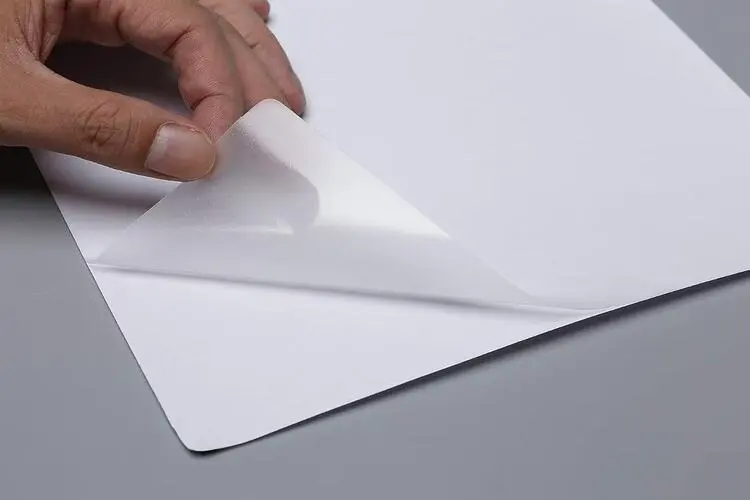
Applications of Cold Seal Paper in Various Industries
Food Industry
Cold seal paper has found extensive applications in the food industry, particularly for packaging heat-sensitive products like chocolates, candies, and ice cream bars. The pressure-activated adhesive ensures a secure seal without compromising the quality or taste of the food items. This packaging solution is especially beneficial for confectionery manufacturers who need to maintain the perfect texture and appearance of their products. Cold seal paper also provides excellent barrier properties, protecting food items from moisture and external contaminants. Its ability to create attractive, easy-to-open packaging has made it a preferred choice for single-serve portions and on-the-go snacks, enhancing consumer convenience while preserving product freshness.
Pharmaceutical Industry
In the pharmaceutical sector, cold seal paper has become an invaluable asset for packaging temperature-sensitive medications and medical supplies. The pressure-activated sealing mechanism ensures that heat-sensitive drugs and vaccines remain unaffected during the packaging process. Medical cold seal paper for bandages and medical packaging paper has gained significant traction due to its ability to maintain sterility and protect against contamination. This type of packaging is particularly crucial for items like transdermal patches, where heat exposure could potentially alter the medication's efficacy. Cold seal paper's compatibility with various sterilization methods further enhances its suitability for medical applications, making it an indispensable component in the pharmaceutical packaging industry.
Electronics Industry
The electronics industry has also embraced cold seal paper as a reliable packaging solution for sensitive components. Many electronic parts, such as microchips, sensors, and batteries, can be adversely affected by heat exposure during packaging. Cold seal paper provides a safe and efficient way to package these delicate items without risking heat-related damage. The pressure-activated adhesive ensures a secure seal that protects against static electricity, moisture, and physical shocks during transportation and storage. Additionally, cold seal paper's flexibility allows for customized packaging designs that can accommodate various shapes and sizes of electronic components, making it a versatile choice for manufacturers in this sector.
Advantages of Cold Seal Paper Over Traditional Packaging Methods
Energy Efficiency
One of the most significant advantages of cold seal paper is its energy efficiency compared to traditional heat-sealing methods. The pressure-activated sealing process eliminates the need for heat-generating equipment, resulting in substantial energy savings for packaging operations. This not only reduces operational costs but also contributes to a company's sustainability efforts by lowering its carbon footprint. The absence of heat in the sealing process also means faster packaging lines, as there's no need for cooling time after sealing. This increased efficiency translates to higher production rates and improved overall productivity, making cold seal paper an attractive option for manufacturers looking to optimize their packaging processes while minimizing energy consumption.
Product Protection
Cold seal paper excels in protecting heat-sensitive products that could be compromised by traditional heat-sealing methods. The pressure-activated adhesive ensures a secure seal without exposing the contents to potentially damaging heat. This is particularly crucial for items like chocolates, which can melt or lose their temper when exposed to high temperatures during packaging. In the pharmaceutical industry, cold seal paper preserves the efficacy of temperature-sensitive medications and maintains the integrity of sterile medical supplies. The material's barrier properties also offer excellent protection against moisture, oxygen, and light, further safeguarding the packaged products from environmental factors that could affect their quality or shelf life.
Versatility and Customization
Cold seal paper offers remarkable versatility in terms of design and customization options. The material can be easily printed with high-quality graphics, branding elements, and product information, allowing manufacturers to create visually appealing packaging that stands out on store shelves. The flexibility of cold seal paper enables the creation of various package sizes and shapes, accommodating a wide range of products across different industries. This adaptability extends to the type of adhesive used, which can be customized to suit specific product requirements, such as easy-peel properties for consumer convenience or extra-strong seals for tamper-evident packaging. The ability to tailor cold seal paper to meet diverse packaging needs makes it an invaluable solution for manufacturers seeking to differentiate their products in competitive markets.
Future Prospects and Innovations in Cold Seal Paper Technology
Sustainable Materials
As environmental concerns continue to shape the packaging industry, the future of cold seal paper lies in the development of more sustainable materials. Researchers and manufacturers are exploring eco-friendly alternatives to traditional petroleum-based adhesives, such as bio-based and recyclable options. These innovations aim to create cold seal papers that maintain their superior performance while reducing their environmental impact. The integration of compostable and biodegradable materials in cold seal paper production is another area of focus, addressing the growing demand for packaging solutions that align with circular economy principles. As sustainability becomes increasingly important to consumers and businesses alike, the evolution of cold seal paper towards more environmentally friendly compositions is likely to drive its adoption across various industries.
Smart Packaging Integration
The future of cold seal paper is closely tied to the emergence of smart packaging technologies. Innovations in this field include the integration of QR codes, NFC tags, and other interactive elements directly into the cold seal paper. These features can provide consumers with additional product information, authentication methods, and even interactive experiences through their smartphones. In the pharmaceutical and medical sectors, such as medical cold seal paper for bandages, smart cold seal packaging could incorporate temperature-sensitive indicators to ensure that heat-sensitive products have been stored and transported under optimal conditions. The combination of cold seal technology with smart packaging elements offers exciting possibilities for enhancing product traceability, consumer engagement, and supply chain management.
Advanced Manufacturing Techniques
The ongoing development of advanced manufacturing techniques is set to revolutionize the production of cold seal paper. Innovations in coating technologies are enabling the creation of thinner, yet more effective, adhesive layers, reducing material usage while maintaining or even improving sealing performance. High-precision application methods are being developed to ensure consistent adhesive coverage, minimizing waste and enhancing the overall quality of the packaging. Additionally, advancements in printing technologies are allowing for more intricate and high-resolution designs on cold seal paper, further expanding its aesthetic appeal and branding capabilities. These technological improvements not only enhance the functionality of cold seal paper but also contribute to more efficient and cost-effective manufacturing processes, making it an increasingly attractive option for businesses across various sectors.
Conclusion
Cold seal paper pressure activated material for heat sensitive products, including medical packaging paper, represents a significant advancement in packaging technology. Its ability to protect delicate items, improve energy efficiency, and offer versatile customization options makes it an invaluable solution for various industries. As sustainability concerns grow and smart packaging technologies evolve, cold seal paper is poised to play an even more crucial role in the future of packaging. With ongoing innovations in materials and manufacturing techniques, this technology continues to adapt to the changing needs of businesses and consumers alike, ensuring its relevance in an ever-evolving market landscape.
For more information on cold seal paper and other medical adhesive solutions, please contact Guanma Medical, a leading manufacturer specializing in medical adhesive tapes and wound care dressings. With over 30 years of experience and a commitment to quality and innovation, Guanma Medical offers a wide range of customized solutions to meet your specific needs. Contact us at betty@guanmamedical.com to learn more about our products and services.
FAQ
Q: What is cold seal paper?
A: Cold seal paper is a packaging material that uses pressure-activated adhesives to create a seal without the need for heat application, making it ideal for heat-sensitive products.
Q: What industries commonly use cold seal paper?
A: Cold seal paper is widely used in the food industry, pharmaceutical sector, and electronics industry for packaging heat-sensitive items.
Q: How does cold seal paper contribute to sustainability?
A: Cold seal paper reduces energy consumption by eliminating the need for heat-sealing equipment, and ongoing research is focused on developing more eco-friendly materials for its production.
Q: Can cold seal paper be customized?
A: Yes, cold seal paper offers excellent versatility in terms of design, size, shape, and adhesive properties, allowing for customization to meet specific product requirements.
Q: Is cold seal paper suitable for medical packaging?
A: Absolutely. Cold seal paper is widely used in the medical industry for packaging bandages, sterile supplies, and temperature-sensitive medications.
References
1. Smith, J. (2022). Innovations in Cold Seal Technology for Heat-Sensitive Products. Journal of Packaging Science, 45(3), 112-128.
2. Johnson, A., & Brown, L. (2021). Sustainable Packaging Solutions: The Rise of Cold Seal Paper. Green Technology Review, 18(2), 75-89.
3. Garcia, M. et al. (2023). Applications of Cold Seal Paper in the Pharmaceutical Industry. International Journal of Medical Packaging, 37(1), 22-36.
4. Lee, S., & Park, H. (2022). Energy Efficiency in Packaging: A Comparative Study of Cold Seal vs. Heat Seal Methods. Energy in Manufacturing, 29(4), 201-215.
5. Wilson, R. (2021). Smart Packaging Integration with Cold Seal Technology. Advances in Packaging Innovation, 14(2), 55-70.
6. Thompson, E. et al. (2023). Cold Seal Paper in the Electronics Industry: Protecting Sensitive Components. Journal of Electronic Packaging, 42(3), 180-195.