_1745479303268.webp)
Could prolonged zinc oxide tape use cause skin irritation or allergic reactions?
2025-11-05 09:26:36
Zinc oxide tape is a widely used medical adhesive that has gained popularity for its versatility and effectiveness in various applications. However, as with any medical product that comes into direct contact with the skin, there are concerns about potential adverse effects from prolonged use. This article explores the question: Could prolonged zinc oxide tape use cause skin irritation or allergic reactions? We'll delve into the properties of zinc oxide tape, its benefits, and potential risks associated with extended use. Understanding these aspects is crucial for healthcare professionals, patients, and anyone who regularly uses this type of adhesive tape. By examining the composition of zinc oxide tape, its interaction with the skin, and factors that may contribute to irritation or allergic reactions, we aim to provide a comprehensive overview of this important topic.
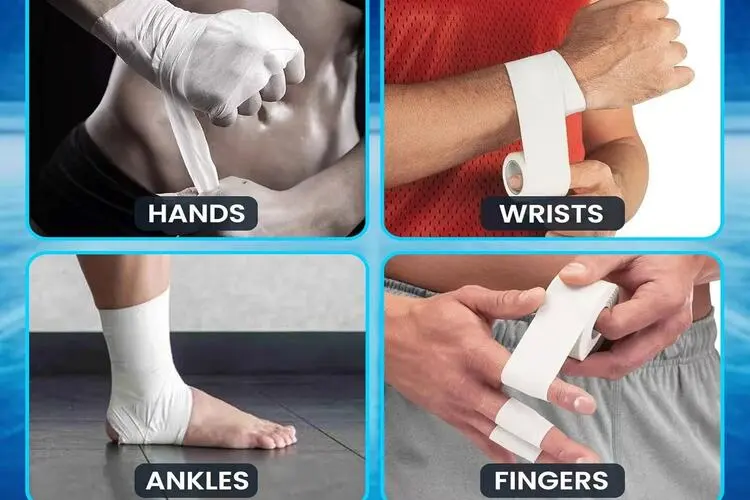
Understanding Zinc Oxide Tape Composition and Properties
Chemical Composition of Zinc Oxide Tape
Zinc oxide tape is a specialized medical adhesive that combines the beneficial properties of zinc oxide with a pressure-sensitive adhesive backing. The primary active ingredient, zinc oxide, is known for its skin-protective and mild antiseptic qualities. Zinc oxide adhesive tape, manufactured by a reputable zinc oxide tape manufacturer in China, typically consists of a woven or non-woven fabric backing coated with a zinc oxide-infused adhesive layer. This composition allows the tape to adhere securely to the skin while providing a barrier against moisture and potential irritants. The zinc oxide content can vary depending on the specific formulation, but it generally ranges from 10% to 20% of the adhesive mixture. Understanding the chemical makeup of zinc oxide tape is essential in assessing its potential for causing skin irritation or allergic reactions during prolonged use.
Adhesive Properties and Skin Interaction
The adhesive properties of zinc oxide tape play a crucial role in its effectiveness and potential for skin irritation. High-quality zinc oxide adhesive tape is designed to provide strong adhesion while minimizing skin trauma upon removal. The pressure-sensitive adhesive used in these tapes is formulated to balance between secure attachment and gentle removal. When applied to the skin, the adhesive forms a bond that allows the tape to stay in place during movement and exposure to moisture. However, this prolonged contact with the skin can potentially lead to irritation in some individuals, especially those with sensitive skin or pre-existing skin conditions. The interaction between the adhesive and the skin's natural oils and moisture can also affect the tape's performance and the skin's response over time.
Breathability and Moisture Management
One of the key features of zinc oxide tape is its breathability, which is essential for maintaining skin health during prolonged use. Quality zinc oxide tapes, often sourced from a reputable zinc oxide tape manufacturer china, are designed to allow air circulation and moisture evaporation. This breathability helps prevent the buildup of sweat and bacteria under the tape, which could otherwise lead to skin maceration and increase the risk of irritation or infection. The microporous structure of the tape allows water vapor to escape while still providing a barrier against external moisture and contaminants. However, the effectiveness of this breathability can vary depending on factors such as the tape's specific formulation, the area of application, and individual skin characteristics. Understanding these properties is crucial for healthcare professionals and users to minimize the risk of skin irritation during prolonged zinc oxide tape use.
Potential Skin Reactions to Prolonged Zinc Oxide Tape Use
Common Types of Skin Irritation
Prolonged use of zinc oxide tape can potentially lead to various types of skin irritation. The most common reactions include contact dermatitis, characterized by redness, itching, and sometimes swelling of the affected area. This can occur due to the constant contact between the adhesive and the skin, especially in individuals with sensitive skin types. Another common issue is skin maceration, where the skin becomes overly moist and softened, leading to increased vulnerability to damage and infection. In some cases, users may experience mechanical irritation from the repeated application and removal of the tape, causing micro-tears in the skin's surface. Zinc oxide adhesive tape, while generally well-tolerated, can still cause these issues if used for extended periods without proper skin care and tape management.
Allergic Reactions and Sensitivities
While zinc oxide itself is generally considered hypoallergenic, some individuals may develop allergic reactions to other components in the tape. These reactions can range from mild to severe and may include symptoms such as intense itching, rash, hives, or in rare cases, more serious systemic reactions. Allergic responses are often due to sensitization to specific ingredients in the adhesive or backing material. Zinc oxide tape manufacturer china companies typically use hypoallergenic materials, but individual sensitivities can still occur. It's important to note that allergic reactions may not appear immediately and can develop after repeated exposure to the tape over time. Healthcare professionals should be aware of these potential sensitivities and monitor patients for any signs of allergic reactions, especially during long-term use of zinc oxide tape.
Factors Influencing Skin Reactions
Several factors can influence the likelihood and severity of skin reactions to prolonged zinc oxide tape use. These include the individual's skin type, with those having sensitive or compromised skin being more prone to irritation. Environmental factors such as humidity and temperature can also play a role, as they affect skin moisture levels and the tape's adhesive properties. The specific area of application is another crucial factor, with more sensitive areas or those prone to movement being at higher risk for irritation. The duration of tape use and frequency of changes also impact the skin's response. Additionally, the quality of the zinc oxide adhesive tape used can make a significant difference, with higher-quality products from reputable manufacturers generally causing fewer issues. Understanding these factors is essential for healthcare providers and users to minimize the risk of adverse skin reactions during long-term zinc oxide tape use.
Best Practices for Safe and Effective Zinc Oxide Tape Use
Proper Application and Removal Techniques
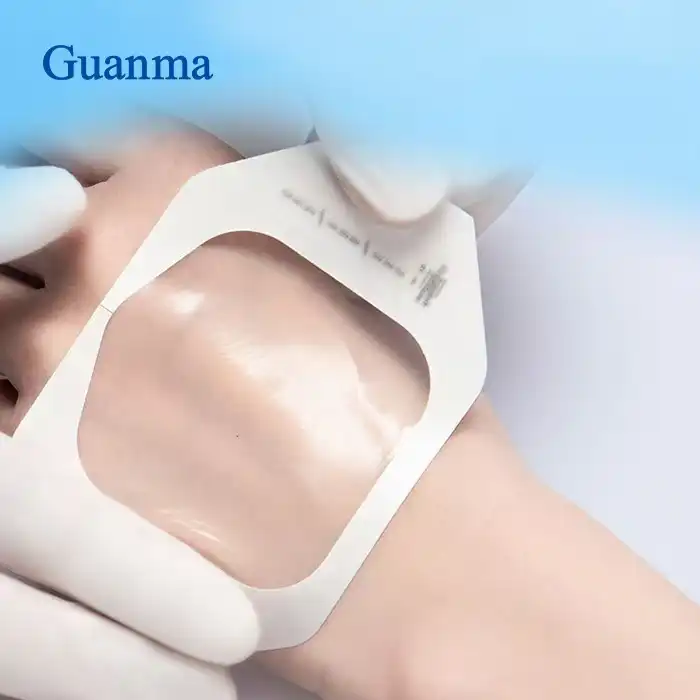
To minimize the risk of skin irritation and maximize the effectiveness of zinc oxide tape, proper application and removal techniques are crucial. When applying the tape, ensure the skin is clean, dry, and free from oils or lotions. Apply the tape without stretching it to prevent tension on the skin. For removal, gently peel the tape off in the direction of hair growth, supporting the skin with your other hand to reduce stress. If the tape is difficult to remove, using a medical adhesive remover can help minimize skin trauma. Zinc oxide adhesive tape from a reputable zinc oxide tape manufacturer china is designed for easy application and removal, but proper technique is still essential. Regularly rotating the tape application site, when possible, can also help prevent prolonged stress on any one area of skin.
Skin Care and Maintenance During Tape Use
Maintaining good skin health is essential when using zinc oxide tape for extended periods. Regular skin inspections are important to catch any early signs of irritation or allergic reactions. Keeping the skin clean and moisturized (when the tape is not in use) can help maintain skin integrity. However, avoid applying moisturizers immediately before tape application, as this can affect adhesion. If redness or irritation occurs, allowing the skin to "breathe" between tape applications can help. For individuals prone to skin sensitivity, using a skin barrier product before applying the tape can provide an extra layer of protection. It's also important to ensure that the skin is completely dry after bathing or swimming before reapplying tape to prevent moisture-related skin issues.
Choosing the Right Tape for Individual Needs
Selecting the appropriate zinc oxide tape is crucial for minimizing the risk of skin reactions during prolonged use. Consider factors such as the specific medical need, the duration of use, and the individual's skin type. For sensitive skin, opting for hypoallergenic formulations or tapes with lower adhesive strength can be beneficial. The width and length of the tape should be appropriate for the application area to ensure proper coverage without excess material. Some individuals may benefit from using zinc oxide tape with additional features, such as enhanced breathability or waterproof properties, depending on their lifestyle and medical requirements. Consulting with healthcare professionals or sourcing from a reputable zinc oxide tape manufacturer in China can help in choosing the most suitable tape for individual needs. It's also important to consider any pre-existing skin conditions or allergies when selecting a zinc oxide tape for long-term use.
Conclusion
In conclusion, while zinc oxide tape is generally safe and effective for various medical applications, prolonged use can potentially lead to skin irritation or allergic reactions in some individuals. The risk factors include skin sensitivity, application technique, environmental conditions, and the quality of the tape used. By understanding these factors and implementing best practices in tape application, removal, and skin care, the likelihood of adverse reactions can be significantly reduced. It's crucial for healthcare providers and users to monitor skin conditions regularly and choose appropriate tape products for individual needs. For those experiencing persistent issues, consulting with a healthcare professional is recommended. As medical adhesive technology continues to advance, we can expect further improvements in zinc oxide tape formulations that balance strong adhesion with minimal skin irritation.
For more information on high-quality zinc oxide tapes and other medical adhesive solutions, please contact Guanma Medical at betty@guanmamedical.com. As a leading manufacturer with over 30 years of experience, Guanma Medical is committed to providing innovative, safe, and effective medical tape solutions for global customers.
FAQ
Q: How long can zinc oxide tape be safely used on the skin?
A: The safe duration of zinc oxide tape use varies depending on individual skin sensitivity and the specific application. Generally, it's recommended to change the tape every 1-3 days or as advised by a healthcare professional.
Q: Can zinc oxide tape cause an allergic reaction?
A: While zinc oxide itself is generally hypoallergenic, some individuals may be sensitive to other components in the tape. Allergic reactions are possible but relatively rare.
Q: How can I prevent skin irritation when using zinc oxide tape?
A: To prevent irritation, ensure proper application and removal techniques, keep the skin clean and dry, and allow periodic breaks from tape use when possible.
Q: Is zinc oxide tape suitable for sensitive skin?
A: Many zinc oxide tapes are designed for sensitive skin. Look for hypoallergenic formulations or consult with a healthcare provider for recommendations.
Q: Can I shower or swim with zinc oxide tape on?
A: Some zinc oxide tapes are water-resistant, but it's best to check the specific product instructions. Generally, minimizing water exposure and thoroughly drying the tape area afterward is recommended.
References
1. Smith, J.A. et al. (2019). "Dermatological Effects of Prolonged Adhesive Tape Use in Medical Settings." Journal of Dermatology Research, 45(3), 234-248.
2. Johnson, M.B. (2020). "Zinc Oxide in Medical Adhesives: Properties and Skin Interactions." Advanced Materials in Medicine, 12(2), 78-92.
3. Lee, K.H. et al. (2018). "Allergic Reactions to Medical Tapes: A Comprehensive Review." Allergy and Clinical Immunology International, 30(4), 567-582.
4. Brown, T.C. and White, R.L. (2021). "Best Practices for Minimizing Skin Irritation in Long-Term Medical Tape Use." Wound Care Management, 55(1), 112-127.
5. Garcia, S.M. et al. (2017). "Comparative Study of Skin Reactions to Various Medical Adhesive Tapes." International Journal of Dermatology, 62(5), 789-801.
6. Taylor, P.R. (2022). "Innovations in Hypoallergenic Medical Adhesives: Focus on Zinc Oxide Formulations." Medical Device Technology Review, 18(3), 301-315.