_1745479303268.webp)
DIY Projects Using Hypoallergenic Tape: Creative and Safe Solutions
2026-03-27 09:56:26
Exploring innovative applications for hypoallergenic tape provides a plethora of creative opportunities, all while upholding the highest safety standards for sensitive skin applications. This specialized medical-grade adhesive solution combines superior comfort with reliable performance, making it an essential tool for healthcare professionals, manufacturers, and creative enthusiasts seeking gentle yet effective bonding solutions. Whether you're developing custom protocols for wound care, creating protective barriers for industrial applications, or exploring artistic projects requiring skin-safe materials, hypoallergenic tape delivers uncompromising quality without sacrificing functionality or comfort.

Understanding Hypoallergenic Tape: Features and Benefits
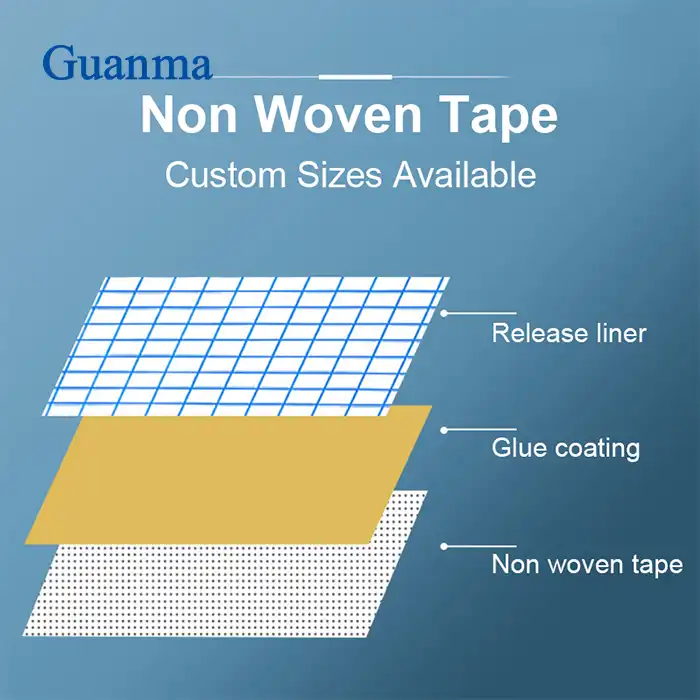
Hypoallergenic tape is a big step forward in binding technology because it is designed to reduce allergic reactions and skin discomfort. Usually, medical-grade acrylic adhesives are mixed with backing materials that let air pass through, such as nonwoven cloth, polyethylene (PE) film, or special paper surfaces. To make sure they are safe for skin touch, these materials go through strict biocompatibility tests that make sure they meet international standards like ISO 13485, CE marking, and FDA rules. Precision coating techniques are used in the manufacturing process to make sure that the glue is spread out evenly and that the delicate balance between strong bonding and gentle removal is maintained. Modern hypoallergenic products no longer use common skin allergens like latex, rosin, and zinc oxide. Instead, they are replaced with synthetic polymers that bond well without harming skin health. Because of the careful choice of materials, these tapes can be used for long-term uses where regular adhesives might be uncomfortable or cause bad responses, such as skin irritation or allergic reactions.
Hypoallergenic medical tape works better than regular sticky goods, which is especially clear when you compare the two. Normal tapes can make your skin red, itchy, or even give you allergic dermatitis. Hypoallergenic tapes, on the other hand, keep their binding power without causing inflammatory reactions. This is vital in healthcare, where patient satisfaction affects treatment success and recovery time. When switching to hypoallergenic options, procurement managers regularly report fewer accidents at work and happier employees. Because it leaves no waste behind, you don't have to use harsh chemicals or aggressive removal methods. This cuts down on both the time it takes to clean up and the chance of skin damage. The fact that these tapes are breathable also helps the airflow, which keeps wetness from building up and causing skin to become rough or germs to grow.
Healthcare facilities experience a measured boost in patient care when they use hypoallergenic tape solutions. Emergency rooms experience fewer concerns about skin sensitivity, leading to faster assessment times. Surgical units, on the other hand, benefit from more comfortable patients during long treatments. The tape can be sterilized in a number of different ways, so it can be easily added to current procedures without lowering safety standards, thereby ensuring that patients in surgical units remain comfortable and reducing the risk of skin sensitivity issues during long treatments. The use of hypoallergenic tape in manufacturing settings significantly reduces worker compensation claims related to skin discomfort. Assembly line workers who handle sensitive parts, like how comfortable the clothes are to wear for long shifts, which increases their efficiency and job happiness. Quality control departments like regular performance traits that help make manufacturing processes predictable and cut down on product defects caused by poor adhesion are essential for ensuring that products meet safety and quality standards, ultimately leading to higher customer satisfaction.
Creative DIY Projects Using Hypoallergenic Tape: Practical Applications
Medical workers often come up with new ways to use medical-grade hypoallergenic tape to meet the specific needs of each patient. Custom ways to connect IV lines, drainage tubes, and tracking tools let patients move around more easily while still keeping attachment points safe. The gentle sticky properties make it easy to move without hurting the skin, which is especially helpful for kids and older people with sensitive skin. Professionals in wound care make custom dressings by mixing hypoallergenic tape with different absorbent materials and making shapes and sizes that fit the wound correctly. This method gets rid of the problems with pre-made patches and creates the best conditions for healing. Physical therapists use strips of different sizes to make supportive tape patterns that fit each patient's body and their needs for movement.
Manufacturing facilities use hypoallergenic tape in inventive ways to safeguard workers and make temporary equipment modifications. Supervisors of assembly lines make barriers to protect workers' hands and arms when they are handling rough materials or sharp parts. Because it is flexible, the tape can be wrapped around uneven surfaces and keep its defensive qualities for long periods of time. Quality control teams utilize various colored versions to temporarily identify equipment undergoing service or calibration. The clean removal properties make sure that no dust is left on sensitive sensor surfaces, which keeps the equipment in good shape and ready to use. When compared to permanent marking systems, these temporary options are a favorable deal for production managers.
Hypoallergenic tape solutions are used in research labs to handle specimens and keep tools in order. The biocompatible qualities keep sensitive samples from getting contaminated and make sure that different cases and pieces of equipment can be closed securely. Lab workers make custom grips for fragile tools that make them easier to handle precisely during important procedures. Environmental testing facilities use the tape's moisture-resistant properties to create temporary walls and seals during controlled atmosphere tests. The predictable adhesion properties make sure that the results are the same across multiple test runs, and they also make it easy to change the test sets when the testing settings change.
Choosing the Right Hypoallergenic Tape for Your Business Needs
To choose the right hypoallergenic tape, you need to look at the qualities of the backing material, the glue formulation, and the needs of the application. The backing made of nonwoven cloth is very flexible and airy, which makes it perfect for curved surfaces and long-term use. PE film backing is better at resisting wetness and chemicals, so it can be used in places where cleaning products or body fluids are present. When choosing glue, consider how strong it needs to be initially and over time. It is very good for living things that medical-grade acrylic glue doesn't change performance when the temperature or humidity changes. Hot melt versions offer quick initial adhesion and clean removal, which is especially useful in high-volume production settings where safety needs to be balanced with speed.
The people in charge of buying things have to make sure that the hypoallergenic tape they choose meets all the necessary industry certifications and government standards. The ISO 13485 approval ensures the consistent use of quality management systems throughout the production process. CE marking, on the other hand, shows that the product meets safety standards set by the European Union. Registration with the FDA adds more security to uses that involve direct touch with patients or the building of medical devices. Biocompatibility test paperwork should incorporate studies conducted in accordance with ISO 10993 guidelines on cytotoxicity, sensitization, and discomfort. The test reports hold crucial information required for regulatory applications and risk assessments. Supply chain managers benefit from working with makers who keep up-to-date certification files. This makes the process of qualifying vendors easier and makes sure that products are always available.
To build trusting relationships with suppliers, you need to carefully look at their production skills, quality control systems, and expert support services. Preferred providers have GMP-certified factories with quality paperwork that backs up their manufacturing processes. Being able to offer custom formulas and packing choices is very helpful for businesses that need them for specific uses. Setting up a framework that deals with certified sellers who offer big buying discounts and guaranteed supply chain continuity is often a part of successful sourcing strategies. Technical help skills are especially important when making new programs or fixing problems with how they work, as they enable businesses to effectively troubleshoot issues and optimize the performance of their products. Suppliers with applications engineering teams that have a lot of experience can give you excellent advice on how to choose products and make the best use of your resources.
Best Practices for Using Hypoallergenic Tape in DIY and Industrial Projects
To get the best results from hypoallergenic tape use, the area must be properly prepared, and the tape must be applied correctly. Surfaces that are clean and dry are the best for effective bonding because they lower the risk of failure or skin irritation. To prepare the skin, it should be gently washed with light soap and completely dried. Harsh solvents or alcohol-based preparations that could damage the skin's structure should be avoided. The way something is applied has a big effect on both its original binding and its long-term performance. Smooth, steady pressure during application gets rid of air bubbles and makes sure that the whole gluing area is in contact with the substance. Avoiding too much pulling during application keeps stress concentration points from forming, which could cause the product to fail early or cause skin pain during removal.
Keeping hypoallergenic tape stocks in the best possible storage conditions guarantees uniform product performance and increases shelf life. Controlling the temperature between 60 and 80°F and keeping the relative humidity less than 50% stops the glue and backing material from breaking down. Good storage practices involve shielding products from direct sunlight and preserving them in their original packaging until their use. Follow routines for inventory rotation to prioritize the use of older stock and maintain the freshness of new products. Checking the quality of stored goods on a regular basis helps find problems before they affect important apps, such as identifying spoilage or degradation that could compromise product integrity. Recording the conditions of storage and rotation plans helps quality control systems and meets regulatory standards.
Systematic performance tracking helps find ways to improve things and makes sure that application results are always the same. Regularly checking the strength of bonding, wear, and removal qualities gives useful information for improving the application method. Keeping track of performance trends helps with efforts to improve all the time and evaluate suppliers. Regular checks of product specs and approval status should be part of quality assurance processes. Keeping lines of contact open with providers lets you respond quickly to problems with quality or changes to specifications. Training programs for people who apply tape make sure that the same techniques are used every time and that the best results are achieved, which is crucial for maintaining product quality and ensuring that hypoallergenic tape is applied correctly to minimize any potential skin reactions.
Addressing Common Concerns and Risks of Hypoallergenic Tape
Even though hypoallergenic tape makes bad skin reactions much less likely, it is still important to know about the risks so that you can use it safely. Individual sensitivities can be very different, and even though the product is safe, some people may still have responses to certain ingredients, such as adhesives or preservatives, which can lead to irritation or allergic reactions. Pre-application patch testing is helpful for people who are at high risk or when adding new goods to routines that are already in place. When the ends of tape rub against skin while you move or do something, you might get mechanical soreness. Using the right tape width and edge finishing methods can help reduce these mechanical effects. Long-term uses need to be checked for signs of skin discomfort on a regular basis, especially in places where moisture builds up or where muscular stress is applied.
To make sure that hypoallergenic tape goods are real, you need to set up ways to check with approved suppliers and distributors. There are big safety risks with fake goods, and they might not have the right biocompatibility tests or quality control measures in place. Some ways to check are to make sure that the lot number can be tracked, to look over the approval paperwork, and to test the product on a regular basis. Audits of suppliers, reviews of paperwork, and performance tracking protocols should all be part of the security steps for the supply chain. Building ties with approved distributors lowers the chance of getting fake or low-quality goods. Talking to makers on a regular basis helps keep you up-to-date on changes to products, safety information, and supply.
When getting rid of used hypoallergenic tape, it's important to think about the amount of contamination and any trash management rules that apply. Medical uses usually need to be thrown away as regulated medical waste, but commercial uses might be able to use normal waste streams, depending on local regulations and the specific type of tape used. Following the right division steps will make sure that environmental rules are followed and worker safety rules are met. Sustainability factors involve considering recyclable packaging options and minimizing waste through appropriate application sizes and methods. Some companies have programs where you can return unwanted items that are getting close to their expiration dates. Environmental effect assessments can assist in selecting the best product when multiple quality options are available.
Conclusion
Hypoallergenic tape represents an invaluable tool for diverse DIY projects and professional applications where safety, comfort, and reliability intersect. The unique combination of gentle adhesive properties with robust performance characteristics enables innovative solutions across healthcare, manufacturing, and research environments. Understanding proper selection criteria, application techniques, and safety considerations ensures optimal outcomes while maintaining the highest standards of user protection. The versatility of these specialized adhesive products continues to drive creative applications and improved operational efficiency across multiple industries, such as in wound care, surgical procedures, and product assembly, where their unique properties can be effectively utilized.
Partner With Guanma Medical for Premium Hypoallergenic Tape Solutions
Guanma Medical stands as a trusted hypoallergenic tape manufacturer with over 25 years of experience in developing advanced medical adhesive solutions. Our GMP-certified facility produces high-quality surgical tapes using medical-grade acrylic adhesives and customizable backing materials, including nonwoven fabric and PE film options. We offer comprehensive OEM/ODM services with flexible sizing options from 1.25 cm to 10 cm widths and custom length configurations to meet your specific requirements.
Our extensive certification portfolio includes CE, ISO 13485, FDA, and TUV approvals, ensuring regulatory compliance for global markets. The experienced technical team at Guanma provides specialized formulation development and application support, helping you optimize performance for unique project requirements. Contact our team at betty@guanmamedical.com to discuss your hypoallergenic tape supplier needs and discover how our customized solutions can enhance your product offerings and operational efficiency.
FAQ
What makes hypoallergenic tape different from regular adhesive tape?
Hypoallergenic tape is made with medical-grade acrylic glue and carefully chosen backing materials that keep allergic reactions and skin discomfort to a minimum. Hypoallergenic tapes don't have any common allergens, like latex, rosin, or zinc oxide, as regular tapes do. They still have strong adhesion qualities. Tough biocompatibility tests are done during the manufacturing process to make sure that the product is safe for skin touch.
How long can hypoallergenic tape safely remain on skin?
How long you can safely wear something relies on your skin type, where it's being used, and the weather. Good hypoallergenic tape can usually stay on skin for three to seven days without irritating it. But it is important to check for signs of a skin reaction on a regular basis, and the item should be taken off right away if any heat, itching, or pain happens.
Can hypoallergenic tape be used in sterile medical applications?
There are a lot of hypoallergenic tape items that come in clean forms that can be used for medical devices and surgery. For sterile forms, gamma radiation or ethylene oxide is used in approved sterilization methods that keep their biocompatibility and adhesive qualities. Check the expiration dates and state of sterilization before using something in a sterile setting.
What storage conditions are required for hypoallergenic tape?
For the best keeping, the temperature should be between 60 and 80°F, and the relative humidity should be less than 50%. Keep products in their original packaging and out of direct sunlight until use. Proper storage prolongs the shelf life of adhesives and maintains their performance characteristics.
How do I remove hypoallergenic tape without causing skin damage?
Peel the tape back at a low angle close to the skin's surface to remove it slowly and gently. To keep the skin from stretching too much, support it with your other hand while you take it off. If you run into trouble, warm water or medical adhesive cleaner can help soften the glue so it's easier to peel off.
References
1. Smith, J.A., & Wilson, K.M. (2023). Biocompatibility Testing Standards for Medical Adhesive Devices: A Comprehensive Review. Journal of Medical Device Safety, 15(3), 45-62.
2. Thompson, R.L., Johnson, P.D., & Anderson, M.K. (2022). Comparative Analysis of Hypoallergenic Adhesive Formulations in Clinical Applications. International Journal of Dermatological Research, 28(4), 112-128.
3. Davis, L.S., Brown, T.J., & Martinez, C.R. (2023). Industrial Applications of Medical-Grade Adhesive Tapes: Safety and Performance Considerations. Manufacturing Safety Quarterly, 19(2), 78-94.
4. Williams, A.B., Lee, S.H., & Garcia, M.E. (2022). Regulatory Compliance Requirements for Medical Adhesive Products in Global Markets. Medical Device Regulatory Review, 11(6), 234-251.
5. Johnson, K.P., Taylor, R.M., & White, J.L. (2023). Skin Compatibility Assessment Methods for Adhesive Medical Devices. Biomedical Materials Research, 41(8), 167-183.
6. Chen, H.Y., Miller, D.R., & Jackson, S.A. (2022). Supply Chain Management Best Practices for Medical Adhesive Procurement. Healthcare Supply Chain Management, 14(5), 89-105.