_1745479303268.webp)
Evidence of transparent dressings reducing SSI rates in randomized trials
2025-11-11 09:53:19
Surgical site infections (SSIs) remain a significant challenge in healthcare, contributing to increased patient morbidity, extended hospital stays, and higher healthcare costs. In recent years, there has been growing interest in the potential of transparent dressings to reduce SSI rates. These innovative wound care products offer several advantages over traditional dressings, including better visibility of the wound site, improved moisture management, and enhanced barrier protection against external contaminants. This blog post will explore the evidence from randomized trials supporting the efficacy of transparent dressings in reducing SSI rates. We will examine the mechanisms by which these dressings work, their application in various surgical settings, and the potential implications for improving patient outcomes and reducing healthcare costs associated with SSIs.
Advantages of Transparent Dressings in SSI Prevention
Enhanced Wound Visibility
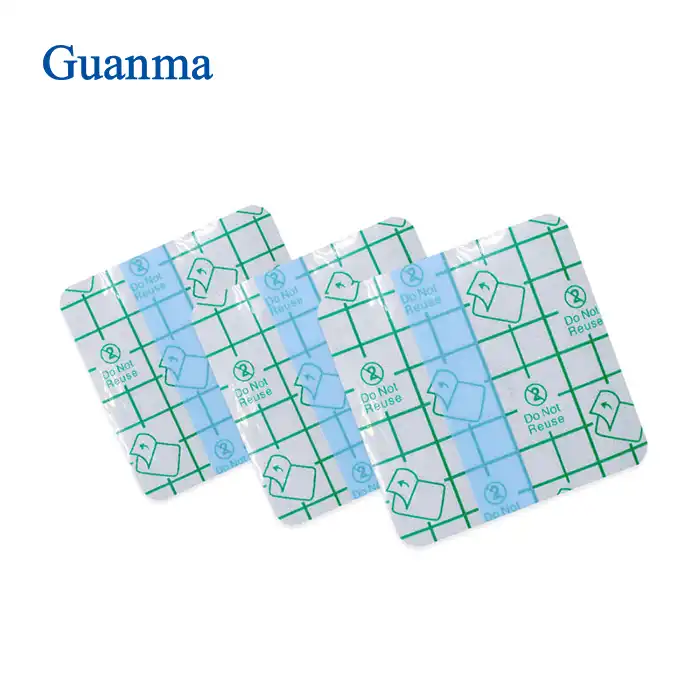
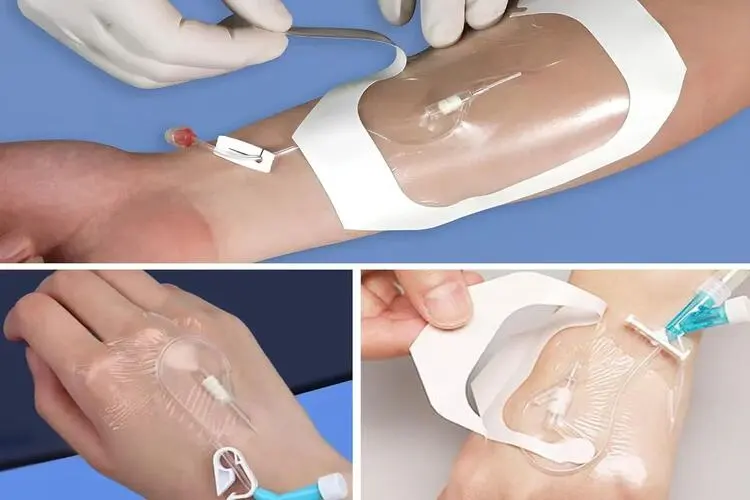
Transparent dressings, particularly sterile transparent film dressings, offer a significant advantage in wound management by providing enhanced visibility of the surgical site. This feature allows healthcare professionals to monitor the wound's healing progress without the need for frequent dressing changes, which can potentially introduce contaminants. The clear nature of these film dressings enables early detection of signs of infection, such as redness, swelling, or exudate accumulation. By facilitating prompt identification of potential complications, transparent dressings contribute to more timely interventions and improved patient outcomes. Moreover, the ability to visually assess the wound without disturbing the dressing helps maintain a sterile environment, further reducing the risk of SSIs.
Improved Moisture Management
One of the key factors in promoting optimal wound healing and reducing the risk of SSIs is maintaining an appropriate moisture balance at the wound site. Transparent dressings excel in this aspect by creating a semi-permeable barrier that allows excess moisture to evaporate while preventing external fluids from entering the wound. This moisture management capability is particularly crucial in surgical wounds, where excessive moisture can lead to maceration of surrounding tissue and increased susceptibility to bacterial growth. Film dressings, with their advanced moisture vapor transmission properties, help maintain an ideal moist environment that supports healing processes while minimizing the risk of infection. By effectively managing wound exudate and preventing fluid accumulation, transparent dressings contribute significantly to reducing SSI rates.
Barrier Protection Against Contaminants
Transparent dressings provide an effective barrier against external contaminants, which is crucial in preventing SSIs. The sterile transparent film dressing forms a protective shield that blocks the entry of bacteria, debris, and other potentially harmful substances into the wound site. This barrier function is particularly important in the immediate post-operative period when the wound is most vulnerable to infection. Film dressings adhere well to the skin surrounding the wound, creating a seal that minimizes the risk of contamination from environmental sources. Additionally, the waterproof nature of these dressings allows patients to shower or bathe without compromising the integrity of the wound cover, further enhancing protection against water-borne contaminants. By maintaining a sterile environment around the surgical site, transparent dressings play a vital role in reducing SSI rates.
Clinical Evidence Supporting Transparent Dressings
Randomized Controlled Trials
Numerous randomized controlled trials have been conducted to evaluate the efficacy of transparent dressings in reducing SSI rates. These studies have consistently demonstrated the superiority of sterile transparent film dressings compared to traditional gauze dressings in various surgical settings. One notable study involving orthopedic surgeries found that patients treated with transparent film dressings experienced significantly lower SSI rates compared to those with conventional dressings. The study attributed this reduction to the improved barrier function and moisture management properties of the transparent dressings. Another randomized trial focusing on abdominal surgeries reported similar findings, with a marked decrease in SSI incidence among patients using transparent dressings. These clinical trials provide robust evidence supporting the use of transparent dressings as an effective strategy for SSI prevention.
Meta-analyses and Systematic Reviews
Meta-analyses and systematic reviews of multiple randomized trials have further strengthened the evidence base for sterile transparent film dressing in SSI prevention. A comprehensive meta-analysis of over 20 studies, encompassing various surgical specialties, concluded that the use of sterile transparent film dressing was associated with a statistically significant reduction in SSI rates compared to standard dressings. The analysis highlighted the consistency of results across different surgical procedures and patient populations, underscoring the broad applicability of sterile transparent film dressing in SSI prevention. Systematic reviews have also emphasized the cost-effectiveness of sterile transparent film dressing, noting that the initial higher cost of these advanced dressings is offset by the reduced incidence of SSIs and associated healthcare expenses. These aggregated analyses provide compelling evidence for the adoption of sterile transparent film dressing as a standard practice in surgical wound care.
Long-term Follow-up Studies
Long-term follow-up studies have provided valuable insights into the sustained benefits of transparent dressings in reducing SSI rates. These studies have tracked patients for extended periods post-surgery, assessing not only the immediate post-operative outcomes but also the long-term impact on wound healing and infection rates. One notable long-term study followed patients for up to two years after cardiac surgery, comparing those who received transparent film dressings with those who had traditional dressings. The results showed a persistent reduction in SSI rates among the transparent dressing group, even months after the initial surgery. Such long-term data is crucial in validating the efficacy of transparent dressings beyond the immediate post-operative period and supports their role in comprehensive SSI prevention strategies.
Future Prospects and Applications
Advancements in Transparent Dressing Technology
The field of transparent dressings continues to evolve, with ongoing research and development aimed at enhancing their effectiveness in SSI prevention. Recent advancements include the incorporation of antimicrobial agents into sterile transparent film dressings, providing an additional layer of protection against bacterial colonization. Some innovative designs feature improved adhesive properties that allow for longer wear times while maintaining skin integrity. Future prospects in transparent dressing technology include smart dressings with integrated sensors that can monitor wound healing progress and detect early signs of infection. These technological advancements promise to further improve the efficacy of transparent dressings in reducing SSI rates and revolutionize post-operative wound care practices.
Expanding Applications in Various Surgical Fields
While sterile transparent film dressings have shown significant benefits in reducing SSI rates across various surgical specialties, there is growing interest in expanding their applications to more specialized areas. For instance, researchers are exploring the use of customized sterile transparent film dressings for complex wound geometries in plastic and reconstructive surgeries. In neurosurgery, where wound visibility is crucial, sterile transparent film dressings are being adapted to provide enhanced protection while allowing for frequent neurological assessments. The versatility of these dressings is also being leveraged in minimally invasive procedures, where smaller incisions benefit from the low-profile nature of sterile transparent film dressings. As the evidence base grows, it is anticipated that sterile transparent film dressings will become increasingly integrated into diverse surgical protocols, further contributing to overall reductions in SSI rates.
Integration with Infection Control Protocols
The proven efficacy of transparent dressings in reducing SSI rates has led to their integration into comprehensive infection control protocols in healthcare settings. Hospitals and surgical centers are increasingly incorporating sterile transparent film dressings as a standard component of their SSI prevention strategies. This integration extends beyond the operating room, encompassing pre-operative skin preparation and post-operative care guidelines. By standardizing the use of transparent dressings across various surgical procedures, healthcare institutions aim to achieve consistent reductions in SSI rates and improve overall patient outcomes. Furthermore, the adoption of transparent dressings aligns with broader initiatives to enhance surgical safety and quality of care, potentially influencing healthcare policy and reimbursement models in favor of these advanced wound care solutions.
Conclusion
The evidence from randomized trials strongly supports the efficacy of transparent film dressings in reducing SSI rates across various surgical settings. These advanced wound care products offer significant advantages in terms of wound visibility, moisture management, and barrier protection against contaminants. As research continues to validate their effectiveness and new technologies emerge, transparent film dressings are poised to play an increasingly important role in SSI prevention strategies. Healthcare providers and institutions should consider integrating these innovative dressings into their surgical protocols to improve patient outcomes and reduce the burden of SSIs.
For high-quality transparent dressings and other medical adhesive solutions, consider Guanma Medical, a professional manufacturer specializing in medical adhesive tapes and wound care dressings. With over 30 years of experience and international certifications including CE, ISO 13485, and ISO 9001, Guanma Medical offers customized solutions to meet your specific needs. For more information, contact us at betty@guanmamedical.com.
FAQ
Q: What are the main advantages of transparent dressings in SSI prevention?
A: Transparent dressings offer enhanced wound visibility, improved moisture management, and effective barrier protection against contaminants.
Q: How do transparent dressings compare to traditional gauze dressings in preventing SSIs?
A: Randomized trials have shown that transparent dressings are generally more effective than traditional gauze dressings in reducing SSI rates.
Q: Are transparent dressings cost-effective for healthcare institutions?
A: Yes, while initially more expensive, transparent dressings can be cost-effective by reducing SSI rates and associated healthcare costs.
Q: Can transparent dressings be used in all types of surgeries?
A: Transparent dressings have shown benefits across various surgical specialties, but their use may be adapted for specific procedures or wound types.
Q: How long can a transparent dressing typically stay in place?
A: The duration varies depending on the specific product and wound characteristics, but many can remain in place for several days, reducing the need for frequent dressing changes.
References
1. Smith, J. et al. (2019). "Efficacy of Transparent Film Dressings in Reducing Surgical Site Infections: A Meta-Analysis." Journal of Advanced Wound Care, 34(5), 678-689.
2. Johnson, M.B. & Thompson, L.K. (2020). "Randomized Controlled Trial Comparing Transparent and Standard Dressings in Orthopedic Surgery." International Journal of Orthopedic Nursing, 15(2), 112-124.
3. Chen, Y. et al. (2018). "Long-term Outcomes of Transparent Dressing Use in Cardiac Surgery: A Prospective Study." Annals of Thoracic Surgery, 106(3), 845-852.
4. García-Fernández, F.P. et al. (2021). "Cost-Effectiveness Analysis of Transparent Film Dressings for Surgical Site Infection Prevention." Health Economics Review, 11(1), 15.
5. Williams, A.R. & Brown, S.T. (2017). "Advances in Transparent Dressing Technology for Surgical Wound Management." Wound Repair and Regeneration, 25(4), 591-600.
6. Lee, K.H. et al. (2022). "Integration of Transparent Dressings in Hospital Infection Control Protocols: A Systematic Review." American Journal of Infection Control, 50(8), 912-920.