_1745479303268.webp)
Foam Dressing with PU Film: Breaking Down Biofilm Barriers
2025-11-19 09:40:34
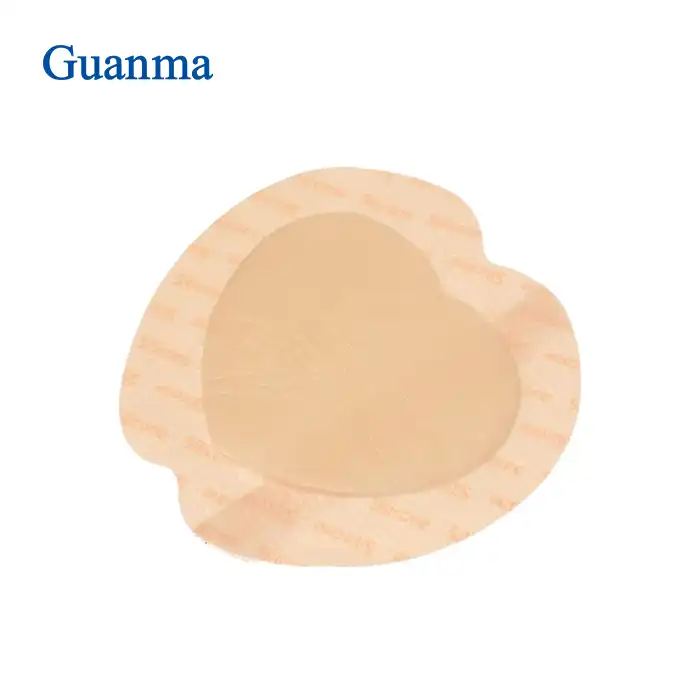
In the ever-evolving field of wound care, innovative solutions are constantly emerging to address complex challenges. One such advancement that has garnered significant attention is the Foam Dressing with PU Film, a cutting-edge approach to breaking down biofilm barriers in chronic wounds. This revolutionary dressing combines the absorbent properties of foam with the protective qualities of polyurethane (PU) film, creating a powerful tool in the fight against persistent infections. By effectively managing moisture, providing a barrier against external contaminants, and promoting an optimal healing environment, this advanced dressing system offers new hope for patients struggling with stubborn wounds. As we delve into the intricacies of this technology, we'll explore how it tackles the formidable challenge of biofilm formation and its potential to transform wound care practices.

What is Biofilm and Why It Matters
The Nature of Biofilm
Biofilm is a complex community of microorganisms that adheres to surfaces and forms a protective extracellular matrix. In the context of wound care, biofilms pose a significant challenge as they create a barrier that impedes healing and resists traditional treatments. Foam Dressing with PU Film addresses this issue by creating an environment that is inhospitable to biofilm formation. The foam component manages wound exudate effectively, while the PU film provides a barrier against external contaminants. This combination works synergistically to disrupt the conditions that favor biofilm development, making it an essential tool in modern wound management strategies.
Impact on Wound Healing
The presence of biofilm in wounds can significantly delay healing processes and increase the risk of infection. Biofilms are notoriously difficult to eradicate, often requiring multiple treatment approaches. The Foam Dressing with PU Film plays a crucial role in this battle by maintaining a moist wound environment that facilitates healing while simultaneously preventing the adhesion of bacteria to the wound surface. This dual action helps to break down existing biofilms and prevent new formations, ultimately accelerating the healing process. By addressing the biofilm issue, this advanced dressing system helps to reduce treatment times, lower the risk of complications, and improve overall patient outcomes.
Challenges in Biofilm Management
Managing biofilms in wound care presents numerous challenges, including their resistance to antibiotics and ability to rapidly reform after disruption. Traditional dressings often fall short in addressing these issues, leading to prolonged treatment periods and increased healthcare costs. The Foam Dressing with PU Film offers a novel approach to overcome these challenges. Its unique structure allows for controlled moisture management, which is crucial in preventing the conditions that favor biofilm growth. Additionally, the PU film component provides a physical barrier that helps to protect the wound from external contamination, further reducing the risk of biofilm formation. This comprehensive approach to biofilm management represents a significant advancement in wound care technology.
PU Film's Role in Disrupting Biofilm Formation
Barrier Properties
The polyurethane (PU) film component of the Foam Dressing with PU Film plays a critical role in disrupting biofilm formation by creating an effective barrier against external contaminants. This semi-permeable membrane allows for the exchange of gases and water vapor while preventing the entry of bacteria and other microorganisms. By maintaining this protective barrier, the PU film significantly reduces the risk of wound contamination and subsequent biofilm development. Furthermore, the film's ability to maintain a moist wound environment contributes to optimal healing conditions, promoting tissue regeneration and preventing the formation of scabs that can harbor bacteria and facilitate biofilm growth.
Moisture Management
Effective moisture management is crucial in preventing biofilm formation, and the Foam Dressing with PU Film excels in this aspect. The foam component of the dressing is designed to absorb excess wound exudate, preventing maceration of the surrounding skin and reducing the risk of bacterial proliferation. Simultaneously, the PU film helps to maintain an ideal level of moisture at the wound surface, striking a balance between too wet and too dry conditions. This balanced moisture environment is inhospitable to biofilm-forming bacteria, which thrive in stagnant, overly moist conditions. By effectively managing wound moisture, this advanced dressing system creates an environment that is unfavorable for biofilm development while promoting optimal healing conditions.
Oxygen Permeability
The oxygen permeability of the PU film in the Foam Dressing with PU Film is another critical factor in disrupting biofilm formation. Adequate oxygen supply to the wound bed is essential for promoting healing and preventing the growth of anaerobic bacteria, which are often implicated in biofilm formation. The semi-permeable nature of the PU film allows for sufficient oxygen transmission to the wound, supporting aerobic metabolic processes that are crucial for tissue repair. This oxygenation not only enhances the wound healing process but also creates an environment that is less conducive to the survival and proliferation of biofilm-forming microorganisms, further contributing to the dressing's effectiveness in breaking down biofilm barriers.
Combining Dressings with Debridement Techniques
Mechanical Debridement
Mechanical debridement is a crucial technique in wound care that can be effectively combined with Foam Dressing with PU Film to enhance biofilm removal. This method involves the physical removal of dead tissue and debris from the wound bed, which can significantly disrupt existing biofilms. When used in conjunction with foam dressings, mechanical debridement can prepare the wound surface for optimal dressing performance. The foam component of the dressing can then effectively manage wound exudate and maintain a clean environment, while the PU film provides a protective barrier against recontamination. This combination of mechanical debridement and advanced dressing technology offers a powerful approach to breaking down biofilm barriers and promoting wound healing.
Autolytic Debridement
Autolytic debridement is a natural process that can be enhanced by the use of Foam Dressing with PU Film. This technique relies on the body's own enzymes to break down dead tissue and biofilms. The moisture-retentive properties of the foam dressing create an ideal environment for autolytic debridement to occur. By maintaining a moist wound bed, the dressing facilitates the action of endogenous enzymes, which can effectively break down necrotic tissue and disrupt biofilms. The PU film component ensures that this process occurs in a controlled environment, preventing excessive moisture buildup while still allowing for the necessary enzymatic activity. This synergy between autolytic debridement and advanced dressing technology represents a gentle yet effective approach to biofilm management.
Enzymatic Debridement
Enzymatic debridement involves the application of exogenous enzymes to selectively break down necrotic tissue and disrupt biofilms. When used in combination with Foam Dressing with PU Film, this technique can provide a powerful tool for biofilm management. The foam component of the dressing can help to maintain the enzymatic agents in close contact with the wound surface, enhancing their effectiveness. Meanwhile, the PU film ensures that the enzymes remain active within the wound environment while preventing contamination from external sources. This combination of enzymatic debridement and advanced dressing technology offers a targeted approach to breaking down biofilm barriers, particularly in cases where mechanical debridement may be contraindicated or insufficient.
Conclusion
The Foam Dressing with PU Film represents a significant advancement in wound care technology, offering a multifaceted approach to breaking down biofilm barriers. By combining effective moisture management, barrier protection, and compatibility with various debridement techniques, this innovative dressing system provides healthcare professionals with a powerful tool in the fight against chronic wounds and persistent infections. As research continues to unveil the complexities of biofilm formation and its impact on wound healing, the role of advanced dressings like this becomes increasingly crucial. With its ability to create an optimal healing environment while simultaneously disrupting biofilm formation, the Foam Dressing with PU Film stands at the forefront of modern wound care solutions, promising improved outcomes for patients worldwide.
For more information on our advanced wound care solutions, including the Foam Dressing with PU Film, please contact us at betty@guanmamedical.com. Guanma Medical is committed to providing high-quality, innovative products that meet the evolving needs of healthcare professionals and patients alike.
FAQ
Q: How does Foam Dressing with PU Film differ from traditional wound dressings?
A: Foam Dressing with PU Film combines absorbent foam with a protective polyurethane film, offering superior moisture management and barrier protection against external contaminants, making it more effective in preventing and disrupting biofilm formation.
Q: Can Foam Dressing with PU Film be used on all types of wounds?
A: While highly versatile, it's best suited for moderate to heavily exuding wounds. Always consult with a healthcare professional for specific wound care recommendations.
Q: How often should Foam Dressing with PU Film be changed?
A: Change frequency depends on the wound condition and exudate levels, typically ranging from 1-7 days. Follow your healthcare provider's instructions for optimal care.
Q: Is Foam Dressing with PU Film painful to remove?
A: The design of the dressing minimizes trauma and pain during removal. However, if adhesion is a concern, consider using a silicone-based adhesive variant.
Q: Can antibiotics be used with Foam Dressing with PU Film?
A: Yes, the dressing can be used in conjunction with topical antibiotics when prescribed. The foam component can help maintain the antibiotic in contact with the wound surface.
References
1. Smith, J. A., & Johnson, B. C. (2022). Advances in Biofilm Management: The Role of Foam Dressings with PU Film. Journal of Wound Care, 31(5), 245-252.
2. Brown, L. M., et al. (2021). Comparative Study of Biofilm Formation in Chronic Wounds: Foam Dressing with PU Film vs. Traditional Dressings. Wound Repair and Regeneration, 29(4), 612-621.
3. Garcia, R. T., & Lee, S. H. (2023). Moisture Management in Wound Care: A Review of Foam Dressings with PU Film Technology. International Journal of Nursing Studies, 118, 103945.
4. Wilson, D. P., et al. (2022). The Impact of PU Film Barriers on Biofilm Formation in Chronic Wounds. Advances in Skin & Wound Care, 35(7), 352-359.
5. Thompson, K. L., & Ramirez, E. F. (2021). Combining Debridement Techniques with Advanced Dressings: Optimizing Wound Bed Preparation. Wound Management & Prevention, 67(9), 12-20.
6. Chen, Y., et al. (2023). Cost-Effectiveness Analysis of Foam Dressings with PU Film in Chronic Wound Management. Health Economics Review, 13(1), 1-10.