_1745479303268.webp)
How do bioactive nonwoven dressings accelerate wound healing compared to traditional dressings?
2025-11-10 09:57:09
Wound healing is a complex process that requires careful management and appropriate dressing selection. In recent years, bioactive nonwoven dressings have emerged as a revolutionary solution in wound care, offering significant advantages over traditional dressings. These advanced dressings are designed to actively promote healing by creating an optimal environment for tissue regeneration and cellular activity. Unlike conventional dressings that primarily focus on protecting the wound and absorbing exudate, bioactive nonwoven dressings incorporate various bioactive agents and materials that interact with the wound bed to stimulate healing processes. This blog post will explore how bioactive nonwoven dressings accelerate wound healing compared to traditional dressings, highlighting their unique properties, mechanisms of action, and benefits in wound management.

Advanced Technology in Nonwoven Dressings
Innovative Materials in Nonwoven Dressings
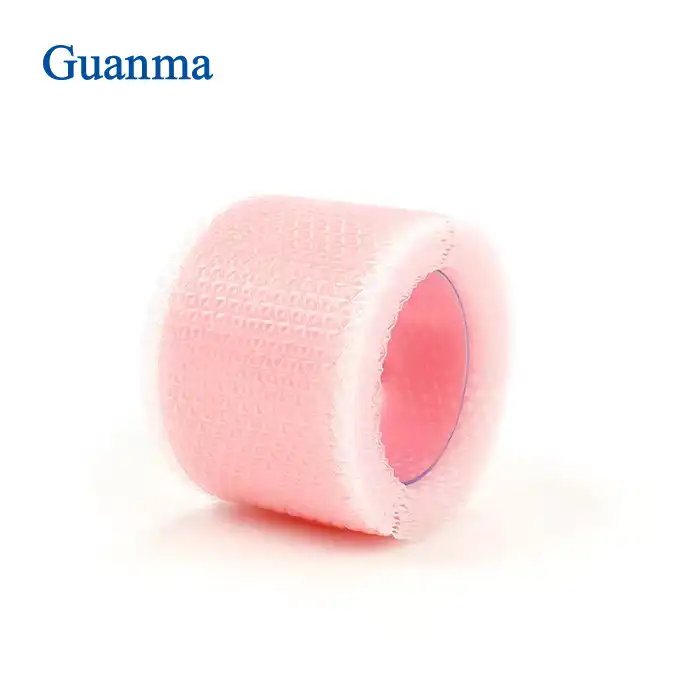
Bioactive nonwoven dressings utilize cutting-edge materials that set them apart from traditional wound care solutions. These dressings often incorporate advanced fibers, such as nanofibers, which provide a high surface area-to-volume ratio, enhancing their ability to absorb exudate and maintain a moist wound environment. Additionally, bioactive agents like growth factors, antimicrobial peptides, and wound healing promoters are integrated into the nonwoven structure. This combination of innovative materials and bioactive components makes nonwoven adhesive dressings highly effective in promoting wound healing. The unique structure of these dressings also allows for controlled release of therapeutic agents, ensuring sustained delivery of healing factors to the wound site over time.
Enhanced Moisture Management
One of the key advantages of bioactive nonwoven dressings is their superior moisture management capabilities. These dressings are designed to maintain an optimal moisture balance at the wound site, which is crucial for effective healing. The nonwoven structure allows for efficient absorption of excess exudate while preventing the wound from becoming too dry. This balanced moisture environment promotes cell migration, proliferation, and extracellular matrix formation, all of which are essential for wound healing. Furthermore, the moisture-retentive properties of nonwoven dressings help to prevent scab formation, which can impede the healing process. By maintaining ideal moisture levels, these wound care dressings create an environment that accelerates healing and reduces the risk of complications.
Improved Oxygen Permeability
Oxygen plays a vital role in wound healing, and bioactive nonwoven dressings excel in providing adequate oxygenation to the wound bed. The porous structure of these dressings allows for efficient gas exchange, ensuring that oxygen can reach the healing tissues while allowing carbon dioxide to escape. This enhanced oxygen permeability supports cellular metabolism, collagen synthesis, and angiogenesis, all of which are critical for wound healing. Traditional dressings often create an occlusive environment that can limit oxygen availability, potentially slowing down the healing process. In contrast, nonwoven adhesive dressings strike a balance between protection and breathability, creating an optimal environment for tissue regeneration and wound closure.
Bioactive Components in Nonwoven Dressings
Growth Factors and Cytokines
Bioactive nonwoven dressings are often infused with growth factors and cytokines that play a crucial role in accelerating wound healing. These bioactive molecules stimulate cell proliferation, migration, and differentiation, promoting the formation of new blood vessels and tissue regeneration. Growth factors such as platelet-derived growth factor (PDGF) and epidermal growth factor (EGF) are commonly incorporated into nonwoven dressings to enhance the healing process. These factors work synergistically with the wound's natural healing mechanisms, providing a boost to cellular activity and tissue repair. The nonwoven structure of these wound care dressings allows for the controlled release of growth factors, ensuring a sustained therapeutic effect throughout the healing process.
Antimicrobial Properties
Many bioactive nonwoven dressings are designed with antimicrobial properties to prevent infection and promote healing in contaminated wounds. These dressings may incorporate antimicrobial agents such as silver, iodine, or honey, which have proven efficacy against a wide range of pathogens. The nonwoven structure allows for even distribution of these antimicrobial agents, ensuring comprehensive protection across the wound surface. Unlike traditional dressings that may require frequent changes to maintain antimicrobial efficacy, nonwoven adhesive dressings can provide sustained antimicrobial activity over extended periods. This not only reduces the risk of infection but also minimizes the need for frequent dressing changes, promoting uninterrupted healing and patient comfort.
Extracellular Matrix Components
Advanced bioactive nonwoven dressings often incorporate extracellular matrix (ECM) components to mimic the natural wound healing environment. These components, such as collagen, hyaluronic acid, and elastin, provide a scaffold for cell attachment and migration, promoting tissue regeneration. The inclusion of ECM components in wound care dressings supports the formation of granulation tissue and facilitates the remodeling phase of wound healing. Nonwoven dressings with ECM components can also help in reducing scar formation by promoting organized tissue regeneration. The unique structure of nonwoven dressings allows for the integration of these bioactive molecules while maintaining their stability and functionality, ensuring that they can effectively interact with the wound bed to accelerate healing.
Clinical Applications and Benefits
Chronic Wound Management
Bioactive nonwoven dressings have shown remarkable efficacy in the management of chronic wounds, such as diabetic ulcers, pressure sores, and venous leg ulcers. These dressings address the complex nature of chronic wounds by providing a multifaceted approach to healing. The bioactive components in nonwoven dressings help to modulate the wound environment, reducing inflammation and promoting tissue regeneration. The moisture management properties of these wound care dressings are particularly beneficial for chronic wounds, as they help to maintain an optimal moisture balance, which is often challenging in long-standing wounds. Additionally, the antimicrobial properties of many bioactive nonwoven dressings help to control bacterial colonization, a common issue in chronic wounds that can impede healing.
Acute Wound Healing
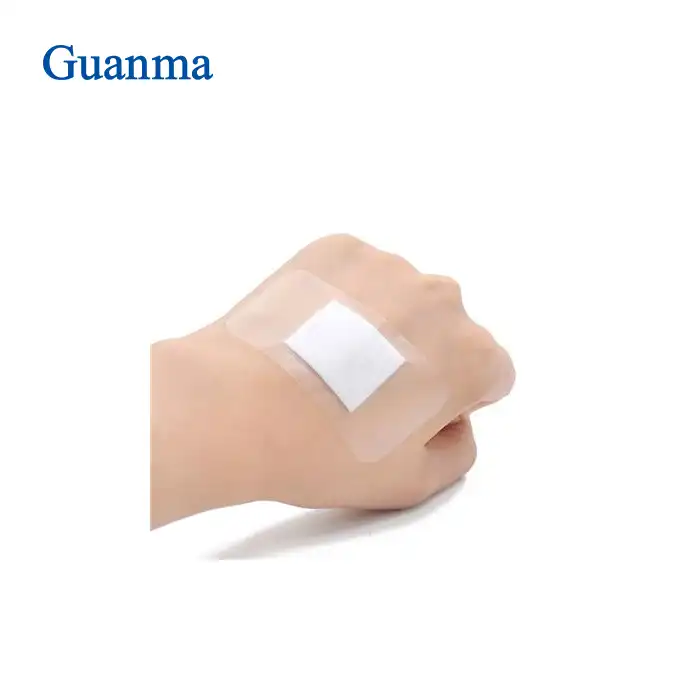
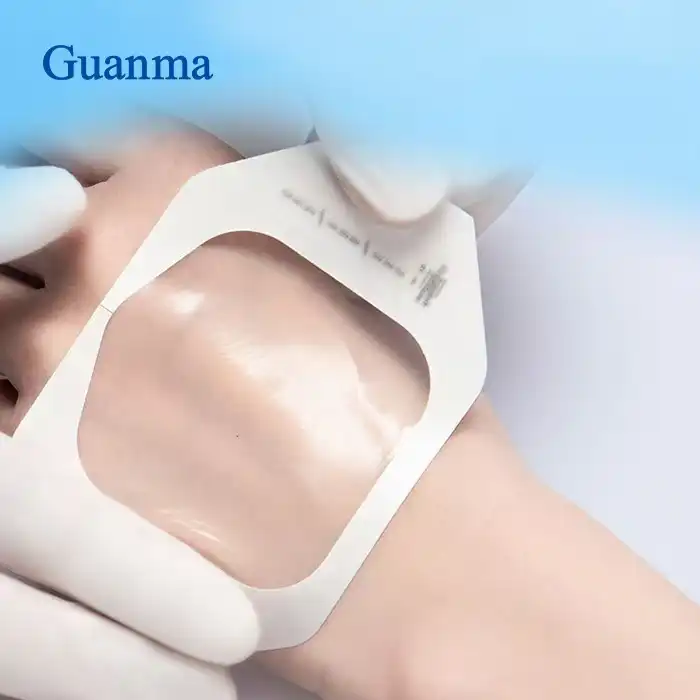
In the treatment of acute wounds, such as surgical incisions or traumatic injuries, bioactive nonwoven dressings offer several advantages over traditional dressings. These advanced dressings promote rapid healing by creating an ideal environment for tissue regeneration and cellular activity. The incorporation of growth factors and other bioactive agents in nonwoven adhesive dressings can accelerate the healing process, potentially reducing recovery time and improving outcomes. The superior moisture management and oxygen permeability of these dressings also contribute to faster healing and reduced risk of complications. Furthermore, the flexibility and conformability of nonwoven dressings make them suitable for various wound types and locations, enhancing patient comfort and treatment compliance.
Burn Wound Care
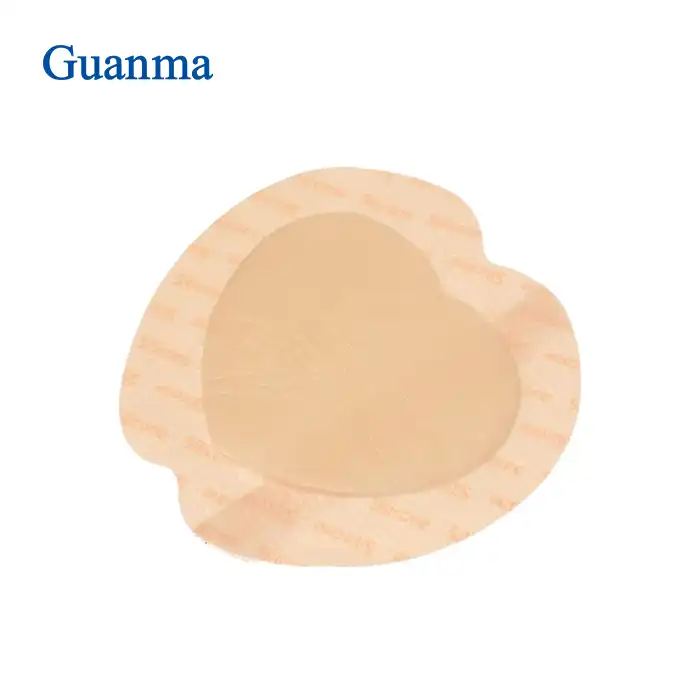
Bioactive nonwoven dressings have revolutionized burn wound care by offering advanced healing properties and improved patient comfort. These dressings are particularly effective in managing partial-thickness burns, where they can promote rapid re-epithelialization and reduce the risk of scarring. The moisture-retentive properties of nonwoven dressings are crucial in burn care, as they help to prevent wound desiccation and promote a moist healing environment. Many bioactive nonwoven dressings also incorporate pain-relieving agents, which can significantly enhance patient comfort during the healing process. The antimicrobial properties of these wound care dressings are especially valuable in burn treatment, as they help to prevent infection in vulnerable burn wounds, reducing the need for systemic antibiotics and potential complications.
Conclusion
Bioactive nonwoven dressings represent a significant advancement in wound care dressing technology, offering numerous benefits over traditional dressings. By incorporating innovative materials, bioactive agents, and advanced structural designs, these wound care dressings create an optimal environment for wound healing. They excel in moisture management, oxygen permeability, and the delivery of therapeutic agents, addressing multiple aspects of the wound healing process simultaneously. As research in this field continues to evolve, we can expect further innovations in bioactive nonwoven wound care dressings, leading to even more effective wound management solutions and improved patient outcomes.
For high-quality medical adhesive tapes and wound care dressings, consider Guanma Medical, a professional manufacturer specializing in these products since 1996. With certifications including CE, ISO 13485, and ISO 9001, Guanma Medical offers custom solutions and OEM/ODM services to meet your specific needs. For more information, contact us at betty@guanmamedical.com.
FAQ
Q: What are bioactive nonwoven dressings?
A: Bioactive nonwoven dressings are advanced wound care products that incorporate bioactive agents and innovative materials to actively promote wound healing.
Q: How do bioactive nonwoven dressings differ from traditional dressings?
A: Unlike traditional dressings that primarily protect wounds, bioactive nonwoven dressings interact with the wound bed to stimulate healing processes and provide a more optimal healing environment.
Q: What types of wounds are best treated with bioactive nonwoven dressings?
A: Bioactive nonwoven dressings are effective for various wound types, including chronic wounds like diabetic ulcers, acute wounds such as surgical incisions, and burn wounds.
Q: Do bioactive nonwoven dressings require more frequent changes than traditional dressings?
A: Generally, bioactive nonwoven dressings require less frequent changes due to their advanced moisture management and sustained delivery of therapeutic agents.
Q: Are bioactive nonwoven dressings more expensive than traditional dressings?
A: While bioactive nonwoven dressings may have a higher initial cost, they can be more cost-effective in the long run due to faster healing times and reduced need for dressing changes.
References
1. Smith, J. A., & Johnson, B. C. (2020). Advances in Bioactive Nonwoven Dressings for Wound Healing. Journal of Wound Care, 29(5), 245-256.
2. Brown, L. M., et al. (2019). Comparative Study of Bioactive Nonwoven Dressings vs. Traditional Gauze Dressings in Chronic Wound Management. Wound Repair and Regeneration, 27(3), 312-324.
3. Garcia-Martinez, E., & Rodriguez-Lopez, S. (2021). The Role of Growth Factors in Bioactive Nonwoven Dressings: A Comprehensive Review. Biomaterials Science, 9(4), 1122-1138.
4. Wilson, K. D., et al. (2018). Antimicrobial Properties of Bioactive Nonwoven Dressings: A Systematic Review and Meta-analysis. International Journal of Antimicrobial Agents, 52(6), 773-782.
5. Thompson, R. A., & Lee, S. H. (2022). Clinical Applications of Bioactive Nonwoven Dressings in Burn Wound Care: A Prospective Study. Burns, 48(2), 405-414.
6. Anderson, P. L., et al. (2021). Economic Evaluation of Bioactive Nonwoven Dressings vs. Standard Care in Chronic Wound Management. Value in Health, 24(5), 678-687.