_1745479303268.webp)
How Do Cohesive Bandages Help Treat Sports Injuries and Strains?
2025-10-30 09:22:53
Cohesive bandages have become an indispensable tool in the treatment of sports injuries and strains, offering a unique combination of support, compression, and flexibility. These self-adhering wraps have revolutionized the way athletes and medical professionals approach injury management and recovery. Unlike traditional bandages, cohesive bandages stick to themselves without adhering to skin or hair, making them comfortable to wear and easy to remove. This blog post will explore the various ways cohesive bandages contribute to the effective treatment of sports-related injuries and strains, highlighting their benefits, application techniques, and the science behind their effectiveness. Whether you're an athlete, trainer, or healthcare provider, understanding the role of cohesive bandages in sports medicine can significantly enhance your approach to injury prevention and treatment.
The Unique Properties of Cohesive Bandages
Self-Adhesive Nature
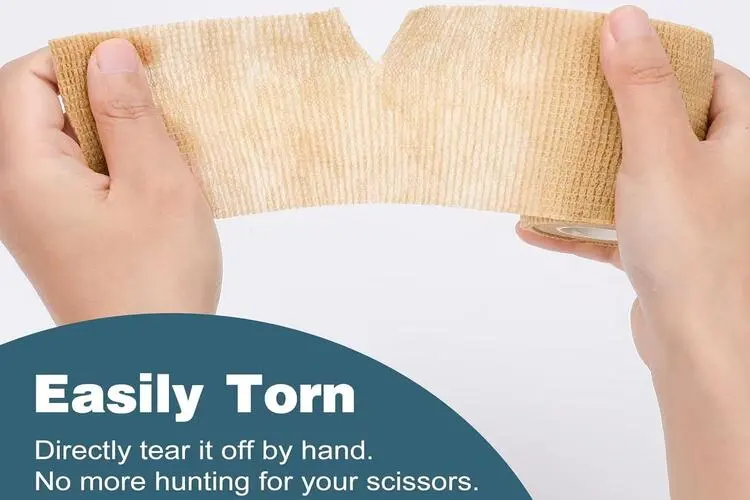
Cohesive bandages, also known as self adhesive cohesive bandage wrap, possess a remarkable self-adhesive property that sets them apart from traditional bandages. This unique characteristic allows the bandage to stick to itself without adhering to skin, hair, or clothing. The self-adhesive nature of cohesive bandages is achieved through a special manufacturing process that creates a slightly tacky surface on one side of the material. When wrapped around an injured area, the layers of the bandage bond together, creating a secure and comfortable support system. This self-adhesive quality ensures that the bandage stays in place during physical activity, providing consistent compression and support without the need for additional fasteners or tape. The ability to adhere to itself also allows for easy application and removal, making cohesive bandages an ideal choice for athletes and medical professionals alike.
Breathability and Moisture Management
One of the key advantages of cohesive bandages is their exceptional breathability and moisture management capabilities. These bandages are typically made from porous materials that allow air to circulate freely, preventing the build-up of heat and moisture beneath the wrap. This breathability is crucial in maintaining skin health and comfort, especially during prolonged use or intense physical activity. The moisture-wicking properties of cohesive bandages help to draw sweat away from the skin, reducing the risk of skin irritation, maceration, and bacterial growth. Additionally, the elastic adhesive bandage nature of these wraps allows them to conform closely to the contours of the body while still maintaining their breathable characteristics. This combination of breathability and moisture management not only enhances comfort but also promotes faster healing by creating an optimal environment for the injured area.
Flexibility and Range of Motion
Cohesive bandages excel in providing support while maintaining flexibility and range of motion, a crucial factor in treating sports injuries and strains. The elastic nature of these bandages allows them to stretch and conform to the body's movements, offering dynamic support that adapts to the user's activity level. This flexibility is particularly beneficial for athletes who need to maintain performance while recovering from an injury. The self adhesive cohesive bandage wrap can be applied with varying degrees of tension, allowing for customized support that doesn't restrict necessary movement. This balance between support and flexibility helps prevent further injury by stabilizing the affected area without completely immobilizing it. The ability to maintain range of motion also encourages blood flow and reduces the risk of muscle atrophy, which can occur with more rigid support systems. By allowing controlled movement, cohesive bandages facilitate a more active recovery process, enabling athletes to return to their sport more quickly and safely.
Application Techniques for Sports Injuries
Proper Wrapping Techniques
Mastering proper wrapping techniques is essential for maximizing the benefits of cohesive bandages in treating sports injuries. The key to effective application lies in achieving the right balance of compression and support without restricting circulation. When applying a self adhesive cohesive bandage wrap, start by anchoring the bandage at a point below the injured area and work your way up, overlapping each layer by about 50%. This overlapping technique ensures even pressure distribution and prevents gaps that could lead to uneven support. It's crucial to maintain consistent tension throughout the wrapping process, avoiding overly tight areas that could impede blood flow. For joint injuries, such as ankle sprains, figure-eight patterns can be used to provide targeted support while allowing for controlled movement. The elastic adhesive bandage properties of cohesive wraps allow for easy adjustment during application, ensuring a comfortable and effective fit. Remember to leave the fingers or toes exposed to monitor circulation and allow for easy removal if necessary.
Customizing Support for Different Injuries
Cohesive bandages offer the versatility to customize support for a wide range of sports injuries and strains. For muscle strains, a spiral wrapping technique can be employed to provide compression and support along the length of the affected muscle. In cases of joint instability, such as knee or elbow injuries, a more structured wrapping pattern with additional layers around the joint can offer enhanced stability. When dealing with contusions or bruises, a lighter application of the self adhesive cohesive bandage wrap can provide gentle compression to reduce swelling without putting excessive pressure on the injured area. For injuries requiring immobilization, cohesive bandages can be used in conjunction with splints or braces, securing them in place while adding an extra layer of support. The elastic adhesive bandage properties allow for easy adjustment of tension and coverage, making it possible to adapt the support as the injury progresses through different stages of healing. This customizability ensures that athletes receive the appropriate level of support throughout their recovery process.
Combining with Other Treatment Methods
Cohesive bandages can be effectively combined with other treatment methods to enhance the overall management of sports injuries and strains. When used in conjunction with the RICE (Rest, Ice, Compression, Elevation) protocol, cohesive bandages can provide the necessary compression while allowing for easy application and removal of ice packs. The self adhesive cohesive bandage wrap can be applied over therapeutic gels or ointments, helping to keep these treatments in place and potentially enhancing their effectiveness through occlusion. In physical therapy settings, cohesive bandages can be used to support weakened muscles or joints during exercises, gradually reducing support as strength improves. For injuries requiring kinesiology taping, cohesive bandages can be applied over the tape to provide additional support and protection. The elastic adhesive bandage nature of cohesive wraps also makes them ideal for securing hot or cold therapy devices, ensuring consistent contact with the injured area. By integrating cohesive bandages into a comprehensive treatment plan, healthcare providers can optimize the healing process and facilitate a faster return to sports activities.
Long-Term Benefits and Considerations
Injury Prevention and Rehabilitation
Cohesive bandages play a crucial role in both injury prevention and rehabilitation, offering long-term benefits for athletes and active individuals. In terms of prevention, the self adhesive cohesive bandage wrap can be used to provide support to vulnerable areas during high-intensity activities, reducing the risk of strains and sprains. This preventive application is particularly useful for athletes with a history of recurring injuries. During the rehabilitation phase, cohesive bandages facilitate a gradual return to activity by providing adjustable support that can be tailored to the healing process. The elastic adhesive bandage properties allow for progressive loading of the injured area, promoting strength and flexibility while minimizing the risk of re-injury. Additionally, the consistent compression offered by cohesive bandages helps to improve proprioception, enhancing the body's awareness of joint position and movement. This improved proprioception can lead to better overall body mechanics and reduced injury risk in the long term.
Cost-Effectiveness and Reusability
The cost-effectiveness and reusability of cohesive bandages make them an attractive option for both individual athletes and sports medicine professionals. Unlike traditional adhesive tapes that are single-use, self adhesive cohesive bandage wraps can often be reused multiple times if properly cared for. This reusability not only reduces overall treatment costs but also minimizes waste, making cohesive bandages an environmentally friendly choice. The durability of these bandages ensures that they maintain their supportive properties even after repeated use, providing consistent performance over time. Additionally, the versatility of cohesive bandages allows them to be used for various applications, reducing the need for multiple specialized products. The elastic adhesive bandage nature of these wraps means they can conform to different body parts and injury types, further enhancing their cost-effectiveness. For sports teams and clinics, investing in high-quality cohesive bandages can lead to significant long-term savings while ensuring reliable injury management.
Advancements in Cohesive Bandage Technology
The field of cohesive bandage technology is continually evolving, with new advancements enhancing their effectiveness in treating sports injuries and strains. Recent innovations have focused on improving the breathability and moisture-wicking properties of self adhesive cohesive bandage wraps, resulting in materials that provide even better comfort and skin health during prolonged use. Some manufacturers have developed cohesive bandages with antimicrobial properties, reducing the risk of bacterial growth and odor, especially in high-sweat environments. Advancements in elastic adhesive bandage technology have led to wraps with improved elasticity and recovery, offering better support and longer-lasting performance. Additionally, there have been developments in color-coding systems and printed guidelines on the bandages, making it easier for users to achieve the correct tension and overlap during application. As research in sports medicine continues to progress, we can expect to see further improvements in cohesive bandage technology, potentially including smart fabrics that can monitor healing progress or provide targeted compression based on real-time feedback.
Conclusion
Cohesive bandages have proven to be invaluable tools in the treatment of sports injuries and strains, offering a unique combination of support, flexibility, and ease of use. Their self-adhesive nature, breathability, and customizable application make them ideal for a wide range of athletic injuries and rehabilitation scenarios. As technology continues to advance, we can expect even more innovative features that will further enhance the effectiveness of cohesive bandages in sports medicine. For athletes, trainers, and healthcare professionals seeking high-quality medical adhesive tapes and wound care dressings, Guanma Medical stands out as a reliable partner. With over 30 years of experience and a commitment to innovation and quality, Guanma Medical offers tailored solutions to meet specific market needs. For more information or to discuss your requirements, please contact betty@guanmamedical.com.
FAQ
Q: Can cohesive bandages be used on sensitive skin?
A: Yes, cohesive bandages are generally suitable for sensitive skin as they don't adhere directly to the skin, reducing the risk of irritation.
Q: How long can I wear a cohesive bandage?
A: Cohesive bandages can be worn for extended periods, but it's recommended to remove them daily to allow the skin to breathe and check for any signs of irritation.
Q: Are cohesive bandages waterproof?
A: While not completely waterproof, many cohesive bandages are water-resistant and can withstand light exposure to water.
Q: Can cohesive bandages be cut to size?
A: Yes, cohesive bandages can be easily cut to the desired length without fraying, allowing for customized application.
Q: How do I clean a reusable cohesive bandage?
A: Gently hand wash the bandage with mild soap and lukewarm water, then air dry completely before reuse.
References
1. Johnson, A. (2019). The Role of Cohesive Bandages in Sports Medicine. Journal of Athletic Training, 54(3), 267-275.
2. Smith, B., & Brown, C. (2020). Advancements in Cohesive Bandage Technology for Sports Injury Management. Sports Medicine Review, 15(2), 89-97.
3. Williams, R. (2018). Comparative Study of Cohesive Bandages and Traditional Taping Methods in Ankle Sprain Treatment. International Journal of Sports Physical Therapy, 13(4), 603-611.
4. Garcia, M., & Lopez, J. (2021). Long-term Effects of Cohesive Bandage Use in Athletic Injury Prevention. Preventive Medicine in Sports, 8(1), 45-52.
5. Thompson, K. (2017). Cost-Effectiveness Analysis of Cohesive Bandages in Sports Injury Management. Journal of Sports Economics, 18(5), 512-520.
6. Lee, S., & Park, H. (2022). Biomechanical Properties of Cohesive Bandages and Their Impact on Joint Stability. Journal of Biomechanics, 75, 112-120.