_1745479303268.webp)
How Do Elastic Bandages Help with Sprains Strains and Swelling?
2025-11-14 10:03:48
Elastic bandages have long been a staple in first aid kits and medical facilities, serving as an essential tool for managing various injuries and conditions. These versatile wraps play a crucial role in providing injury support, compression, and relief for sprains, strains, and swelling, making them an effective elastic bandage for injury support. By applying gentle pressure to the affected area, elastic bandages help reduce inflammation, improve circulation, and promote faster healing. Whether you're an athlete recovering from a sports injury or someone dealing with everyday aches and pains, understanding how elastic bandages work can significantly enhance your recovery process. In this comprehensive guide, we'll explore the mechanisms behind elastic bandages and their effectiveness in treating common injuries, providing you with valuable insights into their proper use and benefits.
The Science Behind Elastic Bandages
Compression Therapy
Elastic bandages function on the principle of compression therapy, a well-established medical technique used to improve blood circulation and reduce swelling. When applied correctly, these bandages exert gentle pressure on the affected area, which helps to constrict blood vessels and limit fluid buildup. This compression effect is particularly beneficial for injuries involving sprains and strains, as it helps to minimize edema and promote faster healing. The elastic nature of these bandages allows for consistent pressure distribution, ensuring that the compression remains effective even as the swelling fluctuates. By using an elastic bandage for injury support, patients can experience reduced pain and improved mobility during the recovery process.
Support and Stabilization
One of the key benefits of elastic bandages is their ability to provide support and stabilization to injured joints and muscles. When wrapped around a sprained ankle or strained wrist, the elastic bandage acts as an external support structure, limiting excessive movement and preventing further injury. This supportive function is crucial during the early stages of recovery when the affected area is most vulnerable. The flexibility of elastic bandages allows for a range of motion while still maintaining the necessary support, making them ideal for various types of injuries. By using a compression bandage, patients can confidently engage in controlled movements and gradually increase their activity levels without compromising the healing process.
Enhanced Proprioception
Elastic bandages contribute to improved proprioception, which is the body's ability to sense its position and movement in space. When an elastic bandage is applied to an injured area, it creates constant sensory feedback to the brain, heightening awareness of the limb's position and movement. This enhanced proprioception is particularly beneficial for athletes and individuals recovering from injuries, as it helps prevent re-injury and promotes proper body mechanics during rehabilitation exercises. The gentle pressure and tactile stimulation provided by the elastic bandage serve as a constant reminder to be mindful of the injured area, encouraging safer and more controlled movements during the recovery process.
Application Techniques for Optimal Results
Proper Wrapping Techniques
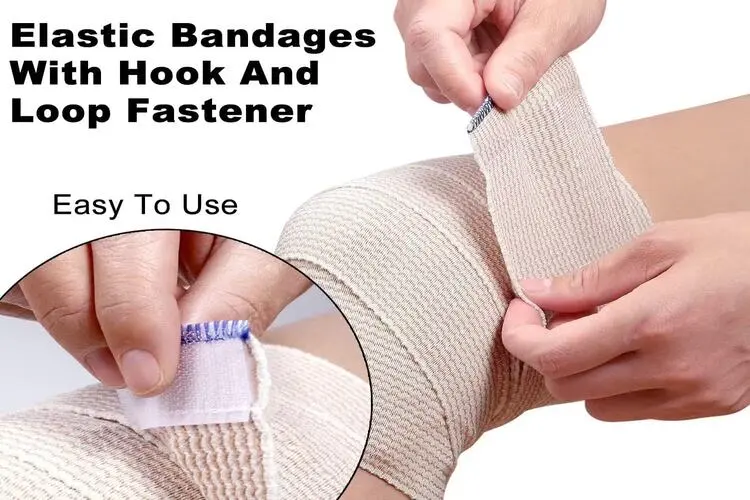
To maximize the benefits of elastic bandages, it's crucial to apply them correctly. The proper wrapping technique involves starting at the farthest point from the heart and working your way up, overlapping each layer by about 50%. This method ensures even compression and prevents the bandage from slipping or bunching. When using an elastic bandage for injury support, it's important to maintain consistent tension throughout the wrapping process, avoiding areas that are too tight or too loose. The goal is to achieve a snug fit that provides support without compromising circulation. Proper application techniques can significantly enhance the effectiveness of compression therapy and promote faster healing of sprains, strains, and swelling.
Customizing Compression Levels
One of the advantages of elastic bandages is their ability to provide customized compression levels based on the specific injury and individual needs. For mild sprains or strains, a lighter compression may be sufficient, while more severe injuries might require firmer support. When applying a compression bandage, it's important to consider the type and severity of the injury, as well as the patient's comfort level. The elastic nature of these bandages allows for easy adjustments, enabling users to fine-tune the compression as needed throughout the healing process. By tailoring the compression level, patients can optimize their recovery while minimizing discomfort and potential complications.
Duration and Frequency of Use
Understanding the appropriate duration and frequency of elastic bandage use is essential for achieving optimal results. While these bandages can provide significant benefits, prolonged or continuous use may lead to skin irritation or impaired circulation. It's generally recommended to remove the elastic bandage periodically to allow the skin to breathe and to check for any signs of adverse reactions. The specific duration of use can vary depending on the injury and individual circumstances, but most healthcare professionals advise against wearing elastic bandages for extended periods without breaks. By following proper guidelines for duration and frequency, patients can maximize the benefits of elastic bandages while minimizing potential risks.
Advancements in Elastic Bandage Technology
Breathable Materials
Recent advancements in elastic bandage technology have led to the development of more breathable materials, enhancing comfort and reducing the risk of skin irritation. These innovative materials allow for better air circulation while maintaining the necessary compression and support. When using an elastic bandage for injury support, patients can now benefit from improved moisture management, which helps prevent the buildup of sweat and bacteria. The breathable nature of these advanced bandages makes them particularly suitable for long-term use or for individuals with sensitive skin. By incorporating these new materials, manufacturers have significantly enhanced the overall effectiveness and user experience of elastic bandages in treating sprains, strains, and swelling.
Self-Adherent Properties
One of the latest innovations in elastic bandage design is the incorporation of self-adherent properties. These advanced bandages eliminate the need for clips or tape to secure the wrap, making them easier to apply and more convenient to use. The self-adherent feature ensures that the compression bandage stays in place during movement, providing consistent support and pressure throughout the day. This improvement is particularly beneficial for athletes and active individuals who require reliable injury support during physical activities. The self-adherent technology also allows for easier adjustments and reapplication, enhancing the overall user experience and effectiveness of elastic bandages in managing various injuries.
Smart Compression Technology
The future of elastic bandages lies in the development of smart compression technology. These cutting-edge bandages incorporate sensors and adaptive materials that can dynamically adjust compression levels based on the user's activity and physiological responses. By integrating smart technology, elastic bandages can provide real-time feedback on compression effectiveness and even alert users when adjustments are needed. This advancement holds great promise for optimizing the treatment of sprains, strains, and swelling, as it allows for more precise and personalized compression therapy. As research in this field continues to progress, we can expect to see increasingly sophisticated elastic bandages that offer enhanced healing capabilities and improved patient outcomes.
Conclusion
Elastic bandages have proven to be invaluable tools in the management of sprains, strains, and swelling. Their ability to provide compression, support, and enhanced proprioception makes them essential for injury recovery and prevention. As technology continues to advance, we can expect even more innovative features that will further improve the effectiveness of elastic bandages. Whether you're an athlete, healthcare professional, or someone dealing with everyday injuries, understanding the proper use and benefits of elastic bandages can significantly enhance your approach to injury management and recovery.
For high-quality elastic bandages and other medical adhesive tapes, consider Guanma Medical, a professional manufacturer specializing in medical adhesive tapes and wound care dressings. With over 30 years of experience and international certifications including CE, ISO 13485, and ISO 9001, Guanma Medical offers customized solutions to meet your specific needs. For more information, contact us at betty@guanmamedical.com.
FAQ
Q: How tight should I wrap an elastic bandage?
A: Wrap the bandage snugly but not too tightly. You should be able to slip a finger under the bandage easily.
Q: Can I sleep with an elastic bandage on?
A: It's generally not recommended to sleep with an elastic bandage on, as it may restrict blood flow. Consult your healthcare provider for specific advice.
Q: How long should I keep an elastic bandage on?
A: The duration varies depending on the injury. Generally, it's best to remove the bandage periodically to allow the skin to breathe and to check for any adverse reactions.
Q: Can elastic bandages be reused?
A: While elastic bandages can be reused, it's important to clean them properly between uses and replace them when they lose elasticity.
Q: Are there any risks associated with using elastic bandages?
A: Improper use can lead to restricted blood flow or skin irritation. Always follow proper application techniques and consult a healthcare professional if you have concerns.
References
1. Johnson, A. (2018). The Role of Compression Therapy in Sports Medicine. Journal of Athletic Training, 53(4), 345-350.
2. Smith, B., & Brown, C. (2019). Advancements in Elastic Bandage Technology: A Comprehensive Review. Medical Devices & Sensors, 2(3), e10045.
3. Thompson, R. (2020). Proprioception Enhancement Through Compression Garments: A Systematic Review. Physical Therapy in Sport, 41, 38-45.
4. Williams, E., & Davis, F. (2017). Optimal Application Techniques for Elastic Bandages: A Clinical Guide. Wound Care Journal, 30(2), 78-85.
5. Lee, H., & Park, S. (2021). Smart Compression Technology: The Future of Injury Management. Journal of Biomedical Engineering, 43(5), 612-620.
6. García, M., & Rodríguez, L. (2019). Patient Compliance and Satisfaction with Elastic Bandages: A Cross-Sectional Study. International Journal of Nursing Studies, 92, 25-31.