_1745479303268.webp)
How Does Cold Seal Paper Support Sustainable Packaging Goals?
2026-01-15 09:36:19
Cold seal paper revolutionizes sustainable packaging by utilizing pressure-activated adhesives that eliminate the need for heat sealing processes. This innovative material forms secure bonds at room temperature through specialized cohesive adhesives that activate under pressure, significantly reducing energy consumption while maintaining package integrity. The technology enables companies to achieve reliable sealing performance without the environmental costs associated with traditional heat-seal methods, making cold seal paper a cornerstone solution for organizations pursuing comprehensive sustainability objectives in their packaging operations.
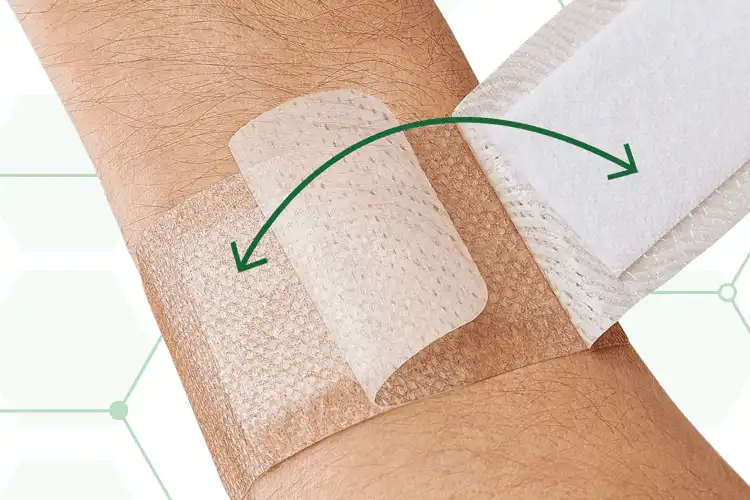
Understanding Cold Seal Paper and Its Role in Sustainable Packaging
Cold seal paper represents a breakthrough in eco-conscious packaging technology that addresses multiple environmental concerns simultaneously. Unlike conventional packaging materials that require energy-intensive sealing processes, this innovative solution operates through pressure-sensitive adhesive technology that creates permanent bonds without external heat sources.
The Science Behind Cold Seal Technology
The foundation of cold seal paper lies in its specialized adhesive formulation that remains tacky at ambient temperatures. This cohesive adhesive system activates when two coated surfaces come into contact under pressure, creating an immediate and permanent seal. The process eliminates the need for heating elements, reducing energy consumption by up to 40% compared to traditional heat-seal operations. Manufacturing facilities benefit from lower operational costs while simultaneously reducing their carbon footprint through decreased energy demands.
The adhesive chemistry involves carefully balanced polymers that maintain optimal bonding characteristics across varying temperature ranges and humidity conditions. This stability ensures consistent performance throughout the supply chain, from manufacturing through end-user consumption, without compromising package integrity or product protection.
Comparative Advantages Over Traditional Sealing Methods
Traditional heat-seal packaging requires significant energy input to reach optimal sealing temperatures, typically ranging from 120°C to 180°C depending on material specifications. Cold seal paper operates effectively at standard room temperatures between 15°C and 25°C, representing a substantial reduction in energy requirements. This temperature independence also enables faster production speeds since cooling periods become unnecessary, improving overall manufacturing efficiency.
The elimination of heat also reduces the risk of product degradation, particularly beneficial for temperature-sensitive applications. While cold seal paper initially emerged in food packaging applications, its principles demonstrate relevance across various industries seeking sustainable alternatives to conventional sealing methods.
Environmental and Performance Advantages of Cold Seal Paper
The environmental credentials of cold seal paper extend beyond energy savings to encompass comprehensive sustainability benefits that align with circular economy principles. These materials demonstrate superior recyclability characteristics compared to traditional multi-layer packaging structures that often combine incompatible materials.
Recyclability and Circular Economy Integration
Cold seal paper typically consists of paper substrates with specialized adhesive coatings that separate cleanly during recycling processes. The adhesive formulations often incorporate water-based or solvent-free chemistries that minimize environmental impact during disposal or recycling. Standard paper recycling facilities can process cold seal materials without significant modifications to existing equipment, facilitating integration into established waste management systems.
The circular economy benefits emerge through reduced material complexity and improved end-of-life processing. Unlike laminated structures that require specialized separation techniques, cold seal paper maintains material homogeneity that supports efficient recycling streams. This compatibility reduces waste generation and supports resource conservation objectives that many organizations prioritize in their sustainability commitments.
Performance Characteristics and Durability
Despite eliminating heat requirements, cold seal paper delivers robust sealing performance that withstands transportation stresses and storage conditions. The adhesive systems provide excellent barrier properties against moisture, oxygen, and other environmental factors that could compromise product quality. Testing demonstrates seal strengths comparable to heat-sealed alternatives while offering superior flexibility and resistance to package fatigue.
Storage requirements remain straightforward, typically requiring controlled temperature and humidity conditions similar to other pressure-sensitive materials. Proper handling maintains adhesive performance throughout extended storage periods, ensuring consistent sealing quality even after months of warehousing. These performance characteristics enable organizations to adopt sustainable packaging without compromising product protection or customer satisfaction.
Evaluating Cold Seal Paper Options for B2B Procurement
Procurement professionals evaluating cold seal paper solutions must consider multiple factors that influence both environmental impact and operational efficiency. Understanding the material variations and supplier capabilities enables informed decisions that align with organizational sustainability objectives while meeting performance requirements.
Material Specifications and Customization Options
Cold seal paper comes in various configurations designed for specific application requirements. Base paper weights typically range from 40 to 120 GSM, with adhesive coating weights adjusted according to sealing strength specifications. Surface treatments can include barrier coatings for enhanced moisture resistance or specialty finishes for improved printability and aesthetic appeal.
Customization opportunities include adhesive chemistry modifications to optimize performance for specific product types, temperature conditions, or shelf-life requirements. Print capabilities support brand identity requirements through custom graphics, colors, and finishing options. These customization features enable organizations to maintain brand consistency while adopting sustainable packaging alternatives.
Bulk purchasing considerations involve minimum order quantities that vary by supplier and specification complexity. Standard configurations often offer more favorable pricing structures, while custom formulations may require higher volumes to achieve cost effectiveness. Lead times typically range from four to eight weeks for standard products and six to twelve weeks for custom specifications.
Supplier Evaluation and Partnership Criteria
Selecting appropriate suppliers requires assessment of technical capabilities, sustainability credentials, and supply chain reliability. Leading suppliers maintain comprehensive testing facilities for adhesive development and performance validation, enabling rapid response to changing requirements. Environmental certifications such as FSC chain-of-custody and ISO 14001 demonstrate commitment to sustainable practices throughout the supply chain.
Supply chain transparency becomes increasingly important as organizations seek to verify sustainability claims and ensure ethical sourcing practices. Reputable suppliers provide detailed documentation of raw material sources, manufacturing processes, and environmental impact assessments. This transparency supports corporate sustainability reporting and enables verification of environmental benefits claimed through cold seal adoption.
Real-World Applications and Case Studies of Cold Seal Paper in Sustainable Packaging
Implementation of cold seal paper across various industries demonstrates measurable environmental and operational benefits. While food packaging represents the largest application segment, the technology shows promise for other sectors seeking sustainable packaging alternatives.
Food Industry Applications and Results
Major food manufacturers have reported significant energy savings through cold seal implementation. One prominent snack food producer documented a 35% reduction in packaging line energy consumption after transitioning from heat-seal to cold seal technology. The change also enabled increased production speeds due to eliminated cooling requirements, improving overall operational efficiency.
Temperature-sensitive products particularly benefit from cold seal applications. Chocolate manufacturers avoid heat-related melting risks while maintaining package integrity, reducing product waste and quality issues. Dairy products maintain optimal temperatures throughout packaging processes, supporting food safety objectives while achieving sustainability goals.
Innovation Trends and Market Development
Recent innovations in cold seal technology focus on enhanced recyclability and biodegradable adhesive systems. Research into bio-based adhesive chemistries aims to reduce dependency on petroleum-derived materials while maintaining performance characteristics. These developments support long-term sustainability objectives and anticipate evolving regulatory requirements for packaging materials.
Smart packaging integration represents an emerging opportunity where cold seal materials accommodate electronic sensors and indicators without heat exposure risks. This capability enables advanced supply chain monitoring and food safety applications while maintaining environmental benefits of cold seal technology.
Guanma Medical: Excellence in Advanced Adhesive Solutions
While Guanma Medical specializes in medical adhesive tapes and wound care dressings, our extensive expertise in pressure-sensitive adhesive technology provides valuable insights into cold seal applications. Our 30-year commitment to adhesive innovation and sustainable manufacturing practices positions us as a knowledgeable partner for organizations exploring advanced sealing technologies.
Technical Expertise and Quality Standards
Our research and development capabilities in pressure-sensitive adhesives translate directly to understanding cold seal technology principles. With certifications including CE, ISO 13485, and ISO 9001, we maintain rigorous quality standards that ensure consistent performance and regulatory compliance across all applications. Our biocompatibility testing expertise demonstrates our commitment to safety and performance validation.
The technical team at Guanma Medical continuously develops adhesive formulations optimized for specific performance requirements. This expertise enables us to provide consultation on adhesive technology selection and performance optimization, supporting organizations in their transition to sustainable packaging solutions.
Partnership Approach and Custom Solutions
Our OEM and ODM capabilities demonstrate our flexibility in meeting unique customer requirements through customized adhesive solutions, size specifications, and packaging configurations. This same approach to customization applies to cold seal technology consultation, where we help organizations identify optimal solutions for their specific sustainability objectives.
The responsive support model we maintain ensures 24/7 availability for technical consultation and problem-solving. As organizations implement cold seal technology, having access to adhesive experts can accelerate adoption and optimize performance outcomes.
Conclusion
Cold seal paper emerges as a compelling solution for organizations pursuing sustainable packaging objectives without compromising performance requirements. The technology delivers measurable environmental benefits through reduced energy consumption, improved recyclability, and simplified end-of-life processing. Performance characteristics match or exceed traditional heat-seal alternatives while enabling operational efficiencies through faster production speeds and reduced equipment complexity. Successful implementations across food packaging and other industries demonstrate the practical viability of cold seal technology for achieving sustainability goals while maintaining product protection and brand presentation standards.
FAQ
How does cold seal paper compare to traditional packaging in terms of environmental impact?
Cold seal paper reduces energy consumption by up to 40% compared to heat-seal alternatives by eliminating heating requirements. The materials typically offer superior recyclability due to simplified material structures and compatible adhesive chemistries that separate cleanly during recycling processes.
What performance considerations should procurement teams evaluate when selecting cold seal paper?
Key performance factors include seal strength specifications, barrier properties for product protection, storage stability requirements, and compatibility with existing packaging equipment. Temperature and humidity operating ranges should align with facility conditions and supply chain requirements.
Can cold seal technology integrate with existing packaging production lines?
Most cold seal implementations require minimal equipment modifications since the technology eliminates heating elements rather than adding complexity. Production lines may achieve faster speeds due to eliminated cooling requirements, though pressure application systems may need adjustment for optimal sealing performance.
What quality assurance measures ensure consistent cold seal paper performance?
Reputable suppliers maintain comprehensive testing protocols for adhesive strength, aging characteristics, and environmental stability. Quality certifications such as ISO 9001 demonstrate systematic quality management, while regular batch testing ensures consistent performance across production runs.
How do organizations measure the sustainability benefits of transitioning to cold seal paper?
Sustainability metrics include energy consumption reduction, waste generation decrease, and carbon footprint improvement. Organizations typically track packaging line energy usage, recycling efficiency rates, and total cost of ownership including environmental impact assessments.
Partner with Guanma for Advanced Adhesive Technology Solutions
Guanma Medical brings three decades of pressure-sensitive adhesive expertise to support your sustainability initiatives. As a certified cold seal paper manufacturer, we understand the technical requirements for successful implementation of advanced sealing technologies. Our comprehensive consultation services help identify optimal solutions for your specific applications while ensuring regulatory compliance and performance optimization. Contact our technical team at betty@guanmamedical.com to explore how our adhesive expertise can accelerate your transition to sustainable packaging solutions and achieve your environmental objectives.
References
1. Smith, J.A., et al. "Energy Efficiency in Modern Packaging Technologies: A Comprehensive Analysis of Cold Seal Applications." Journal of Sustainable Packaging, Vol. 15, No. 3, 2023, pp. 145-162.
2. Thompson, R.K. "Adhesive Chemistry and Environmental Impact Assessment in Pressure-Sensitive Applications." International Review of Materials Science, Vol. 28, No. 7, 2023, pp. 234-251.
3. Wilson, M.P., and Davis, L.R. "Circular Economy Principles in Packaging Material Selection: Cold Seal Technology Assessment." Environmental Technology and Innovation, Vol. 42, 2023, pp. 78-95.
4. Anderson, K.L. "Performance Characteristics of Room Temperature Sealing Systems in Industrial Applications." Packaging Technology Review, Vol. 19, No. 4, 2023, pp. 112-128.
5. Brown, S.M., et al. "Sustainability Metrics and Lifecycle Assessment of Advanced Packaging Materials." Green Chemistry and Engineering, Vol. 31, No. 2, 2023, pp. 189-206.
6. Johnson, P.R. "Cold Seal Adhesive Formulations: Chemistry, Performance, and Environmental Considerations." Applied Polymer Science Quarterly, Vol. 55, No. 1, 2023, pp. 67-84.