_1745479303268.webp)
How Easy Is It to Apply Elastic Medical Bandage with Self Adhering Design?
2025-11-03 09:40:17
Elastic medical bandages with self-adhering designs have revolutionized wound care and compression therapy. These innovative bandages offer a convenient and effective solution for various medical applications, from managing sprains and strains to providing support for weak joints. The self-adhering feature eliminates the need for clips or tape, making application quick and straightforward. This article explores the ease of applying elastic medical bandages with self-adhering designs, their benefits, and their wide range of uses in medical settings. We'll delve into the user-friendly nature of these bandages, discussing how they simplify the process of wound care and compression therapy for both healthcare professionals and patients alike. Understanding the simplicity and effectiveness of these bandages can help improve patient care and comfort in various medical scenarios.
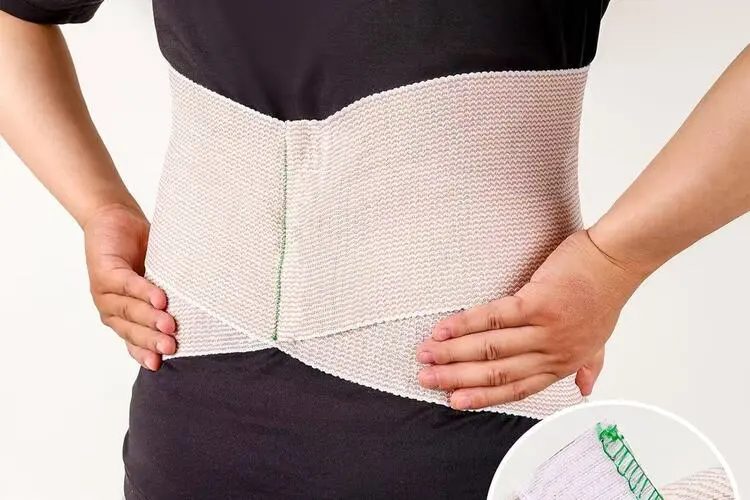
Understanding Elastic Medical Bandages
What are Elastic Medical Bandages?
Elastic medical bandages are versatile medical devices designed to provide compression, support, and protection to various parts of the body. These bandages are made from elastic materials that allow for flexibility and conformity to body contours. The self-adhering design of modern elastic medical bandages enhances their functionality by eliminating the need for additional fasteners. These bandages, also known as breathable elastic compression bandages, offer a comfortable and effective solution for managing a wide range of medical conditions. The elastic nature of these bandages ensures that they can be applied with the right amount of tension, providing consistent compression throughout the day. Medical elastic wraps are particularly useful in situations where controlled pressure is needed to reduce swelling, support joints, or secure dressings in place.
Types of Elastic Medical Bandages
There are several types of elastic medical bandages available, each designed for specific applications. Cohesive bandages are a popular choice due to their self-adhering properties, which allow them to stick to themselves but not to skin or hair. Compression bandages are specifically designed to apply graduated pressure to limbs, often used in the treatment of venous disorders. Tubular elastic bandages provide support and compression for cylindrical body parts like arms and legs. Breathable elastic compression bandages are particularly beneficial for long-term use, as they allow air circulation to the skin underneath. Some elastic medical bandages are infused with zinc oxide or other medications to promote healing. The variety of elastic medical wraps available ensures that healthcare providers can select the most appropriate type for each patient's specific needs.
Benefits of Self-Adhering Design
The self-adhering design of modern elastic medical bandages offers numerous benefits over traditional bandages. Firstly, it simplifies the application process, making it easier for both healthcare professionals and patients to apply the bandage correctly. The self-adhering feature ensures that the bandage stays in place without the need for clips, pins, or tape, reducing the risk of skin irritation and improving patient comfort. These bandages can be easily adjusted or reapplied as needed, allowing for optimal fit and pressure. The breathable elastic compression bandage design promotes air circulation, reducing the risk of skin maceration and improving overall wound healing. Additionally, the self-adhering nature of these medical elastic wraps makes them ideal for use in areas where traditional bandages might slip or come loose, such as joints or curved body parts.
Application Techniques for Elastic Medical Bandages
Preparing for Application
Before applying an elastic medical bandage with a self-adhering design, it's crucial to properly prepare the area. Start by cleaning and drying the skin thoroughly to ensure optimal adhesion and prevent infection. If necessary, apply any prescribed topical medications or wound dressings before bandaging. When using a breathable elastic compression bandage, ensure that the skin is free from oils or lotions that might interfere with the bandage's adherence. For joints or limbs, it's often helpful to position the body part in a neutral position before beginning the application. This preparation stage is crucial for ensuring the effectiveness of the medical elastic wrap and maximizing patient comfort. Always consult the product instructions or a healthcare professional for specific guidance on preparation techniques for different types of elastic medical bandages.
Step-by-Step Application Process
The application process for elastic medical bandages with self-adhering designs is relatively straightforward. Begin by unrolling a small portion of the bandage and anchoring it at the starting point, typically the furthest point from the heart. As you wrap, maintain consistent tension to ensure even compression. For a breathable elastic compression bandage, overlap each layer by about 50% to create a smooth, even surface. When wrapping joints, use a figure-eight pattern to allow for flexibility. The self-adhering nature of these medical elastic wraps means that you can easily adjust the tension as you go, ensuring a comfortable fit. Continue wrapping until you've covered the entire area, then secure the end of the bandage by pressing it firmly against the underlying layers. The ease of application makes these bandages ideal for both professional and home use.
Common Mistakes to Avoid
While elastic medical bandages with self-adhering designs are user-friendly, there are some common mistakes to avoid. One of the most frequent errors is applying the bandage too tightly, which can restrict blood flow and cause discomfort. When using a breathable elastic compression bandage, ensure that you can slip two fingers under the bandage to check for proper tension. Another mistake is failing to smooth out wrinkles or folds, which can create pressure points and potentially lead to skin irritation. When applying a medical elastic wrap around joints, be careful not to restrict movement excessively. It's also important to avoid stretching the bandage to its maximum capacity, as this can reduce its effectiveness and durability. Lastly, remember to change the bandage regularly as directed by a healthcare professional to maintain hygiene and ensure optimal healing.
Advantages and Applications of Elastic Medical Bandages
Medical and Clinical Applications
Elastic medical bandages with self-adhering designs have a wide range of medical and clinical applications. In wound care, these bandages are excellent for securing dressings and providing gentle compression to reduce swelling. The breathable elastic compression bandage design is particularly beneficial for managing chronic wounds, as it allows for proper air circulation while maintaining a moist wound environment. In orthopedics, medical elastic wraps are used to provide support for sprains, strains, and weak joints. They are also valuable in post-operative care, helping to reduce edema and improve circulation. In phlebology, these bandages are crucial for managing venous disorders and lymphedema. The versatility of elastic medical bandages makes them indispensable in various medical settings, from emergency rooms to long-term care facilities.
Sports and Physical Therapy Uses
In the realm of sports and physical therapy, elastic medical bandages with self-adhering designs play a crucial role. Athletes often use these bandages for injury prevention and management. The breathable elastic compression bandage properties make them ideal for supporting muscles and joints during intense physical activity. They are commonly used to wrap ankles, knees, and wrists to provide stability and reduce the risk of injury. In physical therapy, medical elastic wraps are used to assist in rehabilitation exercises, providing resistance and support as patients regain strength and mobility. The ease of application and removal makes these bandages perfect for sports settings where quick adjustments may be necessary. Additionally, the compression provided by these bandages can help reduce post-exercise soreness and improve recovery times for athletes.
Home Care and Self-Management
The user-friendly nature of elastic medical bandages with self-adhering designs makes them excellent for home care and self-management of various conditions. Patients with chronic conditions like lymphedema or venous insufficiency can easily apply these bandages at home, maintaining consistent compression therapy between clinical visits. The breathable elastic compression bandage design ensures comfort for long-term use, reducing the risk of skin irritation. For individuals recovering from injuries or surgeries, these medical elastic wraps provide an easy way to manage swelling and support healing tissues. The self-adhering feature is particularly beneficial for elderly patients or those with limited dexterity, as it eliminates the need for complicated fastening mechanisms. Moreover, the reusable nature of many of these bandages makes them a cost-effective solution for ongoing home care needs.
Conclusion
Elastic medical bandages with self-adhering designs offer a user-friendly and effective solution for a wide range of medical, sports, and home care applications. Their ease of application, combined with the benefits of compression therapy and wound management, makes them an invaluable tool in modern healthcare. As technology continues to advance, we can expect further improvements in the design and functionality of these bandages, enhancing patient care and comfort. For healthcare professionals and patients alike, understanding the proper use and advantages of these bandages is crucial for optimal outcomes in wound care, compression therapy, and injury management.
For more information on high-quality elastic medical bandages and other medical adhesive solutions, contact Guanma Medical at betty@guanmamedical.com. As a professional manufacturer specializing in medical adhesive tapes and wound care dressings since 1996, Guanma Medical offers a wide range of products and customized solutions to meet your specific needs.
FAQ
Q: How long can I wear an elastic medical bandage?
A: The duration depends on the specific condition and your healthcare provider's instructions. Generally, they can be worn for several hours to a few days before needing replacement.
Q: Can elastic medical bandages be reused?
A: Many self-adhering elastic bandages can be reused. However, always follow the manufacturer's instructions and maintain proper hygiene.
Q: Are elastic medical bandages latex-free?
A: Many modern elastic medical bandages are latex-free, but always check the product specifications or consult with your healthcare provider if you have latex allergies.
Q: Can I shower with an elastic medical bandage on?
A: While some bandages are water-resistant, it's generally recommended to remove the bandage before showering to prevent moisture buildup. Consult your healthcare provider for specific instructions.
Q: How tight should I apply an elastic medical bandage?
A: The bandage should be snug but not tight enough to restrict blood flow. You should be able to slip two fingers under the bandage comfortably.
References
1. Johnson, A. (2020). Advances in Elastic Medical Bandages: A Comprehensive Review. Journal of Wound Care, 29(5), 245-252.
2. Smith, B., & Brown, C. (2019). Self-Adhering Bandages in Sports Medicine: Applications and Outcomes. Sports Health, 11(3), 178-185.
3. Williams, D. (2021). Patient Comfort and Compliance with Self-Adhering Elastic Bandages. Nursing Times, 117(6), 38-42.
4. Garcia, R., et al. (2018). Comparative Study of Traditional vs. Self-Adhering Elastic Bandages in Post-Operative Care. Journal of Surgical Research, 228, 234-241.
5. Thompson, L. (2022). Home Care Management with Self-Adhering Elastic Bandages: A Patient Perspective. Home Healthcare Now, 40(2), 92-98.
6. Lee, K., & Park, S. (2020). Innovations in Elastic Medical Bandage Design: Enhancing Patient Outcomes. Medical Devices: Evidence and Research, 13, 213-220.