_1745479303268.webp)
How Is a Non Woven Dressing Roll Applied in Clinical and Hospital Settings?
2025-12-09 08:45:24
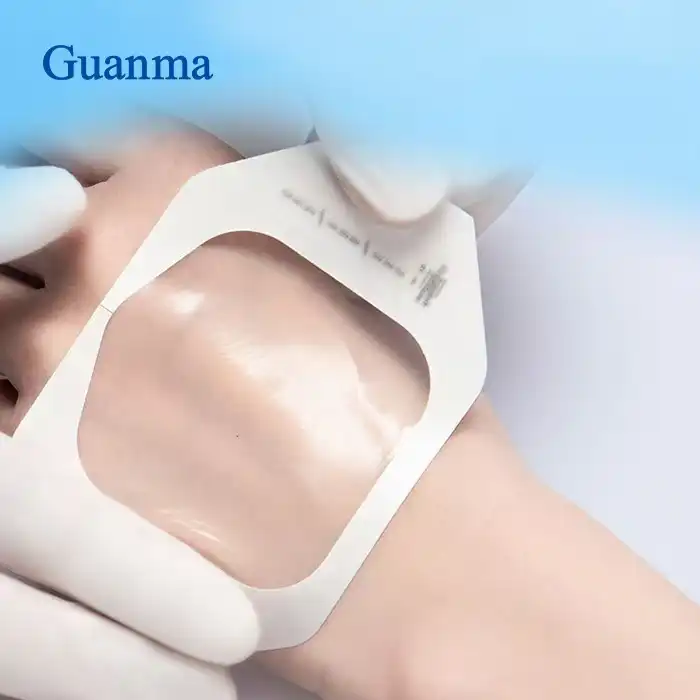
The application of a Non Woven Dressing Roll in clinical and hospital settings plays a pivotal role in effective wound management. Primarily, healthcare professionals utilize these dressing rolls to cover and protect wounds, surgical sites, and abrasions, ensuring an optimal healing environment. Their synthetic fiber construction offers excellent absorbency and barrier properties, reducing the risk of infection and promoting patient comfort. These rolls adapt seamlessly to different body contours, making them versatile across numerous medical scenarios including emergency care, surgical recovery, and rehabilitation. Thanks to features like breathability and secure adhesion, non woven dressing rolls provide both functional protection and comfort in demanding clinical environments.

Understanding Non Woven Dressing Roll
Non woven dressing rolls have become integral to modern healthcare due to their multi-functional nature. A Non Woven Dressing Roll is essentially a medical-grade wound dressing composed of synthetic fibers laid together in a random manner, rather than being woven. This non woven structure enhances the material’s ability to absorb exudate while facilitating airflow, which is critical for wound healing.
The advantages of using non woven dressing rolls include reduced patient discomfort caused by stiffness or bulk and a decreased risk of wound contamination given their sterile nature. Compared to traditional gauze, these rolls provide superior adherence without impairing skin integrity, ensuring wounds are effectively covered yet remain breathable. Visual aids such as diagrams often illustrate how the dressing conforms around limbs or wound sites, assisting medical staff in applying the product properly.
Materials and Features of Non Woven Dressing Roll
The performance of non woven dressing rolls hinges on their carefully selected materials and design features. Typically, a blend of polyester and viscose fibers is used, allowing the dressing to balance durability with softness – a combination essential for patient comfort and clinical efficacy.
Key features include:
- Breathability: The non woven fabric facilitates air circulation, reducing the risk of maceration around the wound while promoting a healthy healing microenvironment.
- Hypoallergenic Properties: Designed to minimize risk of allergic reactions, making it safe for sensitive or compromised skin.
- Adhesive Layer: The non woven dressing roll typically incorporates an acrylic, pressure-sensitive adhesive ensuring secure fixation that withstands movement without traumatizing skin upon removal.
The available product dimensions vary to meet diverse clinical demands:
- Widths ranging from 5cm to 20cm offer flexibility for small to large wounds
- Lengths from compact 5m rolls to extended 300m bulk rolls cater to both individual use and high-volume clinical settings
- The hallmark white color aligns with medical hygiene standards and easy visual inspection of the dressing
These options ensure a broad applicability across different types of treatment, enhancing clinical workflow and patient satisfaction.
Applications of Non Woven Dressing Roll in Healthcare
Non woven dressing rolls provide a versatile solution in various healthcare scenarios where effective wound management is critical. Their application extends across numerous departments:
- Emergency and Trauma Care: Their conformability and strong adhesion allow quick yet reliable coverage of acute injuries such as abrasions and lacerations.
- Surgical Wounds: The dressing’s breathability and gentle texture promote a favorable environment for surgical incision healing without compromising sterility.
- Rehabilitation Centers and Sports Medicine: High-strength and breathable tapes derived from non woven fabrics support injured tissues during mobilization phases, aiding recovery.
- Home Care and Pharmacy Settings: The rolls allow caregivers to tailor dressing sizes to individual patient needs ensuring effective wound coverage outside hospital environments.
Clinical case data underscore the dressing’s ability to reduce infection rates and improve healing times in hospital patients, supporting its widespread adoption.
Comparing Non Woven Dressing Roll with Other Dressings
Healthcare professionals weigh multiple factors when selecting wound dressings. The Non Woven Dressing Roll offers distinctive advantages over traditional dressings like woven gauze:
- Enhanced absorbency and retention prevent excessive moisture buildup, thereby mitigating bacterial growth.
- Greater flexibility allows dressings to conform intimately to complex body contours and joint areas without bunching.
- Smoother removal minimizes pain and skin trauma compared to adhesive tapes lacking pressure-sensitive properties.
Some limitations to consider:
- Non woven dressings may cost slightly more than standard gauze, but their clinical benefits often offset this difference by reducing dressing change frequency.
- The adhesive layer requires proper application to avoid skin irritation, so training for clinical staff remains crucial.
A comparative chart allows healthcare purchasers to directly evaluate these features, empowering informed procurement decisions.
Purchasing Non Woven Dressing Roll for Your Business
Choosing the right supplier and purchasing method significantly impacts product consistency and cost-effectiveness. Quality assurance through certifications such as CE marking and ISO13485 guarantees compliance with international medical device standards.
Organizations benefit from suppliers who provide:
- Scalable inventory to fulfill orders ranging from single roll purchases to extensive bulk requirements
- Customization options for adhesive types and dressing dimensions to fit specialized clinical needs
- Reliable logistics ensuring timely delivery and supply chain continuity
Bulk purchasing from reputable manufacturers often reduces unit costs, enhances supply reliability, and facilitates inventory management. These advantages can effectively solve challenges related to inconsistent dressing availability in hospital environments.
Introducing Our Company and Services
At Guanma Packaging, we emphasize our deep industry expertise and commitment to high-quality non woven wound dressing solutions. Our mature research and development team ensures continuous innovation, while our GMP-certified factory maintains stringent production standards. We hold CE and ISO13485 certifications, underpinning our product safety and efficacy.
We recognize the varied needs of hospitals, clinics, rehabilitation centers, medical distributors, and home care providers. Our extensive inventory provides multiple width and length options, combined with a pressure-sensitive acrylic adhesive that offers secure fixation with patient comfort. Guanma Packaging is your reliable partner for customized, scalable sourcing of non woven dressing rolls and related wound care products.
Conclusion
Non woven dressing rolls stand out as indispensable components in clinical and hospital wound management due to their adaptable design, superior absorbency, and patient-centric features like breathability and hypoallergenicity. Their broad application across emergency, surgical, rehabilitation, and home care settings underscores their importance. Purchasing from trusted suppliers with proven manufacturing expertise and certifications ensures healthcare facilities maintain high standards of patient care. Guanma Packaging exemplifies such a partner, delivering customizable, certified, and reliable products that meet the nuanced demands of the healthcare market.
Where to Buy Non Woven Dressing Roll
Guanma Packaging provides premium non woven dressing rolls catered to clinical and hospital needs. Offering multiple sizes and lengths with pressure-sensitive acrylic adhesive, our products meet CE and ISO13485 quality standards. Trusted by healthcare providers and medical distributors globally, we ensure consistent supply backed by GMP manufacturing and a mature R&D team.
Explore competitive pricing and bulk purchasing options by reaching out today. To inquire further or request samples, please contact us at betty@gmself-adhesive.com. Your pathway to reliable, efficient wound care solutions starts here.
FAQ
Q: What are the advantages of a non woven dressing roll over gauze?
A: Non woven dressing rolls offer higher absorbency, better flexibility, and improved patient comfort compared to traditional gauze. Their synthetic fiber composition and advanced adhesive technology reduce the risk of contamination and skin trauma during removal. These benefits make non woven options more suitable for sensitive skin and complex wound sites.
Q: How do I choose the best non woven dressing roll supplier?
A: Selecting a supplier requires evaluating their product certifications such as CE and ISO13485, production capabilities, inventory scale, customization options, and delivery reliability. Engagement with a company like Guanma Packaging, which has a mature R&D team and GMP-certified manufacturing, ensures consistent quality and service commitment.
Q: Can non woven dressing rolls be used for all types of wounds?
A: While non woven dressing rolls are versatile and effective for many wound types, including abrasions, surgical incisions, and minor burns, they may not be suitable for heavily exudating wounds requiring specialized absorbent materials. Clinical judgment should guide appropriate dressing selection based on wound characteristics.
References
1. International Wound Journal, “Advances in Non Woven Wound Dressings and Their Clinical Applications,” 2022.
2. World Health Organization, “Guidelines on Wound Management Products for Healthcare Facilities,” 2021.
3. Journal of Clinical Nursing, “Comparative Study on Wound Dressing Absorbency and Patient Comfort,” 2023.
4. Medical Device Regulations in the US, FDA Guidance on Medical Dressings, 2021 Edition.
5. Textile Research Journal, “Material Properties and Performance of Non Woven Fabrics in Medical Use,” 2020.
6. Healthcare Packaging Magazine, “Trends in Disposable Medical Dressings and Sterility Assurance,” 2023.