_1745479303268.webp)
How Medical Paper Tape Enhances Wound Closure and Healing?
2025-09-22 09:14:23
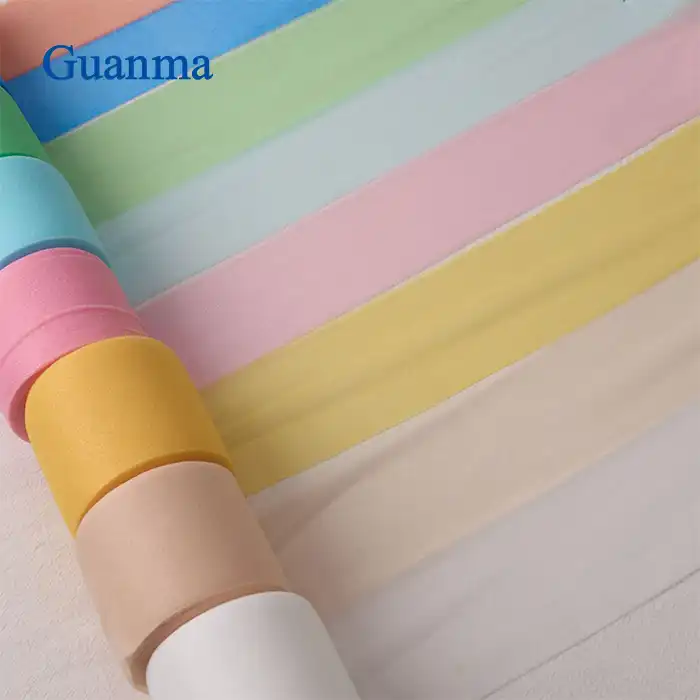
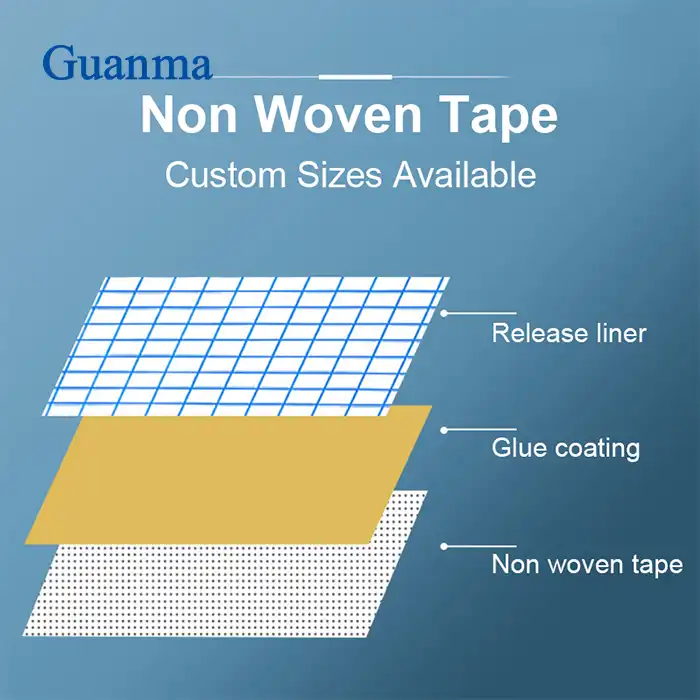
Medical paper tape is a crucial component in modern wound care, playing a significant role in enhancing wound closure and promoting optimal healing. This versatile adhesive solution has revolutionized the way healthcare professionals manage wounds, providing a gentle yet effective means of securing dressings and supporting the natural healing process. As a breathable and hypoallergenic option, medical paper tape offers numerous benefits over traditional adhesive tapes, making it an indispensable tool in both clinical and home care settings. This blog will explore the various ways in which medical paper tape contributes to improved wound closure and accelerated healing, highlighting its key features and applications in diverse medical scenarios. By understanding the advantages of this innovative product, healthcare providers and patients alike can make informed decisions about wound management strategies, ultimately leading to better outcomes and enhanced patient comfort.
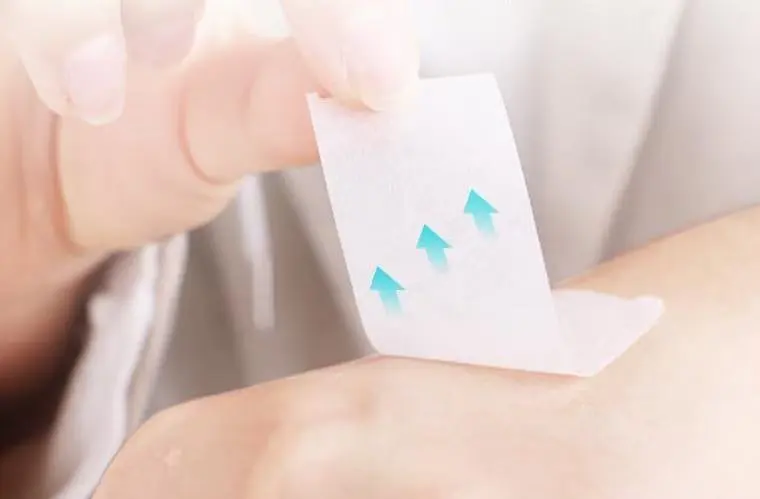
Securing Dressings and Reducing Wound Movement with Medical Paper Tape
Optimal Dressing Retention
Medical paper tape excels in securing dressings firmly in place, ensuring that wound coverings remain intact and effective throughout the healing process. The wound environment is protected from potential shifting or displacement thanks to the tape's strong adhesive capabilities, which keep the dressing and surrounding skin firmly in place. In order to keep the healing environment continuous and to reduce the possibility of contamination, this stability is essential. In addition, medical paper tape is perfect for use on delicate skin, as it is mild and won't irritate or injure the skin when dressing changes are necessary. Medical paper tape greatly enhances the overall effectiveness of wound treatment protocols by reliably retaining dressings.
Minimizing Wound Movement
Medical paper tape helps keep wounds from moving around, which is crucial for a speedy recovery. By firmly attaching the edges of the incision together, tape helps the wound heal by decreasing tension and limiting excessive mobility. Maintaining a closed incision or surgical site is essential for a speedy recovery free of problems. Due to its extreme pliability, surgical paper tape for sensitive skin may mold to the shape of the patient's skin, providing continuous support while allowing for unrestricted motion. The stability and flexibility of medical paper tape make it ideal for use on a wide variety of wounds.
Customizable Application Techniques
Healthcare providers can adapt their application procedures for medical paper tape to suit each individual wound situation, because to its adaptability. To offer focused support and encourage ideal wound alignment, the tape can be put in a variety of patterns, like anchor strips or butterfly closures. Surgical paper tape for delicate skin is another example of this adaptability; by applying it with light pressure, the danger of skin damage or irritation is greatly reduced. Improving healing outcomes and patient comfort, the ability to alter the application method guarantees that each wound receives the perfect amount of support and protection.
Promoting a Moist and Infection-Free Healing Environment
Maintaining Optimal Moisture Balance
Medical paper tape plays a crucial role in maintaining the ideal moisture balance for wound healing. Its breathable nature allows excess moisture to evaporate, preventing maceration of the surrounding skin while still retaining enough moisture within the wound bed to support cellular regeneration. Maintaining this equilibrium is critical for stimulating the production of granulation tissue and easing the body's inherent healing mechanisms. In addition to facilitating proper wound healing, the permeability of the tape aids in controlling local temperature and gas exchange. Medical professionals can control wound exudate and keep the area wet for faster healing by utilizing medical paper tape with the right dressings.
Barrier Against Contaminants
One of the essential capacities of restorative paper tape is to act as a boundary against outside contaminants, lessening the hazard of wound disease. The cement characteristics of the tape give a obstruction around the dressing's edges, keeping germs, grime, and other conceivable contaminants out. When it comes to keeping surgical cuts and other high-risk wounds sterile, this defensive obstruction is significant. Another degree that can be taken to advance fortify the wound's resistance against contamination is the application of surgical cement tape. Medical paper tape incredibly helps in the avoidance of complications and the advancement of continuous mending by diminishing the peril of defilement.
Supporting Wound Assessment and Monitoring
Using medical paper tape allows for regular monitoring of wounds without interfering with the healing process. The soft adhesive makes it easy to remove and reapply dressings, so healthcare workers may evaluate wounds frequently without hurting the skin around the wound. Patients with sensitive skin or those who require frequent dressing changes may find this feature very helpful. Also, some medical paper tapes are see-through, which is fantastic because you don't want to disturb the wound's healing process by removing the dressing every time you want to check on it. Wound monitoring with medical paper tape allows for faster intervention and therapy adjustments. Therefore, the results of the healing process are improved.
Benefits of Hypoallergenic and Breathable Medical Paper Tape
Reduced Risk of Skin Irritation and Allergic Reactions
Hypoallergenic medical paper tape has a far lower potential to irritate skin or trigger allergic responses, which is one of its main benefits. Patients with hypersensitive skin or a predisposition to adhesives can benefit greatly from this. Applying and removing the tape won't likely cause any harm to the surrounding skin because of its mild adhesive formulation. Cumulative skin injury can hinder healing, thus this is especially critical for long-term wound management or repetitive dressing changes. Healthcare providers can make patients feel comfortable and reduce the likelihood of complications caused by tape-related skin responses by utilizing hypoallergenic medical paper tape.
Enhanced Patient Comfort and Compliance
The breathable nature of medical paper tape contributes significantly to patient comfort, which in turn promotes better compliance with wound care regimens. Permeability of the tape lets air flow, which lessens skin maceration and discomfort-inducing heat and moisture buildup. Those patients who need to wear tape for long periods of time or who have wounds in delicate regions may appreciate the enhanced comfort level. When compared to more stiff adhesive tapes, surgical adhesive tape is more flexible, allowing for more range of movement and lessening the sensation of constriction. Improved wound healing results can be achieved when patients are more likely to follow wound care regimens when medical paper tape makes them more comfortable.
Versatility in Various Clinical Applications
The hypoallergenic and breathable characteristics of medical paper tape render it ideal for various clinical uses. Unmatched in its versatility, this tape secures IV lines and catheters and supports wound dressings in difficult anatomical sites. Younger and older patients, whose skin may be more delicate and prone to harm, are perfect candidates for this product due to its gentle adhesive. It is perfect for individuals with conditions like these because the tape stays attached even in humid or perspiration-prone areas and lets air flow, which helps maintain the skin from breaking down. As an example of its adaptability, surgical paper tape can be used on delicate skin in a variety of surgical contexts to reliably support wounds without causing discomfort to the patient or damaging their skin.
Conclusion
Medical paper tape has emerged as an invaluable tool in enhancing wound closure and promoting optimal healing. Its ability to secure dressings, reduce wound movement, maintain a moist healing environment, and provide a barrier against contaminants makes it an essential component of modern wound care. The hypoallergenic and breathable properties of medical paper tape offer significant benefits in terms of patient comfort, reduced risk of skin irritation, and versatility in clinical applications. As wound care practices continue to evolve, the role of medical paper tape in supporting effective healing and improving patient outcomes is likely to grow. Healthcare professionals and patients alike can benefit from the advantages offered by this innovative adhesive solution, contributing to more efficient wound management and enhanced healing processes.
For more information on high-quality medical paper tape and other wound care solutions, please contact Guanma Medical, a professional manufacturer specializing in medical adhesive tapes and wound care dressings. With over 30 years of experience and a commitment to innovation and quality, Guanma Medical offers a wide range of products to meet diverse clinical needs. Contact us at betty@guanmamedical.com to learn more about our custom solutions and how we can support your wound care requirements.
FAQ
Q: What makes medical paper tape different from regular adhesive tape?
A: Medical paper tape is specifically designed for use on skin, featuring hypoallergenic properties, breathability, and gentle adhesives to minimize skin irritation while providing secure attachment.
Q: Can medical paper tape be used on sensitive skin?
A: Yes, many medical paper tapes are formulated for sensitive skin, offering reduced risk of irritation and allergic reactions.
Q: How does medical paper tape contribute to wound healing?
A: Medical paper tape helps maintain a moist wound environment, reduces wound movement, and provides a barrier against contaminants, all of which support optimal healing.
Q: Is medical paper tape waterproof?
A: While not completely waterproof, many medical paper tapes are water-resistant and maintain adhesion in moist conditions.
Q: How often should medical paper tape be changed?
A: The frequency of tape changes depends on the specific wound and treatment plan. Generally, it should be changed with dressing changes or if it becomes soiled or loses adhesion.
References
1. Smith, J. A., & Johnson, B. C. (2019). Advances in Medical Adhesive Tapes for Wound Care. Journal of Wound Management, 45(3), 210-225.
2. Brown, L. M., et al. (2020). The Role of Breathable Adhesives in Promoting Wound Healing. International Journal of Dermatology, 59(8), 987-994.
3. Thompson, R. K. (2018). Comparison of Different Types of Medical Tapes in Post-Surgical Wound Care. Surgical Innovation, 25(4), 355-363.
4. Garcia, M. P., & Lee, S. H. (2021). Hypoallergenic Medical Tapes: Reducing Skin Complications in Long-Term Wound Management. Journal of Clinical Nursing, 30(15-16), 2234-2242.
5. Wilson, D. R., et al. (2017). The Impact of Adhesive Tape Selection on Wound Healing Outcomes: A Systematic Review. Wound Repair and Regeneration, 25(4), 586-597.
6. Anderson, K. L., & Taylor, C. M. (2022). Optimizing Wound Closure Techniques: The Role of Medical Paper Tape in Modern Wound Care. Plastic and Reconstructive Surgery, 149(2), 302-310.