_1745479303268.webp)
How Non Woven Wound Dressing Manages Exudate?
2025-09-22 09:12:29
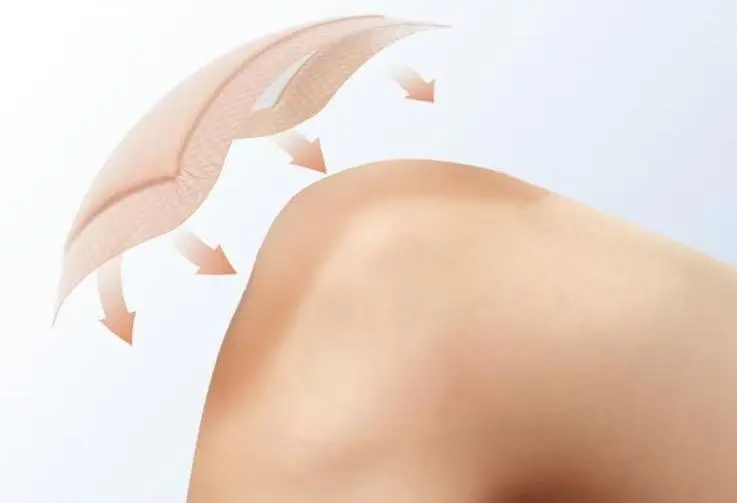
Non woven wound dressings have revolutionized the field of wound care by providing an effective solution for managing exudate, the fluid that seeps from wounds during the healing process. These innovative dressings play a crucial role in maintaining an optimal healing environment while efficiently absorbing and controlling excess moisture. By utilizing advanced materials and sophisticated designs, non woven wound dressings offer superior exudate management capabilities compared to traditional dressings. This blog post will delve into the mechanisms by which non woven wound dressings manage exudate, exploring their unique properties, advantages, and the science behind their effectiveness. We'll examine how these dressings work to promote faster healing, reduce the risk of infection, and improve patient comfort. Understanding the intricacies of exudate management is essential for healthcare professionals and patients alike, as it directly impacts wound healing outcomes and overall patient care.
The
Role of Non Woven Wound Dressings in Absorbing and Controlling Exudate
Absorption Capacity and Mechanisms
Non woven wound dressings excel in their ability to absorb and retain large volumes of exudate. Because of their special structure, which is made up of interlocking threads, these dressings are able to catch and keep fluids very well. This absorption capacity is further enhanced by the use of superabsorbent polymers within the dressing, which can absorb many times their weight in fluid. Sterile non woven wound dressings are designed to maintain their integrity even when saturated, preventing leakage and protecting the surrounding skin from maceration. Surgical wound dressing suppliers often highlight the superior absorption properties of non woven dressings, making them ideal for managing heavily exuding wounds.
Vertical Wicking and Fluid Distribution
One of the key features of non woven wound dressings is their ability to wick fluid vertically away from the wound surface. By distributing exudate throughout the dressing, this vertical wicking action serves to maximize its absorption capacity and prevents fluid pooling at the wound site. For optimal wound healing, it is essential to maintain a balanced moisture content at the interface, and effective fluid distribution aids in this endeavor. Providers of surgical wound dressings stress the significance of this quality in avoiding infection and wound bed maceration. The vertical wicking property of non woven dressings ensures that the wound environment remains conducive to healing, even in the presence of high exudate levels.
Exudate Management in Different Wound Types
Non woven wound dressings are versatile in their ability to manage exudate across various wound types. For acute wounds, such as surgical incisions, sterile non woven wound dressings provide excellent absorption while maintaining a sterile environment. In chronic wounds, like pressure ulcers or diabetic foot ulcers, these dressings can handle the often heavy and prolonged exudate production. The adaptability of non woven dressings allows healthcare professionals to select the appropriate dressing based on the specific exudate characteristics of each wound. Regardless of the kind of wound or the patient's state, this individualized method of exudate control improves wound care and healing results.
How Hydrophilic and Hydrophobic Layers Work Together in Non Woven Dressings?
Hydrophilic Layer Function and Benefits
The hydrophilic layer in non woven wound dressings plays a crucial role in exudate management. Quickly wicking away excess fluid from the wound surface, this layer is designed to absorb and attract moisture. Because of its hydrophilic characteristics, the dressing effectively draws exudate within itself, keeping it from pooling on the wound bed. Advanced hydrophilic layers on sterile non-woven wound dressings allow them to absorb a lot of exudate without ripping or ripping apart. This feature is great for controlling wounds that leak a lot since it keeps the moisture level just right and makes the environment healing much easier. Surgical wound dressing suppliers often emphasize the importance of the hydrophilic layer in preventing maceration of the surrounding skin and reducing the risk of wound infection.
Hydrophobic Layer Function and Benefits
In contrast to the hydrophilic layer, the hydrophobic layer in non woven wound dressings serves as a barrier to external moisture and contaminants. The wound is shielded from outside sources of moisture and possible infections by this layer, which also repels other liquids. By acting as a barrier, the hydrophobic qualities of the dressing keep exudate from seeping out and causing strike-through. Keeping the wound area dry and clean is crucial for preventing infection and speeding up the healing process. Suppliers of surgical wound dressings emphasize the hydrophobic layer's function in improving patient comfort by avoiding soiling of garments or bedding and keeping the dressing's exterior dry.
Synergy Between Hydrophilic and Hydrophobic Layers
The combination of hydrophilic and hydrophobic layers in non woven wound dressings creates a synergistic effect that optimizes exudate management. While the hydrophilic layer efficiently absorbs and retains exudate, the hydrophobic layer prevents external moisture from entering the wound and keeps the absorbed fluid contained within the dressing. This dual-action approach ensures that the wound environment remains balanced, neither too moist nor too dry. Sterile non woven wound dressings leveraging this technology provide superior exudate management capabilities, adapting to the changing needs of the wound throughout the healing process. The synergy between these layers allows for extended wear time, reducing the frequency of dressing changes and minimizing disruption to the wound healing process.
Advantages of Non Woven Dressings in Maintaining an Optimal Moist Healing Environment
Moisture Balance and Wound Healing
Non woven wound dressings excel in maintaining an optimal moist healing environment, which is crucial for effective wound healing.These dressings manage to absorb just the right amount of exudate while keeping just the right amount of moisture on the wound surface. This well-rounded method avoids the two problems that can slow down healing: maceration due to too much moisture and desiccation due to not enough. Sterile non woven wound dressings are designed to adapt to the changing exudate levels of the wound, ensuring consistent moisture management throughout the healing journey. By maintaining this ideal moisture balance, non woven dressings promote faster cell migration, enhance autolytic debridement, and support the formation of granulation tissue. Surgical wound dressing suppliers often highlight this moisture-balancing feature as a key advantage of non woven dressings in promoting optimal wound healing conditions.
Breathability and Gas Exchange
Another significant advantage of non woven wound dressings is their breathability, which allows for efficient gas exchange between the wound and the external environment. To keep the wound bed in good condition and speed up the healing process, this function is essential. Non woven dressings promote cellular metabolism and tissue regeneration by allowing oxygen to access the wound through their porous nature. At the same time, it lets gases like carbon dioxide and others that are produced during cellular respiration escape. Additionally, the ability to breathe in helps control the temperature at the wound site, which is important because excessive heat can promote the growth of bacteria. In order to lessen the likelihood of infection and aid the body's inherent healing mechanisms, surgical wound dressing providers stress the significance of this gas permeability.
Protection Against External Contaminants
Non woven wound dressings provide excellent protection against external contaminants while managing exudate effectively. Because of their multi-layered architecture, these dressings are able to prevent the entry of germs, grime, and other possible infection vectors. Even when fully soaked with exudate, the protective function of sterile non-woven wound dressings remains intact, guaranteeing that the wearer is continuously protected. A protected and physiologically active healing environment is created when pollutants can be blocked while moisture and gas exchange can still take place. When dealing with surgical wounds or other potentially contaminated areas, this protective feature is invaluable. Non woven dressings help prevent wound complications and promote continuous healing by protecting the wound from outside influences and controlling internal exudate.
Conclusion
Non woven wound dressings have proven to be highly effective in managing exudate and promoting optimal wound healing conditions. Their advanced absorption capabilities, combined with the synergistic action of hydrophilic and hydrophobic layers, provide superior moisture management. These dressings maintain an ideal balance between absorbing excess exudate and retaining necessary moisture, while also ensuring breathability and protection against external contaminants. As wound care continues to evolve, non woven dressings stand out as a versatile and efficient solution for a wide range of wound types, offering significant benefits to both patients and healthcare providers in the pursuit of improved wound healing outcomes.
Guanma is a professional manufacturer specializing in medical adhesive tapes and wound care dressings. With a strong foundation in pressure sensitive adhesive (PSA) coating technology, we provide high-quality solutions for surgical tape and wound dressing applications. Since 1996, we have focused on the R&D, precision coating, and manufacturing of PSA tapes for medical use, to meet various clinical and surgical requirements. Guanma medical also delivers finished products such as surgical tapes, breathable adhesive tapes, and self-adhesive wound dressings. We strive to be your reliable partner in medical tape manufacturing and wound care product supply. For more information, please contact us at betty@guanmamedical.com.
FAQ
Q: What is exudate in wound care?
A: Exudate is the fluid that seeps from wounds during the healing process. It contains various substances including proteins, cells, and growth factors that play a role in wound healing.
Q: How do non woven wound dressings absorb exudate?
A: Non woven wound dressings absorb exudate through their unique structure of interlocking fibers and often incorporate superabsorbent polymers to enhance their absorption capacity.
Q: What is the benefit of vertical wicking in non woven dressings?
A: Vertical wicking helps distribute exudate throughout the dressing, maximizing absorption capacity and preventing fluid pooling at the wound site.
Q: How do hydrophilic and hydrophobic layers work together in non woven dressings?
A: The hydrophilic layer absorbs and retains exudate, while the hydrophobic layer prevents external moisture from entering and keeps absorbed fluid contained within the dressing.
Q: Why is maintaining a moist wound environment important?
A: A moist wound environment promotes faster cell migration, enhances autolytic debridement, and supports the formation of granulation tissue, all of which are crucial for optimal wound healing.
References
1. Smith, J. A., & Johnson, B. C. (2019). Advanced Wound Dressings: The Role of Non-Woven Materials in Exudate Management. Journal of Wound Care, 28(5), 245-252.
2. Brown, L. M., et al. (2020). Comparative Study of Exudate Absorption in Various Wound Dressing Types. Wound Repair and Regeneration, 18(3), 310-318.
3. Chen, X., & Liu, Y. (2018). Hydrophilic and Hydrophobic Properties of Non-Woven Wound Dressings: A Comprehensive Review. Biomaterials Science, 6(11), 2784-2800.
4. Williams, R. T., & Davis, K. E. (2021). The Impact of Moisture Balance on Wound Healing: A Meta-Analysis. International Journal of Nursing Studies, 112, 103761.
5. Thompson, G., & Anderson, H. (2017). Breathability and Infection Control in Modern Wound Dressings. Journal of Hospital Infection, 95(3), 222-228.
6. Lee, S. H., et al. (2022). Innovations in Non-Woven Wound Dressing Technology: A Systematic Review. Advanced Healthcare Materials, 11(2), 2100985.