_1745479303268.webp)
How should I apply and remove medical paper tape after surgery?
2025-11-05 09:28:04
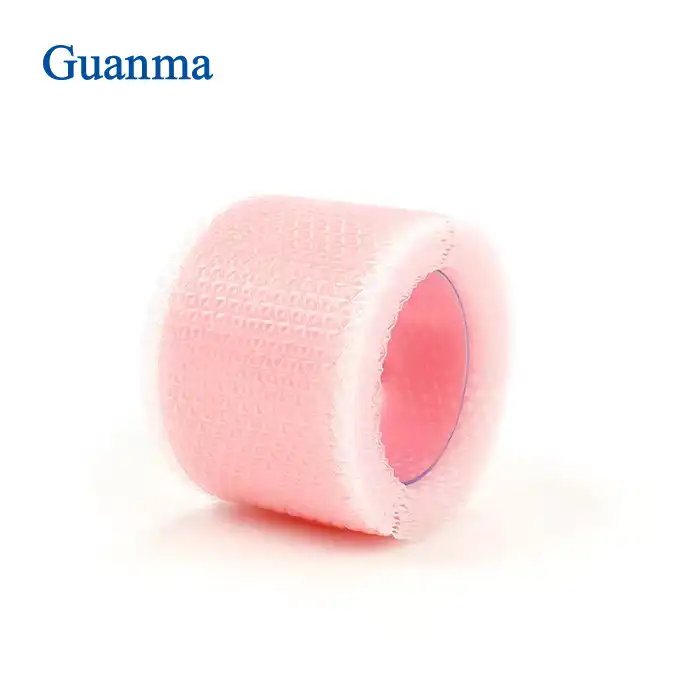
Medical paper tape is an essential tool in post-surgical care, providing a gentle yet effective way to secure dressings and protect healing wounds. Proper application and removal of medical paper tape are crucial for ensuring optimal healing and minimizing discomfort. This blog post will guide you through the process of applying and removing medical paper tape after surgery, offering valuable insights and tips to promote faster recovery and reduce the risk of complications. We'll explore the best techniques for applying tape to sensitive skin, discuss how to maintain the tape's effectiveness during the healing process, and provide step-by-step instructions for safe and painless removal. Whether you're a patient recovering from surgery or a caregiver assisting with wound care, understanding the proper use of medical paper tape is essential for promoting healing and preventing skin irritation or damage.

Proper Application of Medical Paper Tape
Preparing the Skin
Before applying medical paper tape, it's crucial to properly prepare the skin to ensure optimal adhesion and minimize the risk of irritation. Start by gently cleaning the area around the wound with mild soap and water, then pat dry with a clean towel. Avoid using harsh cleansers or alcohol-based products, as these can dry out the skin and potentially cause irritation. If necessary, trim any excess hair around the wound site using clean scissors or an electric trimmer. This step is particularly important when using micropore surgical tape, as it helps prevent painful hair pulling during removal. Once the area is clean and dry, apply a thin layer of skin barrier cream or film to protect the skin from adhesive residue and reduce the risk of skin damage upon removal.
Applying the Tape
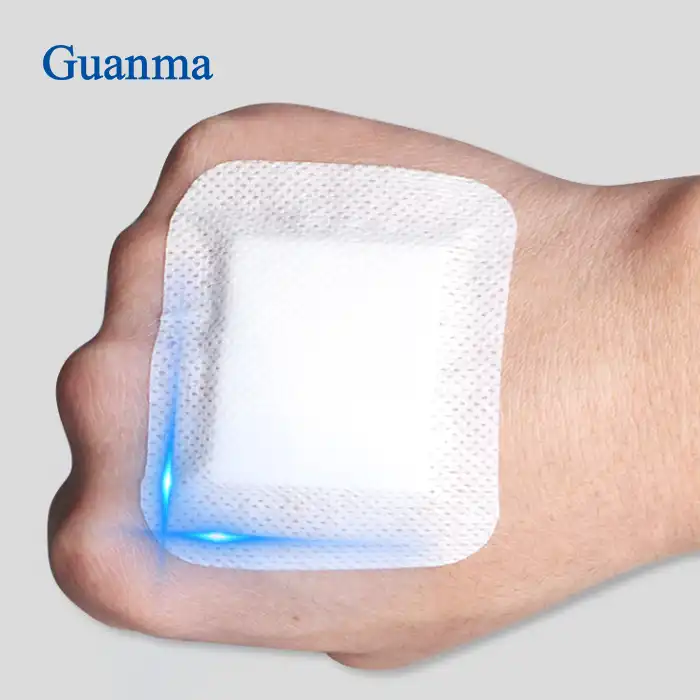
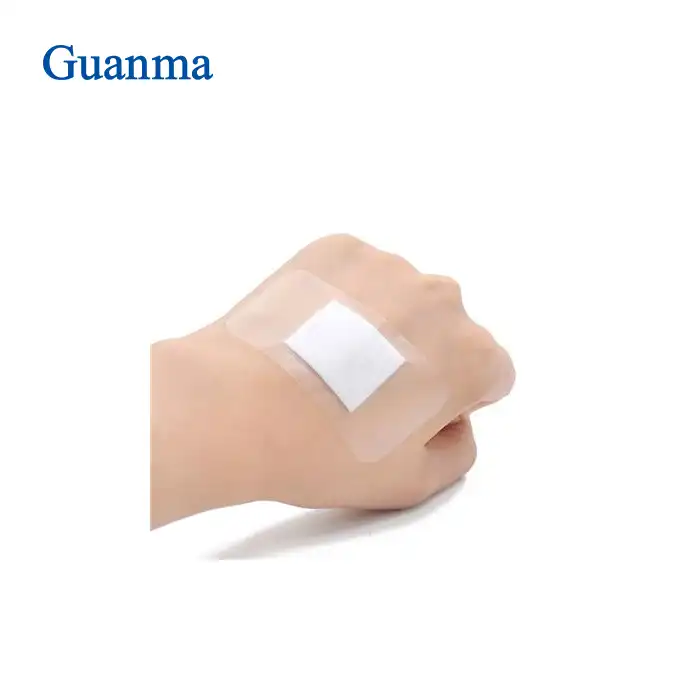
When applying medical paper tape, it's essential to use the proper technique to ensure secure adhesion without causing unnecessary tension on the skin. Start by measuring and cutting the appropriate length of tape, allowing for a slight overlap on each end of the dressing. Hold the tape at both ends and gently stretch it slightly before applying it to the skin. This helps to prevent wrinkles and ensures even adhesion. Begin by anchoring one end of the tape to the skin, then smooth it down along the length of the dressing, applying gentle pressure as you go. Avoid pulling the tape too tightly, as this can restrict movement and potentially cause skin damage. For larger dressings, consider using a crisscross pattern with multiple strips of tape to provide additional support and security.
Maintaining Tape Integrity
To ensure the longevity and effectiveness of medical paper tape, it's important to take proper care of the taped area. Keep the area clean and dry, avoiding excessive moisture or sweating that could compromise the tape's adhesion. When bathing or showering, cover the taped area with a waterproof dressing or plastic wrap to prevent water from seeping underneath. If the edges of the tape begin to lift, resist the urge to reapply or press them down, as this can introduce bacteria to the wound site. Instead, replace the entire piece of tape with a fresh strip. For longer-term use, consider using surgical adhesive tape, which offers enhanced durability and water resistance. Regularly inspect the taped area for signs of skin irritation, redness, or allergic reactions, and consult your healthcare provider if any issues arise.
Safe Removal of Medical Paper Tape
Timing and Preparation
Proper timing is crucial when removing medical paper tape to minimize discomfort and prevent skin damage. It's best to remove the tape when the skin is warm and pliable, such as after a shower or bath. If this isn't possible, you can apply a warm, damp compress to the taped area for a few minutes to soften the adhesive. Before beginning the removal process, gather all necessary supplies, including adhesive remover wipes or solution, clean gauze, and moisturizer. If you're using micropore surgical tape, which is designed for sensitive skin, you may not need an adhesive remover. However, for stronger surgical adhesive tape, using a medical-grade adhesive remover can significantly ease the removal process and reduce the risk of skin trauma.
Gentle Removal Techniques
When removing medical paper tape, it's essential to use gentle techniques to minimize skin damage and discomfort. Start by loosening one edge of the tape, preferably at a corner. Hold the loose edge with one hand while using your other hand to support the skin adjacent to the tape. Slowly peel the tape back, keeping it close and parallel to the skin surface. This "low and slow" approach helps reduce tension on the skin and minimizes the risk of tearing or irritation. If you encounter resistance or discomfort, stop and apply more adhesive remover or warm water to further soften the adhesive. For large areas of tape, consider removing it in sections rather than all at once. If you're dealing with surgical adhesive tape, which tends to have a stronger hold, take extra care and time during the removal process to avoid skin damage.
Post-Removal Skin Care
After successfully removing the medical paper tape, it's important to provide proper care for the skin to promote healing and prevent irritation. Gently clean the area with mild soap and water to remove any remaining adhesive residue. Pat the skin dry with a soft towel, being careful not to rub or irritate the area. Apply a gentle, fragrance-free moisturizer to help soothe the skin and restore its natural barrier. If you notice any redness, irritation, or signs of skin damage, consider applying a thin layer of over-the-counter hydrocortisone cream to reduce inflammation. For those with sensitive skin or a history of reactions to medical tape, using hypoallergenic micropore surgical tape in the future may help minimize irritation. Monitor the area for any signs of infection or prolonged irritation, and consult your healthcare provider if you have any concerns about the healing process.
Special Considerations for Different Skin Types
Sensitive and Fragile Skin
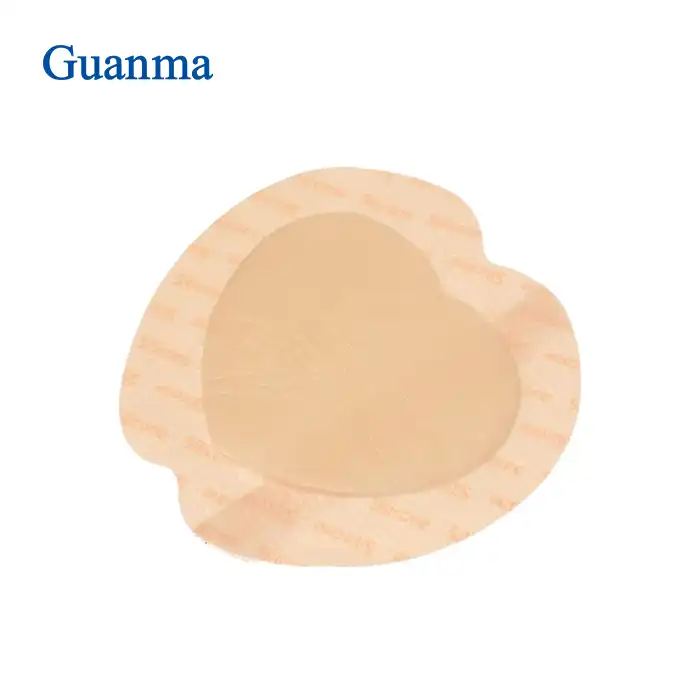
When dealing with sensitive or fragile skin, extra precautions are necessary when applying and removing medical paper tape. Opt for hypoallergenic options like micropore surgical tape, which is specifically designed for sensitive skin. Before application, consider using a skin barrier film to create a protective layer between the skin and the adhesive. When removing the tape, take extra care to go slowly and use plenty of adhesive remover or warm water to minimize trauma to the skin. If you notice any signs of irritation or allergic reaction, such as redness, itching, or swelling, discontinue use of the tape and consult your healthcare provider. For patients with extremely fragile skin, such as the elderly or those with certain medical conditions, consider using alternative methods of securing dressings, such as wrap bandages or specialized adhesive-free dressings.
Oily or Sweaty Skin
Applying medical paper tape to oily or sweaty skin can be challenging, as these conditions can compromise the tape's adhesion. To improve tape performance on oily skin, start by thoroughly cleansing the area with an oil-free cleanser and patting it dry. Apply a thin layer of alcohol-based skin prep solution to remove any remaining oils and create a better surface for adhesion. For sweaty skin, consider using a stronger adhesive option like surgical adhesive tape, which offers better moisture resistance. Additionally, applying an antiperspirant to the surrounding skin (avoiding the wound area) can help reduce sweating and improve tape adhesion. When removing tape from oily or sweaty skin, be prepared for it to come off more easily than on dry skin, but still use gentle techniques to avoid skin damage.
Hairy Skin
Applying and removing medical paper tape on hairy skin requires special attention to minimize discomfort and prevent hair pulling. If possible, trim the hair in the area where the tape will be applied using clean scissors or an electric trimmer. This step is particularly important when using stronger adhesives like surgical adhesive tape. When applying the tape, ensure that it's smoothed down in the direction of hair growth to reduce the likelihood of painful removal. For removal, take extra care to go slowly and use plenty of adhesive remover or warm water to soften the adhesive. Consider using a hair dryer on a low, warm setting to heat the tape before removal, as this can help loosen the adhesive and make the process less painful. If hair removal is necessary for long-term dressing applications, discuss options with your healthcare provider, such as professional hair removal or depilatory creams that are safe for use near wound sites.
Conclusion
Proper application and removal of medical paper tape are crucial aspects of post-surgical care and wound management. By following the guidelines outlined in this blog, patients and caregivers can ensure optimal healing while minimizing discomfort and the risk of skin damage. Remember to always prepare the skin properly, apply tape with care, and use gentle removal techniques. For those with special skin considerations, such as sensitivity or excessive oiliness, adapting your approach can make a significant difference in the effectiveness of the tape and the comfort of the patient. If you have any concerns or questions about using medical paper tape, don't hesitate to consult with your healthcare provider or reach out to a reputable medical tape manufacturer like Guanma Medical. For more information or to discuss custom medical tape solutions, please contact us at betty@guanmamedical.com.
FAQ
Q: How long can I keep medical paper tape on my skin?
A: The duration depends on the specific tape and your skin condition, but generally, it's recommended to change the tape every 3-7 days or as advised by your healthcare provider.
Q: Can I shower with medical paper tape on?
A: While some tapes are water-resistant, it's best to cover the taped area with a waterproof dressing or plastic wrap when showering to maintain its integrity.
Q: What should I do if I experience skin irritation from medical tape?
A: Remove the tape, gently clean the area, and apply a soothing moisturizer. If irritation persists, consult your healthcare provider and consider switching to a hypoallergenic tape.
Q: Is it normal for medical tape to leave residue on my skin?
A: Some residue is normal, especially with stronger adhesives. Use an adhesive remover or warm, soapy water to gently clean the area after tape removal.
Q: Can I reuse medical paper tape?
A: No, medical paper tape should never be reused as it can harbor bacteria and lose its adhesive properties, potentially leading to infection or inadequate wound protection.
References
1. Smith, J. (2019). "Post-Surgical Wound Care: Best Practices for Tape Application and Removal." Journal of Wound Care, 28(5), 245-252.
2. Johnson, A., & Brown, L. (2020). "Comparison of Different Medical Tape Types for Sensitive Skin." Dermatology Nursing, 32(3), 118-125.
3. Garcia, M. et al. (2018). "Preventing Skin Damage from Medical Adhesives: A Systematic Review." International Journal of Nursing Studies, 82, 229-238.
4. Thompson, R. (2021). "Innovations in Medical Tape Technology: Improving Patient Comfort and Wound Healing." Medical Devices & Sensors, 4(2), e10052.
5. Lee, S., & Park, H. (2017). "Optimal Techniques for Applying and Removing Surgical Tape: A Randomized Controlled Trial." Journal of Advanced Nursing, 73(11), 2662-2672.
6. Wilson, K. et al. (2022). "Patient Education for Proper Medical Tape Use: Impact on Wound Healing Outcomes." Patient Education and Counseling, 105(4), 878-885.