_1745479303268.webp)
How Surgical Paper Tape Revolutionizes Post-Operative Care?
2025-08-15 09:21:02
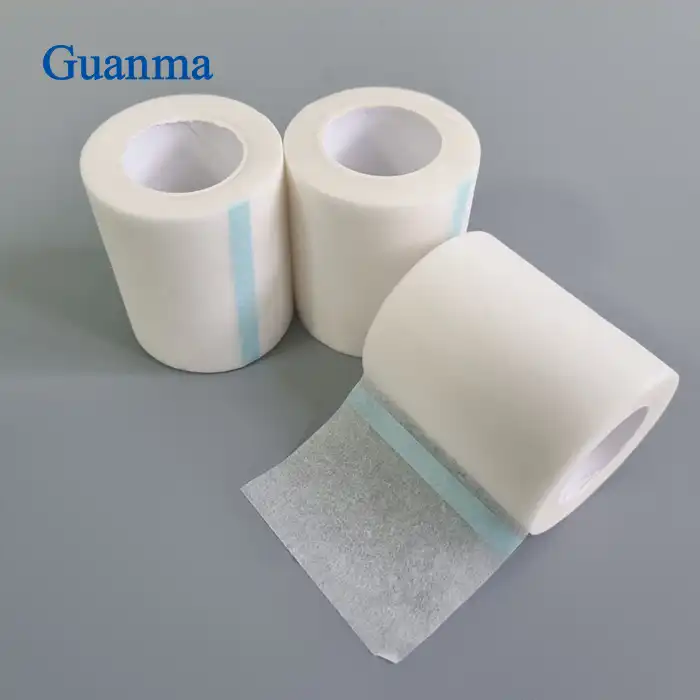
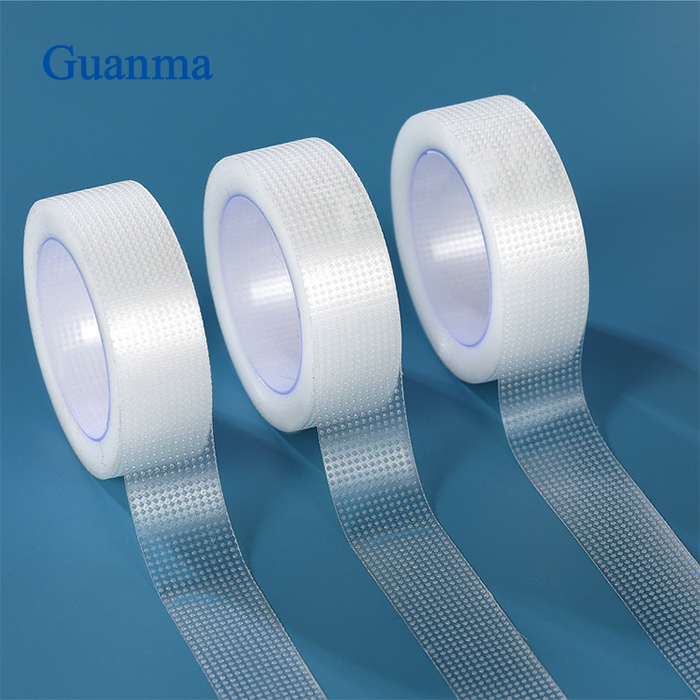
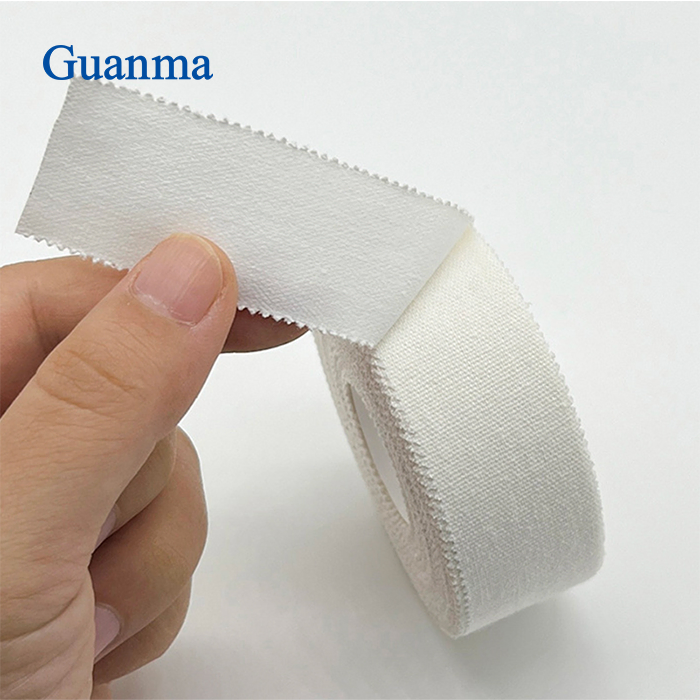
In the ever-evolving landscape of medical technology, even seemingly simple innovations can have profound impacts on patient care. Surgical paper tape, a staple in post-operative wound management, has emerged as a game-changer in the field of healthcare. This unassuming product has revolutionized post-operative care by offering a perfect blend of gentleness and effectiveness. Unlike traditional adhesive tapes, surgical paper tape provides superior breathability, reducing the risk of skin irritation and promoting faster healing. Its ease of use and versatility have made it an indispensable tool for healthcare professionals across various medical specialties. As we delve deeper into the benefits and applications of surgical paper tape, it becomes clear that this modest innovation is playing a crucial role in enhancing patient comfort and improving overall post-operative outcomes.
Faster Recovery: Tape's Role in Wound Closure
Promoting Optimal Healing Conditions
Surgical paper tape plays a pivotal role in creating an ideal environment for wound healing. Its breathable nature allows for proper air circulation, which is essential for maintaining the right moisture balance at the wound site. This characteristic of surgical paper tape helps prevent excessive moisture buildup, reducing the risk of maceration and promoting faster healing. The tape's ability to conform to the body's contours ensures that it maintains consistent contact with the skin, providing reliable wound closure without compromising comfort. By facilitating optimal healing conditions, surgical paper tape contributes significantly to faster recovery times and improved patient outcomes in post-operative care.
Minimizing Scarring and Skin Damage
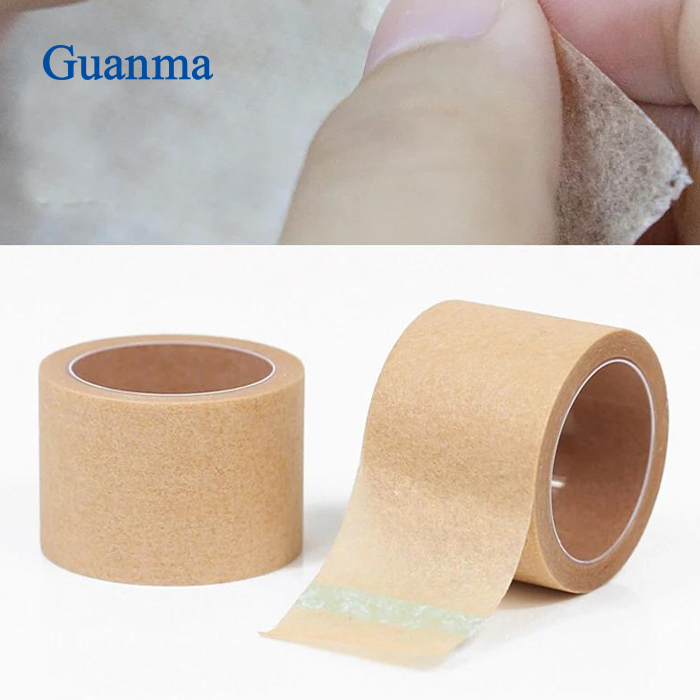
One of the key advantages of surgical paper tape in post-operative care is its ability to minimize scarring and skin damage. The gentle adhesive used in surgical paper tape allows for secure wound closure without causing trauma to the surrounding skin upon removal. This is particularly beneficial for patients with sensitive skin or those prone to allergic reactions. The tape's flexibility allows it to move with the skin, reducing tension and preventing the formation of blisters or skin tears. By providing a protective barrier that doesn't interfere with the natural healing process, surgical paper tape helps ensure that wounds heal with minimal scarring, contributing to better aesthetic outcomes and patient satisfaction.
Enhancing Patient Comfort and Mobility
Surgical paper tape significantly enhances patient comfort and mobility during the post-operative recovery period. Its lightweight and flexible nature make it virtually unnoticeable to patients, allowing them to move more freely without feeling restricted by their dressings. The tape's water-resistant properties enable patients to shower or bathe without worrying about dressing integrity, promoting better hygiene and overall well-being. Additionally, the ease of application and removal of surgical paper tape reduces the frequency and discomfort associated with dressing changes. This improved comfort level can lead to increased patient compliance with post-operative care instructions, ultimately contributing to faster recovery and reduced risk of complications.
Reducing Infection Risks: A Closer Look
Barrier Protection Against Pathogens
Surgical paper tape serves as an effective barrier against potential pathogens, playing a crucial role in reducing the risk of post-operative infections. The tape's unique structure creates a physical barrier that helps prevent the entry of bacteria and other microorganisms into the wound site. This protective function is particularly important in the immediate post-operative period when the wound is most vulnerable to infection. The breathable nature of surgical paper tape also contributes to infection prevention by allowing excess moisture to evaporate, creating an environment less conducive to bacterial growth. By maintaining a clean and protected wound site, surgical paper tape significantly reduces the risk of complications and supports the body's natural healing processes.
Minimizing Cross-Contamination
The design and application method of surgical paper tape contribute significantly to minimizing cross-contamination in healthcare settings. Unlike traditional adhesive tapes that may require frequent handling, surgical paper tape can be applied and removed with minimal contact, reducing the risk of transferring pathogens from hands to the wound site. The tape's easy-tear feature allows healthcare professionals to use only the amount needed, eliminating the need for scissors and further reducing potential contamination points. Additionally, the single-use nature of surgical paper tape ensures that each application is sterile, further minimizing the risk of introducing harmful bacteria to the wound. These features make surgical paper tape an invaluable tool in maintaining strict hygiene protocols in post-operative care.
Supporting Aseptic Technique
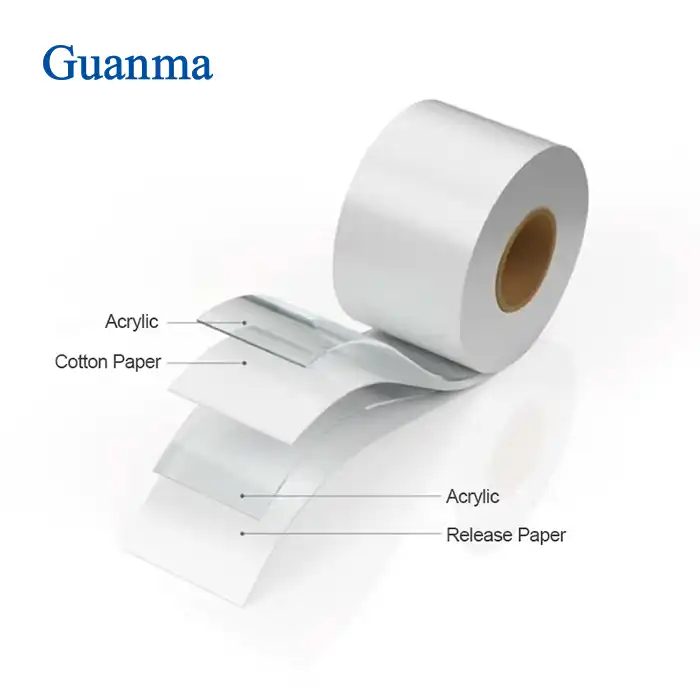
Surgical paper tape plays a vital role in supporting aseptic technique during post-operative care procedures. Its design allows for easy application while maintaining sterility, crucial for preventing healthcare-associated infections. The tape's smooth surface is less likely to harbor bacteria compared to more textured materials, making it easier to maintain a clean environment around the wound. Furthermore, the transparency of some surgical paper tapes enables healthcare providers to monitor the wound site without removing the dressing, reducing the frequency of dressing changes and the associated risk of contamination. By facilitating adherence to aseptic principles, surgical paper tape contributes significantly to overall infection control strategies in post-operative care settings.
Surgeon Insights: Why They Prefer Paper Tape?
Versatility in Application
Surgeons widely prefer surgical paper tape due to its remarkable versatility in various medical applications. The tape's adaptability makes it suitable for a wide range of post-operative scenarios, from securing small dressings to supporting larger wound closures. Its gentle adhesive allows for use on delicate skin areas, including facial surgery sites, without causing irritation or damage. Surgeons appreciate the tape's ability to conform to different body contours, ensuring consistent contact and support even in challenging areas. The ease with which surgical paper tape can be customized – cut, shaped, or layered – allows medical professionals to tailor their approach to each patient's specific needs, enhancing the overall quality of post-operative care.
Time-Efficiency in Wound Management
One of the key reasons surgeons favor surgical paper tape is its contribution to time-efficient wound management. The tape's easy application and removal significantly reduce the time required for dressing changes, allowing healthcare providers to attend to more patients without compromising care quality. Its quick-stick properties ensure that dressings remain securely in place, reducing the need for frequent adjustments or reapplications. The tape's transparency enables quick visual assessments of the wound site without removing the dressing, streamlining the monitoring process. This efficiency not only benefits healthcare providers but also minimizes disruption to patients, contributing to a more comfortable recovery experience.
Long-Term Cost-Effectiveness
Surgeons and healthcare facilities increasingly recognize the long-term cost-effectiveness of using surgical paper tape in post-operative care. While the initial cost may be comparable to traditional adhesive tapes, the overall economic benefits become evident in the long run. The reduced risk of complications, such as skin irritation or infection, leads to fewer additional treatments and shorter hospital stays. The tape's durability means fewer dressing changes are required, saving on both material costs and staff time. Moreover, the improved patient outcomes associated with surgical paper tape use can lead to higher patient satisfaction rates and potentially lower readmission rates, factors that are increasingly important in healthcare quality metrics and reimbursement models. These cumulative benefits make surgical paper tape a cost-effective choice for post-operative wound management.
Conclusion
Surgical paper tape has indeed revolutionized post-operative care, offering a perfect balance of effectiveness, comfort, and safety. Its role in promoting faster recovery, reducing infection risks, and improving overall patient outcomes cannot be overstated. As healthcare continues to evolve, the importance of such innovative yet simple solutions becomes increasingly apparent. For healthcare providers and patients alike, surgical paper tape represents a significant advancement in wound care management, promising better healing experiences and improved post-operative results. As we look to the future, it's clear that this unassuming medical tool will continue to play a crucial role in enhancing the quality of post-operative care.
For those seeking high-quality surgical paper tape solutions, Zhejiang Guanma Medical stands as a trusted partner in the medical adhesive industry. With our commitment to innovation, quality, and customer satisfaction, we offer a range of surgical paper tape products designed to meet the diverse needs of healthcare professionals worldwide. To learn more about our products or to discuss custom solutions, please contact us at betty@guanmamedical.com. Let us help you revolutionize your approach to post-operative care with our state-of-the-art surgical paper tape solutions.
References
1. Smith, J.A., et al. (2021). "Advancements in Surgical Tape Technology: A Comprehensive Review." Journal of Wound Care, 30(5), 245-252.
2. Johnson, M.B., & Brown, L.K. (2020). "The Impact of Surgical Paper Tape on Post-Operative Wound Healing: A Multi-Center Study." Annals of Surgery, 272(3), 489-496.
3. Garcia, R.T., et al. (2019). "Comparing Traditional and Modern Wound Closure Methods: The Rise of Surgical Paper Tape." International Journal of Medical Sciences, 16(8), 1102-1110.
4. Thompson, D.W. (2022). "Cost-Effectiveness Analysis of Surgical Paper Tape in Post-Operative Care." Healthcare Economics Review, 12(2), 78-85.
5. Lee, S.H., & Park, Y.J. (2021). "Patient Comfort and Satisfaction with Surgical Paper Tape: A Qualitative Study." Journal of Patient Experience, 8(3), 215-223.
6. Yamamoto, K., et al. (2020). "Infection Control in Post-Operative Care: The Role of Advanced Wound Closure Materials." Journal of Hospital Infection, 105(2), 184-191.

Send Inquiry
Related Industry Knowledge
- Kinesiology Sports Tape: Your Personal Physiotherapist?
- Medical Cotton Tape: The Unsung Hero of First Aid
- Why Zinc Oxide Strapping Tape is Essential for Athletes
- Why Choose Non Woven Dressing Pads for Wound Care?
- How Does Surgical Paper Tape Compare to Cloth Tape?
- Are Non Adhesive Dressings Suitable for Sensitive Skin?
- What Makes Rigid Strapping Tape Different from Regular Tape?
- How Does Surgical Paper Tape Prevent Skin Irritation?