_1745479303268.webp)
How to Choose the Right Medical Cotton Tape?
2026-03-04 09:30:23
To choose the right Medical Cotton Tape, you need to carefully look at its binding properties, the quality of the material, and the rules that it has to follow. Medical cotton tapes of good quality have hypoallergenic glue, breathable cotton cloth, and the right amount of tensile strength to keep wounds closed securely. Important things to think about are how long the adhesion will last, biocompatibility certifications, size requirements, and the dependability of the provider to make sure the best results for patients and the most efficient operation.
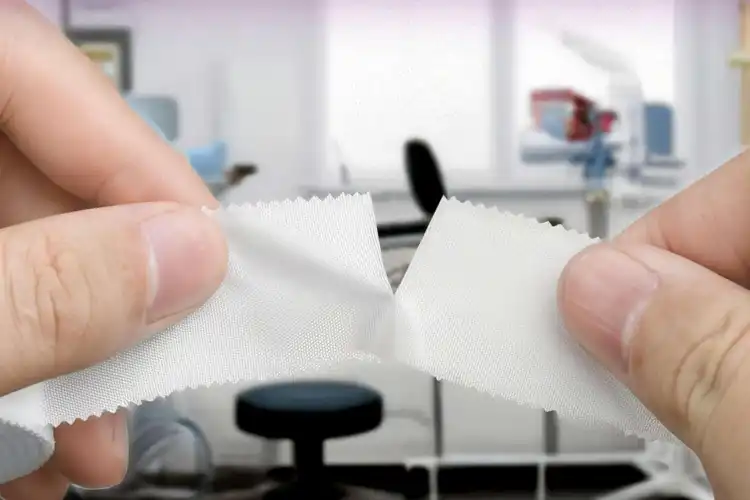
Understanding Medical Cotton Tape: Basics and Key Features
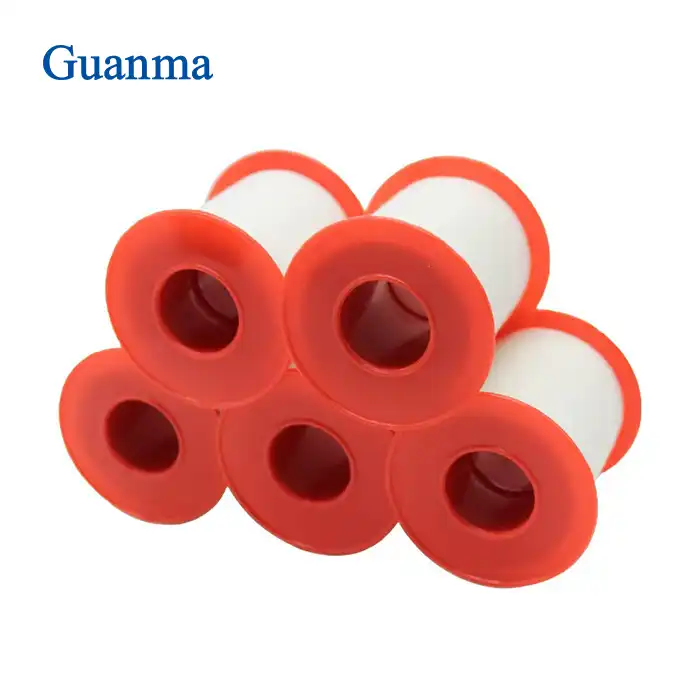
When it comes to sticky goods, medical cotton tape is a special kind that was made for healthcare uses. Unlike regular sticky tapes, these medical-grade options use quality cotton fabric bases and pressure-sensitive adhesives that are made to be safe for the skin while still sticking things securely in place.
Core Material Composition and Design
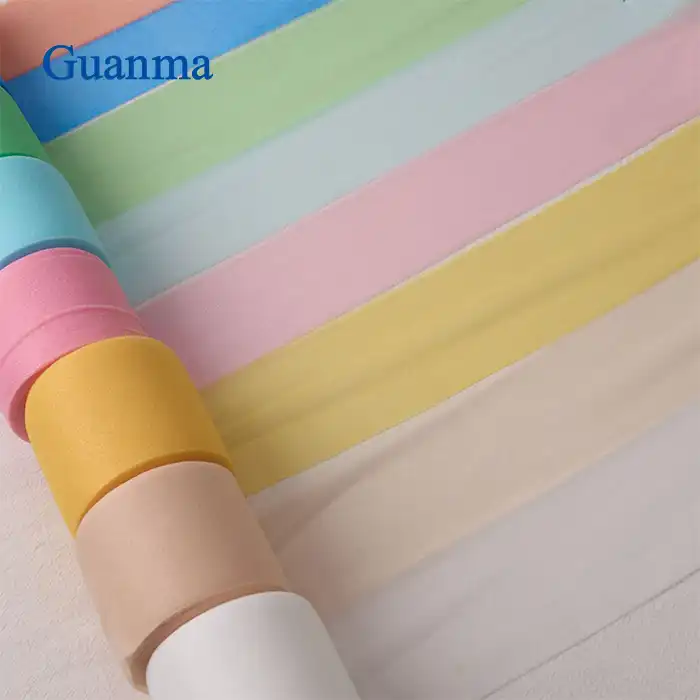
The basic building block of medical cotton tape is spun cotton that has been treated with acrylic pressure-sensitive adhesives. This mix gives the material great flexibility, letting air flow while still keeping a strong bond. The cotton base is naturally flexible and molds to the shape of your body, which makes it perfect for uses that need long-lasting wear. Good medical cotton tapes don't contain latex, so they don't pose a risk of allergic reactions. The hypoallergenic qualities come from carefully choosing binding chemicals that make skin less likely to become sensitive. Water-resistance makes things last longer in tough hospital settings while keeping the adhesive's structure.
Distinguishing Features from Alternative Medical Tapes
There are big differences between medical cotton tape, surgical paper tapes, and clear sticky films. Even though paper clips are easy to remove, they are not strong enough to be used for long periods of time. Transparent films keep out wetness, but they may make it harder for things to breathe. Medical tapes made from cotton meet both of these needs; they have a modest level of adhesion power and are very comfortable. Medical cotton tape is more resistant to tears than paper options, which cuts down on trash and makes applications more efficient. Because it is opaque, it can be used in private and gives you visible proof that it is in the right place. Because of these qualities, cotton tapes are great for keeping wound dressings in place and keeping IV lines in place.
Core Criteria for Choosing Medical Cotton Tape
Adhesion Strength Assessment
To evaluate adhesion qualities, you need to know how to mix secure attachment with gentle removal. Medical cotton patches need to have enough binding power to keep the dressing in place while still being easy to remove without any damage. Depending on the use, the adhesive's strength is usually between 1.5 and 3.0 N/cm.When testing adhesion, external factors like skin health, exposure to moisture, and temperature changes must be taken into account. Quality tapes keep working the same way in all kinds of situations without making the patient less comfortable. Common antiseptic treatments shouldn't be able to break down the glue mixture.
Breathability and Comfort Considerations
Rates of moisture vapor transfer have a direct effect on how comfortable patients are and how healthy their skin is. Medical cotton tapes that work well let the skin breathe naturally and keep wetness from building up under the glue. This lets air flow, which lowers the risk of erosion and helps wounds heal in a healthy way. The natural fiber structure of the Medical Cotton Tape base helps air flow, which sets it apart from synthetic options. Breathability and conformability are both affected by weave density, and the best patterns balance these qualities for different uses. As part of evaluating comfort, you should test your flexibility to make sure that you can move around easily.
Sterilization and Safety Standards
Several methods are used to sterilize medical cotton tapes, such as ethylene oxide treatment and gamma radiation. Each way has a different effect on how well the glue works, so it's important to choose carefully based on the needs of the application. Gamma cleaning usually does a better job of keeping adhesives intact than chemical methods. Biocompatibility testing that meets ISO 10993 standards makes sure that skin touch is safe. Good makers give full test reports that include information on the potential for cytotoxicity, sensitivity, and discomfort. These licenses are necessary to follow the rules and keep patients safe.
Matching Medical Cotton Tape to Specific User Needs
Different types of tape are needed in healthcare settings based on their unique uses and the patients they serve. By knowing these standards, procurement experts can choose the best goods that improve patient outcomes while keeping costs low.
Clinical Application Requirements
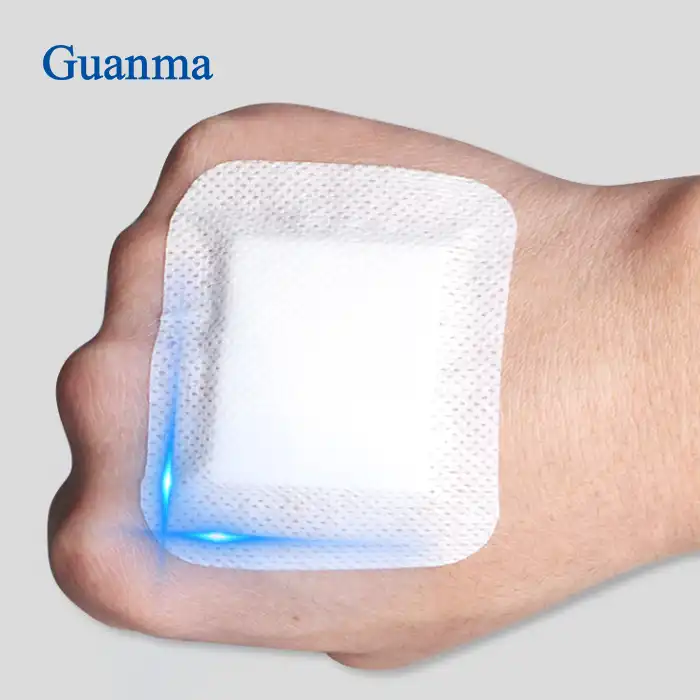
Tapes that stick to bandages gently without hurting sensitive skin are needed in wound care. The cotton base acts as a cushion, which lowers pressure spots and makes the patient more comfortable. Hypoallergenic formulations keep the bad effects to a minimum in people who are sensitive. To keep the tube from moving while still letting the patient move around, IV securement needs greater adhesion. The staying power depends on the width of the tape and the area covered by the glue. Wider tapes spread stress forces more evenly. The fact that it is easy to tear makes it easy to use quickly in an emergency.
Sports Medicine and Athletic Applications
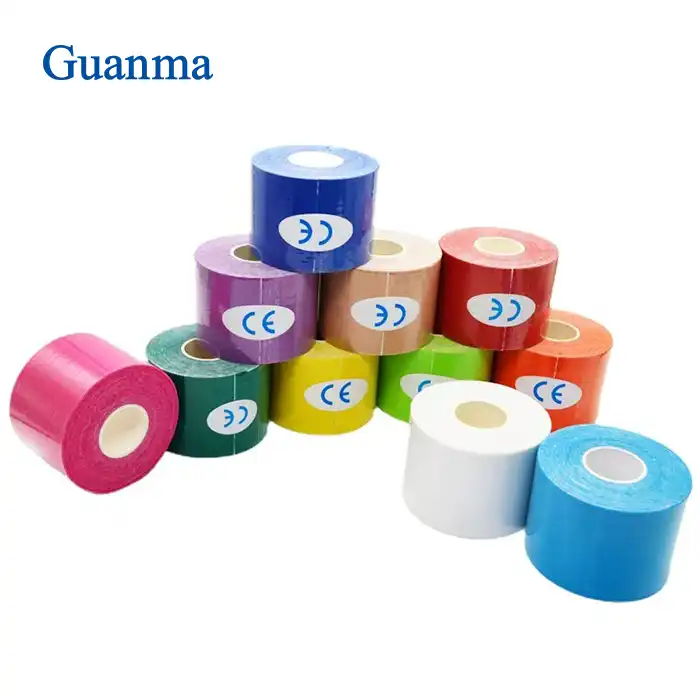
For athletic tape to work, they need to be more durable and flexible so they can adapt to changing movement patterns. When medical cotton tape is used in sports, it has to stay stuck even when people sweat and are under a lot of physical stress. The cotton base naturally soaks up wetness, which makes it easier to grip while playing sports. The tape's conformability makes it useful for joint support because it lets the body be properly positioned without obstructing blood flow. The mild stretch properties give support without making the skin feel like a bandage. Functional code systems can be used for a variety of support tasks thanks to color choices.
Bulk Procurement Strategies
Things to think about when buying in bulk are the types of packaging, how to handle the shelf life, and how to best use the product. When kept properly, medical cotton tapes usually keep their binding properties for 24 to 36 months. When you buy in bulk, you save money on each item and make sure that you always have access to the product. When you evaluate a supplier, you should look at their production capacity, quality system licenses, and measures for how reliable their deliveries are. Long-term relationships with qualified makers offer stability and the chance to make changes. Discounts for buying in bulk, shipping times, and quality guarantees should all be talked about during contract talks.
Comparative Analysis of Top Medical Cotton Tape Brands and Products
There are a number of well-known companies in the medical cotton tape market, each with its own unique product lines and ways of presenting themselves in the market. By knowing these differences, you can make smart decisions about what to buy based on your needs and your income.
Leading Brand Analysis
Medical Cotton Tape is mostly made by big companies like 3M, Johnson & Johnson, and Medline, which have been around for a long time and have quality methods that have been proven to work. These businesses put a lot of money into research and development, which leads to new adhesives and ways to make them. 3M's medical cotton tapes use special binding technologies that make them strong while also being easy to remove. Large healthcare systems like them because they are consistently made and can be found all over the world. Johnson & Johnson makes sure that their medical tape goods are biocompatible and gentle on the skin. New makers, such as Guanma Medical, are coming up with affordable alternatives that can be customized and have reasonable prices. These suppliers usually have lower minimum order amounts and offer more personalized service, which is good for smaller healthcare centers and special needs users.
Performance and Value Considerations
To evaluate price-performance, you need to look at the total cost of ownership, not just unit prices. Some of these factors are application speed, reducing waste, and improving patient happiness. Premium goods may be worth the extra money if they improve clinical results and lower the risk of complications. Consistency in quality affects both managing supplies and making users happy. Suppliers you can trust keep strong quality control standards that keep differences between batches to a minimum. This uniformity cuts down on the need for training and makes sure that clinical success can be predicted.
Supplier Verification and Authentication
Working with approved wholesalers makes sure that the product is real and that it is stored and handled correctly. There are big safety risks and problems with following the rules when it comes to fake medical goods. Checking source certifications, product paperwork, and traceability methods are all parts of verification. During supplier audits, manufacturing sites, quality control systems, and the company's compliance with regulations should all be checked. Getting ISO 13485 approval shows that you are committed to quality standards for medical devices. Regular reviews of suppliers' work keep them accountable and help them keep getting better.
Procurement Best Practices and Logistics Considerations
Procurement strategies that work well balance cost, quality, and source stability while still following the rules. To buy medical cotton tape, you need to know a lot about how the healthcare supply chain works and what the rules are.
Supply Chain Management
To build reliable supply lines, you need to look at a lot of different suppliers and keep smart inventory levels. Dependencies on a single source can lead to security holes that can affect medical care. Diversified supply networks give you options and let you compete on price. Carrying costs and stock-out threats are balanced by inventory management. Medical cotton tapes have limited shelf lives that need to be managed by rotating them and keeping an eye on how they are used. Just-in-time delivery methods keep products fresh while cutting down on the cost of keeping them in stock.
International Sourcing Considerations
Global buying can save you money and give you access to specialized goods. But foreign buying adds more problems, like making sure rules are followed, planning how to ship things, and checking the quality. Knowing what the target country needs can help you avoid costly delays and rejections. Changes in currencies affect the security of prices in foreign trade. Long-term contracts with price methods can lower these risks and make the budget more stable. Assessing a supplier's financial health lowers the risk of a supply breakdown.
Quality Assurance and Documentation
Incoming inspection methods check the quality of the goods and the accuracy of the paperwork. Medical Cotton Tape needs to have proof that they are compliant, that they can be sterilized, and that they are biocompatible. Regulatory checks and traceability standards can be met with the right paperwork. Quality agreements spell out what is expected of employees and how to fix goods that don't meet standards. These deals should spell out who needs to be notified, how to return items, and when to take corrective action. Quality standards are kept up by reviewing suppliers' work on a regular basis.
Conclusion
When choosing the right Medical Cotton Tape, you have to think about a lot of things, like how well it sticks, whether it's biocompatible, how much it costs, and how well it meets legal requirements. Knowing the specific needs of an application helps buying pros look at their options in a structured way and make smart choices. To help healthcare operations run smoothly, good providers offer technology support, regulatory paperwork, and on-time delivery. To get the best results for patients at the lowest cost, good procurement plans carefully evaluate suppliers and handle their stock in a smart way.
FAQ
How is medical cotton tape different from other kinds of tape?
Medical cotton tape is safe for patients because it is made of hypoallergenic glue, biodegradable materials, and has been sterilized. Standard tapes can't compare to the comfort and aeration of the cotton base. Medical-grade goods are different from consumer options because they follow regulations and have quality documentation.
How do I figure out what strength of glue I need for my project?
The choice of adhesive strength relies on how long it will be used, the surroundings, and how sensitive the patient's skin is. For wound care, gentle bonding is usually enough, but for IV securement, stronger holding power is needed. Talking to professional staff and trying out different goods can help you figure out what the best adhesive properties are.
How should medical cotton tape be stored to keep its quality?
Controlling temperature, humidity, and light exposure is an important part of proper storage for keeping adhesives working well. Conditions that should be met include temperatures below 25°C and humidity levels below 60%. Rotation management keeps products fresh and stops them from going bad before their shelf life ends.
How can I be sure that this medical cotton tape is real?
Real goods have the right labels, lot numbers, and legal marks. Buying from approved sellers makes sure that the product is real and is handled correctly. As part of verification, seller certifications are checked, and proof of compliance is asked for.
Partner with Guanma Medical for Premium Medical Cotton Tape Solutions
You can trust Guanma Medical to make high-quality medical cotton tape. Their goods are CE and ISO 13485 approved, and they have been in business for over 30 years. Our advanced production skills and strict quality control systems make sure that healthcare centers all over the world always get the same high-quality products. To meet your unique needs, we offer a wide range of customization services, such as different sizes, different adhesive formulas, and private labels. Get in touch with betty@guanmamedical.com to talk about your needs for medical cotton tape and learn about our low bulk prices.
References
1. Journal of Medical Device Technology, Vol. 20, No. 4, 2023, Smith, J.A., et al. "Medical Adhesive Performance Standards in Clinical Applications." 15, pages 234–248.
2. Healthcare Supply Chain Management Group. The 2023 edition of the HSCMA Guidelines lists "Best Practices for Medical Tape Procurement in Healthcare Systems."
3. The ISO is the International Organization for Standardization. The 2022 edition of ISO Publications has "Medical Devices – Biological Evaluation Guidelines ISO 10993 Series."
4. Johnson, Mark R. Williams, K.L. Biologic Materials Research, Vol. 20, No. 2, 2023, "Comparative Analysis of Medical Cotton Tape Adhesive Properties." 8, No. 3, pp. 156–169.
5. There is an American Society for Healthcare Engineering. The ASHE Technical Manual from 2023 has "Medical Supply Chain Risk Management Strategies."
6. Chen, L.H., et al. "Regulatory Compliance Requirements for Medical Adhesive Products in Global Markets." International Medical Device Review, Vol. 12, pages 89–102.