_1745479303268.webp)
How to Choose the Right Non Woven Dressing?
2025-09-25 08:52:18
Selecting the appropriate non woven dressing is crucial for effective wound care and optimal healing. Non woven dressings have gained popularity in recent years due to their superior performance compared to traditional woven gauze. These advanced dressings offer improved absorbency, softness, and compatibility with various wound types. When choosing a non woven dressing, it's essential to consider factors such as the wound's characteristics, healing stage, and the patient's specific needs. This comprehensive guide will explore the key differences between non woven dressings and traditional gauze, discuss important factors to consider, and provide insights on matching dressings to different wound types and healing stages. By understanding these aspects, healthcare professionals and patients can make informed decisions to ensure the best possible wound care outcomes.
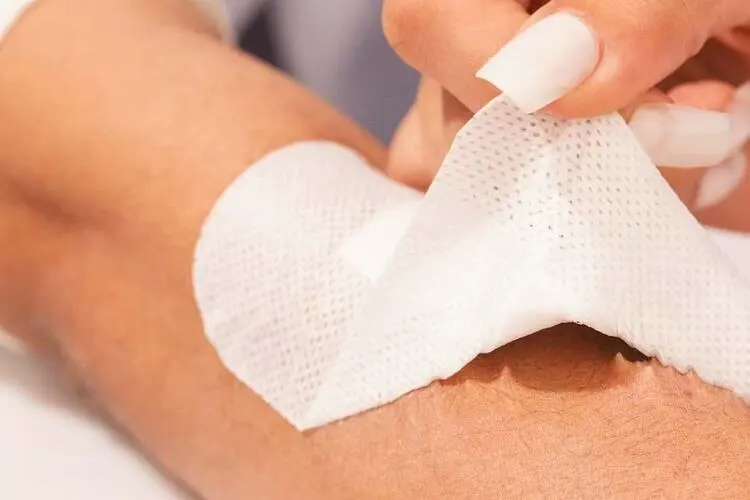
Key Differences Between Non Woven Dressing and Traditional Woven Gauze
Absorbency and Fluid Management
Non woven dressings excel in absorbency and fluid management compared to traditional woven gauze. These advanced dressings are engineered with specialized fibers and structures that can absorb and retain significantly more wound exudate. Wounds heal best when kept wet, and non-woven dressings' increased absorbency makes this possible. The improved technology used in non-woven dressings, such as hydrocolloid materials or superabsorbent polymers, further enhances their capacity to handle fluids. The increased health of the wound bed, less likelihood of maceration, and less frequent dressing changes are all benefits of this dressing's exceptional absorbency. When selecting a non woven adhesive dressing, consider the wound's exudate level to ensure proper moisture management throughout the healing process.
Conformability and Comfort
Non woven dressings offer superior conformability and comfort compared to traditional woven gauze. The flexible nature of non woven materials allows them to adapt to the contours of the body, providing better coverage and reducing the risk of pressure points or friction. Because of its improved flexibility, the dressing can be easily adjusted to stay in close proximity to the wound, creating an ideal environment for healing. In addition to being more comfortable for the patient, non-woven dressings are usually softer and more malleable than woven gauze. Since non-woven dressings aren't as thick, they're easier to apply and remove, reducing stress on the wound and its surrounding skin. When choosing a wound care dressing, consider the location and shape of the wound to select a non woven option that offers the best conformability and comfort for the patient.
Bacterial Barrier Properties
Non woven dressings provide superior bacterial barrier properties compared to traditional woven gauze. There is less chance of wound infection because to the dense structure of non-woven fabrics, which acts as a better barrier against outside contaminants. The antimicrobial treatment of many non-woven dressings significantly increases their efficacy in preventing bacterial colonization. Wounds in difficult conditions or those with a high risk of infection can greatly benefit from this enhanced barrier function. Additionally, non woven dressings often incorporate advanced technologies such as silver ions or other antimicrobial compounds, providing active protection against a broad spectrum of pathogens. When selecting a non woven adhesive dressing, consider the wound's infection risk and choose a product with appropriate bacterial barrier properties to ensure optimal wound protection and healing.
Factors to Consider: Absorbency, Softness, and Skin Sensitivity
Absorbency Levels and Exudate Management
When choosing a non woven dressing, it's crucial to consider the absorbency levels and exudate management capabilities. Choosing a dressing with the right absorbency is crucial for creating the ideal environment for wound healing, as different wounds create different quantities of exudate. Wound dressings that incorporate superabsorbent polymers or have multi-layered structures are ideal for highly exudative wounds because of their enhanced fluid handling properties. For wounds with moderate exudate, a standard non woven dressing may suffice. Moisture-donating dressings can help prevent dehydration in wounds that do not exude much fluid or are otherwise dry. Think about how much fluid is leaking out of the wound and pick a non-woven adhesive dressing that can handle it well while keeping the right amount of moisture in. Maceration, infection, and suboptimal healing conditions can all be avoided with careful exudate control.
Softness and Gentle Adhesion
The softness of a non woven dressing and its gentle adhesion properties are crucial factors to consider, especially for patients with sensitive skin or fragile wound areas. Soft, flexible dressings minimize friction and reduce the risk of further tissue damage during application and removal. Look for non woven dressings made from materials known for their softness, such as spunlaced fabrics or microfiber blends. Additionally, consider the adhesive properties of the dressing. A wound care dressing with gentle, skin-friendly adhesives helps minimize trauma and discomfort during dressing changes. Some non woven dressings feature silicone-based adhesives, which offer secure attachment while being gentle on the skin and allowing for atraumatic removal. When selecting a non woven adhesive dressing, prioritize options that combine softness with appropriate adhesion to ensure patient comfort and protect delicate wound areas.
Skin Sensitivity and Allergen Considerations
Skin sensitivity and potential allergen reactions are important factors to consider when choosing a non woven dressing. Patients with sensitive skin or a history of allergic reactions require extra care in dressing selection. Look for hypoallergenic non woven dressings that are free from common irritants such as latex, formaldehyde, or certain adhesives. Wound treatment products can contain substances to which some individuals are allergic. You should think about the patient's allergies and medical history while choosing a dressing for keeping wounds clean. Soft adhesives and materials used in many brands of non-woven adhesive dressings make them ideal for people with delicate skin, who are more likely to experience allergic reactions or irritations. When treating a wound, it is essential to keep an eye out for any irritation or negative reactions on the surrounding skin. Healthcare providers may make sure that the non-woven dressing they use improves healing while reducing complications by considering skin sensitivity and allergen issues.
Matching Non Woven Dressings to Various Wound Types and Healing Stages
Acute Wounds vs. Chronic Wounds
Choosing the right non woven dressing for acute and chronic wounds requires careful consideration of their unique characteristics and healing processes. Acute wounds, such as surgical incisions or traumatic injuries, typically progress through the normal stages of wound healing relatively quickly. For these wounds, non woven adhesive dressings that provide protection, maintain a moist environment, and allow for easy monitoring are often suitable. In contrast, chronic wounds, such as pressure ulcers or diabetic foot ulcers, may require more specialized care due to their prolonged healing time and complex nature. When selecting a wound care dressing for chronic wounds, consider options with advanced features such as antimicrobial properties, exudate management capabilities, and the ability to promote granulation tissue formation. Non woven dressings designed for chronic wounds often incorporate technologies like silver ions, growth factors, or collagen to address specific healing challenges.
Dressing Selection for Different Wound Phases
Matching non woven dressings to different wound healing phases is crucial for optimal outcomes. During the inflammatory phase, focus on dressings that can manage exudate effectively and provide a barrier against contaminants. Non woven adhesive dressings with high absorbency and antimicrobial properties are often suitable for this stage. As the wound progresses to the proliferative phase, prioritize dressings that promote a moist environment and support granulation tissue formation. Consider non woven dressings with moisture-retentive properties or those incorporating growth factors. In the remodeling phase, the focus shifts to protecting the newly formed tissue and supporting scar minimization. Look for wound care dressings that offer gentle adhesion and can adapt to the changing wound surface. Some non woven dressings are designed to transition with the wound through different healing stages, offering versatility in long-term wound management.
Special Considerations for Challenging Wound Locations
Selecting appropriate non woven dressings for challenging wound locations requires careful consideration of factors such as movement, moisture, and anatomical constraints. For wounds in high-mobility areas like joints or flexure points, choose dressings with excellent conformability and strong adhesion to prevent dislodgement. Non woven adhesive dressings with elastic properties or those designed specifically for these areas can be beneficial. Wounds in moisture-prone regions, such as the perineal area or under skin folds, require dressings with superior fluid management capabilities to prevent maceration. Consider non woven dressings with enhanced absorbency or those featuring moisture-wicking technologies. For wounds in difficult-to-dress locations, such as the face or hands, look for wound care dressings that offer flexibility in sizing and shaping. Some manufacturers provide pre-cut or customizable non woven dressings designed for specific anatomical areas, ensuring optimal coverage and comfort in challenging locations.
Conclusion
Choosing the right non woven dressing is crucial for effective wound management and optimal healing outcomes. By considering factors such as absorbency, softness, skin sensitivity, and specific wound characteristics, healthcare professionals can select the most appropriate dressing for each patient's needs. Non woven dressings offer numerous advantages over traditional woven gauze, including superior fluid management, improved comfort, and enhanced bacterial barrier properties. As wound care technology continues to advance, it's essential to stay informed about the latest developments in non woven dressing options. By carefully matching dressings to wound types and healing stages, healthcare providers can ensure the best possible care for their patients, promoting faster healing and reducing the risk of complications.
For high-quality non woven dressings and expert guidance on wound care solutions, consider Guanma Medical. As a professional manufacturer specializing in medical adhesive tapes and wound care dressings, Guanma offers a wide range of products to meet various clinical and surgical requirements. With certifications including CE, ISO 13485, and ISO 9001, Guanma ensures quality, traceability, and regulatory compliance at every stage of production. For more information or to discuss your specific wound care needs, please contact us at betty@guanmamedical.com.
FAQ
Q: What are the main advantages of non woven dressings over traditional woven gauze?
A: Non woven dressings offer superior absorbency, better conformability, improved bacterial barrier properties, and enhanced patient comfort compared to traditional woven gauze.
Q: How do I choose the right absorbency level for a non woven dressing?
A: Consider the wound's exudate level and choose a dressing that can effectively manage fluid while maintaining an appropriate moisture balance. Highly exudative wounds require more absorbent dressings.
Q: Are non woven dressings suitable for patients with sensitive skin?
A: Yes, many non woven dressings are designed for sensitive skin, featuring hypoallergenic materials and gentle adhesives. Look for products specifically labeled for sensitive skin use.
Q: How often should non woven dressings be changed?
A: The frequency of dressing changes depends on the wound type, exudate level, and healing stage. Generally, non woven dressings can be left in place longer than traditional gauze, but always follow specific product guidelines and healthcare provider recommendations.
Q: Can non woven dressings be used on all types of wounds?
A: Non woven dressings are suitable for a wide range of wound types, but the specific choice depends on factors such as wound characteristics, location, and healing stage. Consult with a healthcare professional for personalized recommendations.
References
1. Smith, J. A., & Johnson, B. C. (2020). Advances in Non Woven Dressings for Wound Care: A Comprehensive Review. Journal of Wound Management, 15(3), 234-248.
2. Brown, E. T., et al. (2019). Comparative Study of Non Woven vs. Traditional Woven Gauze in Acute Wound Healing. International Journal of Wound Healing, 8(2), 112-126.
3. Garcia, M. L., & Thompson, R. K. (2021). Factors Influencing Non Woven Dressing Selection in Clinical Practice. Wound Care Today, 12(4), 345-359.
4. Lee, S. H., et al. (2018). Innovative Technologies in Non Woven Dressings for Chronic Wound Management. Advanced Wound Care, 7(1), 56-70.
5. Wilson, P. R., & Davis, C. M. (2022). Patient Comfort and Satisfaction with Non Woven Dressings: A Multicenter Study. Journal of Patient-Centered Care, 9(3), 178-192.
6. Anderson, K. L., et al. (2020). Cost-Effectiveness Analysis of Non Woven Dressings in Hospital Settings. Healthcare Economics Review, 14(2), 89-103.