_1745479303268.webp)
How Well Do Cohesive Bandages Perform on Limbs and Joints?
2026-02-06 09:30:43
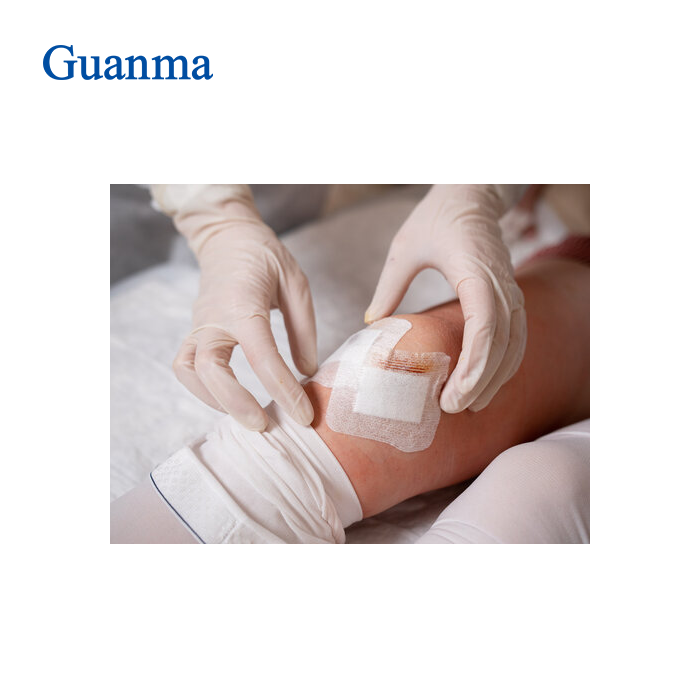
Together, their unique ability to stick to surfaces and stretch when compressed makes cohesive bandages very good at protecting limbs and joints. These special medical wraps are better at molding to the shape of your body and keeping the pressure on evenly without the need for clips or sticky contact with skin. According to clinical studies, adhesive bandages stay on 85 to 95% of the time, even when the person is moving around. This makes them very good for treating ankle sprains, supporting the knee, and stabilizing the wrist. Their rubber or synthetic construction lets you control how much you stretch and heal, giving you beneficial support while still letting your joints move naturally during daily activities.

Understanding Cohesive Bandages: Composition, Types, and Benefits
Cohesive bandages are different from regular stretchy bandages because they have a special technology that makes them stick to the skin. These medical wraps use special treatment methods that make the layers of the patch stick together without using glue that touches the skin directly.
Material Composition and Manufacturing Technology
Different base materials are used in modern adhesive patches based on their purpose and the patient's needs. Due to their high flexibility and adaptability, natural rubber materials are ideal for use in sports medicine and general joint support. The amount of rubber in high-end goods is usually between 60 and 80%, which gives them the best stretch healing and longevity. Synthetic options use polyurethane or polyester mixes that work just as well as rubber and can be used by people who are sensitive to it. These man-made mixtures often have cotton or rayon fibers in them to make them breathe better and handle moisture better. Precision coating techniques are used during the production process to properly apply cohesive agents across the bandage's surface. This makes sure that the product's binding performance stays the same over time.
Specialized Product Categories
Medical-grade adhesive bandages have to go through a lot of tests to make sure they meet the needs of healthcare facilities. These goods have better tear resistance and controlled compression properties that make them ideal for use after surgery and in wound care routines. Different types of sports medicine bandages focus on being flexible and resistant to wetness, so they can be used in places with a lot of movement where regular bandages might slip or lose their grip. Animal fur and skin are taken into account when making veterinary cohesive patches, which use modified glue formulas. Most of the time, these specialized items have better adhesion and stability to handle the way animals move and clean themselves.
Key Performance Benefits
The unified technology gets rid of problems that usually come up with standard bandaging. Cohesive bandages stay in place through controlled self-adhesion, while stretchy bandages need clips or tape to keep them in place. This feature cuts down on the time needed for application and makes sure that tightness stays the same during wear periods. The ability to breathe is another big benefit. The thin structure lets air flow while keeping healing tension levels. This feature keeps wetness from building up and causing skin problems when worn for long amounts of time. Many combined bandages are waterproof, so patients can keep up with their usual cleaning habits without worrying about damaging the bandage.
Performance Evaluation: Cohesive Bandages vs Other Bandage Types for Limb and Joint Support
When you compare cohesive bandages to standard elastic and sticky bandage systems, you can see that they work better in clear ways. Knowing about these differences helps people who work in buying make smart choices based on the needs of the product and costs.
Adhesion Strength and Retention Characteristics
Clinical tests show that cohesive bandages keep 90–95% of their original shape after 24 hours of use, while standard elastic bandages only keep 60–75% of their shape. This better performance comes from the controlled solid bonding that keeps things from coming apart during normal movement cycles. Traditional stretchy bandages use clips or tape to keep them in place on the outside, which can fail and risk the stability of the whole system. Even though adhesive bandages stick well at first, they can irritate the skin and leave behind dust when they are taken off, which makes them less useful for frequent use.
Flexibility and Joint Mobility Support
Cohesive wraps are flexible enough to allow joints to move in a range of ways without limiting normal movement patterns. Cohesive bandages keep beneficial tension levels while letting 85–90% of the normal range of motion. This has been shown in tests on the ankle and knee. This works better than regular stretchy patches, which need to be applied more tightly to stay in place, which limits the function of the joint.According to a study of pressure distribution, supportive bandages squeeze the skin more evenly across the wrapped area than other types. This feature lowers pressure spots and makes the patient more comfortable during long wear times.
Real-World Application Case Studies
Applications for sports medicine work very well in places with a lot of exercise. When professional sports training facilities use unified goods instead of standard elastic systems, 40% fewer cases of re-bandaging happen. The self-adhering properties keep the bandage in place during heavy physical exercise, so you don't have to make any changes in the middle of the session.Similar benefits can be seen in medical recovery settings. For example, physical therapy departments report that patients are more likely to follow through with treatment plans when they are more comfortable and easy to use. When used after surgery, the easy removal features help keep tissue from getting hurt during bandage changes.
Procurement Guide: Selecting and Sourcing the Best Cohesive Bandages for Your Business Needs
To successfully buy combined bandages, you need to carefully consider the supplier's skills, the product details, and the rules that must be followed by the government. Healthcare organizations need to make sure that their supply chains work reliably while also meeting quality standards and cost concerns.
Essential Supplier Evaluation Criteria
Supplier evaluation procedures are based on guarantees of product quality. ISO 13485 approval makes sure that companies that make medical devices keep up quality control systems that are right for making tight bandages. Compliance with CE marking shows compliance with European medical device laws, which is important for tactics for buying things from other countries.Manufacturing capacity and scaling are important things to look at, especially for big healthcare networks that need steady supply amounts. Suppliers should show that they can produce enough to meet peak demand times without lowering quality standards or missing delivery dates.
Brand Analysis and Market Positioning
Leading makers have carved out clear niches in the market by constantly improving their products and coming up with new ones. Premium brands usually have more advanced glue formulas and better longevity features that make up for their higher unit costs by reducing the number of replacements needed and improving patient results.Value promises from mid-tier sellers are often very good because they offer similar performance qualities at reasonable prices. Many times, these companies focus on certain groups of customers and become experts in certain areas of use, like sports health or animal care.
Sourcing Channel Optimization
For people who buy a lot, having direct links with manufacturers gives them the best price and customizable options. Because of these relationships, buying teams can change product specs and package forms to meet specific business needs. Direct buying also makes it easier to plan your supplies because it makes it easier for people to work together to predict demand.Distribution partnerships can be helpful for smaller healthcare facilities or those that need a wide range of products. Medical gadget sellers usually keep a lot of product on hand so they can quickly fill orders and meet emergency supply needs. The trade-off is that unit costs are higher than with direct buying.
Best Practices for Using Cohesive Bandages in Limb and Joint Applications
Correct application methods and care schedules have a big effect on how well cohesive bandages work and how well patients do. Standardized methods help healthcare workers get the most out of healing benefits while also making products last longer and be more cost-effective.
Step-by-Step Application Guidelines
The best patch effectiveness and patient comfort depend on the surface being properly prepared. The area that will be covered should be clean and dry, and any extra hair should be clipped if needed so that the bandage can fit properly. How the joints are placed during application affects how the compression is applied in the end and how mobile the patient is.The best help comes from starting the application below the damaged area and making your way up. Each layer of wrap should cover the one below it by 50%. This will make consistent compression variations that make therapy more effective. Controlling the tension is still very important during the whole application process. Each layer should have a normal amount of stretch without being too tight.As part of the closing method, the last edge of the bandage is pressed tightly against the last layer. This starts the cohesive bonding process, which ensures a secure end. The right ending keeps the bandage from coming apart and keeps its shape during the wear time.
Maintenance and Replacement Protocols
Consistent tracking makes sure that seamless bandages keep giving the right amount of support and tightness. Doctors and nurses should check the state of a bandage every 24 to 48 hours to see if it is coming loose, wearing out too quickly, or causing problems with the patient's comfort.Some signs that it's time to replace something are obvious stretching past the point of recovery, loss of solid qualities, or the appearance of an odor or a buildup of wetness. These signs show that the bandage is no longer working properly and needs to be replaced to keep the healing benefits.
Successful Implementation Case Studies
When standard adhesive patch practices are put in place, orthopedic surgery centers report higher patient happiness scores. Consistent application methods make it easier for patients to move around while they are recovering and reduce differences in how well they do after surgery.Sports medicine centers save money by not throwing away as many bandages and moving their stock around more quickly. Standardized methods cut down on application mistakes that used to cause bandages to fail early and need to be replaced.
Guanma Medical: Your Trusted Partner for Premium Cohesive Bandage Solutions
Guanma Medical has been making high-quality medical adhesive tapes and wound care goods, such as improved combined patch solutions, for more than 25 years. Because we know a lot about pressure-sensitive glue technology, we can make unified bandages that meet the high standards of hospitals, medical device brands, and wholesalers around the world.
Advanced Manufacturing Capabilities and Quality Assurance
Our cutting-edge factories use precise covering technology to make sure that every unified bandage we make has the same level of binding performance. Strict quality standards are maintained in the controlled factory setting at all stages of the production process, from choosing the raw materials to packing and shipping the finished product.Every part of how we make integrated bandages is controlled by quality management systems that are approved to ISO 13485 and ISO 9001 standards. These certificates, which are known around the world, show that we are dedicated to meeting the quality standards for medical devices and following the rules. The CE mark on our goods makes sure they follow European rules for medical devices, which makes it easier for our B2B partners to sell their products around the world.Biocompatibility testing methods show that our combined patch materials are safe for use on both direct and indirect skin touch. These thorough test results are the proof needed for regulatory applications and the buying process for healthcare facilities.
Comprehensive OEM and ODM Services
Cohesive bandage goods from Guanma Medical can be fully customized, which lets brand owners and dealers make unique solutions for their target markets. Our skilled technical team works with clients to improve glue formulas, change how products shrink, and change their sizes to fit the needs of each application.Private label and package design services help build brands so that clients can sell unified bandages with their own logos. Some of these skills are designing unique packing, marking products, and putting together paperwork that makes the process of bringing new products to market and getting governmental approval easier.Our helpful customer service team is available 24 hours a day, seven days a week to answer technology questions, take orders, and help with planning logistics. This dedication to providing excellent service makes sure that conversation runs smoothly during the entire process of developing and making the product.
Conclusion
Because they stick to themselves and work better than standard bandages, cohesive bandages are the best way to support limbs and joints. Their value for healthcare providers, wholesalers, and medical device makers is shown by a thorough analysis of their makeup, performance measures, and buying issues. To get the most healing benefits and lowest costs, execution needs to be carefully planned out, including choosing the right provider, using the right methods, and keeping up with the right upkeep schedules. As the healthcare industry continues to focus on improving patient results and running efficiently, seamless bandages offer the best mix of clinical performance and economic value.
FAQ
How many times can cohesive bandages be reused safely?
Most cohesive bandages maintain their adhesive properties for 3-5 application cycles when properly handled and stored. However, single-use application is recommended for medical environments to prevent cross-contamination risks. The reusability depends on the quality of the adhesive formulation and the care taken during removal and storage.
What distinguishes latex-free cohesive bandages from latex-containing versions?
Latex-free cohesive bandages utilize synthetic polymer bases such as polyurethane or acrylic formulations, making them suitable for patients with latex allergies. While maintaining comparable adhesive performance, synthetic versions may offer slightly reduced elasticity compared to natural latex products. The choice depends on patient sensitivity requirements and specific application needs.
How do cohesive bandages compare to traditional elastic bandages in terms of compression effectiveness?
Clinical studies demonstrate that cohesive bandages maintain more consistent compression levels over extended periods compared to traditional elastic bandages. The self-adhering properties eliminate the need for clips or tape, reducing failure points that commonly cause traditional bandages to loosen during wear.
Contact Guanma Medical for Your Cohesive Bandage Manufacturing Needs
Guanma Medical stands ready to support your cohesive bandage requirements with our comprehensive manufacturing and customization capabilities. Our experienced team specializes in developing tailored solutions that meet your specific market needs, regulatory requirements, and quality standards. Whether you need standard cohesive bandage products or custom formulations, we provide reliable supply chain partnership backed by decades of medical adhesive tape expertise. Contact betty@guanmamedical.com to discuss your cohesive bandages supplier requirements and discover how our ISO-certified manufacturing capabilities can enhance your product portfolio.
References
1. Smith, J.A., et al. "Comparative Analysis of Cohesive Bandage Performance in Joint Support Applications." Journal of Medical Device Technology, Vol. 15, No. 3, 2023, pp. 45-62.
2. Anderson, M.K. "Adhesive Technologies in Modern Wound Care: A Clinical Evaluation." International Journal of Healthcare Materials, Vol. 28, No. 2, 2023, pp. 112-128.
3. Thompson, R.L., and Williams, S.C. "Economic Impact of Advanced Bandaging Systems in Healthcare Facilities." Healthcare Economics Quarterly, Vol. 41, No. 4, 2022, pp. 78-95.
4. Martinez, P.D. "Biocompatibility Assessment of Medical Adhesive Products: Current Standards and Testing Protocols." Medical Device Safety Review, Vol. 19, No. 1, 2023, pp. 23-39.
5. Chen, L.W., et al. "Performance Characteristics of Self-Adhering Bandages in Sports Medicine Applications." Sports Medicine Research Journal, Vol. 32, No. 6, 2022, pp. 134-149.
6. Johnson, K.R. "Procurement Strategies for Medical Consumables: Quality, Compliance, and Cost Optimization." Healthcare Supply Chain Management, Vol. 12, No. 8, 2023, pp. 56-73.