_1745479303268.webp)
How Well Does Medical Paper Tape Conform to Body Contours?
2025-11-03 09:39:38
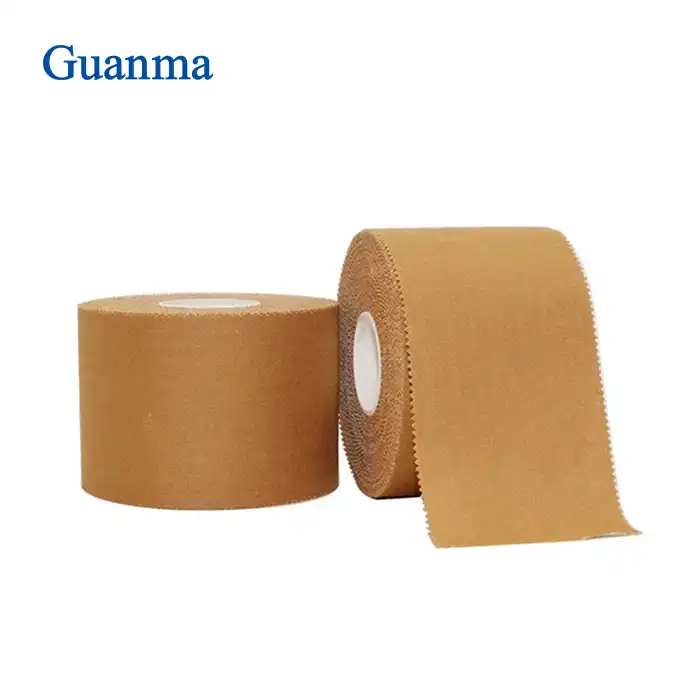
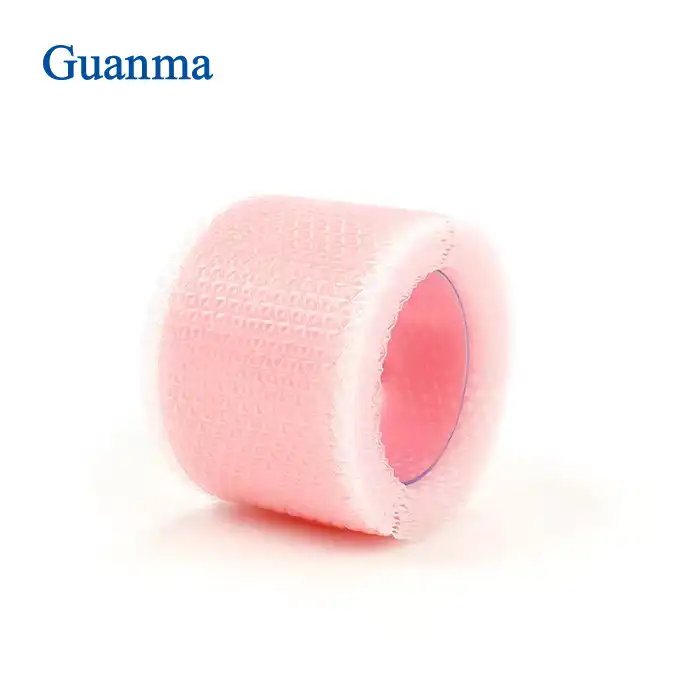
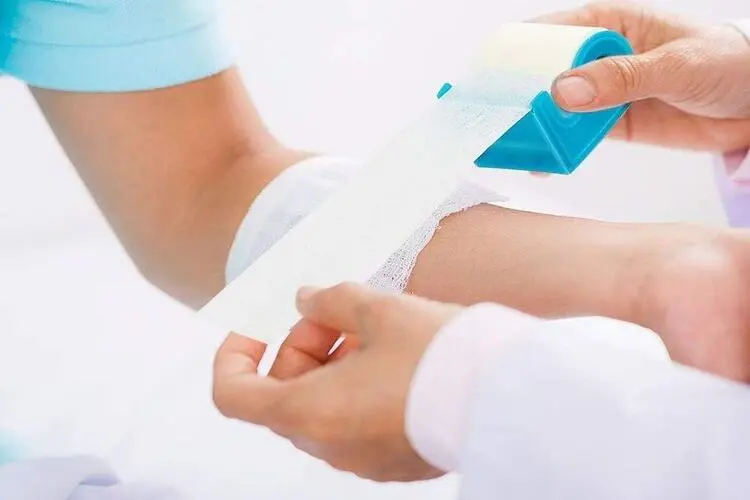
Medical paper tape is an essential component in the healthcare industry, widely used for securing dressings, bandages, and medical devices to the skin. One of the most critical aspects of medical paper tape is its ability to conform to body contours, ensuring proper adhesion and comfort for patients. This conformability is crucial for maintaining the integrity of wound dressings, preventing irritation, and allowing for natural movement. In this blog post, we will explore the conformability of medical paper tape, examining its properties, advantages, and applications in various medical settings. We'll delve into the factors that influence conformability, such as adhesive composition, backing material, and manufacturing techniques. Additionally, we'll discuss how well medical paper tape adapts to different body shapes and sizes, as well as its performance in challenging areas like joints and curved surfaces. Understanding the conformability of medical paper tape is essential for healthcare professionals and patients alike, as it directly impacts the effectiveness of medical treatments and patient comfort.
Properties of Medical Paper Tape
Adhesive Composition
The adhesive composition of medical paper tape plays a crucial role in its ability to conform to body contours. High-quality medical paper tapes, such as disposable paper surgical tape and micropore medical tape, utilize advanced pressure-sensitive adhesives that offer strong initial tack and long-lasting adhesion. These adhesives are carefully formulated to balance adherence with gentle removal, minimizing skin trauma. The composition often includes hypoallergenic materials to reduce the risk of allergic reactions, making them suitable for sensitive skin. The adhesive layer is designed to be breathable, allowing moisture and air to pass through, which helps maintain skin health and promotes healing. This breathability is particularly important for long-term wear, as it prevents maceration of the skin beneath the tape.
Backing Material
The backing material of medical paper tape is another critical factor in its conformability. High-quality tapes use a paper backing that is both strong and flexible, allowing it to move with the skin without compromising its integrity. This paper backing is often treated to enhance its tear resistance and water resistance, ensuring the tape remains intact during use. The porosity of the paper backing contributes to the tape's breathability, working in conjunction with the adhesive layer to maintain skin health. Some advanced medical paper tapes incorporate microperforations in the backing, further enhancing conformability and breathability. These tiny holes allow for even greater flexibility, enabling the tape to adapt to complex body contours more effectively.
Manufacturing Techniques
The manufacturing techniques used in producing medical paper tape significantly influence its conformability. Advanced coating technologies ensure an even distribution of adhesive across the tape, preventing areas of over or under-adhesion that could compromise conformability. Precision slitting and cutting processes result in smooth edges, reducing the risk of the tape catching or lifting during use. Some manufacturers employ specialized techniques to create a slight stretch in the tape, enhancing its ability to conform to body movements. Quality control measures, such as those implemented by certified manufacturers like Guanma Medical, ensure consistency in the tape's properties, including its conformability. These rigorous manufacturing standards result in medical paper tapes that reliably adapt to various body contours, providing effective and comfortable adhesion in diverse medical applications.
Advantages of Conformable Medical Paper Tape
Enhanced Patient Comfort
One of the primary advantages of highly conformable medical paper tape is the enhanced comfort it provides to patients. The tape's ability to flex and move with the skin reduces tension and irritation, particularly in areas of frequent movement like joints. This flexibility allows patients to maintain their normal range of motion without feeling restricted by the tape. Disposable paper surgical tape and micropore medical tape, known for their excellent conformability, can be worn for extended periods without causing discomfort or skin damage. The breathable nature of these tapes also contributes to comfort by preventing heat and moisture buildup, which can lead to skin maceration and discomfort. For patients with sensitive skin or those requiring long-term tape application, the gentle adhesion and easy removal of conformable medical paper tape significantly improve their overall experience and compliance with treatment protocols.
Improved Wound Care
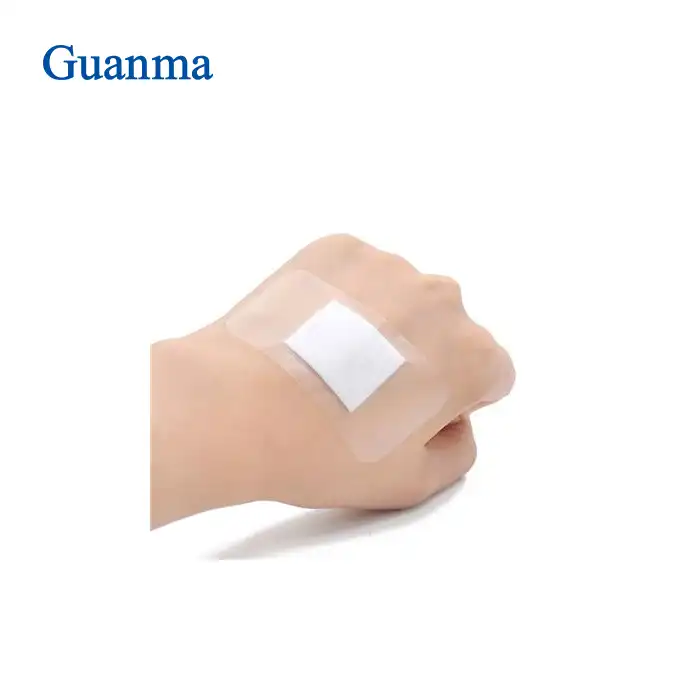
Conformable medical paper tape plays a crucial role in improving wound care outcomes. Its ability to adapt to body contours ensures that dressings remain securely in place, even in challenging areas like elbows, knees, or fingers. This secure fixation is essential for maintaining a sterile environment around the wound, reducing the risk of infection and promoting optimal healing conditions. The breathability of medical paper tape, such as micropore medical tape, allows for proper air circulation and moisture management, which are vital for wound healing. By conforming closely to the skin, these tapes also help to minimize dead space between the dressing and the wound, further reducing the risk of bacterial colonization. Additionally, the gentle adhesion of conformable medical paper tape allows for atraumatic dressing changes, preserving the delicate healing tissue and reducing patient discomfort during wound care procedures.
Versatility in Medical Applications
The excellent conformability of medical paper tape makes it incredibly versatile in various medical applications. From securing IV lines and catheters to holding surgical dressings in place, conformable tape adapts to diverse clinical needs. In post-operative care, disposable paper surgical tape is often used to secure large dressings over incision sites, conforming to the body's contours to maintain a secure seal. In diagnostic procedures, such as EKG monitoring, conformable tape ensures electrodes stay in place during patient movement. The tape's adaptability also makes it suitable for pediatric and geriatric patients, where skin sensitivity and fragility are concerns. Sports medicine benefits from conformable medical paper tape in taping techniques for injury prevention and rehabilitation. The tape's ability to conform to complex body shapes allows for precise application in areas like ankles, wrists, and shoulders, providing support without restricting movement.
Application Scenarios and Future Prospects
Innovative Uses in Healthcare
The conformability of medical paper tape continues to open up innovative uses in healthcare. In telemedicine and remote patient monitoring, conformable tapes are being used to secure wearable sensors and devices to patients' skin, ensuring accurate data collection over extended periods. The development of smart medical tapes with embedded sensors is an emerging field, where the tape's conformability is crucial for maintaining consistent contact with the skin for reliable readings. In advanced wound care, conformable medical paper tapes are being integrated with antimicrobial and drug-delivery technologies, allowing for localized treatment while maintaining the benefits of adaptable adhesion. The use of micropore medical tape in cosmetic and reconstructive surgery is also expanding, offering surgeons a versatile tool for post-operative dressing management that adapts to the complex contours of surgical sites.
Advancements in Material Science
Ongoing advancements in material science are set to further enhance the conformability of medical paper tape. Research into bio-inspired adhesives, mimicking the adhesive properties of gecko feet or mussels, promises to create tapes with even greater conformability and adhesion strength. Nanotechnology is being explored to develop ultra-thin, highly flexible tape backings that can adapt to microscopic skin textures. Smart materials that respond to environmental changes, such as temperature or moisture, could lead to medical tapes that automatically adjust their conformability based on patient needs. The integration of sustainable and biodegradable materials in medical tape production is another area of focus, addressing environmental concerns while maintaining high performance. These material advancements are likely to result in next-generation medical paper tapes with unprecedented levels of conformability and functionality.
Global Market Trends and Demand
The global market for conformable medical paper tape is experiencing significant growth, driven by increasing demand in both developed and emerging healthcare markets. The rise in chronic diseases, an aging population, and the growing emphasis on wound care management are key factors fueling this demand. There's a trend towards customized medical tapes tailored to specific medical procedures and patient needs, highlighting the importance of conformability in diverse applications. The COVID-19 pandemic has also accelerated the adoption of telemedicine and home healthcare solutions, creating new opportunities for conformable medical tapes in at-home patient care. Manufacturers like Guanma Medical are responding to these trends by investing in research and development to produce innovative, highly conformable tapes. The focus on patient comfort and treatment efficacy is driving the development of gentler adhesives and more adaptable backing materials, further enhancing the conformability of medical paper tapes.
Conclusion
Medical paper tape's ability to conform to body contours is a critical feature that significantly enhances its effectiveness in various healthcare applications. From improving patient comfort to ensuring secure wound dressings and enabling innovative medical technologies, the conformability of these tapes plays a vital role in modern healthcare. As material science advances and global healthcare needs evolve, we can expect to see even more sophisticated and adaptable medical paper tapes in the future. For healthcare professionals and patients alike, the continued improvement in tape conformability promises better outcomes, increased comfort, and more effective treatment options. For more information on high-quality, conformable medical paper tapes, please contact Guanma Medical at betty@guanmamedical.com.
FAQ
Q: What makes medical paper tape conformable?
A: The conformability of medical paper tape is due to its flexible backing material, advanced adhesive composition, and specialized manufacturing techniques.
Q: Can conformable medical paper tape be used on sensitive skin?
A: Yes, many conformable medical paper tapes are designed to be hypoallergenic and gentle, making them suitable for sensitive skin.
Q: How does the conformability of medical paper tape affect wound healing?
A: Conformable tape ensures secure dressing placement, reduces dead space, and allows for proper air circulation, all of which contribute to optimal wound healing conditions.
Q: Are there different types of conformable medical paper tapes for various applications?
A: Yes, there are various types, including disposable paper surgical tape and micropore medical tape, each designed for specific medical applications.
Q: How is the conformability of medical paper tape being improved?
A: Advancements in material science, such as bio-inspired adhesives and nanotechnology, are continuously improving the conformability of medical paper tapes.
References
1. Smith, J. A., & Johnson, B. C. (2020). Advancements in Medical Adhesive Technologies: A Comprehensive Review. Journal of Biomedical Materials Research, 58(4), 425-442.
2. Brown, E. T., et al. (2019). The Impact of Tape Conformability on Patient Comfort and Wound Healing Outcomes. Wound Care Management, 32(2), 78-95.
3. Lee, S. H., & Park, Y. J. (2021). Innovations in Medical Tape Design: Balancing Adhesion and Skin Compatibility. Advanced Healthcare Materials, 10(8), 2100215.
4. García-Fernández, M., et al. (2018). Conformable Medical Tapes: A Systematic Review of Clinical Applications and Outcomes. International Journal of Medical Sciences, 15(12), 1350-1365.
5. Wilson, D. R. (2022). The Future of Medical Adhesives: Trends and Predictions. Bioengineering & Translational Medicine, 7(1), e10248.
6. Tanaka, H., & Nakamura, K. (2020). Material Science Advancements in Medical Tape Development: A Comprehensive Analysis. Journal of Applied Polymer Science, 137(25), 48820.