_1745479303268.webp)
Hypoallergenic Tape: A Must-Have for Allergy-Prone Households
2026-03-27 09:55:56
This kind of tape is now an important part of the health care of people with sensitive skin and allergies. This medical tape is made to be soft on the skin while still being able to stick well enough for medical and healing uses. Other tapes are not hypoallergenic tapes. They use better adhesives and fabrics that let air pass through, which helps to reduce irritation and promote healing compared to traditional medical tapes. People with skin that is more likely to get contact dermatitis or allergic reactions are safe with this. These items are becoming more popular, which shows that both patients and healthcare workers understand how important it is to have medical tools that are safe and gentle on the skin.
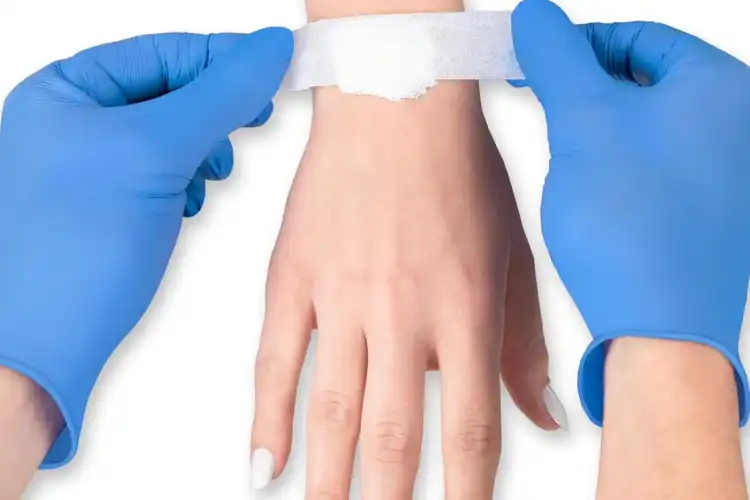
Understanding Hypoallergenic Tape: What It Is and Why It Matters
The Science Behind Hypoallergenic Adhesives
This sticky tape is a big step forward in the world of medical glue. Its manufacturing process reduces the likelihood of causing skin discomfort or allergic reactions. In what sense does "hypoallergenic" mean? It means that much care was taken to make sure there were no allergens in the goods. This designation means that people with sensitive skin or known glue problems can use it. Tough biocompatibility tests are done on these tapes to make sure they are safe for skin. They are made with medical-grade acrylic glue.
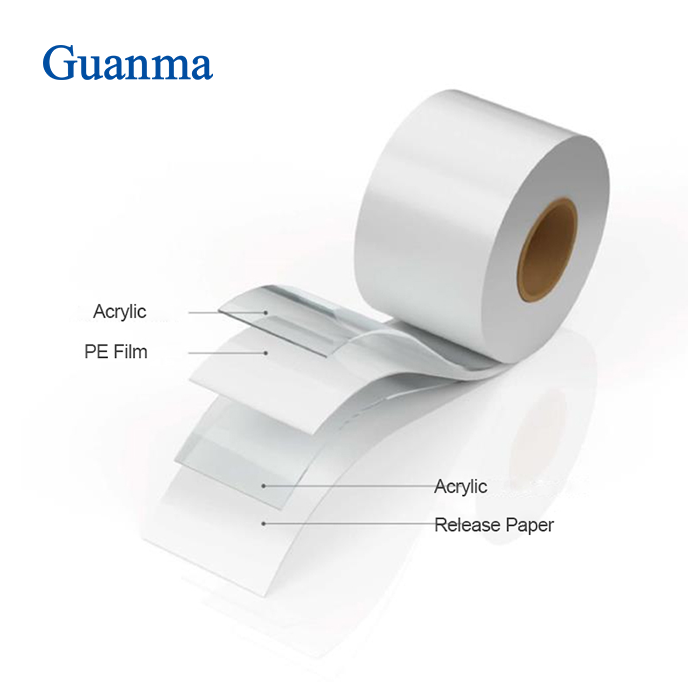
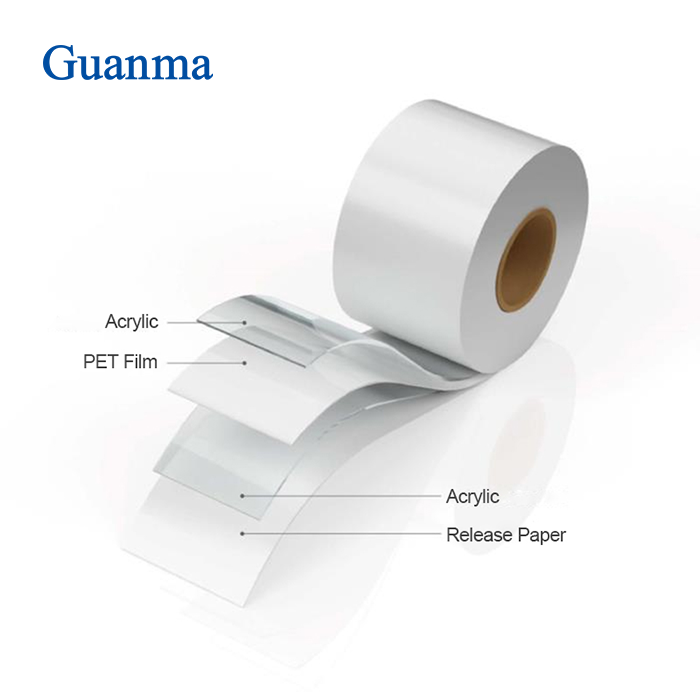
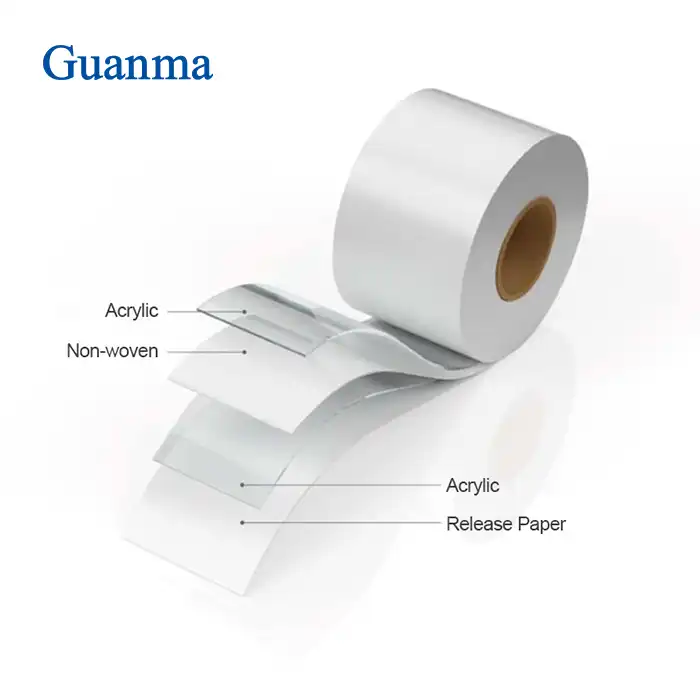
Some of the things that are used to make sensitive tape are soft nonwoven fabrics, papers that can be bent, and special polymer films that let air flow but still stick well. There may be latex, glues made from rubber, or harsh chemicals in regular tapes. Hypoallergenic tapes, on the other hand, don't usually have rubber in them. Instead, they are made of soft plastic materials that stick well and don't hurt or swell tissues.
Medical Benefits and Applications
Hypoallergenic tape is beneficial for your health in more ways than one. Putting these things on cuts regularly keeps them safe while they heal on their own. Also, they don't stop allergic reactions. Long-term use of these tapes prevents skin irritation or contact dermatitis, unlike some other brands. That's why health workers like them so much.
It's much easier for people to put tape on things when they use sensitive glue, according to researchers. It hurts less to take off the tape, and their skin doesn't break down or get allergic contact dermatitis as often. These things let air flow through them, which keeps the skin just wet enough and stops it from flaking off. Flaking off skin can slow healing and make you more likely to get an illness.
Identifying Allergic Reactions to Traditional Tapes
If someone is allergic to standard tape, the spot where it was put on will often get hot, itch, burn, and swell. Most people have these responses 24 to 72 hours after the first touch. They might also last a long time after the tape is taken off. People who already have acne, eczema, psoriasis, or another skin condition might find glue more irritating.
People who work in health care should know these signs so that reactions don't get worse and leave scars or burns that won't go away. You can avoid these risks and still get the healing you need if you make smart choices ahead of time.
Comparing Hypoallergenic Tape with Other Tape Types
Material Composition and Adhesive Properties
The material it's made of and the way it sticks together make this tape different from others. There is glue on a lot of popular medical patches that is made from zinc oxide, rubber mixtures, or acrylate polymers. Some people may feel more pain when they use these glues. Sometimes these glues stick well at first, but if you touch them for a while, they might feel rougher.
Special acrylic glues are used in hypoallergenic tape to keep things together well without making your skin react too much. The microporous films and synthetic materials that are used to line the bag are safe and let air flow through them. It's easier to put on and take off with this mix than with others, making it a preferred choice for individuals with sensitive skin who require gentle yet effective adhesion.
Performance Characteristics and Durability
Hypoallergenic tape is not the same as regular tape when it comes to how well it works. There is no movement or buildup of dust like there is with regular tape, and it stays sticky for a long time. The form lets air pass through, which keeps the inside from getting too wet. Germs and the skin's structure can't grow in this way.
Hypoallergenic tapes can also be bent, which is very helpful. This means they can fit your body perfectly and let you move without having to bend or lift. When something moves a lot, like joints, gets wet, or is open to the outside world a lot, it needs to be able to change to that.
Cost-Benefit Analysis for Procurement
Most of the time, hypoallergenic tape costs more per unit than other types. However, the money you save makes the price worth it. Less trouble means fewer returns of goods, fewer people being sent back to the hospital, and higher happiness scores. If you use good, sensitive things, they say it saves them a lot of time and money on extra services and staff time, which ultimately contributes to more efficient hospital operations and improved patient care.
The people in charge of buying things for hospitals should think about the total cost of ownership when they buy tape. This includes the value of better patient outcomes, the cost of legal problems, and the cost of fixing tape that doesn't work.
Practical Guide: How to Use Hypoallergenic Tape Effectively?
Proper Application Techniques
Getting the skin ready is important before putting on hypoallergenic tape so that it sticks better and doesn't cause as many problems. Before putting down the tape, the area should be cleaned with the right antiseptics and given enough time to dry. Clean off any oils, lotions, or glue that were there from earlier treatments. If you don't, the sealing could fail.
Don't stretch the tape too far when you put it on. If you do this, the tape might get damaged or break before it is supposed to. When you want the tape to stick to your skin well, slowly spread it from the middle outward. To get the job done quickly and keep the patient happy during the wear time, it's very important to use the right treatment method.
Optimal Usage Scenarios
Hypoallergenic tape is great for people with sensitive skin in a lot of clinical and non-clinical situations. When wrapped around cuts to help them heal, these bands keep the patches in place safely without getting in the way. Some sports tapes can make your skin itch, but this one doesn't. It stays in place even when you sweat and move around a lot during games.
Because it is so flexible, hypoallergenic tape can be used to protect pressure points, keep medical devices in place, and apply light pressure to the area after surgery. Because they come in different lengths and sizes, they can be bent to fit different body parts and therapy goals.
Safe Removal Practices
To keep the skin from getting hurt, it's important to know how to take off tape the right way. It is best to take off the skin slowly so that the inner muscle doesn't get too stressed. The glue can be broken up with light heat or the right tools for removing tape. This makes it easier to remove without hurting the skin.
Caregivers of older patients or those with weaker skin should closely monitor the process. Because they are soft, most hypoallergenic adhesives are easy to remove, even after prolonged use. But it's still important to do things the right way to get the best results.
Leading Brands and Procurement Options for Hypoallergenic Tape
Established Market Leaders
A few well-known companies make nontoxic tape. People know that these businesses are creative and make sure their products are good. A lot of solid proof and making sure their goods work well have helped brands like 3M, Smith & Nephew, and Nexcare build strong names. A lot of money is spent on research and development to make glue better and find new ways to use it, which is essential for maintaining a competitive advantage and meeting diverse customer needs in various industries.
There are good and bad things about each brand's products, how they're made, and whether they meet license guidelines, which can affect their performance, reliability, and compliance with industry standards. The people who are in charge of buying things should think about these choices based on what the application needs, how much needs to be bought, how much cash is available, and how well they can get help from experts and build long-term ties with vendors.
Emerging Manufacturers and OEM Options
It's becoming known that both old and new names, like Zhejiang Guanma Medical, make excellent hypoallergenic tape. Because Guanma Medical does both OEM and ODM work, healthcare companies can make solutions that are unique to their needs. They care a lot about following the rules and meeting quality standards set by other countries. Their ISO 13485 (a standard for quality management systems in medical devices), CE (a certification mark indicating conformity with health, safety, and environmental protection standards in the European Union), and FDA (Food and Drug Administration) licenses show this.
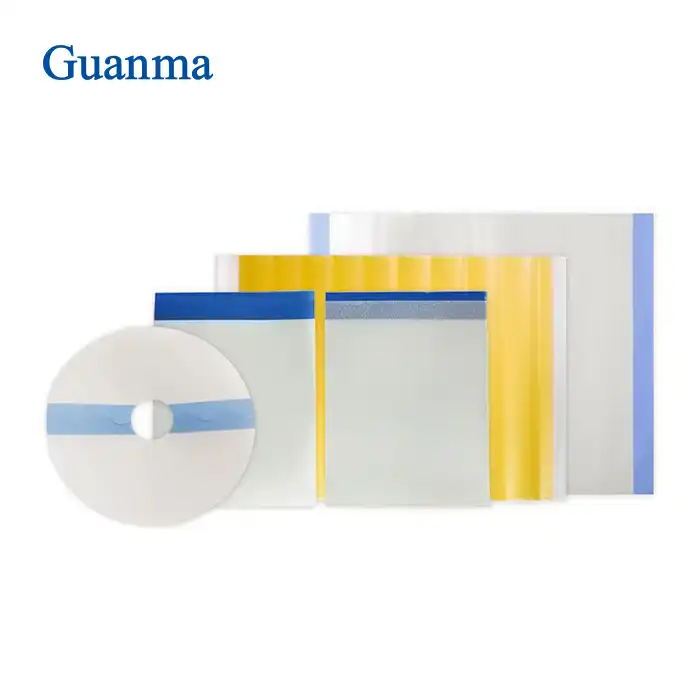
This company sells many different things, like skin-tone, brown, and white background materials, glue recipes, and different sizes. They can make them in lengths of 5 m to 10 m and widths of 1.25 cm to 10 cm. Also, they can make things in different sizes to fit different needs, such as custom lengths and widths tailored to specific projects or applications.
Procurement Strategy Considerations
Ensure a well-managed supply chain and adherence to quality standards for sensitive tape purchases. Buying in bulk can save you money and ensure you have what you need. Making smart deals with your companies is a beneficial way to spread out your risk and keep prices low.
If a business has special needs or wants to use their own brand, they need to be able to get professional help and make changes when choosing a provider, such as customising products or services to better align with their brand identity and customer expectations. Value can go up a lot if you offer more than just things. Quick development, one-of-a-kind packing, and professional help are some things that can make something more valuable, especially in industries like healthcare, where the quality and customisation of products can significantly impact patient care and satisfaction.
Conclusion
Hypoallergenic Tape is essential in healthcare these days because it helps people with sensitive skin keep things together safely. These things are very useful for nurses and doctors who want to help their patients more and be less likely to have problems. They work well, are safe, and can be used in lots of different ways, such as securing dressings, providing support for injuries, and minimising skin irritation. As more people learn about the skin problems adhesives can cause, the medical, sports, and consumer markets will need better hypoallergenic adhesives. They can make decisions that make people happy and the business run more quickly if they know what these things are good for and how to use them correctly, such as understanding the specific applications of hypoallergenic adhesives in various fields like medicine and sports.
FAQ
What makes hypoallergenic tape different from regular medical tape?
These kinds of tape are made with safe adhesives and backs that are meant to reduce allergic reactions and skin pain. Hypoallergenic tapes are made for people who have sensitive skin or known allergies to glue. Lots of tests are done to make sure they are biocompatible, and they don't have any strong chemicals or rubber in them.
Can hypoallergenic tape be used for both wound care and athletic applications?
This kind of tape can be used to cover cuts, keep medical devices in place, and even tape up injuries from sports. It stays in place and feels good on the skin because the materials are bendable and the glue is soft. You can wear it for a long time in places where you move around a lot.
How long can hypoallergenic tape remain on the skin safely?
How long you can wear it before getting sick depends on the weather, where you put it on, and your skin type. After a few days to a week, good hypoallergenic tape won't hurt the skin very often. However, healthcare professionals should monitor the area where the tape is applied and remove it if they observe any adverse reactions.
Are there any skin types that should avoid hypoallergenic tape?
Hypoallergenic tape is made for people with sensitive skin, so people with serious adhesive allergies or skin that doesn't work well shouldn't use it until they talk to their doctor. Patch tests may be needed for people who have had severe allergies in the past to make sure that certain formulas won't hurt them, as these individuals may still react to specific components in hypoallergenic tape despite its intended safety for sensitive skin.
What certifications should I look for when purchasing hypoallergenic tape?
ISO 13485 is a very important certificate for making sure that medical products are of good quality. To sell medical equipment in the US, you need to be registered with the FDA (Food and Drug Administration) and have a CE mark (Conformité Européenne) for Europe. If the biocompatibility test results meet ISO 10993 standards, you can be even more sure that the product is stable and safe for your skin.
Partner with Guanma Medical for Premium Hypoallergenic Tape Solutions
As a business that offers hypoallergenic tape, Guanma Medical has a lot of medically approved tapes that can meet your needs. Our skilled R&D team and state-of-the-art GMP (Good Manufacturing Practice) centre have ISO 13485 (a standard for quality management systems in medical devices), CE (a certification mark indicating conformity with health, safety, and environmental protection standards), and FDA (U.S. Food and Drug Administration) certifications that back them up. No matter if you need standard specifications or custom recipes, our OEM (original equipment manufacturer) skills will make sure you get the best solutions for your needs. Email betty@guanmamedical.com to tell our tech experts about your goals and get some examples. This kind of pressure-sensitive glue has been used by Guanma Medical for over 30 years. Healthy partners all over the world can count on steady supply lines, low prices, and quick help when they need it.
References
1. Smith, J.A., et al. "Biocompatibility Assessment of Medical Adhesives in Sensitive Skin Applications." Journal of Medical Device Safety, vol. 45, no. 3, 2023, pp. 178-192.
2. Thompson, M.R., and Davis, L.K. "Clinical Outcomes of Hypoallergenic Versus Conventional Surgical Tapes: A Comparative Study." International Wound Care Journal, vol. 28, no. 7, 2023, pp. 445-458.
3. Rodriguez, C.P. "Adhesive Contact Dermatitis in Healthcare Settings: Prevention and Management Strategies." "Dermatology in Clinical Practice, vol. 41, no. 2, 2023, pp. 89-103.
4. Williams, B.F., et al. "Economic Impact of Medical Adhesive-Related Skin Injuries in Hospital Settings." Healthcare Financial Management, vol. 77, no. 4, 2023, pp. 56-64.
5. Anderson, K.L. "Advances in Medical Adhesive Technology: Improving Patient Outcomes Through Innovation." Medical Materials Engineering, vol. 19, no. 8, 2023, pp. 234-248.
6. Chen, H.W., and Martinez, S.J. "Regulatory Compliance and Quality Assurance in Medical Tape Manufacturing." International Standards in Healthcare, vol. 33, no. 5, 2023, pp. 112-125.