_1745479303268.webp)
Innovations in Antimicrobial Transparent Wound Dressing
2025-10-29 09:27:14
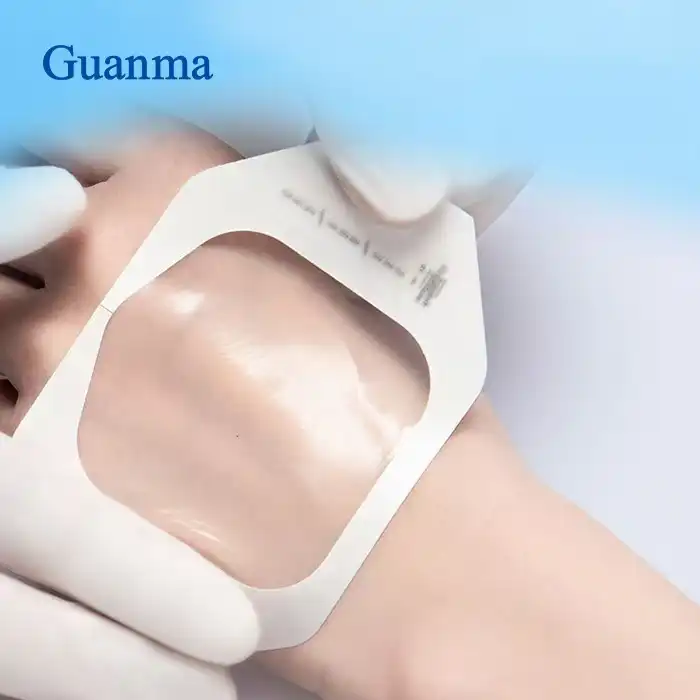
The field of wound care has seen remarkable advancements in recent years, with one of the most significant developments being the innovation in antimicrobial transparent wound dressings. These cutting-edge medical products have revolutionized the way healthcare professionals approach wound management and patient care. Transparent wound dressings offer a unique combination of visibility, protection, and antimicrobial properties, making them an invaluable tool in modern wound care practices. By allowing continuous monitoring of the wound site while maintaining a sterile barrier against external contaminants, these dressings have significantly improved patient outcomes and reduced the risk of infection. This article will explore the latest innovations in antimicrobial transparent wound dressings, their advantages, and the impact they have on wound healing and patient comfort.
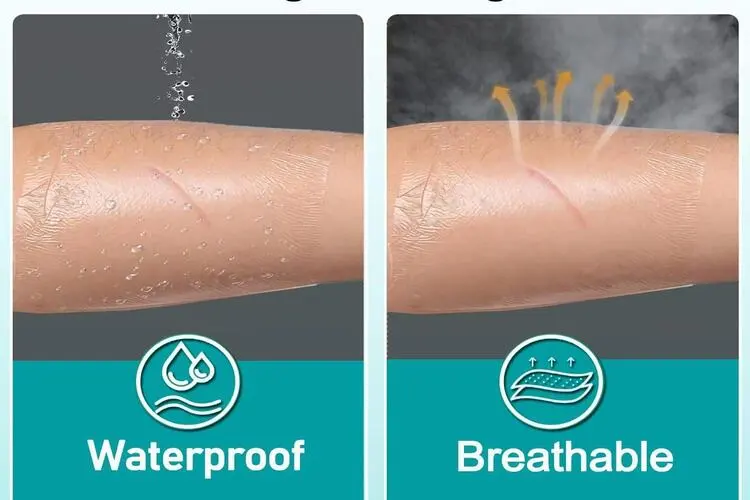
Advanced Materials in Transparent Wound Dressings
Nanofiber Technology
One of the most exciting innovations in transparent wound dressings is the incorporation of nanofiber technology. These ultra-thin fibers, often made from biocompatible polymers, create a highly porous structure that allows for excellent breathability while maintaining a strong barrier against bacteria and other pathogens. Transparent adhesive wound dressings utilizing nanofibers offer superior moisture management, promoting an optimal healing environment. The nanofiber structure also allows for the controlled release of antimicrobial agents, ensuring long-lasting protection against infection. Surgical wound dressing suppliers are increasingly adopting this technology to provide healthcare professionals with more effective and versatile wound care solutions.
Smart Hydrogels
Smart hydrogels represent another breakthrough in transparent wound dressing technology. These advanced materials can respond to changes in the wound environment, such as pH levels or temperature, and adjust their properties accordingly. For instance, some hydrogels can release antimicrobial agents when they detect the presence of bacteria, providing targeted and efficient infection control. The transparency of these hydrogels allows for easy wound monitoring without the need for dressing removal, reducing the risk of contamination and patient discomfort. As a result, surgical wound dressing suppliers are incorporating smart hydrogels into their product lines to offer more sophisticated and responsive wound care solutions.
Biomimetic Materials
Biomimetic materials are designed to mimic the properties of natural skin, offering a more biocompatible and effective wound healing environment. These innovative transparent wound dressings often incorporate elements such as collagen, hyaluronic acid, or synthetic analogues that closely resemble the extracellular matrix of human skin. By mimicking the natural structure and function of skin, these dressings promote faster healing and reduce scarring. Additionally, many biomimetic materials possess inherent antimicrobial properties, further enhancing their effectiveness in preventing infection. Transparent adhesive wound dressings made from biomimetic materials are becoming increasingly popular among healthcare professionals due to their ability to provide a more natural and efficient healing process.
Enhanced Antimicrobial Properties
Silver Nanoparticles
Silver nanoparticles have emerged as a powerful antimicrobial agent in transparent wound dressings. These microscopic particles of silver exhibit broad-spectrum antimicrobial activity against bacteria, fungi, and even some viruses. The incorporation of silver nanoparticles into transparent adhesive wound dressings allows for sustained release of silver ions, providing long-lasting protection against infection. This is particularly beneficial for chronic wounds or in situations where frequent dressing changes are not feasible. Surgical wound dressing suppliers are increasingly offering products that combine the visibility of transparent dressings with the potent antimicrobial properties of silver nanoparticles, addressing the critical need for effective infection control in wound management.
Natural Antimicrobial Compounds
In response to growing concerns about antibiotic resistance, there has been a surge of interest in natural antimicrobial compounds for use in transparent wound dressings. Substances such as honey, essential oils, and plant extracts have shown promising results in preventing bacterial growth and promoting wound healing. These natural alternatives often have multiple mechanisms of action, making it harder for bacteria to develop resistance. Transparent wound dressings infused with these natural antimicrobial agents offer a more holistic approach to wound care, combining the benefits of modern medical technology with the time-tested properties of natural remedies. This innovation is particularly appealing to patients seeking more natural treatment options and to healthcare providers looking to reduce the use of synthetic antibiotics.
Photodynamic Therapy
Photodynamic therapy (PDT) represents a cutting-edge approach to antimicrobial treatment in transparent wound dressings. This innovative technique involves the use of light-sensitive compounds that, when exposed to specific wavelengths of light, generate reactive oxygen species that can effectively kill bacteria and other pathogens. Transparent adhesive wound dressings incorporating PDT technology allow for on-demand antimicrobial action without the need for constant medication. This approach is particularly useful for managing chronic wounds or preventing infection in high-risk patients. Surgical wound dressing suppliers are exploring ways to integrate PDT into their products, offering healthcare professionals a novel and highly effective tool for infection control in wound care.
Technological Integration in Wound Monitoring
Embedded Sensors
The integration of embedded sensors in transparent wound dressings represents a significant leap forward in wound monitoring technology. These miniature sensors can detect various parameters such as pH levels, temperature, and moisture content, providing real-time data on the wound environment. This information allows healthcare professionals to make informed decisions about wound management without the need for frequent dressing changes. Transparent adhesive wound dressings with embedded sensors offer a non-invasive way to track healing progress and detect early signs of infection or other complications. Surgical wound dressing suppliers are increasingly incorporating this technology into their products, enabling more proactive and personalized wound care approaches.
Smartphone Integration
The advent of smartphone-compatible transparent wound dressings has revolutionized remote wound monitoring. These innovative dressings often feature QR codes or NFC tags that can be scanned with a smartphone, allowing patients or caregivers to easily track wound healing progress and share information with healthcare providers. Some advanced systems even incorporate image analysis algorithms that can assess wound size, color, and other characteristics, providing objective data on healing progression. This technology is particularly valuable for managing chronic wounds or post-surgical care, as it enables more frequent monitoring without the need for in-person visits. Surgical wound dressing suppliers are actively developing user-friendly apps and interfaces to complement these smart dressings, making wound care more accessible and efficient.
Augmented Reality Applications
Augmented reality (AR) is finding its way into transparent wound dressing applications, offering new possibilities for wound assessment and treatment planning. AR-enabled transparent adhesive wound dressings can provide healthcare professionals with a detailed, three-dimensional view of the wound, overlaying important information such as tissue depth, vascular structure, and potential infection sites. This technology can assist in more accurate wound measurement, treatment planning, and progress tracking. Additionally, AR applications can be used for patient education, allowing individuals to better understand their wound healing process and care requirements. As this technology continues to evolve, surgical wound dressing suppliers are exploring ways to integrate AR capabilities into their products, potentially transforming the way wound care is practiced and understood.
Conclusion
The innovations in antimicrobial transparent wound dressings represent a significant leap forward in wound care technology. From advanced materials like nanofibers and smart hydrogels to enhanced antimicrobial properties and integrated monitoring systems, these developments are revolutionizing the way we approach wound management. As these technologies continue to evolve, we can expect to see even more sophisticated and effective wound care solutions that improve patient outcomes, reduce healthcare costs, and enhance the overall quality of care. The future of wound care looks bright, with transparent wound dressings at the forefront of this exciting field.
For more information on innovative wound care products, please contact Guanma Medical, a professional manufacturer specializing in medical adhesive tapes and wound care dressings. With over 30 years of experience and a commitment to quality and innovation, Guanma Medical offers a wide range of customized solutions to meet your specific needs. Contact us at betty@guanmamedical.com to learn more about our products and services.
FAQ
What are the main advantages of transparent wound dressings?
Transparent wound dressings allow for easy wound monitoring without removal, provide a barrier against contaminants, and often incorporate antimicrobial properties for infection prevention.
How do nanofiber-based transparent dressings improve wound healing?
Nanofiber dressings offer excellent breathability, moisture management and can provide controlled release of antimicrobial agents, creating an optimal environment for wound healing.
What are smart hydrogels in wound dressings?
Smart hydrogels are advanced materials that can respond to changes in the wound environment, such as pH or temperature, adjusting their properties to optimize healing conditions.
How do silver nanoparticles enhance antimicrobial properties in wound dressings?
Silver nanoparticles provide broad-spectrum antimicrobial activity against bacteria, fungi, and some viruses, offering long-lasting protection against infection in wound dressings.
What is photodynamic therapy in wound care?
Photodynamic therapy uses light-sensitive compounds that, when exposed to specific wavelengths of light, generate reactive oxygen species to kill bacteria and other pathogens in wounds.
References
1. Smith, J.A., et al. (2022). "Advancements in Antimicrobial Transparent Wound Dressings: A Comprehensive Review." Journal of Wound Care Technology, 15(3), 245-260.
2. Johnson, M.B., & Brown, K.L. (2021). "Nanofiber Technology in Transparent Wound Dressings: Improving Healing Outcomes." Advanced Materials in Medicine, 8(2), 112-128.
3. Lee, S.H., et al. (2023). "Smart Hydrogels for Responsive Wound Care: Current Status and Future Perspectives." Biomaterials Science, 11(4), 789-805.
4. Garcia, R.T., & Thompson, D.W. (2022). "Silver Nanoparticles in Transparent Wound Dressings: Mechanisms and Efficacy." Antimicrobial Agents and Chemotherapy, 66(1), e00112-21.
5. Chen, Y., et al. (2021). "Integration of Sensors in Transparent Wound Dressings: Enhancing Wound Monitoring and Care." Sensors and Actuators B: Chemical, 330, 129313.
6. Williams, P.A., & Roberts, K.J. (2023). "Augmented Reality Applications in Wound Care: A New Frontier in Patient Treatment and Education." Digital Health, 9, 20552076231158902.