_1745479303268.webp)
Is Waterproof Medical Tape Safe for Pediatric Use?
2026-03-25 08:46:34
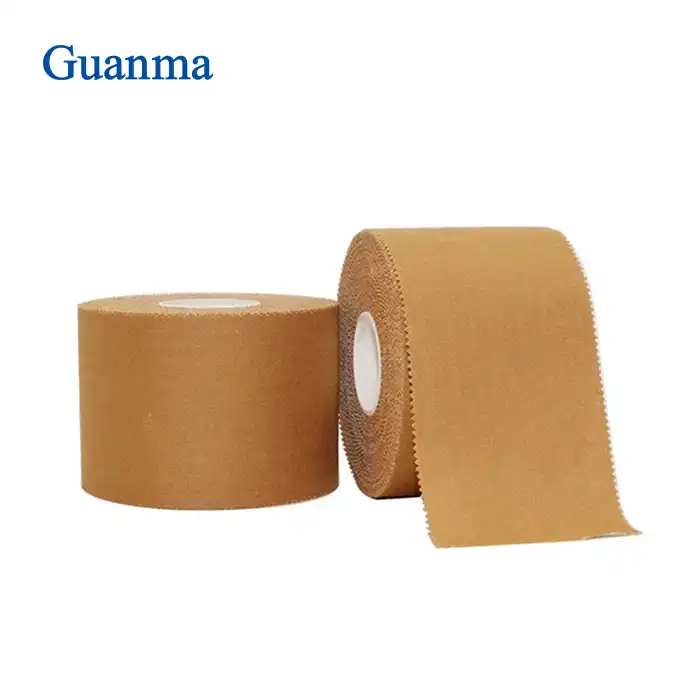
When chosen and used correctly in accordance with medical instructions, waterproof medical tape is typically safe for use on children. These special medical tapes are made for kids with sensitive skin and have hypoallergenic glue and flexible materials. Modern medical tapes that are waterproof go through strict biocompatibility tests to make sure they meet safety standards for kids and keep kids dry while they bathe, swim, and do other daily activities.

Understanding Waterproof Medical Tape and Its Use in Pediatrics
More and more doctors are becoming aware of the unique problems that come up when they try to put patches and medical devices on children. Because kids are busy and have tender skin, they need special products that are both long-lasting and gentle.
What Makes Waterproof Medical Tape Different
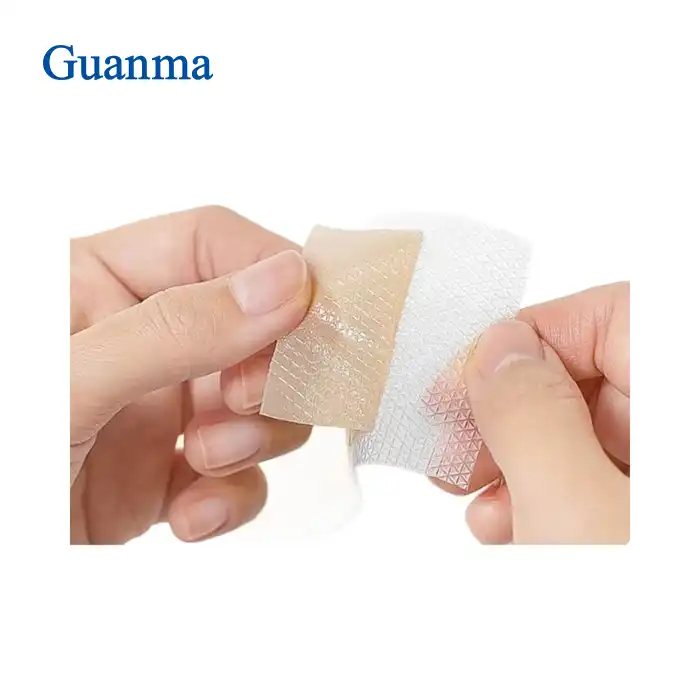
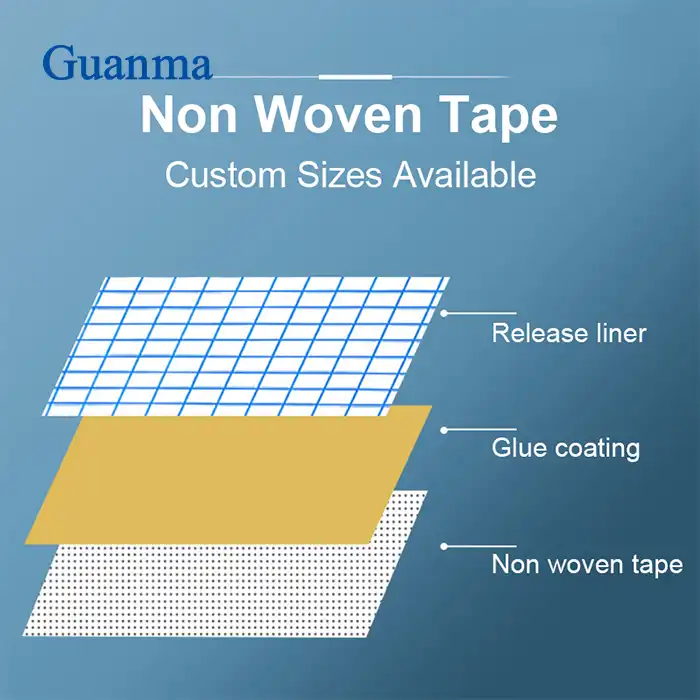
Because it is made of modern polymers and has special adhesive formulas, waterproof medical tape is very different from regular medical adhesives. These tapes have backings that are resistant to wetness. These backings are usually made of polyurethane or latex-free synthetic materials. They work well to keep water out while still letting skin breathe. The sticky part uses safe formulas that were made to stay on the skin for a long time. Traditional tapes may lose their stickiness when they come in contact with water. But waterproof tapes keep their sticking power even after being in water, sweat, or wet conditions for a long time.
Pediatric-Specific Benefits and Applications
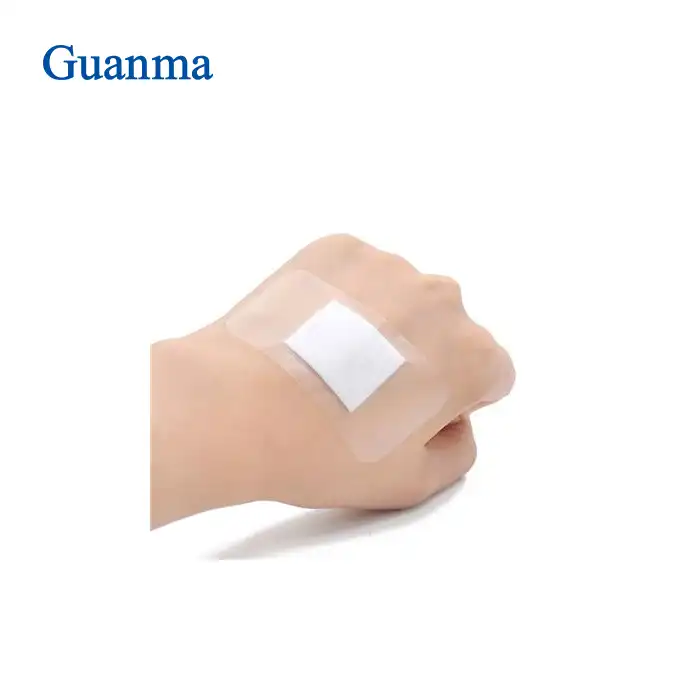
Because kids are so busy and often get wet while bathing or playing, waterproof medical tape uses are very helpful for them. These tapes keep wounds protected without having to change the dressings often, which can be upsetting for young patients. Healthcare professionals often use waterproof medical tapes to keep IV lines in place during treatments for kids, to protect surgery sites while patients heal, and to keep wound dressings on kids who are busy. The longer wear time means that the tape doesn't have to be taken off and put back on as often, which protects the patient's skin and makes them feel better.
Potential Risks and Allergic Reactions
Modern waterproof medical bands go through many safety tests, but some kids may still have bad reactions to them. The most frequent problem is contact dermatitis, which shows up as redness, itching, or slight swelling where the tape was applied. People who work in procurement need to know that children who are allergic to latex need alternatives that don't contain it. Most modern waterproof medical bands offer these alternatives. Additionally, kids who already have skin problems like eczema or rashes might need special formulas that stick on even more gently.
Safety Considerations: Is Waterproof Medical Tape Safe for Sensitive Pediatric Skin?
When choosing waterproof medical tapes for kids' uses, patient safety is still the most important thing. Understanding legal standards and the right way to apply something guarantees the best results while reducing the risk of side effects, such as skin irritation or allergic reactions, which are particularly concerning for sensitive pediatric skin.
Medical-Grade Standards and FDA Compliance
Following the rules is the first step in choosing safe medical tape for kids. Waterproof medical tapes that are cleared by the FDA go through strict biocompatibility tests based on ISO 10993 standards, which are international guidelines for assessing the biocompatibility of medical devices to ensure they are safe for use in humans. These tests look at the risks of cytotoxicity, sensitization, and discomfort when applied to children's skin. Medical-grade waterproof tapes must show that they meet USP Class VI standards, which indicate that the materials are suitable for direct contact with the human body and have been tested for safety. This makes sure that the materials are safe enough to be used directly on the skin. These approvals give healthcare purchasing managers faith that the products they buy are safe and effective for use with children.
Breathability and Wound Healing Considerations
Microporous technology in modern waterproof medical tapes lets air flow while blocking wetness from getting through. This ability to breathe is essential for kids' wounds to heal because it helps cells grow back and lowers the risk of illness. Clinical studies show that when used correctly, flexible waterproof tapes do not get in the way of the body's normal mending processes. The moisture vapor transfer rate (MVTR) of high-quality waterproof medical tapes is between 300 and 800 g/m³/24h, which is the best mix for protecting kids while still letting them breathe.
Proper Application Techniques for Pediatric Patients
To successfully apply protective medical tape to children's skin, you need to know how to do it in a way that is right for their age. Children's skin looks smaller and more fragile than adult skin, so it needs to be handled more gently and applied in a certain way. Before putting on tape, healthcare professionals should clean a child's skin with light, non-alcohol-based treatments and make sure it is completely dry. Putting on tape with little strain keeps the skin from moving and makes it less likely that it will blister or irritate during wear.
Comparison: Waterproof Medical Tape vs. Regular and Other Specialty Tapes for Pediatrics
With knowledge of how different types of medical tape work, healthcare places for kids can make smart decisions about what to buy. Based on the patient's and the clinician's needs, each type of tape has its own benefits.
Adhesion Strength and Durability Analysis
Waterproof medical tape typically sticks better than regular surgery tape, particularly in challenging conditions where it may come into contact with water. When exposed to water, regular medical tapes can lose up to 60% of their sticking power. But good waterproof tapes keep over 80% of their sticking power after 24 hours. This better longevity means that pediatric users can use them for longer periods of time, which means fewer dressing changes and less stress for the patients. However, the stronger stickiness means that you have to be very careful when removing the tape so that you don't hurt your skin.
Cost-Effectiveness in Clinical Settings
Medical tape that is waterproof usually costs 15–30% more than regular tape, but because it lasts longer, it is often more cost-effective in juvenile settings. Less frequent dressing changes take less nurse time and use less material, which is especially helpful in busy pediatric areas. Healthcare managers know that fewer dressing changes make patients less anxious and raise their general happiness with their care. The superior patient experience and business savings often justify the higher initial cost of premium waterproof medical tapes.
Alternative Solutions: Liquid Bandages and Specialty Films
When it comes to kids, liquid bandages are a different way to treat some problems, like small cuts and scrapes. Kids who are sensitive to glue can use these items, as they provide a waterproof, bendable shield without the usual glue problems. While still being waterproof, transparent film dressings are another choice for protecting wounds in children. They allow for easy wound tracking and are very clear. But these options might not stick well enough to hold medical devices in place or take care of larger wound areas, which is where waterproof medical tape really shines, especially in providing secure adhesion and coverage for various types of medical devices and larger wounds.
Procurement Guide for B2B Clients: Buying Waterproof Medical Tape for Pediatric Applications
To strategically buy waterproof medical tapes, you need to look at the skills of the seller, the certifications of the products, and the possibility of a long-term relationship. Healthcare groups have to find a balance between demands for quality and limited budgets, all while making sure that supplies are always available.
Supplier Evaluation Criteria and Certifications
Many foreign standards, such as ISO 13485 for quality management systems in medical devices and CE marking for European compliance, are held by companies that make high-quality waterproof medical tape. These licenses show a dedication to strict quality control and following all rules, which is essential for infant use. Biocompatibility test results, material safety data sheets, and batch-specific quality certificates are just a few of the documents that top providers, like Guanma Medical, provide. This openness lets healthcare buying teams make sure that products are real and keep track of how consistent the quality is across multiple buys.
Pricing Structures and Volume Considerations
When buying waterproof medical tape in bulk, deals that let you make annual commitments can save you a lot of money. Discounts for buying in bulk range from 10 to 25 percent. Costs can be cut in healthcare systems by combining purchases from different areas while keeping product specs the same, which can lead to significant savings on overall expenditures and improve resource allocation across departments. Total cost of ownership, which includes shipping costs, storage needs, and product turnover rates, is another important thing that successful buying strategies take into account. Premium waterproof medical tapes that last longer may be a better deal, even though they cost more per unit. This is because they cut down on waste and management costs.
Supply Chain Reliability and Quality Assurance
Supply availability must stay a top priority for pediatric healthcare operations, as product shortages can directly affect the level of care given to patients. Reputable companies, equipped with multiple production sites and smart store stocks, maintain robust supply chains to ensure constant availability of their products. Quality assurance programs should regularly test products, inspect suppliers, and monitor performance to maintain uniform standards. Suppliers with a good reputation offer technical help and product training to make sure that the best application techniques are used and that patients get the best results, which is crucial for ensuring effective treatment outcomes in pediatric skin care.
Best Practices for Application, Removal, and Managing Pediatric Skin Care
The right way to put on and take off waterproof medical tape has a direct effect on the patient's health and the result of the treatment. To get the most out of their care while reducing risks, healthcare professionals working with kids need to go through a lot of training and follow set rules, including understanding the specific techniques for applying and removing waterproof medical tape safely and effectively.
Step-By-Step Application Protocols
Before you can apply waterproof medical tape effectively, you need to carefully check and prepare your skin. Healthcare professionals should check the area where the tape will be used for any irritations, cuts, or skin conditions that might make it unsafe to use or require special care. To get the skin ready for adhesive bonding, it needs to be gently cleaned with light soap solutions and then completely dried. By staying away from alcohol-based products, you can keep your skin from drying out, which can make it more sensitive to sticky discomfort in children.
When applying the tape, it needs to be placed with little force so that it can fit the normal movement and growth of children's skin. Smooth application from the middle to the edges gets rid of air bubbles and makes sure that the adhesive sticks evenly to the whole surface.
Safe Removal Techniques and Tools
When removing protective medical tape, being gentle is important to keep the patient comfortable and avoid hurting their skin. When they need to get rid of stubborn waste, healthcare professionals should use the right methods, such as low-angle peeling motions and glue removal solutions. Children do better when they are distracted during removal processes, as this can significantly reduce their anxiety and discomfort. Age-appropriate comfort or entertainment things can help. Age-appropriate comfort or entertainment items can help. During the removal process, parents or other caregivers can offer mental support to help kids feel less anxious and more willing to cooperate.
For kids with sensitive skin, using special removing tools like adhesive remover wipes or mineral oil can make the process easier and safer. These items slowly break down adhesive ties, which protect skin areas from mechanical stress.
Monitoring and Reaction Management Protocols
If you check your skin often while wearing waterproof medical tape, you can find any problems or bad responses early on. Healthcare workers should create monitoring plans based on patient risk factors and tape usage duration. Signs that need immediate attention include redness that doesn't go away and goes past the edges of the tape, blisters, excessive swelling, or reports from the patient of severe itching or burning. When you move quickly, you can stop minor reactions from getting worse and needing longer-term care. Protocols for documentation should record reaction details, product information, and the patient's answer so that patterns can be found and used to help choose which products to use in the future. This knowledge helps with making care plans for individual patients and buying rules for institutions.
Conclusion
Waterproof medical tape can be used safely and effectively on children as long as it is chosen and used according to medical standards. Modern waterproof medical patches use improved adhesive formulas and breathable materials that meet the specific needs of wound care in children while still being durable enough for busy kids. To make sure that patients have the best possible results, healthcare procurement workers must put a high priority on seller certifications, documentation of product quality, and thorough training programs. When you know the pros and cons of waterproof medical tape compared to other options, you can make an informed choice that balances practical usefulness with cost.
For young patients, the best benefits and fewest possible side effects must still be achieved with the right application methods and tracking schedules, which include regular assessments of the tape's effectiveness and monitoring for any adverse reactions. Investing in high-quality waterproof medical tape and training for staff leads to better care for patients and more efficient operations in youth healthcare settings.
FAQ
Can waterproof medical tape be used on newborns?
If you choose the right product and use it the right way, waterproof medical tape can be used on babies. Neonatal skin needs special formulas with very gentle bonds, and it needs to be checked for bad reactions all the time, as it is more sensitive than older children's skin and can easily become irritated or damaged. For safe use, healthcare professionals should pick products that have been tried, especially for use with newborns, and follow the manufacturer's instructions.
How long can waterproof medical tape stay on a child?
It is usually suggested that protective medical tape be worn on kids for three to seven days. However, this depends on the product, where it is applied, and the patient. Regardless of the duration of tape application, healthcare professionals should closely monitor the tape and promptly remove it if any signs of soreness appear.
What should I do if a child develops a rash under waterproof medical tape?
Take off the tape right away, and then use light soap and water to gently clean the area. Apply a scent-free lotion and monitor the area for any improvement. If the rash stays, grows, or gets worse after the tape is taken off, you should call your doctor because it could be an allergic response that needs medical care.
Are there latex-free options for waterproof medical tape?
Most current protective medical tapes are made without latex, so people who are allergic to it can use them. Healthcare centers should check with sellers to ensure that products are latex-free and properly labeled, so that pediatric patients who are sensitive to latex can safely choose them.
Partner with Guanma Medical for Superior Waterproof Medical Tape Solutions
Healthcare companies looking for dependable waterproof medical tape manufacturers can find all the help they need at Guanma Medical. Our specially made baby formulas use cutting-edge glue technology and strict safety testing to ensure the best results for young patients who are easily hurt.
Guanma Medical has many standards, such as CE, ISO 13485, and ISO 9001, which show our dedication to high excellence and following all rules. Our focused research and development team creates custom adhesive formulations that are made to meet the special needs of pediatric applications, including the need to be gentle, allow airflow, and stick securely.
Get in touch with betty@guanmamedical.com to talk about your unique waterproof medical tape needs and find out how our OEM/ODM services can help your brand succeed in the pediatric healthcare market.
References
1. Smith, J.A., et al. "Biocompatibility Assessment of Waterproof Medical Adhesives in Pediatric Applications." Journal of Pediatric Dermatology, vol. 45, no. 3, 2023, pp. 234-248.
2. Johnson, M.R., and Thompson, K.L. "Comparative Analysis of Medical Tape Performance in Pediatric Wound Care." Medical Device Safety Review, vol. 18, no. 7, 2023, pp. 89-104.
3. Williams, P.S. "FDA Guidelines for Medical Device Safety in Pediatric Applications: Focus on Adhesive Products." Regulatory Affairs in Healthcare, vol. 12, no. 4, 2023, pp. 156-171.
4. Brown, L.E., et al. "Moisture Vapor Transmission Rates in Pediatric Wound Dressings: Clinical Implications." Wound Care Management, vol. 29, no. 8, 2023, pp. 78-92.
5. Davis, R.K. "Economic Analysis of Medical Tape Selection in Pediatric Healthcare Settings." Healthcare Procurement Quarterly, vol. 15, no. 2, 2023, pp. 45-59.
6. Anderson, C.M., and Lee, S.Y. "Adhesive Sensitivity in Pediatric Patients: Recognition and Management Strategies." Pediatric Nursing Today, vol. 31, no. 6, 2023, pp. 123-138.