_1745479303268.webp)
Kinesiology Sports Tape vs Athletic Tape: What’s the Difference?
2026-07-06 09:26:24
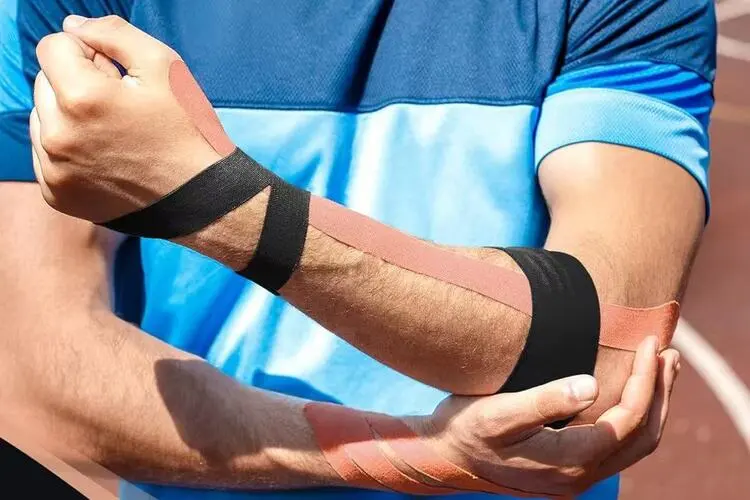
When looking for therapeutic tapes for your medical supply chain, it's important to understand the fundamental distinctions between kinesiology sports tape and Athletic Tape. The elastic properties of Kinesiology Sports Tape are similar to the natural flexibility of skin. This helps support muscles while letting them move freely. On the other hand, athletic tape provides rigid support to keep joints from moving and immobilises them. This difference in function, material make-up, and application method has a direct effect on clinical results, patient comfort, and, in the end, your choices about what to buy and how to handle your inventory.
Understanding the Basics of Kinesiology Sports Tape and Athletic Tape
Material Composition and Design Philosophy
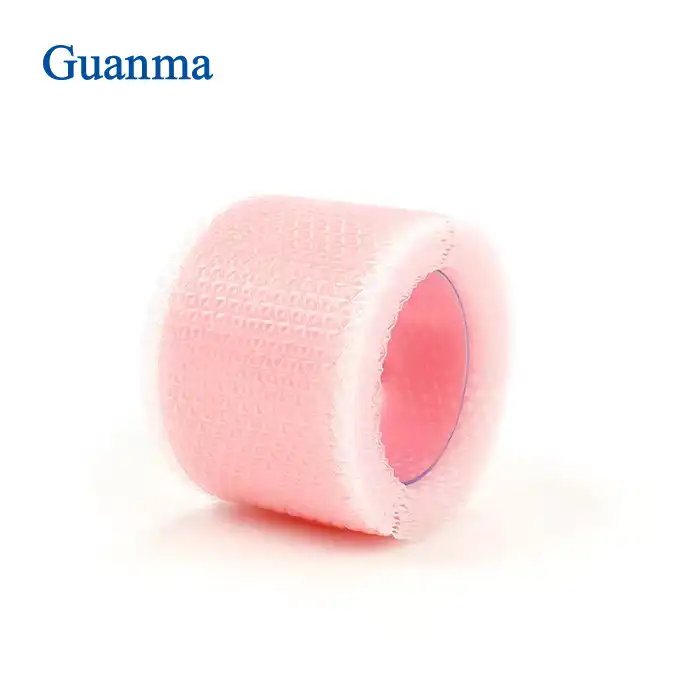
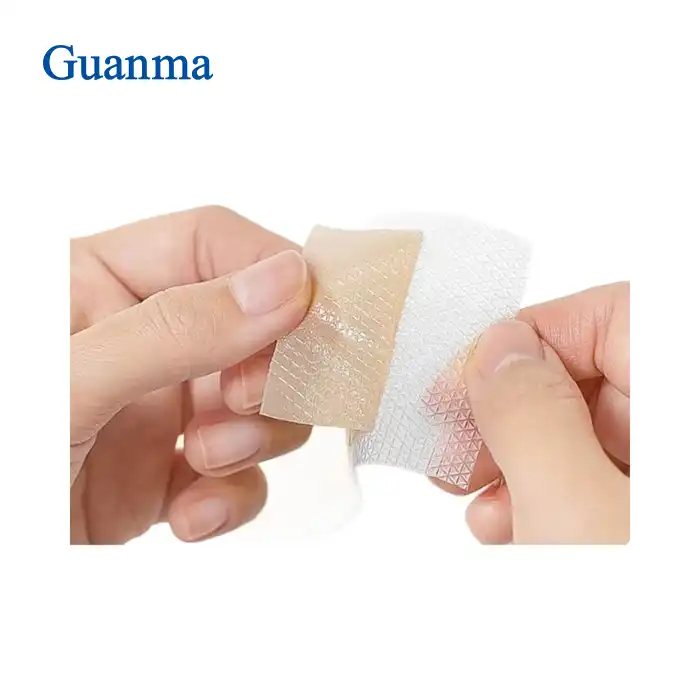
Kinesiology sports tape is made from cotton or rayon blends that are breathable and has a special wave-patterned adhesive back. Because it is elastic, it can stretch 140 to 180 per cent along its length. This lets muscles move naturally while giving light support. The hypoallergenic medical acrylic pressure-sensitive adhesive (PSA) sticks securely without latex, so it can be used on areas with sensitive skin. Products from Guanma Medical use high-quality cotton and rayon materials along with medical-grade acrylic PSA. These products meet CE and ISO 13485 approval standards for being biocompatible.
Athletic tape is made in a very different way. This tape doesn't stretch much or at all because it's usually made from non-elastic cotton or synthetic fibers. The formulation for the adhesive focuses on strong bonding right away to keep the joints from moving during high-impact activities. Athletic Tape works well for stabilisation, but it doesn't breathe as well as kinesiology sports tape, which can make it uncomfortable to wear for long periods of time.
Functional Characteristics and Clinical Applications
The therapeutic mechanism of Kinesiology sports tape works by making it easier for lymph fluid to drain, improving proprioception, and supporting muscle function without blocking circulation. When used with the right amount of strain, the tape moves the skin microscopically, which makes room for better blood flow and less swelling. Because of this, it is very useful for rehabilitation situations, managing chronic pain, and sports medicine that aims to avoid injuries.
Athletic tape has a clear purpose: to keep joints stable and avoid injuries by limiting movement. This tape is put on the ankles, wrists, and fingers by sports medicine professionals to prevent dangerous ranges of motion during competition. The rigid support keeps the injury from happening again, but it also limits performance, making it less useful for tasks that need flexibility.
Market Options and Brand Context
Brands like KT Tape and RockTape, which were both early adopters of kinesiology sports tape uses, are well-known in the therapeutic tape market. But procurement professionals are becoming more and more aware that private-label manufacturing has big benefits. Manufacturers with specialized skills, like Guanma Medical, offer OEM and ODM services. These services let distributors, pharmacy chains, and hospital networks make their own branded products with customised adhesive formulations; sizing options (ranging from 2.5 cm to 7.5 cm); and packaging arrangements that fit their market positioning strategies.
Comparative Analysis: Kinesiology Sports Tape vs Athletic Tape
Performance Characteristics and Application Methodology
In order to judge the performance of a tape, you have to look at a number of factors that have a direct effect on its clinical usefulness and user satisfaction. Kinesiology sports tape works better on a wider range of injuries and body parts. The stretchiness allows muscles to expand during activity, and the porous substrate keeps the skin's integrity for 3–5 days of wear. The right way to apply tension involves using specific percentages—usually between 0 and 50% stretch, based on the therapy goals—and only a trained professional can do it correctly for optimal results.
The steps for applying athletic tape are easier, but it needs to be reapplied frequently. The stiffness stabilizes joints right away, but most users have to remove it after a single session because it is uncomfortable and causes moisture to build up. This single-use pattern has a big effect on procurement cost calculations when you compare per-application costs to per-roll prices.
User Comfort and Skin Compatibility
Patient compliance is directly related to how comfortable the product is to wear for long periods of time. Kinesiology sports tape is made in a way that lets moisture vapour pass through, so it doesn't cause skin irritation or maceration like some occlusive materials do. The hypoallergenic acrylic adhesive reduces allergic responses as much as possible, but everyone is different in how sensitive they are. There are many colour choices for both personal taste and practical reasons—neutral tones for discreet wear, while bright colours help with brand identification in athletic settings.
Because athletic tape doesn't breathe, it can be difficult to use for long periods of time. If moisture builds up under the tape, it can make it less sticky and create environments for bacterial growth. When used on sensitive skin, aggressive adhesives made for short-duration, high-stress situations often irritate the skin. Because of these factors, athletic tape is not as suitable for patient populations requiring multi-day support.
Economic Considerations for Bulk Procurement
Cost analysis needs to look at more than just the price per unit; it needs to encompass the total cost of the application. Athletic tape usually has lower starting costs, but because it is single-use, the consumption rate is much higher. A rehabilitation centre that sees 50 patients every day might need 200–300 rolls every month, while 80–120 rolls of Kinesiology Sports Tape would cover the same amount of care due to extended wear times.
Cost-effectiveness is greatly affected by differences in quality. Premium kinesiology sports tape remains securely in place for several days, even during activity, showering, and sweating. Lower-quality options come off early and need to be replaced in the middle of treatment. Instead of just focusing on price, procurement specifications should put an emphasis on adhesive technology, substrate durability, and manufacturer certifications. Manufacturers who keep their ISO 13485 certification show that they handle quality in a systematic way, which lowers the risk of batch inconsistency.
How to Choose the Right Tape for Your Business Needs?
Client Profile Assessment and Application Requirements
A thorough study of the client's needs is the first step in strategic tape selection. In competition settings, athletic groups value rapid joint stabilisation and prefer athletic tape, even though it is used more often. Rehabilitation facilities require versatile kinesiology sports tape that can support a wide range of treatment protocols for different patient groups. Pharmacy retail channels sell goods to people who want user-friendly items with clear instructions on how to use them. Hospital procurement, on the other hand, focuses on buying products that are in line with regulations and have biocompatibility documentation.
Understanding the capabilities of the end user affects the choice of goods. Medical professionals trained in therapeutic taping methods maximise the clinical potential of Kinesiology Sports Tape through precise application. For consumer retail products to be used correctly at home, they need to be intuitive and come with clear directions, potentially favouring pre-cut strips or simpler application patterns.
Critical Selection Criteria for Procurement Specifications
When establishing supplier relationships and product specifications, several technical parameters warrant careful evaluation:
Adhesive Performance: Medical acrylic PSA formulations provide hypoallergenic properties with strong, repositionable adhesion. Zinc oxide adhesives offer aggressive initial tack but may irritate sensitive skin. Testing adhesive strength across temperature ranges and moisture conditions ensures consistent performance in diverse environments.
Substrate Quality: Cotton offers superior breathability and comfort, while rayon blends enhance durability and moisture resistance. Material weight (typically 140-180gsm) affects conformability and visual discretion. Premium substrates maintain structural integrity through multiple days of mechanical stress without delamination or adhesive failure.
Regulatory Documentation: CE marking and ISO 13485 certification verify manufacturing quality systems meeting international medical device standards. Biocompatibility test reports confirming cytotoxicity, sensitisation, and irritation testing provide essential safety validation. Procurement contracts should mandate complete technical documentation, including Material Safety Data Sheets and regulatory compliance certificates.
Customization Capabilities: OEM partnerships enable brand differentiation through customised adhesive formulations addressing specific market needs—enhanced moisture resistance for aquatic therapy, extended wear formulations for post-surgical applications, or gentle adhesives for geriatric populations. Package customization, including private labelling and market-specific instructions, strengthens brand positioning and customer loyalty.
Supplier Partnership Evaluation
Long-term procurement success depends on supplier reliability extending beyond product quality. Manufacturers with established R&D capabilities can rapidly adjust formulations, responding to emerging clinical requirements or competitive market conditions. Production capacity and inventory management systems ensuring consistent supply during demand fluctuations prevent costly stockouts.
Communication infrastructure supporting 24/7 technical consultation demonstrates supplier commitment to partnership success. Responsive technical teams addressing application concerns, product performance issues, or regulatory enquiries add substantial value beyond commodity pricing. Manufacturers like Guanma Medical, with over 30 years of PSA coating expertise and systematic quality management, provide the operational stability essential for strategic supplier relationships.
Practical Insights: Application Techniques and Real-World Cases
Proper Application Methodology for Optimal Performance
The correct application technique directly determines clinical outcomes and product performance. In the preparation phase, alcohol is used to clean the application sites and remove oils and lotions that compromise adhesion. Skin should be completely dry, and excessive hair should be clipped, not shaved (which creates irritation), to maximise skin-adhesive contact.
To use kinesiology sports tape, you must cut it to the right length and round the corners to prevent premature edge lifting. The initial anchor is applied with zero tension and pressed firmly to activate adhesive bonding. Middle sections apply with 25-50% stretch for muscle support or 0-15% for lymphatic drainage. The final anchor is applied without tension, ensuring secure edge adhesion. Vigorous rubbing after application generates friction heat, activating the adhesive properties for maximum bonding.
Clinical Case Applications
Knee Support Protocol: Patellar tracking dysfunction represents a common application scenario. With the Y-strip technique, the base of the tape is positioned below the kneecap, with arms extending along the vastus medialis and vastus lateralis muscles. Applied with 25% tension during slight knee flexion, this setup provides dynamic patellar stabilisation during walking while permitting a normal range of motion. Patients report reduced pain during stair navigation and prolonged standing, with the tape remaining effective through 3-4 days of activity.
Shoulder Rehabilitation: Recovery from rotator cuff strain benefits from therapeutic taping supporting the supraspinatus and deltoid muscles. With 15-25% tension, an I-strip extends from the upper arm insertion point, across the shoulder, to the scapular attachment. This application reduces muscular compensation patterns during healing, facilitating proper movement mechanics. Combined with physical therapy protocols, patients demonstrate accelerated functional recovery compared to unsupported rehabilitation.
Common Application Errors and Corrective Strategies
The most frequent error is applying excessive tension, which can irritate the skin, restrict circulation, and cause premature tape failure. Education emphasising gentle stretch application—where the tape should return partially toward resting length after application—prevents these complications. Inadequate skin preparation allows oils and moisture to compromise adhesion, resulting in edge lifting. Implementing standardised preparation protocols ensures consistent application success across clinical staff.
Improper tape removal techniques create unnecessary patient discomfort. Rather than rapid tearing, proper removal involves applying oil or adhesive remover while slowly peeling the tape in the direction of hair growth, supporting the skin with counter-pressure. This gentle approach prevents skin trauma and enhances patient acceptance for subsequent treatments.
Conclusion
Distinguishing between Kinesiology sports tape and athletic tape properties enables procurement professionals to align product selection with clinical requirements and operational priorities. Kinesiology sports tape delivers versatile muscle support, extended wear capabilities, and superior patient comfort, making it ideal for rehabilitation centres, sports medicine practices, and retail pharmacy channels. Athletic tape provides rigid joint stabilisation for acute injury prevention in competitive sports settings, though limited breathability and single-use economics constrain broader applications. Successful procurement strategies evaluate total application costs, regulatory compliance documentation, and supplier manufacturing capabilities beyond initial pricing considerations. Partnering with certified manufacturers offering customisation services, responsive technical support, and consistent quality management systems optimises both clinical outcomes and supply chain performance.
FAQ
Does kinesiology tape actually provide clinical benefits?
Multiple clinical studies demonstrate kinesiology sports tape's effectiveness for specific applications. Research published in sports medicine journals shows statistically significant pain reduction in knee osteoarthritis patients and improved proprioception in ankle instability conditions. The mechanism involves sensory stimulation and biomechanical support rather than structural stabilisation. However, effectiveness depends heavily on proper application technique and appropriate indication selection. Athletic tape provides measurable joint restriction, but Kinesiology Sports Tape's benefits emerge through facilitated movement rather than immobilisation.
How long can patients safely wear therapeutic tape continuously?
Recommended wear duration ranges from 3 to 5 days for quality Kinesiology Sports Tape with proper application. Skin inspection during tape changes monitors for irritation or allergic reactions. Patients should remove the tape immediately if experiencing itching, burning sensations, or visible skin reactions. Athletic tape typically requires removal after single-use sessions due to comfort limitations and moisture accumulation. Extended wear beyond manufacturer recommendations increases infection risks and skin trauma.
Do colour variations affect tape performance or skin sensitivity?
Dye formulations used in coloured Kinesiology Sports Tape undergo biocompatibility testing as part of medical device certification. Quality manufacturers ensure pigments meet safety standards without compromising hypoallergenic properties. However, individual sensitivities vary, and some practitioners recommend neutral tones for patients with reactive skin histories. Colour selection often serves branding, aesthetic preferences, or psychological factors rather than functional performance differences.
Partner with Guanma: Your Trusted Kinesiology Sports Tape Manufacturer
Guanma Medical delivers premium Kinesiology Tape solutions backed by three decades of PSA coating expertise and rigorous quality control systems. Our products feature hypoallergenic medical acrylic adhesive, breathable cotton and rayon substrates, and comprehensive CE and ISO 13485 certification. We provide complete OEM and ODM customisation services—from adhesive formulation adjustments to private label packaging—supporting brand owners, distributors, and hospital networks in building competitive product portfolios. Our technical team responds promptly to specification enquiries and application support requests, ensuring seamless integration into your supply chain. Contact betty@guanmamedical.com to discuss your requirements, request product samples, or explore bulk pricing options for kinesiology sports tape supplier partnerships.
References
1. Williams, S., Whatman, C., Hume, P. A., & Sheerin, K. (2012). Kinesio taping in treatment and prevention of sports injuries: a meta-analysis of the evidence for its effectiveness. Sports Medicine, 42(2), 153-164.
2. Morris, D., Jones, D., Ryan, H., & Ryan, C. G. (2013). The clinical effects of Kinesio Tex taping: A systematic review. Physiotherapy Theory and Practice, 29(4), 259-270.
3. Campolo, M., Babu, J., Dmochowska, K., Scariah, S., & Brancolini, J. (2013). A comparison of two taping techniques (kinesio and athletic) and their effect on anterior cruciate ligament rehabilitation. International Journal of Sports Physical Therapy, 8(2), 62-71.
4. Kalron, A. & Bar-Sela, S. (2013). A systematic review of the effectiveness of Kinesio taping for musculoskeletal pain. Physical Therapy Reviews, 18(3), 190-201.
5. Parreira, P. C. S., Costa, L. C. M., Hespanhol, L. C., Lopes, A. D., & Costa, L. O. P. (2014). Current evidence does not support the use of Kinesio Taping in clinical practice: a systematic review. Journal of Physiotherapy, 60(1), 31-39.
6. Mostafavifar, M., Wertz, J., & Borchers, J. (2012). A systematic review of the effectiveness of kinesio taping for musculoskeletal injury. The Physician and Sportsmedicine, 40(4), 33-40.