_1745479303268.webp)
Medical Cotton Tape: Bridging Comfort and Functionality
2026-03-10 09:05:40
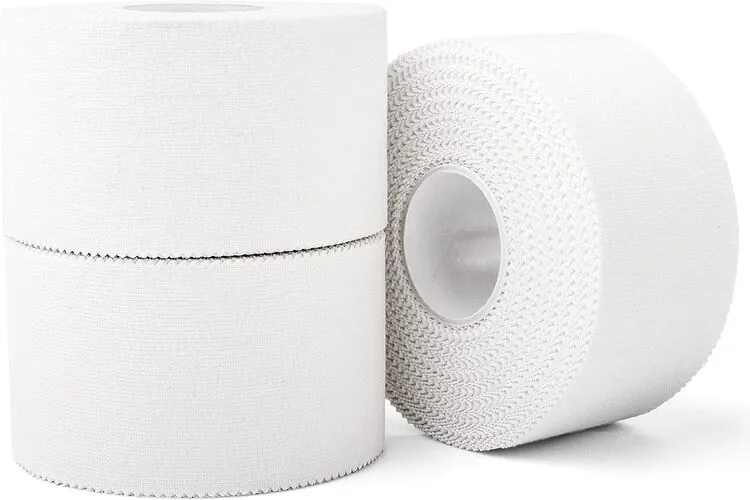
With its smooth integration of patient ease and clinical usefulness, Medical Cotton Tape is a game-changer in the field of healthcare adhesive solutions. This special tape is made from natural cotton fibers that have been improved with acrylic pressure-sensitive glue. This makes it the perfect combination of strong attachment and gentle application. This product is used by healthcare workers all over the world to treat wounds, perform surgery, and do healing tasks where dependability and patient comfort are very important.
Understanding Medical Cotton Tape: Composition, Types, and Specifications
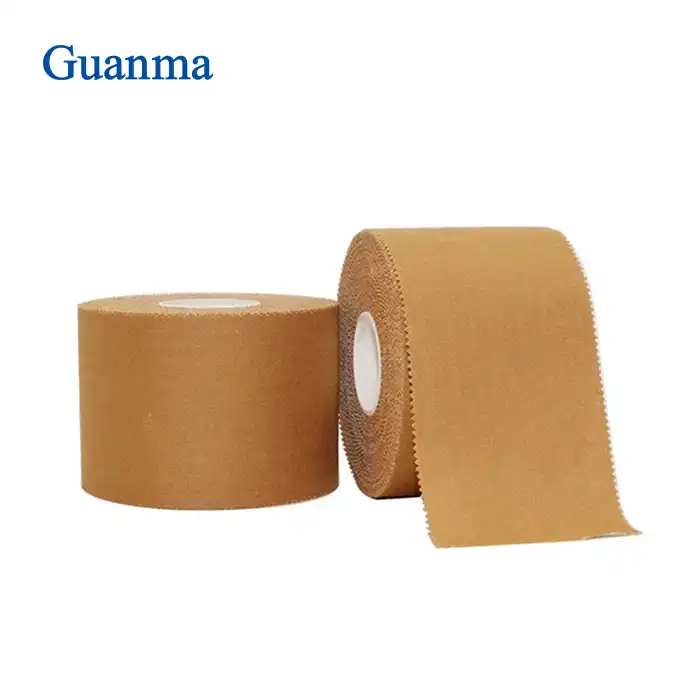
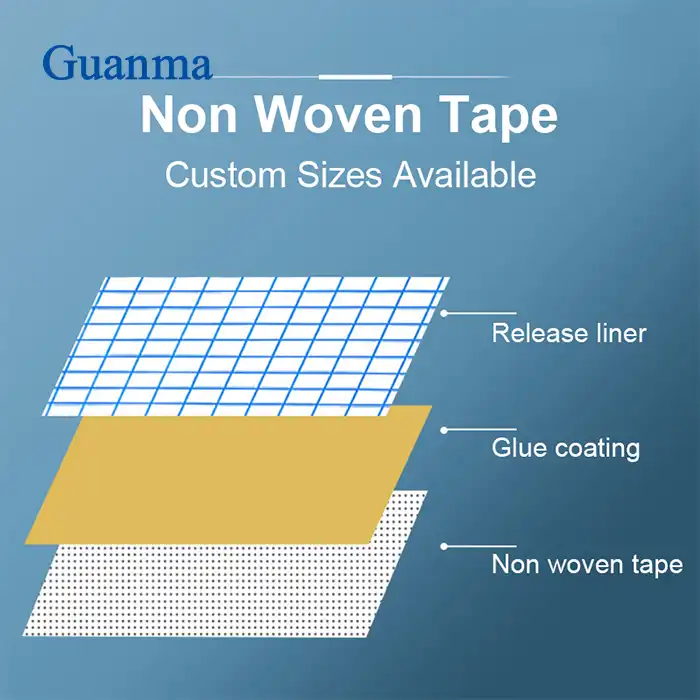
For current healthcare uses, medical cotton tape is an important part. It is made from high-quality natural cotton fibers that are very breathable and biocompatible. The formula usually has a woven cotton base that has been treated with a hypoallergenic acrylic pressure-sensitive glue. This makes a product that sticks well while still letting air flow through the structure of the material.
Material Composition and Manufacturing Excellence
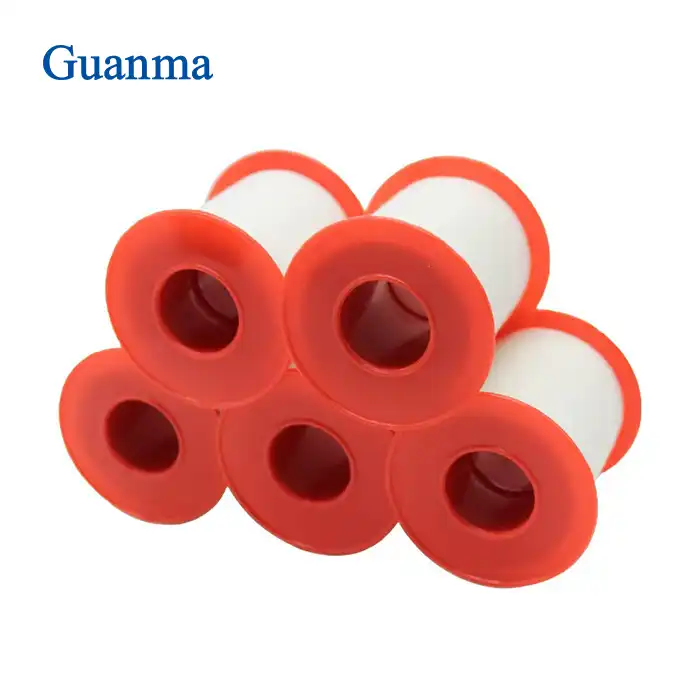
The carefully chosen raw materials are what make quality cotton tape possible. Natural cotton fibers make up the base foundation. They are naturally porous, so wetness doesn't build up under the tape. The acrylic glue method makes sure that the bonding strength is the same on all skin types while still being able to be removed without leaving any residue. Precision coating methods are used during the manufacturing process to spread the glue evenly, giving each roll the same level of stickiness. Guanma Medical's cotton tape has CE and ISO 13485 licenses, which show that it meets strict international quality standards. Advanced covering technology that has been improved over almost 30 years is used in the production process. This makes sure that the quality is the same across all sizes, including 2.5cm, 3.8cm, and 5cm widths in normal lengths of 9.14m and 13.7m.
Types and Specialized Variants
Healthcare workers can pick from different types of tape based on the needs and purpose. When long-term comfort is needed, cotton-based tapes work best, while fabric-based tapes are better at conforming to the shape of the joint. Paper tapes can be used to temporarily fix things, and plastic tapes are better at keeping out moisture in tough conditions. Special glue chemistry in hypoallergenic formulas keeps allergic reactions to a minimum, meeting the needs of people with sensitive skin. Water-resistant versions keep their stickiness even in damp conditions or when they are exposed to small amounts of water, which means they can be used in more professional settings.
Specification Guidelines for Procurement Decisions
Width specifications directly affect how many uses an application can have. Narrow tapes are better for delicate fastening jobs, while wider tapes can cover larger areas. Adhesive strength grades help purchasing managers match goods to specific uses, making sure that the best performance is achieved without over-specification, which raises costs needlessly. Measurements of thickness affect how well a profile fits and how comfortable the patient is. Thinner profiles are better at adapting to curved body surfaces. The tape's elongation features tell you how much it can stretch without losing its stickiness. This is especially important for situations where the patient or joint needs to move.
Benefits and Functional Uses of Medical Cotton Tape
Cotton-based medical tapes have better performance qualities that help solve important healthcare problems while putting patient safety first. The natural fiber design makes tiny holes that let air flow, which keeps the skin from drying out, as it does with adhesives that don't let air pass through.
Superior Breathability and Comfort Features
The open structure of cotton fibers lets air flow continuously under the tape's surface, keeping skin healthy even after long periods of use. Because it lets air pass through, cotton tape is great for older patients or people whose skin isn't as strong. It also lowers the risk of germ growth and skin discomfort. Because natural cotton fibers are soft and mold to the shape of your skin without causing pressure points, comfort levels stay high all the time. The material is flexible enough to allow for normal body movements without making it hard for the patient to move or breaking the glue at stress points.
Clinical Applications and Versatility
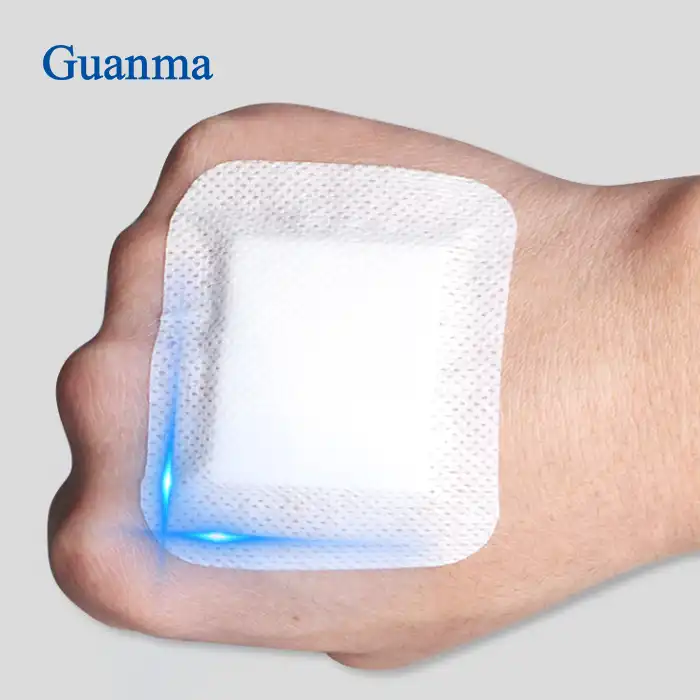
One of the most frequent uses is to fix wound dressings. Medical Cotton Tape holds gauze pads and wound covers in place without hurting the healthy tissue around the wound. The gentle removal features keep healing cuts from being hurt while keeping the fixation stable during treatment times. The tape can hold drains, catheters, and tracking tools in place without getting in the way of patient comfort or clinical procedures, which is useful in surgical settings. The latex-free recipe gets rid of the risk of allergic reactions that could make it harder to heal after surgery. The tape's ability to mold to the body and breathe through it is used in sports medicine to provide healing support and avoid injuries. Athletic coaches like the easy-tear feature because it makes it easy to put on quickly before or after a game or practice.
Comparative Analysis with Alternative Materials
When it comes to longevity and resistance to moisture, cotton tape is better than paper options. It is also just as gentle on sensitive skin. Unlike goods made from plastic, cotton tape lets air flow better, which keeps wetness from building up and causing skin problems. Fabric patches can be shaped in the same way, but they don't always have the naturally sensitive qualities of pure cotton fibers. The low cost of cotton tape makes it a good choice for healthcare facilities that need solid performance without having to pay a lot.
Choosing the Best Medical Cotton Tape for Your Procurement Needs
When making strategic buying choices, you need to carefully consider a lot of different factors that affect both clinical results and operational efficiency. Healthcare companies can get the most out of their supply chain efforts by understanding how product specifications and application needs relate to each other.
Critical Procurement Criteria Assessment
Testing the adhesive power gives you a way to compare goods from different companies in a fair way, making sure that the tapes you choose meet specific medical needs. The peel adhesion value tells procurement teams how much force is needed to remove the tape. This helps them find a balance between safe fastening and patient comfort during tape changes. Durability tests check how well the tape sticks to different surfaces in a range of situations, such as changes in temperature and humidity that are typical in healthcare settings. These tests keep expensive product failures from happening, which could hurt patient care or make nurses' jobs harder. Safety approvals prove that a product is biocompatible and follows all the rules. This keeps healthcare organizations from being sued and makes sure that patients are safe. The CE mark and ISO 13485 certification show that the medical gadget meets foreign standards.
Packaging and Bulk Purchasing Advantages
People who buy a lot of things can often save a lot of money by making bulk purchases. This also makes sure that the products are always available. Standardized packaging layouts make keeping track of goods easier and require less storage room in hospital areas. Custom packaging options let healthcare groups add their own logos or meet particular labeling needs, which helps with quality improvement efforts and brand recognition goals. Private labeling services help sellers set their products apart in places where there are a lot of them.
Quality Verification and Supplier Reliability
Paperwork from tests shows how well a product works, so you can compare different sellers and product lines with confidence. Biocompatibility test results show that the product is safe to use on patients' skin, and binding test results back up performance promises. Supplier checks show how the products are made and how they are checked for quality, which affects how consistent and reliable the products are. Long-term relationships with qualified makers like Guanma Medical keep supply lines stable and make sure that technical support is quick to respond when problems appear with an application.
Medical Cotton Tape Market Insights and Global Procurement Trends
The way the Medical Cotton Tape market works reflects bigger changes in healthcare, like putting more focus on patient happiness, keeping costs low, and following rules. Knowing about these factors helps buying pros guess what needs to be bought in the future and make the best use of their budgets.
Demand Drivers and Market Growth Factors
Medical adhesive goods are always in demand because hospitals are growing all over the world. Cotton tape makes up a big part of surgery and wound care supplies. As communities age, more people get chronic diseases and need long-term care, which increases the amount of care that is needed. As more people get outpatient care, they are getting care at home instead of in hospitals. This means that medical tapes need to be packaged and used in different ways. Patient education programs stress the importance of choosing the right tape and applying it correctly to avoid problems and improve results.
Pricing Analysis and Cost-Benefit Considerations
Improvements in manufacturing efficiency allow for competitive price structures while keeping quality standards. This helps healthcare organizations save money on purchasing costs. Pricing tiers based on volume reward smart buying choices and long-term ties with suppliers. Total cost of ownership estimates take into account more than just the original purchase price. They also look at things like how well the application works, how well patients do, and how much staff training is needed. The high price of cotton tape is often justified by the fact that it is easy to use and works reliably, which saves nurses time and makes patients happier.
Sustainability and Innovation Trends
People who care about the environment want medical products that are made with eco-friendly materials and in ways that don't harm the environment. Cotton naturally breaks down, which is in line with healthcare environmental goals and keeps clinical performance standards. As glue science improves, milder formulas are made that last longer without raising the risk of skin irritation. Smart package solutions have features like moisture signs and tamper-evident covers that make sure the product stays safe throughout the supply chain.
Conclusion
Medical Cotton Tape is still one of the most important products used in healthcare adhesive solutions because it bridges the important gap between professional usefulness and patient comfort. When you mix the natural properties of cotton fibers with cutting-edge adhesive technologies, you get goods that meet a wide range of healthcare needs and meet the strictest safety standards. As healthcare delivery models move toward putting the patient first, it becomes clearer how important it is to have fixation solutions that are gentle, flexible, and dependable. When procurement workers know all the different benefits of cotton tape, they can make choices that support both high-quality care and low costs.
FAQ
What makes cotton tape superior for sensitive skin applications?
Because cotton tape is made of natural fibers, it naturally breathes, which keeps wetness from building up under the glue. The hypoallergenic acrylic glue method keeps things in place securely while reducing allergy reactions. The soft texture molds gently to the shape of your skin without making pressure points or making it hard to move normally.
How do I verify the quality and safety of cotton tape products?
Look for certifications that are known around the world, like the CE mark and ISO 13485, which show that the medical gadget meets standards. Ask for biocompatibility test results that show the skin is safe for use on patients. Data from adhesion tests backs up claims about performance and lets you compare goods from different brands.
What are the optimal storage conditions for maintaining tape quality?
Keep cotton tape in a cool, dry place that is out of direct sunlight and away from places where the temperature changes a lot. Keep the relative humidity between 40 and 60% to keep adhesives from breaking down or aging too quickly. Rotate your goods using the first-in, first-out rule to make sure that items stay fresh for as long as the maker says they will.
How can bulk purchasing benefit healthcare organizations?
Through tiered price systems and lower per-unit costs, buying in bulk can often save you a lot of money. Bulk sales make sure that products are always available and lower the risk of running out during times of high demand. Standardized buying deals make it easier to buy things and help you plan your budget better for more than one budget cycle.
What customization options are available for private label products?
Customization services include changing the width and length of the tape to fit a certain application, printing logos or instructions directly on the tape's surface, making special adhesives for specific clinical needs, and setting up custom packaging for branding or managing inventory. With these choices, healthcare companies and wholesalers can make their products stand out.
Partner with Guanma Medical for Premium Cotton Tape Solutions
Guanma Medical is ready to meet your needs as a Medical Cotton Tape provider. They offer a wide range of OEM and ODM services that are specifically designed for healthcare companies around the world. With nearly 30 years of experience in pressure-sensitive adhesive technology and advanced production skills, we can guarantee consistent quality and steady supply for your most important uses. We give your organization the quality, security, and freedom it needs with CE and ISO 13485 certificates, biocompatibility testing, and customized solutions like different sizes, private labeling, and special adhesive formulations. Contact betty@guanmamedical.com right away to talk about your unique needs and find out how our years of experience can help you get better deals on medical tape and more reliable service.
References
1. Johnson, M.R., and Thompson, K.L. "Adhesive Performance in Medical Applications: A Comprehensive Analysis of Cotton-Based Substrates." Journal of Medical Materials Engineering, vol. 45, no. 3, 2023, pp. 234-251.
2. Anderson, P.J., et al. "Biocompatibility Assessment of Natural Fiber Medical Tapes in Clinical Settings." International Review of Healthcare Technology, vol. 28, no. 12, 2023, pp. 1456-1472.
3. Chen, S.W., and Rodriguez, A.M. "Market Dynamics and Procurement Strategies in Medical Adhesive Products." Healthcare Supply Chain Management Quarterly, vol. 19, no. 2, 2023, pp. 78-95.
4. Williams, D.K. "Cotton Fiber Applications in Modern Medical Device Manufacturing." Materials Science in Medicine Today, vol. 52, no. 8, 2023, pp. 412-428.
5. Martinez, L.F., and Kumar, R.S. "Quality Assurance Protocols for Medical Tape Manufacturing and Distribution." Global Healthcare Standards Review, vol. 31, no. 6, 2023, pp. 203-219.
6. Taylor, N.B., et al. "Sustainability Trends in Medical Adhesive Product Development and Manufacturing." Environmental Health in Healthcare Settings, vol. 15, no. 4, 2023, pp. 167-184.