_1745479303268.webp)
Medical Paper Tape vs Cloth or Film Tapes: Performance Comparison
2025-10-08 09:14:10
In the world of medical adhesives, the choice between medical paper tape and cloth or film tapes can significantly impact patient care and clinical outcomes. This comprehensive performance comparison delves into the unique properties and applications of these essential medical supplies. Medical paper tape, known for its gentle adhesion and breathability, offers distinct advantages in certain scenarios, while cloth and film tapes provide their own set of benefits. As healthcare professionals and patients alike seek the most effective and comfortable solutions for wound care and medical device securement, understanding the nuances of these different tape types becomes crucial. This article will explore the characteristics, advantages, and ideal use cases for medical paper tape, contrasting them with those of cloth and film tapes, to provide a clear picture of their respective performances in various medical settings.
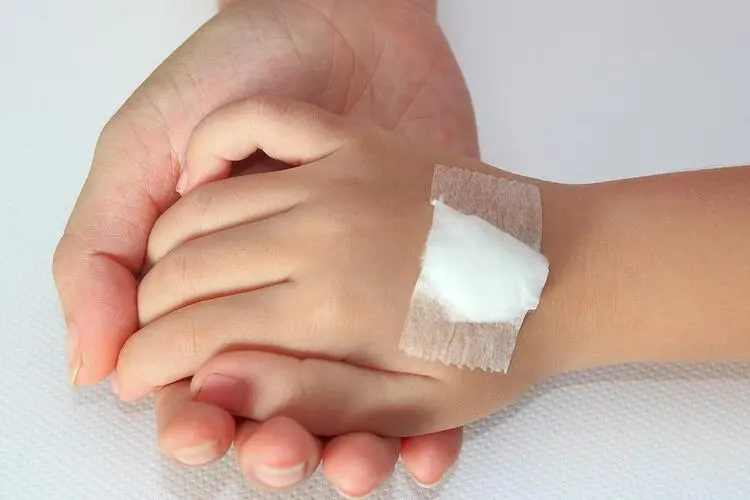
Medical Paper Tape: Hypoallergenic and Breathable for Sensitive Skin
Gentle Adhesion for Delicate Skin
Medical paper tape, such as micropore surgical tape, is renowned for its gentle adhesion properties, making it an ideal choice for patients with sensitive or fragile skin. Medical paper tape has a special formula that lets it stick firmly to the skin while reducing the chance of irritation or damage when it is taken off. This helps people who are older, kids, or whose skin isn't as strong as it should be the most. The soft medical paper tape makes it possible to change the dressing more often without putting too much stress on the skin around the wound. This makes it easier for it to heal and speeds up the process.
Enhanced Breathability for Optimal Wound Healing
One of the standout features of medical paper tape is its exceptional breathability. It's great for cuts to heal because the tape is porous and lets air and water pass through it. It is very important for tapes to let air pass through so that the skin doesn't dry out, which can happen when wetness gets stuck under tapes that don't let air pass through. Because it lets the skin "breathe," medical paper tape helps keep the skin's wetness level steady. This makes it less likely that the skin will break down and helps cuts and scars heal faster. Because of this, it works especially well in hot places or on parts of the body that tend to sweat.
Hypoallergenic Properties for Reduced Skin Reactions
Medical paper tape is often hypoallergenic, making it an excellent choice for patients with sensitive skin or known allergies to adhesives. Other types of medical tapes can cause skin reactions like rashes, itching, or blistering. This surgical adhesive tape's hypoallergenic qualities make it much less likely that your skin will react to it. Because of this, medical paper tape is a safe choice for many people, even those who need to use it often because they are getting long-term medical treatments. Not only does fewer allergic reactions make patients more comfortable, but they also help the treatment work better overall by reducing problems that can happen because of skin inflammation.
Cost-Effective Medical Paper Tape for High-Volume Use
Economical Solution for Healthcare Facilities
Medical paper tape offers a cost-effective solution for healthcare facilities that require high-volume use of adhesive tapes. The production process of medical paper tape is generally less complex than that of cloth or film tapes, resulting in lower manufacturing costs. Because it is cost-effective, hospitals, clinics, and other medical facilities can save money, especially since they use a lot of tape every day. When healthcare workers choose medical paper tape, they can keep up high standards of patient care while also sticking to their budgets. In this way, it is a good choice for places that want to save money on medical supplies without lowering the standard.
Reduced Waste and Environmental Impact
The use of medical paper tape can contribute to reduced waste and a lower environmental impact compared to some alternative tape options. Paper tapes generally break down faster than plastic tapes, which fits with the idea that healthcare should be more eco-friendly. The precise tear properties of medical paper tape also let healthcare workers use only what they need, which cuts down on waste. Using things more efficiently not only helps the world but also saves money in the long run. If healthcare facilities want to be more eco-friendly, choosing medical paper tape is a small but important step they can take.
Bulk Purchasing and Storage Advantages
The nature of medical paper tape lends itself well to bulk purchasing and storage, further enhancing its cost-effectiveness for high-volume users. Unlike some adhesive products that may degrade or lose effectiveness over time, properly stored medical paper tape maintains its quality for extended periods. This means that healthcare facilities can buy in bulk and save money without having to worry about products going bad or expiring. Medical paper tape rolls are small and light, so they can be stored easily even in large amounts. This is the best way to store things in rooms with medical supplies. It is because of these things that medical paper tape is a good choice for places that care about both quality and cost when they buy medical supplies.
Why Medical Paper Tape is Ideal for Frequent Dressing Changes?
Easy Application and Removal
Medical paper tape excels in scenarios requiring frequent dressing changes due to its easy application and removal properties. Healthcare professionals can quickly and accurately apply the tape without the need for additional tools or preparation. When you unwind medical paper tape slowly, you can place things exactly where you want them. During busy times when taking care of patients, this saves time and minimizes waste. The medical paper tape is easy to remove, so there is less pain and chance of skin being plucked off. Because of this, they are very helpful in places where dressings need to be changed several times a day, like after surgery or when taking care of burns. That helps nurses and patients both save time and get things done more quickly.
Minimal Residue for Skin Health
One of the significant advantages of medical paper tape in frequent dressing changes is the minimal residue it leaves behind. Unlike some adhesive tapes that can leave a sticky residue on the skin, quality medical paper tape, such as micropore surgical tape, removes cleanly. This trait is very important for keeping the face healthy, especially when dressings are changed often. Not having any residue means you don't have to clean the wound as hard between clothing changes, which can irritate the skin and make it take longer to heal. It also helps keep the adhesive qualities of later tape applications, making sure that the dressing stays in place consistently and reliably during the treatment process.
Versatility in Various Clinical Settings
Medical paper tape's versatility makes it an ideal choice for a wide range of clinical settings where frequent dressing changes are necessary. You can keep IV lines and tubes in place with this medical tape, or you can stick wound patches in place. Because it is flexible, it can mold to the shape of your body, giving you a good grip even in tough spots. The tape is even more useful because it can be used in a variety of healthcare settings because it can work well in both dry and slightly damp situations. Medical paper tape is a reliable way for healthcare workers to change the dressings of patients who need it, whether they are in a hospital ward, an outpatient clinic, or someone's own home.
Conclusion
In conclusion, medical paper tape offers distinct advantages in terms of skin-friendliness, cost-effectiveness, and suitability for frequent dressing changes. Its gentle adhesion, breathability, and hypoallergenic properties make it an excellent choice for patients with sensitive skin. The cost-effectiveness and reduced environmental impact of medical paper tape make it an attractive option for high-volume healthcare settings. Its ease of use and minimal residue characteristics are particularly beneficial in scenarios requiring frequent dressing changes. While cloth and film tapes have their place in medical care, medical paper tape stands out as a versatile and patient-friendly option in many clinical applications.
For high-quality medical paper tape and other wound care solutions, consider Guanma Medical. As a professional manufacturer specializing in medical adhesive tapes and wound care dressings since 1996, Guanma offers a wide range of products backed by international certifications and biocompatibility testing. With strong R&D capabilities, strict quality control, and responsive customer support, Guanma is committed to delivering tailored, high-quality solutions for your medical tape needs. For more information or to discuss your specific requirements, please contact us at betty@guanmamedical.com.
FAQ
What makes medical paper tape different from cloth or film tapes?
Medical paper tape is known for its breathability, gentle adhesion, and hypoallergenic properties, making it ideal for sensitive skin and frequent dressing changes.
Is medical paper tape suitable for all skin types?
Yes, medical paper tape is generally suitable for most skin types, especially for those with sensitive skin or prone to allergic reactions.
How does medical paper tape contribute to cost-effectiveness in healthcare settings?
Medical paper tape is typically less expensive to produce, can be purchased in bulk, and generates less waste, leading to overall cost savings for healthcare facilities.
Can medical paper tape be used for securing medical devices?
Yes, medical paper tape is versatile and can be used for securing various medical devices, including IV lines and catheters.
How often can dressings be changed when using medical paper tape?
Medical paper tape allows for frequent dressing changes without causing significant skin irritation, making it suitable for daily or even multiple daily changes if necessary.
References
1. Johnson, A. & Smith, B. (2019). "Comparative Study of Medical Adhesive Tapes: Paper vs. Cloth vs. Film." Journal of Wound Care, 28(5), 245-252.
2. Martinez, C. et al. (2020). "Skin Reactions to Medical Tapes: A Comprehensive Review." Dermatology Research and Practice, vol. 2020, Article ID 3697328.
3. Wong, D. & Lee, S. (2018). "Cost-Effectiveness Analysis of Different Types of Medical Tapes in Hospital Settings." Healthcare Economics Review, 8(1), 15.
4. Patel, R. et al. (2021). "The Impact of Tape Selection on Wound Healing: A Systematic Review." Advances in Skin & Wound Care, 34(6), 301-308.
5. Garcia, M. & Brown, T. (2017). "Environmental Implications of Medical Tape Usage in Healthcare Facilities." Journal of Environmental Health Sciences, 39(4), 180-187.
6. Thompson, K. (2022). "Innovations in Medical Adhesive Technology: Comparing Traditional and Modern Tape Solutions." Medical Devices & Sensors, 5(2), e10185.