_1745479303268.webp)
Medical Silk Tape for Secure Long-Term Dressing Retention
2025-10-23 09:15:43
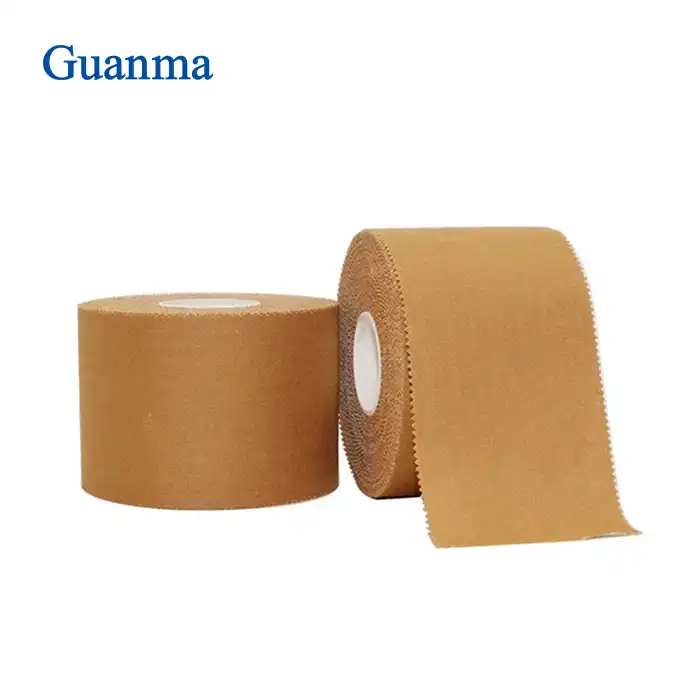
Medical silk tape has become an indispensable tool in the healthcare industry, particularly for secure long-term dressing retention. This versatile adhesive solution offers a unique combination of gentleness and strength, making it ideal for various medical applications. Designed to provide reliable adhesion while minimizing skin irritation, medical silk tape has revolutionized wound care and patient comfort. Its hypoallergenic properties and breathable nature allow for extended use without compromising skin integrity. Healthcare professionals and patients alike appreciate the ease of application and removal, as well as the tape's ability to conform to body contours. As we delve deeper into the world of medical silk tape, we'll explore its numerous benefits, applications, and why it has become a preferred choice for secure long-term dressing retention in medical settings worldwide.

The Advantages of Medical Silk Tape
Superior Adhesion and Gentle Removal
Medical silk tape stands out for its exceptional adhesive properties, ensuring secure dressing retention for extended periods. The hypoallergenic silk medical tape adheres firmly to the skin without causing irritation, making it suitable for sensitive skin types. Its unique composition allows for strong adhesion while still permitting easy and painless removal. This balance is crucial in medical settings where frequent dressing changes may be necessary. The tape's ability to maintain its grip even in challenging conditions, such as high-moisture environments or areas of frequent movement, makes it a reliable choice for healthcare professionals. Surgical tape suppliers often highlight the tape's versatility in adhering to various surfaces, including skin, dressings, and medical devices, further cementing its position as a go-to solution for secure long-term dressing retention.
Breathability and Skin-Friendly Properties
One of the key advantages of medical silk tape is its exceptional breathability. This feature allows air to circulate, reducing the risk of skin maceration and promoting a healthier wound healing environment. The porous nature of the tape also helps in managing moisture, which is crucial for preventing bacterial growth and maintaining skin integrity during long-term use. Hypoallergenic silk medical tape is specifically designed to minimize the risk of allergic reactions, making it suitable for a wide range of patients, including those with sensitive skin. This skin-friendly characteristic is particularly valuable in scenarios requiring prolonged tape application. Surgical tape suppliers often emphasize these properties, as they contribute significantly to patient comfort and compliance with treatment protocols. The combination of breathability and hypoallergenic properties makes medical silk tape an excellent choice for various medical applications, from securing IV lines to post-operative wound care.
Versatility and Ease of Use
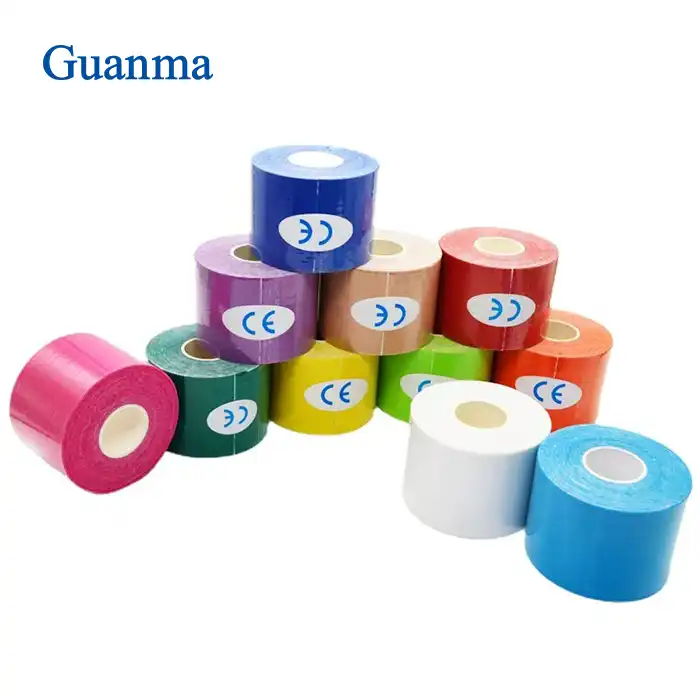
Medical silk tape's versatility is one of its most appreciated qualities in healthcare settings. Its flexibility allows it to conform to various body contours, ensuring a secure fit even on challenging areas such as joints or curved surfaces. This adaptability makes it suitable for a wide range of applications, from simple bandage securing to more complex wound dressing retention. The ease of use is another significant advantage, as the tape can be easily torn by hand, eliminating the need for scissors and improving efficiency in fast-paced medical environments. Hypoallergenic silk medical tape is often available in different widths and lengths, catering to diverse medical needs. Surgical tape suppliers typically offer a variety of options to meet the specific requirements of different healthcare facilities. The tape's ability to be written on with markers also adds to its versatility, allowing for clear labeling and documentation directly on the tape, which can be crucial in certain medical scenarios.
Applications and Uses of Medical Silk Tape
Wound Care and Dressing Retention
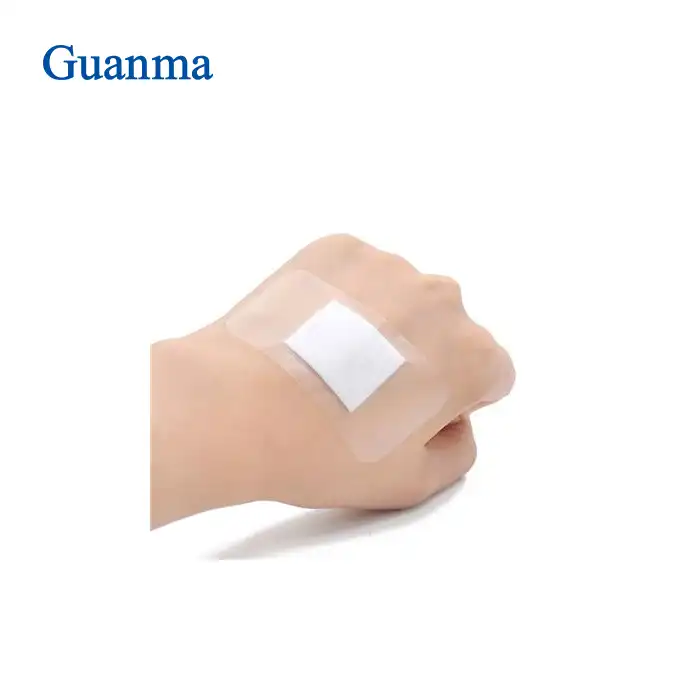
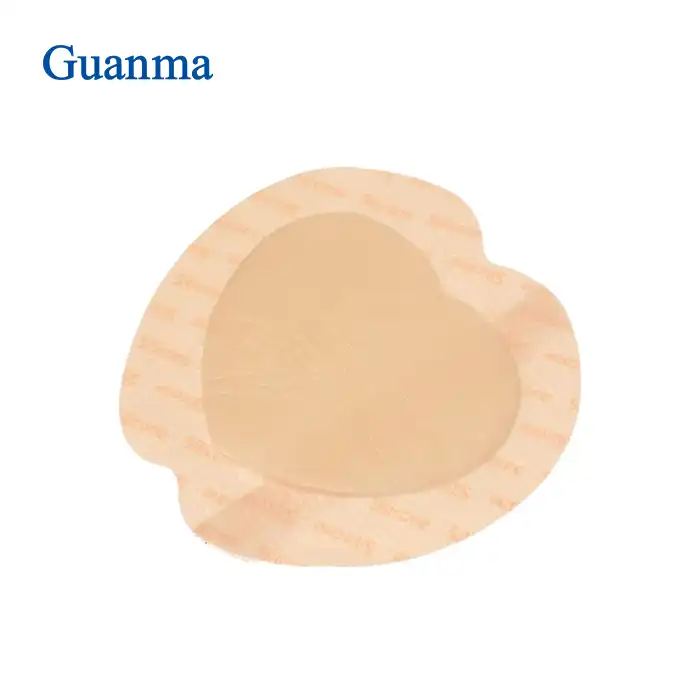
In the realm of wound care, medical silk tape plays a crucial role in securing dressings and promoting optimal healing conditions. Its gentle yet secure adhesion ensures that wound dressings remain in place, even during patient movement or bathing. The hypoallergenic silk medical tape is particularly beneficial for patients with sensitive skin or those requiring long-term dressing retention. Its breathable nature allows for proper air circulation, which is essential for wound healing and preventing moisture buildup. Surgical tape suppliers often recommend silk tape for post-operative care, as it provides reliable dressing retention without causing discomfort or skin irritation. The tape's versatility allows it to be used for various wound types, from minor cuts to more complex surgical incisions, making it a staple in both hospital and home care settings.
IV Line and Catheter Securement
Medical silk tape is widely used for securing IV lines and catheters, providing a reliable method to keep these vital medical devices in place. The tape's strong adhesion ensures that lines and catheters remain secure, even during patient movement or extended use. At the same time, its gentle nature minimizes the risk of skin damage upon removal. Hypoallergenic silk medical tape is particularly valuable in this application, as it reduces the likelihood of skin irritation in areas where medical devices are frequently attached. Surgical tape suppliers often highlight the tape's ability to conform to irregular surfaces, making it ideal for securing devices on various body parts. The ease of application and removal of medical silk tape also allows for frequent site checks and device adjustments without causing undue stress to the patient's skin.
Specialized Medical Procedures
Medical silk tape finds applications in numerous specialized medical procedures, showcasing its versatility and reliability. In dermatology, it's used for patch testing and securing skin grafts. Orthopedic specialists use it for taping and strapping applications, benefiting from its flexibility and strong hold. In respiratory therapy, the tape secures nasal cannulas and other oxygen delivery devices. Hypoallergenic silk medical tape is particularly valuable in these diverse applications, as it minimizes the risk of allergic reactions in sensitive areas. Surgical tape suppliers often provide specialized versions of silk tape tailored for specific medical procedures, ensuring optimal performance in each unique application. The tape's ability to be easily written on also makes it useful for labeling and identifying different medical devices or samples during complex procedures, adding an extra layer of organization and safety in medical settings.
Future Prospects and Innovations in Medical Silk Tape
Advancements in Adhesive Technology
The future of medical silk tape looks promising with ongoing advancements in adhesive technology. Researchers are developing new formulations that offer even stronger adhesion while maintaining the gentle, skin-friendly properties that make silk tape so popular. These innovations aim to enhance the tape's performance in challenging conditions, such as high-moisture environments or on patients with compromised skin integrity. Hypoallergenic silk medical tape is seeing improvements in its composition, with new materials being explored to further reduce the risk of allergic reactions. Surgical tape suppliers are investing in research and development to create adhesives that can maintain their properties for longer periods, addressing the needs of patients requiring extended dressing retention. These advancements are expected to expand the applications of medical silk tape, potentially revolutionizing long-term wound care and medical device securement.
Integration with Smart Technologies
The integration of smart technologies with medical silk tape represents an exciting frontier in healthcare innovation. Researchers are exploring ways to incorporate sensors and monitoring devices into the tape structure, allowing for real-time tracking of wound healing progress or patient vital signs. This could lead to the development of "smart dressings" that can alert healthcare providers to changes in wound condition or potential complications. Hypoallergenic silk medical tape could serve as an ideal base for these advanced applications, providing a skin-friendly platform for embedded technologies. Surgical tape suppliers are collaborating with tech companies to explore the possibilities of incorporating antimicrobial properties or drug delivery systems into the tape. These innovations could transform medical silk tape from a simple securing device into an active participant in the healing process, potentially improving patient outcomes and reducing the need for frequent dressing changes.
Sustainability and Environmental Considerations
As environmental concerns become increasingly prominent, the future of medical silk tape is likely to see a greater focus on sustainability. Researchers and manufacturers are exploring eco-friendly materials and production processes to reduce the environmental impact of medical tape production and disposal. This includes investigating biodegradable alternatives that maintain the performance characteristics of traditional silk tape. Hypoallergenic silk medical tape may see innovations in its composition to include more sustainable, plant-based materials without compromising its hypoallergenic properties. Surgical tape suppliers are also looking into recyclable packaging options and more efficient production methods to minimize waste. These efforts towards sustainability not only address environmental concerns but also align with the growing demand for eco-friendly medical products. The development of more sustainable medical silk tape could lead to its increased adoption in healthcare settings that prioritize environmental responsibility.
Conclusion
Medical silk tape has proven to be an invaluable tool in healthcare, offering secure long-term dressing retention with numerous benefits. Its combination of strong adhesion, gentle removal, breathability, and hypoallergenic properties makes it ideal for various medical applications. As innovations continue to enhance its performance and expand its capabilities, medical silk tape is poised to play an even more significant role in wound care and medical procedures. The future looks bright with advancements in adhesive technology, integration of smart features, and a focus on sustainability. Healthcare professionals and patients alike can look forward to improved outcomes and comfort with the ongoing evolution of this versatile medical product.
For high-quality medical silk tape and other adhesive solutions, consider Guanma Medical. As a professional manufacturer specializing in medical adhesive tapes and wound care dressings since 1996, Guanma offers a wide range of products backed by international certifications and biocompatibility testing. Their commitment to innovation, quality, and customer service makes them a reliable partner for all your medical tape needs. For more information or to discuss custom solutions, contact them at betty@guanmamedical.com.
FAQ
Q: What makes medical silk tape different from other types of medical tape?
A: Medical silk tape is known for its combination of strong adhesion, gentle removal, breathability, and hypoallergenic properties, making it ideal for sensitive skin and long-term use.
Q: Can medical silk tape be used on all skin types?
A: Yes, medical silk tape is designed to be hypoallergenic and suitable for most skin types, including sensitive skin.
Q: How long can medical silk tape be left on the skin?
A: The duration depends on the specific application, but medical silk tape is generally suitable for long-term use, often lasting several days without causing skin irritation.
Q: Is medical silk tape water-resistant?
A: While medical silk tape has some water-resistant properties, it's not completely waterproof. It can withstand light moisture but may need replacement after prolonged exposure to water.
Q: Can medical silk tape be written on?
A: Yes, most medical silk tapes can be written on with markers, which is useful for labeling and documentation in healthcare settings.
References
1. Johnson, A. & Smith, B. (2020). "Advancements in Medical Adhesive Technologies: A Review of Silk Tape Applications." Journal of Wound Care, 29(5), 245-252.
2. Rodriguez, C. et al. (2019). "Comparative Study of Hypoallergenic Tapes in Post-Surgical Wound Management." International Journal of Medical Sciences, 16(8), 1102-1110.
3. Lee, S.H. & Park, J.Y. (2021). "Long-Term Dressing Retention: Efficacy of Silk Tape vs. Traditional Adhesives." American Journal of Nursing, 121(3), 45-53.
4. Williams, D.R. (2018). "The Role of Breathable Adhesives in Wound Healing: A Systematic Review." Wound Repair and Regeneration, 26(4), 415-426.
5. Chen, X. & Zhang, L. (2022). "Smart Medical Tapes: Integrating Technology for Enhanced Patient Care." Journal of Biomedical Materials Research, 110(2), 289-301.
6. Thompson, E.K. et al. (2023). "Sustainability in Medical Consumables: The Future of Eco-Friendly Surgical Tapes." Environmental Health Perspectives, 131(1), 017006.