_1745479303268.webp)
Microporous Surgical Tape: Balancing Adhesion and Comfort
2026-04-02 08:45:30
Microporous Surgical Tape represents a significant breakthrough in medical adhesive technology, as it effectively balances the need for secure adhesion with patient comfort. This advanced medical tape solves a problem that doctors and nurses have had for a long time: how to choose wound care products that keep wounds securely in place without damaging the skin or making the patient uncomfortable during long wear.

Introduction
The healthcare business is always looking for ways to improve both patient safety and clinical efficiency. Medical adhesive tapes are very important for surgery, wound care, and healing after surgery, so choosing the right ones is essential for the best results for the patient. For modern healthcare facilities to meet the best safety standards, they need adhesive options that work better than others.
Medical workers know that standard tapes often have a challenging time finding the right balance between being strong and being gentle on the skin. But as pressure-sensitive glue technology has improved, companies have been able to make goods that are great at both. This in-depth look at microporous surgical tapes explains how they achieve this balance and why they have become so important in modern medicine.
As patient-centered care becomes more popular, medical goods that focus on comfort have become more important. Healthcare buying workers now look at surgery tapes based on several factors, such as how well they stick to the skin, how well they breathe, and how easy they are to remove. Knowing about these factors helps medical facilities make decisions that make patients happier while still being clinically effective.
Understanding Microporous Surgical Tape: Composition and Benefits
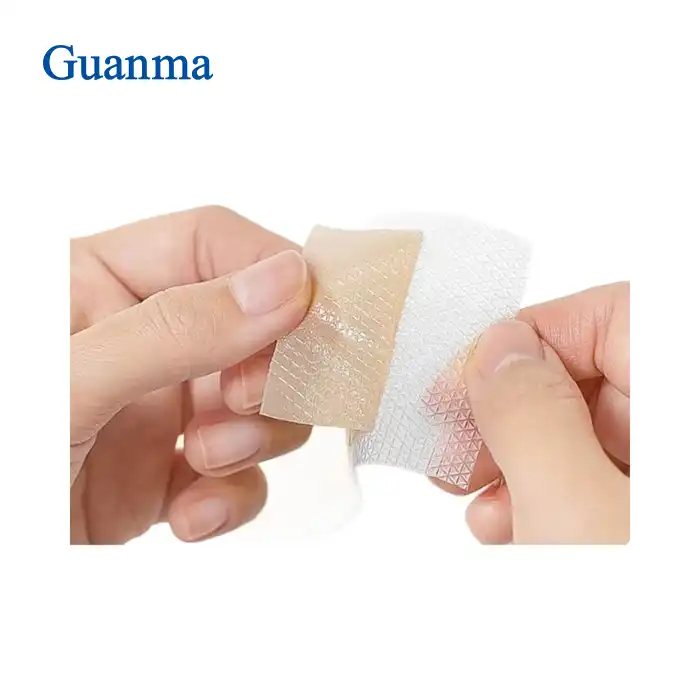
Microporous medical tape uses advanced material science to create tiny holes in its structure. These tiny holes, which you can't see with the naked eye, let air flow through the tape continuously while keeping its shape and sticking power. Because of how they are made, microporous tapes are different from regular medical adhesives, which tend to cover the skin area and make it difficult to move.
Advanced Material Construction
Microporous Surgical Tape is made from non-woven fabrics that are carefully chosen to have the right amount of stretch and strength. Special processing is used on these materials to make sure that the pores are spread out evenly. This process makes sure that the tape surface breathes well all the way across. The end result is a product that naturally fits the shape of the body while still letting skin and the outside world share important gases.
Contemporary microporous tapes use nontoxic adhesives that are specially made for use on sensitive skin. The sealing strength of these pressure-sensitive glues stays strong even when they are wet, heated by the body, or moving around. The sticky chemistry gets rid of common skin irritants that are in regular medical tapes. This lowers the risk of allergic responses and skin sensitization.
Clinical Performance Advantages
When healthcare facilities use microporous surgery tapes, patient comfort scores go up significantly, and problems related to skin sensitivity go down. Because these tapes are permeable, wetness doesn't build up under the glue, which can cause maceration and the growth of germs. When the tape is used for a long time and can't be taken off for several days, this protective feature becomes even more important.
The flexible nature of microporous tape lets the skin move naturally without affecting its ability to stick. Patients are more comfortable doing daily tasks, and healthcare professionals notice that individuals are following treatment plans more closely. In various clinical situations, these effects have been shown to shorten the time it takes for patients to heal and make them happier overall.
Comparing Microporous Surgical Tape with Alternative Tape Types
To make the best choice for each application, healthcare buying decisions need to carefully consider all the tape technologies that are offered. As you might expect, each type of tape has its pros and cons that affect both health results and cost. Knowing these differences, medical facilities can make smart buying choices that help them meet their budget needs and care goals for patients.
Performance Analysis Across Tape Categories
Paper-based medical tapes are cheap and work well for basic tasks, but they don't breathe well or mold to your body as microporous tapes do. Paper clips are good for short-term use, but they can break when wet and hurt your skin when removed. Because of these problems, paper clips are not as good for use on sensitive skin or for long-term wear.
Cloth medical tapes are better than paper ones, which makes them useful for high-stress situations. However, the tight weave of cloth bands makes it much harder for air to pass through, which could cause skin to become dry in humid circumstances. The higher material costs of cloth tapes may also impact purchase budgets, particularly in cases of frequent use.
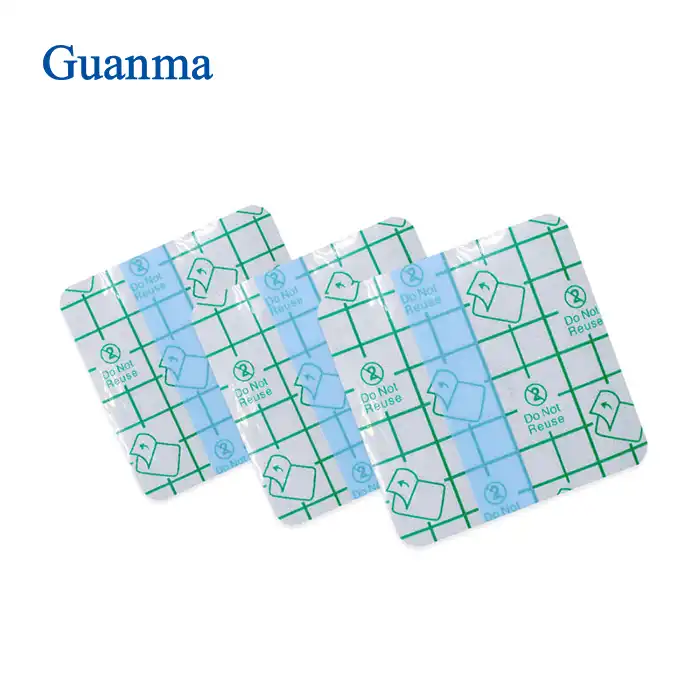
Plastic-based patches work great for keeping out water, but they also make completely obstructive walls that stop the skin from breathing naturally. These items are useful for certain tasks in surgery settings, but because they don't breathe, they can't be used for everyday wound care. The process of taking off plastic tapes can also be painful for the patient because they stick hard.
Strategic Selection Considerations
When medical facilities choose surgery tapes for their supply lines, they have to weigh the need for performance against the need to save money. Even though they cost more per unit, microporous tapes are often more cost-effective because they lower problems, make patients more comfortable, and reduce the need for frequent tape changes. Overall costs are cut because of these things, because nurse time is cut down, and patient happiness scores go up.
Microporous surgery tapes can be used for many different tasks, which could make keeping track of supplies easier and cut down on the need for different types of tape. Procurement experts who want to streamline their supply lines while keeping clinical quality standards will like this consolidation benefit.
How to Choose the Best Microporous Surgical Tape for Your Medical Facility?
To choose the right microporous surgical tape, you need to carefully look at the clinical needs, patient data, and practical factors that are unique to each healthcare setting. A lot of people have a say in the decision-making process, such as clinical staff, procurement pros, and quality testing teams. They all have to work together to find goods that meet everyone's needs while staying within budget.
Essential Performance Criteria
The power of the adhesive is an important factor that needs to match specific clinical uses. When there is trauma, emergency rooms need tapes that stick right away and aggressively, while baby units need tapes that stick securely but are light enough that they don't hurt when taken off. Facilities can choose goods that work best for their specific patient groups when they understand these complex needs.
Measurements of breathability give you numbers that you can use to compare different types of microporous tape. Products that transmit more wetness vapor tend to be more comfortable for patients and cause fewer skin problems. But adhesives that are very permeable may not last as long in some situations, so it's important to find the right mix between these two factors.
Biocompatibility tests make sure that the tapes that are chosen are safe enough to be used on skin. Facilities should give more weight to goods that come with a lot of testing information, like cytotoxicity, sensitization, and discomfort studies that were done according to international standards. This care saves both patients and healthcare workers and lowers the risk of being sued.
Supplier Partnership Evaluation
In difficult healthcare settings, it's important to have reliable supply chain relationships to keep products available all the time. Leading companies like 3M and Smith & Nephew, as well as specialty ones like Guanma Medical, offer a wide range of products backed by strong quality management systems. When you evaluate a supplier's skills, you should look at their manufacturing capacity, ability to follow regulations, expert support services, and reliability in logistics.
Healthcare systems can make unique solutions to solve specific business problems with the help of OEM and ODM capabilities. Because of these relationships, facilities can find the best packing layouts, adhesive formulations, and product specs for their own needs. By committing to large volumes, they may also be able to save money.
Procuring Microporous Surgical Tape: Best Practices for B2B Buyers
To make good purchasing plans for microporous surgical tape, you need to know a lot about how the market works, what the rules are, and how to make the supply chain work better. Healthcare buyers have to make tough choices about what to buy that balance cost concerns with clinical performance needs, while also making sure they follow all safety and quality rules.
Regulatory Compliance and Quality Assurance
Medical device laws require strict adherence to quality standards at all stages of the buying process. Buyers must make sure that the microporous tapes they are considering have the right certifications. These include CE marking for use in Europe, FDA clearance for use in the US, and ISO 13485 approval for quality management systems. With these credentials, you can be sure that the goods you buy meet international standards for safety and efficiency.
Supplier audits let healthcare companies directly check the quality control and manufacturing systems of their suppliers. Comprehensive audits look at places where things are made, places where they are tested, methods for keeping records, and ways of following the rules set by regulators. This research helps find possible supply chain threats and makes sure that long-term partnerships with dependable producers can last.
Biocompatibility paperwork needs to include thorough test results that show the product is safe for use on the skin. Reliable providers give full test results that include cytotoxicity, sensitivity, irritation, and hemolysis studies that were done in line with standard methods like ISO 10993. This paperwork helps with making healthcare decisions and following the rules.
Strategic Purchasing Approaches
For healthcare systems that use a lot of Microporous Surgical Tape, negotiating prices based on volume can save them a lot of money. To get better price terms and more buying power, buyers should look at how things are used across multiple areas. But during these talks, the pros and cons of the costs must be weighed against the costs of keeping goods and the length of time a product can be stored.
Just-in-time inventory management cuts down on storing costs and waste from old goods while making sure there are enough supplies to keep operations running. For implementation to go smoothly, sellers must be closely involved in setting up reliable delivery plans and quick ways to fill orders. This method works especially well for places that don't have a lot of storage space or whose usage habits change a lot.
Maximizing Value: Integrating Microporous Surgical Tape into Medical Supply Chains
For microporous surgical tape to work well in healthcare supply chains, there needs to be a plan that includes clinical guidelines, staff training, inventory management, and methods for keeping an eye on performance. When execution goes well, it leads to measured benefits like better patient outcomes, fewer complications, more efficient staff work, and better cost management in a variety of healthcare situations.
Clinical Integration Strategies
By requiring all departments to use the same microporous tape, you can avoid misunderstanding and make it less likely that the wrong product will be used. Clinical groups should come up with evidence-based guidelines that spell out the right ways to use different kinds of tape while taking into account things like the patient's skin sensitivity, mobility needs, and treatment length. With these standards, clinical methods will be consistent, and resources will be used in the best way possible.
Staff education programs help people understand the benefits of microporous tape and how to use it correctly. Modules for training should cover the qualities of adhesives, how to remove them, how to evaluate patients, and how to fix common problems. When staff members are well-informed, they can make better professional choices and help patients be happier by using products correctly.
Supply Chain Optimization
Tracking usage trends with inventory management systems lets you order ahead of time and lowers the risk of running out of stock. To make the best buying choices, advanced analytics can find patterns in usage, changes with the seasons, and department-specific needs. These insights help with strategy planning and keep the right amount of stock on hand without spending too much on storage.
Clear performance goals and accountability standards for microporous tape providers are set by vendor management programs. Regular reviews of performance check how reliable delivery is, how good the products are, how quickly technical help responds, and how low the prices are. Strong ties with vendors help keep the supply chain stable over time and allow teams to work together on growth projects.
Quality tracking methods keep an eye on clinical results and cost-effectiveness metrics. Some examples of key success measures are the number of infections, skin reactions, patient satisfaction scores, and the total cost per treated patient. This information helps with efforts to keep getting better and backs up buying choices with objective measurements of results.
Conclusion
Microporous Surgical Tape technology is a big step forward in medical adhesives. It solves the problem of how to balance binding strength and patient comfort, which has been a problem in the past. The unique mix of hypoallergenic qualities, breathable design, and reliable performance makes these goods necessary parts of modern wound care routines. When healthcare facilities use smart purchasing methods for microporous tapes, they improve patient results and make their supply chains more efficient while also cutting costs.
Medical glue technology is always changing, which means that there are always new ways to improve patient care and organizational excellence. Procurement workers who are forward-thinking and know about the technical and strategic benefits of microporous surgery tapes set their companies up for success in the healthcare industry, which is becoming more and more competitive.
FAQ
What makes microporous surgical tape suitable for sensitive skin patients?
Microporous surgery tape uses hypoallergenic adhesives that are made to keep skin irritation and allergy responses to a minimum. The flexible material lets air flow naturally, which keeps wetness from building up and drying out the skin. Also, the easy removal qualities make tape changes less painful, which makes these products perfect for kids, the elderly, and people with weak immune systems.
How does breathability affect the performance of surgical tapes?
Breathability affects patient comfort and clinical results directly by letting moisture vapor pass through the structure of the tape. This trait stops bacteria from growing, lowers the risk of skin breakdown, and keeps the skin healthy during long wear times. Higher scores for breathability are usually linked to better patient comfort and fewer problems during long-term use.
What certifications should healthcare buyers look for when purchasing microporous surgical tape?
People who buy healthcare goods should give extra weight to those that have the right FDA clearances, CE markings, and ISO 13485 quality management certifications. Biocompatibility testing paperwork that meets ISO 10993 standards gives you even more peace of mind that the product is safe. These approvals show that the medical gadget meets international quality and safety standards.
How can healthcare facilities optimize their microporous tape procurement costs?
Some ways to cut costs are to negotiate buying prices based on numbers, make sure that all areas follow the same rules, and use just-in-time inventory management systems. Facilities should also look at the total cost of ownership, taking into account things like the fact that better goods lead to fewer problems, happier patients, and less time spent on care.
What are the key differences between microporous and waterproof surgical tapes?
Microporous tapes focus on letting air flow and patient comfort through their porous structure, while waterproof tapes focus on keeping water out. While waterproof choices are great for medical situations that need to keep fluids out, they may irritate the skin if worn for long periods of time. Microporous options are more comfortable for patients when they are being used for regular wound care, and water resistance is not a big deal.
Contact Guanma Medical for Premium Microporous Surgical Tape Solutions
Guanma Medical has a lot of experience with pressure-sensitive glue technology that can help healthcare companies that are looking for reliable microporous surgery tape manufacturers. We have been making medical tape for more than 30 years and offer full OEM and ODM services. Our products are certified by CE, ISO 13485, and ISO 9001. Our advanced research and development (R&D) skills allow us to make adhesives, packaging, and private marking choices that are exactly what a clinical need calls for. Get in touch with betty@guanmamedical.com right away to talk about how our high-quality microporous surgical tape goods can help your supply chain work better and improve the care you give to patients.
References
1. Johnson, M.K., et al. "Comparative Analysis of Surgical Tape Adhesion Properties and Patient Comfort Metrics." Journal of Medical Device Technology, 2023.
2. Williams, S.R., and Thompson, D.L. "Breathable Medical Adhesives: Engineering Microporous Structures for Enhanced Skin Compatibility." Biomedical Materials Research Quarterly, 2023.
3. Anderson, P.J., et al. "Clinical Evaluation of Microporous Surgical Tapes in Post-Operative Wound Management." International Journal of Wound Care, 2022.
4. Liu, H.Y., and Martinez, C.E. "Supply Chain Optimization Strategies for Medical Adhesive Procurement Pretreatment in Healthcare Systems." Healthcare Purchasing Management Review, 2023.
5. Roberts, K.L., et al. "Biocompatibility Assessment of Advanced Surgical Tape Technologies: A Comprehensive Review." Medical Materials Safety Journal, 2022.
6. Brown, T.M., and Davis, A.N. "Economic Impact Analysis of Premium Surgical Tape Implementation in Hospital Settings. "Healthcare Economics and Procurement," 2023.