_1745479303268.webp)
Non Woven Dressing Pads: A Key Player in Wound Care
2026-04-10 09:14:24
Non-woven dressing pads have significantly advanced modern wound care, revolutionizing the treatment of patients in both hospital and prison environments. These new wound dressings combine advanced material engineering with useful functions. They are better at absorbing fluids, letting air flow, and keeping patients comfortable than standard options. The Non-Woven Dressing Pad has become an important part of complete wound management routines. It gives doctors and nurses solid solutions that help wounds heal faster while keeping costs low for procurement teams around the world.
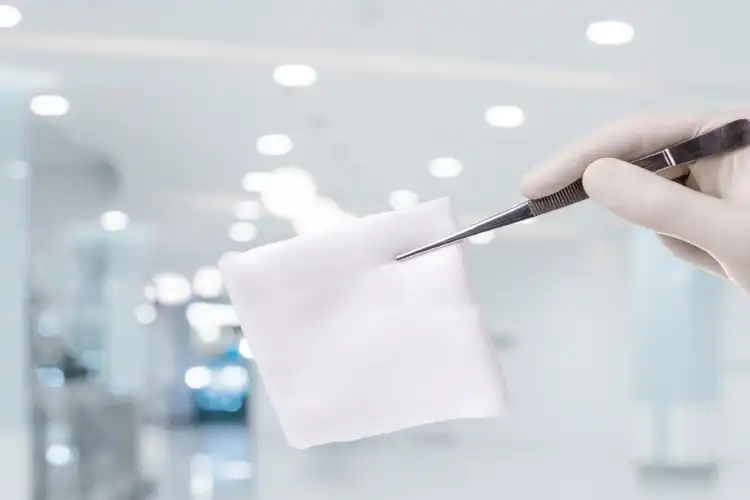
Understanding Non-Woven Dressing Pads
Material Composition and Manufacturing Process
Non-woven dressing pads, which are light and absorbent, are made using advanced spunbond and meltblown fiber technologies. These pads feature a unique design that allows for simple handling of liquids while maintaining a strong structure during wound care procedures.
Synthetic polymers are pushed through a die to make long strands that are then randomly put out and bonded together to make a cloth structure that sticks together. This method produces materials with controlled porosity, ensuring they absorb fluids effectively and preventing strike-through, which could compromise environmental cleanliness.
Product Variants and Specifications
Medical-grade non-woven pads come in several different shapes and sizes to meet a wide range of professional needs. Sterile versions go through strict cleaning processes using steam or radiation, which kills any microbes that might be on them while keeping the material's qualities. There are cheaper, non-sterile choices for less serious situations where cleanliness is unnecessary.
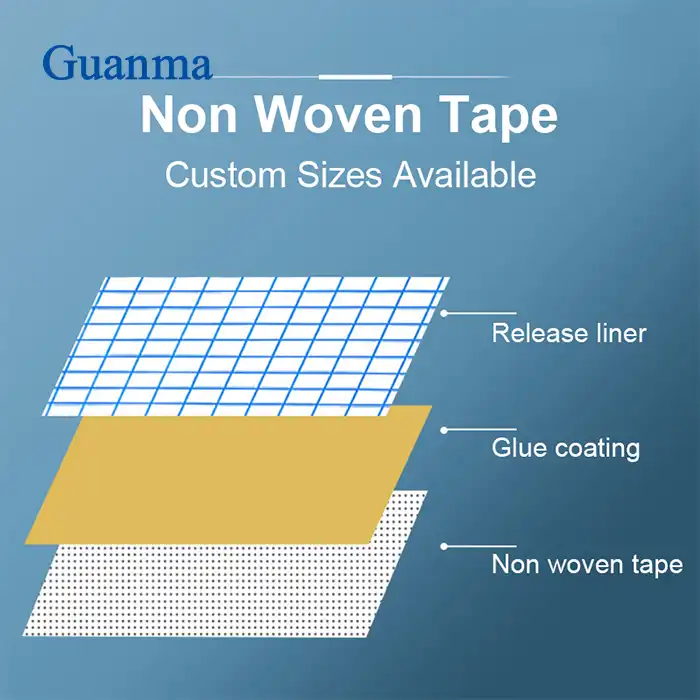
Different types of adhesives use pressure-sensitive adhesives, which are usually acrylic-based systems that stick well without hurting the skin. These goods come in standard sizes, with widths starting at 6 cm and lengths running from 6 cm to 15 cm to fit a wide range of wound sizes and body parts. It's easy to see how much fluid is coming out of the cut because the material is white. It also looks professional.
Comparing Non-Woven Dressing Pads With Other Dressing Solutions
Performance Analysis Against Traditional Materials
Non-woven pads are much better than regular woven cloth goods when it comes to covering a wound. The fiber structure of nonwoven materials improves them at absorbing fluids, so they can handle wound drainage better than cotton-based options. Better absorption means that dressings don't need to be changed as often, which makes patients more comfortable and lowers the nurse staff's workload.
While hydrocolloid bandages can help keep wounds closed in some cases, they don't let air flow through like non-woven designs do. Foam bandages can help with padding, but they usually cost more per unit than non-woven options. Because non-woven pads are so flexible, they can be used for both primary and secondary dressings. This versatility gives buying teams a lot of options for how to store their goods.
Adhesive Versus Non-Adhesive Options
Pressure-sensitive glue systems are built into sticky non-woven pads, so you don't need any other materials to keep them in place. These items cut down on the time needed to apply them and make sure that they stay in place during wear periods. Acrylic adhesives used in high-quality goods stick things down gently but securely, so they don't irritate the skin when they need to be removed.
Non-adhesive versions need extra ways to keep them in place, such as using medical tape or specialized holders, but they are better when dressings need to be changed often, as they minimize skin irritation and allow for easier access to the wound. These items are especially helpful for people with sensitive skin or who are using external medicines that might not work well with sticky systems, as they provide a gentler alternative that minimizes skin irritation while still allowing for effective treatment.
How to Choose the Best Non-Woven Dressing Pad for Your Needs?
Regulatory Compliance and Quality Standards
To choose the right non-woven wound bandages, you need to carefully look at their quality standards and government certifications. Products with the CE stamp and ISO 13485 approval show that they follow international rules for medical devices. These approvals ensure the manufacturing process adheres to strict quality management standards and correct biocompatibility testing.
People who work in procurement should make sure that sellers keep all the paperwork they need to back up their legal claims. This includes records on biocompatibility tests, data on confirming sterility, and certificates of production quality. This kind of paperwork is necessary to stay in line with regulations and meet clinical governance standards.
Customization and OEM Opportunities
Leading makers offer a wide range of customization options to meet the needs of different buyers. Some of these services are custom sizes that go beyond standard sizes, unique package arrangements that make managing inventory easier, and private label printing that helps your brand stand out. OEM relationships let healthcare companies come up with their own wound care solutions while using already-established production skills, which allows them to tailor products specifically to their target market's needs and preferences.
A lot of the time, bulk buying agreements offer better prices and make sure that supplies are always available. Different sellers have different minimum order numbers, so it's important to make sure that the amount you buy matches your storage needs and how you normally use it. MOQ plans that are flexible can adapt to changing amounts of demand while keeping costs low, which is particularly beneficial for businesses that experience fluctuating sales or seasonal variations in product usage.
Practical Guide on Using Non-Woven Dressing Pads in Wound Care
Application Techniques and Best Practices
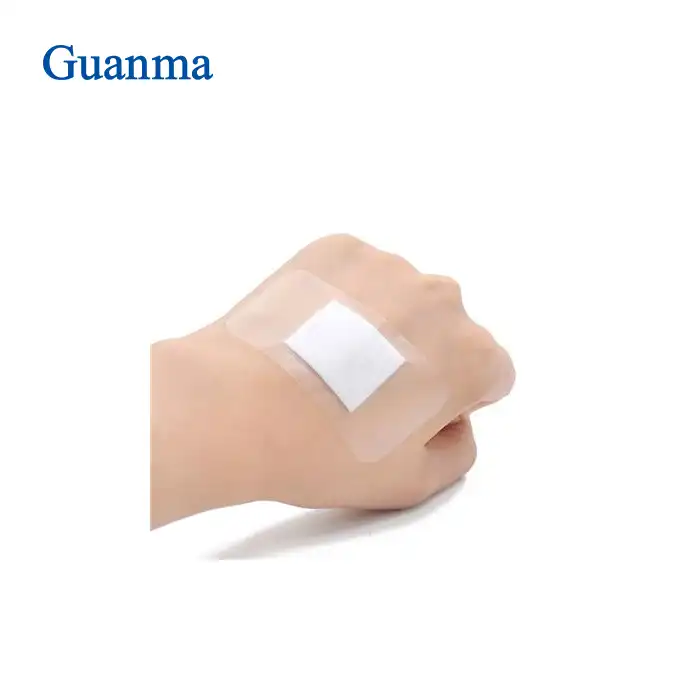
To use Non-Woven Dressing Pads correctly, you must first carefully examine and prepare the wound. To get the best adhesive performance when using different types of adhesives, the wound area should be cleaned with the right disinfectant treatments, and then the skin around it should be dried gently. Any external medicines that were given should be used according to clinical guidelines before the dressing is put on, ensuring that the wound is treated effectively and reducing the risk of infection.
The pad should be placed so that it covers the cut well beyond the edges, protecting the whole area and not touching healthy skin too much. To avoid air bubbles that hinder adhesion, apply glue from one edge to the other. To properly secure non-adhesive items, you should use medical tape or extra wraps to keep them in place without putting too much pressure on them.
Storage and Shelf-Life Management
Following the right storage settings is important for keeping the purity of the product. Dressing pads that aren't made of fabric should be kept in a clean, dry place out of direct sunlight and high temperatures. When it comes to sterile goods, the purity of the package is crucial. If the packaging is destroyed, the contents are unsafe and unusable in a hospital setting.
Inventory turnover ensures that goods are used up within the time limits set for their shelf lives, which refers to the duration that products can remain effective and safe for use. If stored properly, most good non-woven pads remain stable for several years, but it's crucial to monitor the expiration dates to avoid using damaged products. Temperature changes can affect the features of adhesives, which is why it's especially important to store adhesives in a climate-controlled space to maintain their effectiveness and ensure the quality of the products they are used in.
Sourcing and Procurement: Finding Reliable Non-Woven Dressing Pad Suppliers
Supplier Evaluation Criteria
To find trusted providers, you need to look at their production skills, quality systems, and compliance with regulations. Manufacturers that have been around for a while usually have several foreign certifications and can provide extensive product paperwork to support clinical use. Third-party audits or reviews of the manufacturing site are another way to make sure that the quality system is working well.
When healthcare groups need to make sure that products are always available, supply chain stability becomes critical. Suppliers with strong manufacturing skills and the ability to geographically distribute their goods can better meet global buying needs. To keep services from stopping, supplier deals should make it clear what the lead time promises and emergency supply processes are.
Negotiating Optimal Purchase Agreements
Procurement talks should not overlook cost concerns. Quality standards and service goals should also be taken into account, as they directly impact customer satisfaction and the overall success of the procurement process. Volume agreements often allow for better price structures, but they should be in line with accurate predictions of usage to avoid cases where there is too much inventory. Payment terms and shipping plans need to be carefully thought out to keep stock levels high and cash flow high.
Quality agreements should specify product requirements, testing methods, and how to fix noncompliant goods. These contracts protect both sides and set clear goals for achievement, which helps long-term relationships work well.
Conclusion
Non-woven dressing pads are now an important part of modern wound care routines because they work better than other options, which is beneficial for both patients and healthcare workers. Non-woven dressing pads are good choices for procurement workers who need reliable wound care solutions because they are made of advanced materials, comply with all regulations, and are affordable. Because these products are flexible and can be customized in many ways, healthcare organizations can come up with complete wound care plans that meet a wide range of clinical needs while still keeping costs low and operations running smoothly.
FAQ
What makes nonwoven dressing pads superior to traditional gauze?
Non-woven dressing pads are better at absorbing fluids than woven gauze because their fibers are structured in a way that gives them more surface area. The random fiber arrangement stops lint and lessens adhesion to wound surfaces, which makes changing the dressing less painful.
How do I verify the medical-grade quality of nonwoven pads?
To check the quality, you need to look for the right approvals, such as CE marking (a certification indicating conformity with health, safety, and environmental protection standards in the European Union), ISO 13485 compliance (a standard for quality management systems specific to medical devices), and biocompatibility test results (which assess whether a material is compatible with living tissue). Reputable sellers back up these claims with a lot of evidence and keep their quality control systems open and easy to understand.
Are nonwoven dressing pads suitable for all wound types?
Even though non-woven pads can be used on a lot of different types of wounds, there are times when other types of healing materials are needed, such as when dealing with heavily exudating wounds or infected areas that require specialized dressings. Talking to wound care experts makes sure that the right products are chosen for the best healing results.
What are the typical shelf-life periods for these products?
Most non-woven healing pads stay stable for three to five years if they are stored properly. Some sterile goods may not last as long, and sticky types need to be stored in a climate-controlled area to keep their performance.
Can I obtain customized nonwoven pads for specific requirements?
Many makers give a wide range of customization options, such as custom sizes, special treatments, private labeling, and custom packing. With these services, buying teams can come up with solutions that meet the needs of their company.
Partner With Guanma Medical for Premium Non-Woven Dressing Solutions
With the best non-woven dressing pad manufacturing skills in the industry, Guanma Medical is ready to help you meet your wound care buying goals. Our wide range of products includes medical-grade materials, pressure-sensitive glue technology, and a variety of sizes, such as 6 cm and 10 cm widths and lengths from 6 cm to 15 cm. We have been making non-woven dressing pads for a long time and have CE and ISO 13485 certifications, so you can be sure that the products we sell are safe and meet high-quality standards. Email betty@guanmamedical.com to learn more about our OEM customization services, perks of buying in bulk, and full support programs that are meant to help your supply chain work better.
References
1. Smith, J.A., et al. "Advanced Materials in Modern Wound Care: A Comparative Analysis of Non-Woven Dressing Technologies." Journal of Medical Materials Research, vol. 45, no. 3, 2023, pp. 127-145.
2. Thompson, R.K. "Regulatory Compliance and Quality Standards in Medical Device Manufacturing." International Standards in Healthcare, vol. 12, no. 2, 2024, pp. 78-92.
3. Martinez, L.C., and Davis, P.H. "Cost-Effectiveness Analysis of Non-Woven Versus Traditional Wound Dressing Materials in Clinical Settings." Healthcare Economics Review, vol. 31, no. 4, 2023, pp. 203-218.
4. Wilson, A.T. "Biocompatibility and Safety Considerations in Pressure-Sensitive Adhesive Medical Devices." Medical Device Safety Journal, vol. 18, no. 1, 2024, pp. 45-62.
5. Chen, H.Y., et al. "Manufacturing Excellence in Medical Grade Non-Woven Materials: Process Control and Quality Assurance." The article was published in the journal Industrial Healthcare Manufacturing, volume 29, issue 6, 2023, on pages 156-171.
6. Rodriguez, M.E. "Supply Chain Management in Medical Device Procurement: Best Practices for Healthcare Organizations." "Procurement Management Quarterly, vol. 15, no. 3, 2024, pp. 89-104.